
Baseline Verification Methods for Incoming SMT Solder Paste
Baseline verification of incoming solder paste requires verifying transit thermal logs, measuring malcom viscosity, and checking powder oxide limits.
Baseline verification of incoming solder paste requires verifying transit thermal logs, measuring malcom viscosity, and checking powder oxide limits.

Evaluate yield stress and thixotropic recovery in fine pitch printing using stress-sweep rheometry and transfer efficiency metrics to prevent aperture clogging.

High shear squeeze flow during substrate lamination forces shear thinning in prepreg resin, enabling complete microvia cavity fill before gelation locks the network.

Electroformed stencil transfer efficiency drops under high speed printing due to binder separation and wall compaction, requiring optimized wipe cycles.

High strain shear thinning reduces ultra fine paste viscosity during squeegee strokes, requiring rapid thixotropic yield recovery to prevent post print slump.
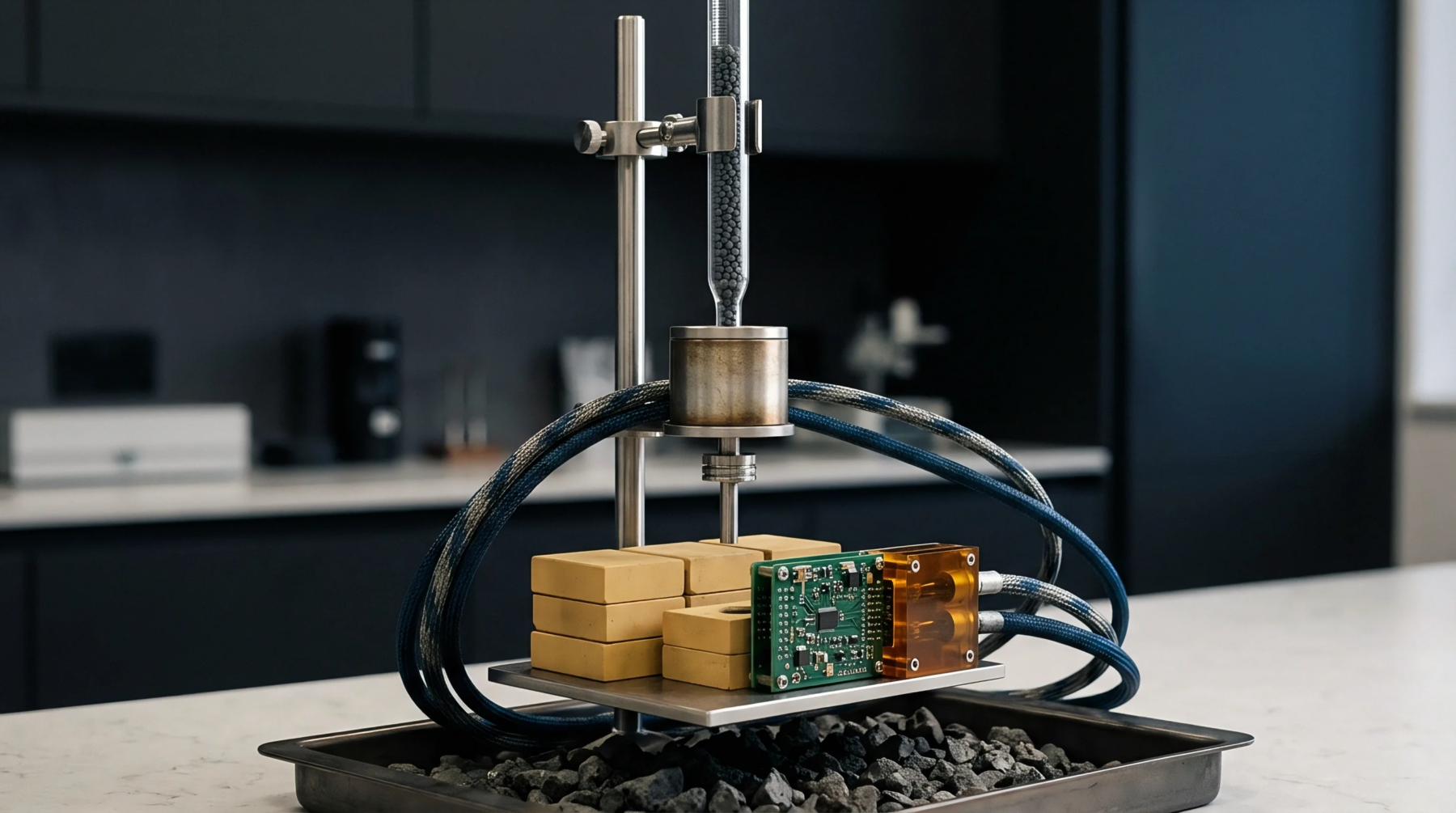
Optimize squeegee speed, separation rate, and aperture nanocoating to stabilize paste viscosity, maintain high transfer efficiency, and maximize SPI yields.
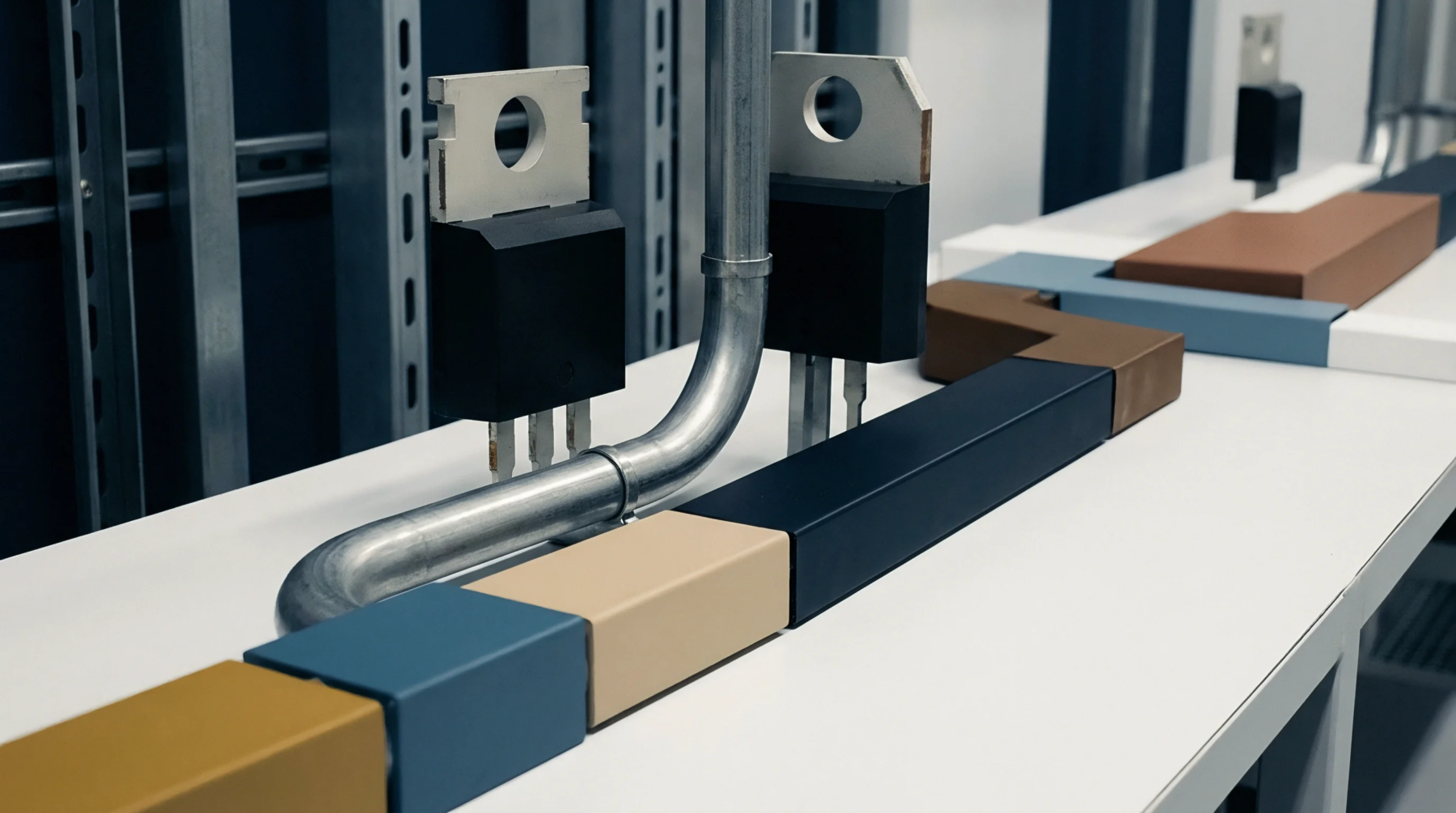
Predictive non-Newtonian flow modeling prevents micro-voiding in ultra-heavy copper cavities by matching prepreg viscosity minimums to press force ramps.
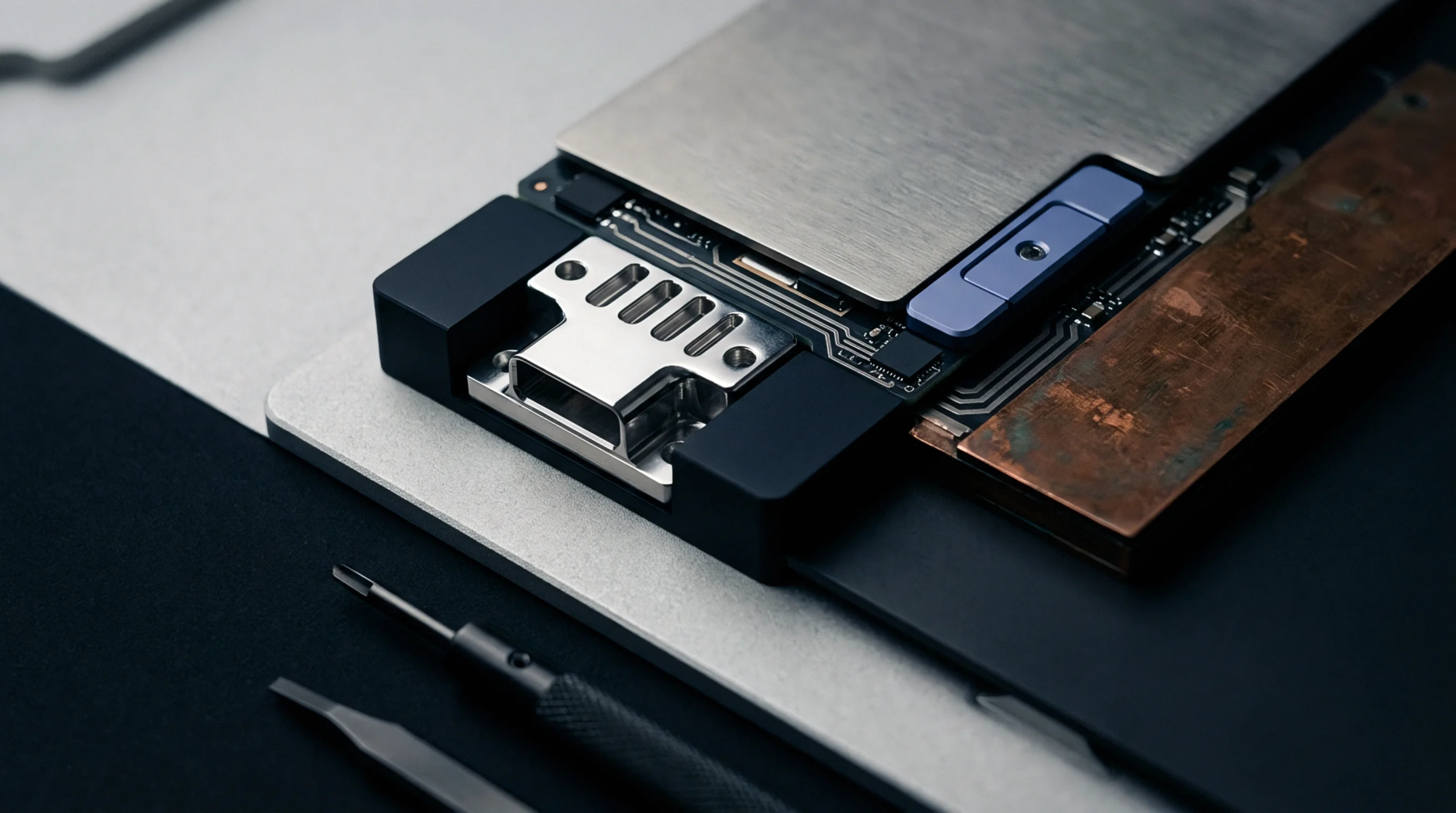
Dynamic viscosity minimums and hydraulic press profiles dictate complete microscale clearance filling, preventing latent internal voids and panel scrap.

Matching paste particle size and viscosity to stencil area ratio maintains stable transfer efficiency above 80 percent on fine-pitch components.

High shear rate squeeze flow during multi-stage lamination induces non-Newtonian thinning in ultra-thin prepregs, requiring precise pressure step timing to prevent microvia voiding and trace displacement.

Matching prepreg melt viscosity minima to press pressure ramps prevents thin-core distortion and resin starvation in high-density multilayer lamination.
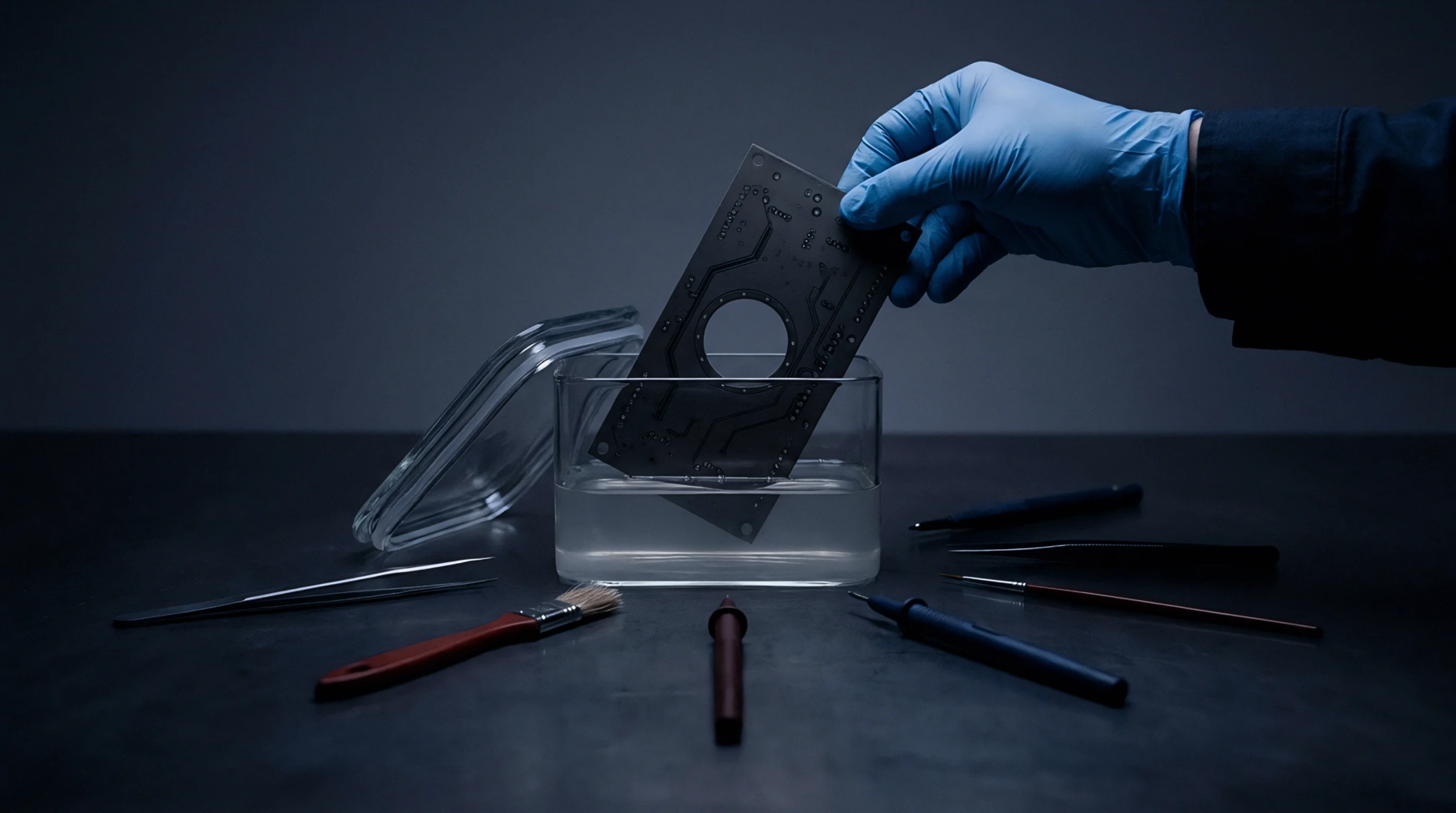
Viscoelastic boundary slip and capillary pressure dictate microvia filling and trace stability during high-density circuit board lamination.
Non-Newtonian resin flow inside thin prepreg micro-channels governs void formation, trace displacement, and dielectric thickness stability during high-pressure lamination.
Sub-30 µm dielectric void suppression requires matching non-Newtonian dynamic viscosity to vacuum press ramps to maintain shear flow prior to cross-linking gelation.

Optimal SMT yield requires matching paste shear-thinning rheology with stencil area ratios above 0.66 and reflow profiles holding peak temperatures within 5°C.
Expertise is a utility, not a secret. sentiention™ publishes its working knowledge as open reference: intelligence layer covering the materials it sources, the markets it enters, and the reference that serves both.