Hydrophobic Barrier
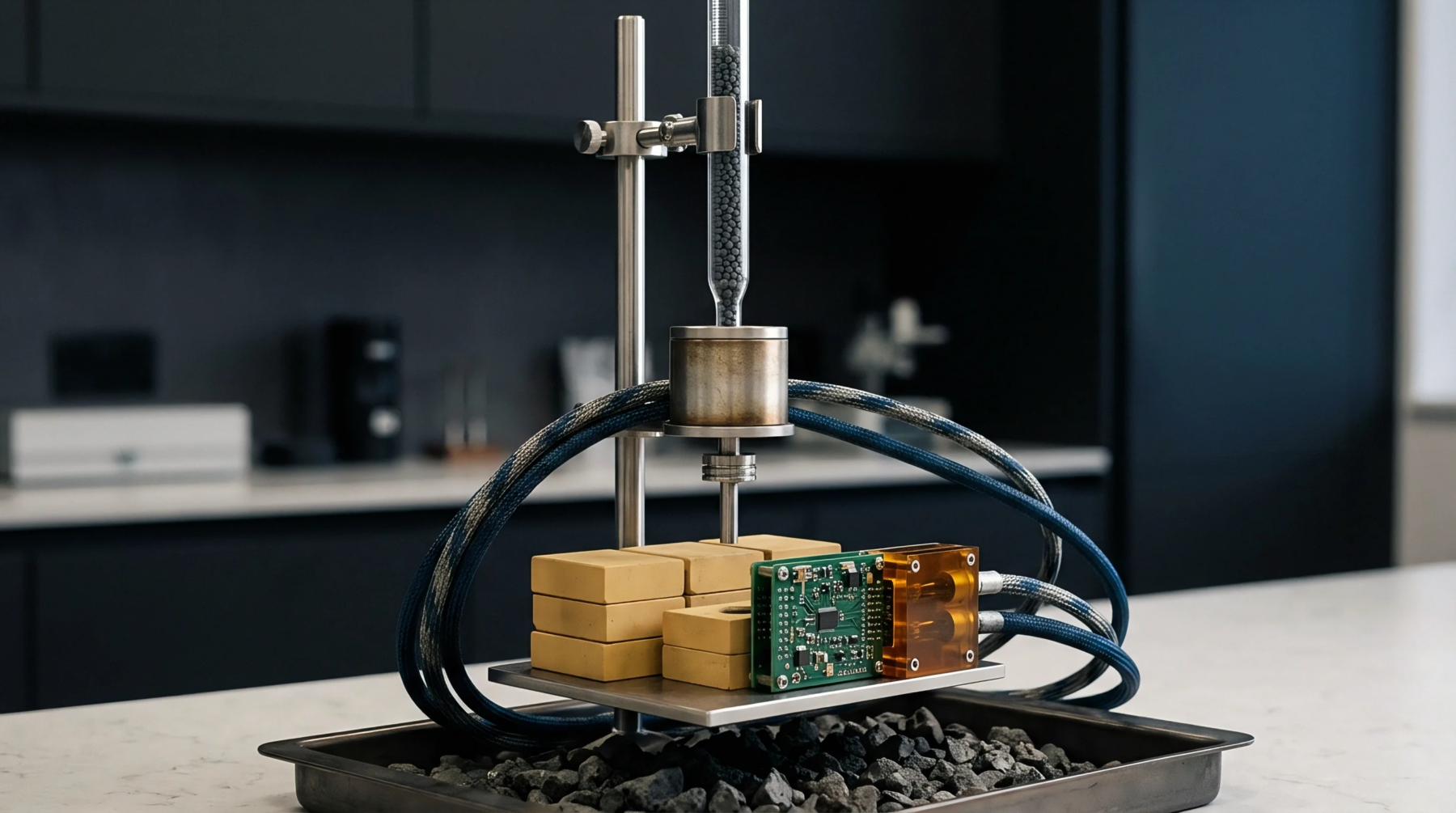
Surface modification of metal printing foils has introduced specialized coatings that repel both solder paste flux and moisture. Incorporating a nanocoated stencil into the squeegee process creates a highly hydrophobic and oleophobic surface on the underside of the foil. This thin polymer or ceramic layer is applied at a thickness of only a few nanometers.
It prevents solder paste from smearing across the stencil bottom during consecutive print cycles.
Print Quality
Fine-pitch components like micro-BGAs require highly consistent paste deposits that are free from bridging or dry solder joints. Utilizing a nanocoated stencil improves the transfer efficiency of paste through small apertures by reducing the surface energy of the aperture walls. The solder paste releases more completely, resulting in crisp deposits with well-defined edges.
This reliability is particularly beneficial when printing paste onto tiny passive component pads. By preventing paste from clinging to the aperture corners, the coating minimizes the formation of solder balls and bridges that cause board rejections at the inspection stage.
Maintenance Cycle
Reducing the frequency of under-wipe cycles extends the lifespan of the wiping material and improves printer throughput. Because the nanocoated stencil resists paste adhesion, the printer runs more boards before a cleaning cycle is required. This decrease in wiping reduces wear on the coating itself.