Direct Imaging Registration Accuracy Limits across Multi-Layer Thin-Core High-Density Interconnect Laminates
Dynamic zone direct imaging compensates for anisotropic thin-core shrinkage, keeping microvia misregistration within sub-15 micron limits.
Dynamic zone direct imaging compensates for anisotropic thin-core shrinkage, keeping microvia misregistration within sub-15 micron limits.
High-frequency acoustic phase inversion reveals submicron microvia delamination escaping electrical tests, saving $5.60 per unit over field warranty exposure.

Acoustic impedance mapping detects microvia target land delamination by reading phase-inverted ultrasonic reflections before assembly reflow causes circuit failure.
Weibull shape and location parameters derived from microsections quantify true target pad clearance safety margins, protecting buyers from latent dielectric field failures.

Anisotropic crystallographic texture in electrodeposited copper expands elevated-temperature internal microvia loop inductance by up to ten percent.
High shear squeeze flow during substrate lamination forces shear thinning in prepreg resin, enabling complete microvia cavity fill before gelation locks the network.
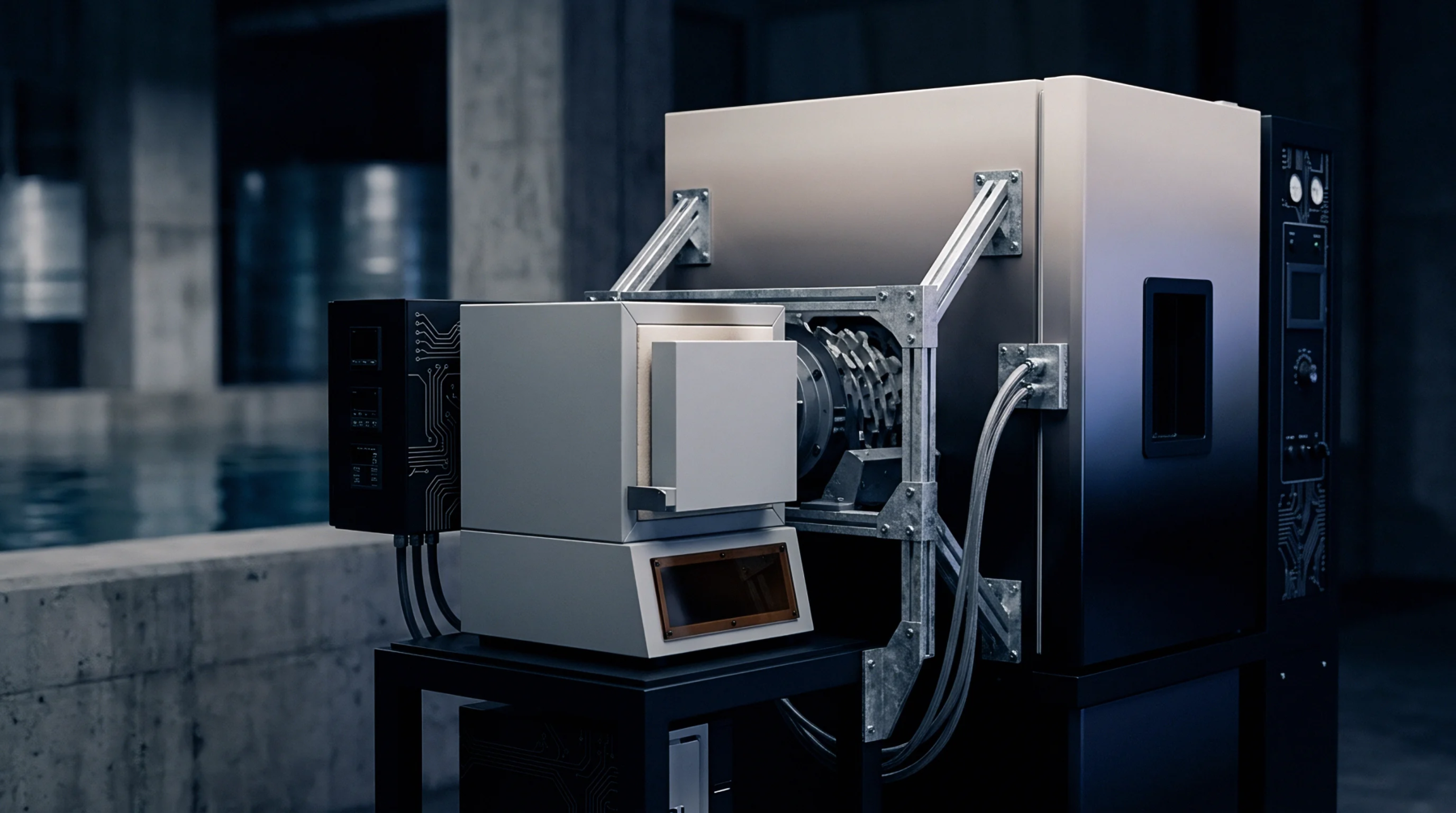
Optimizing etch compensation factors requires matching base copper profile tolerances to fluid replenishment rates on thin HDI inner layer cores.

PEEC formulation extracts microvia partial self-inductance from barrel aspect ratio and capture pad geometry, confirmed by de-embedded coupon S-parameters.
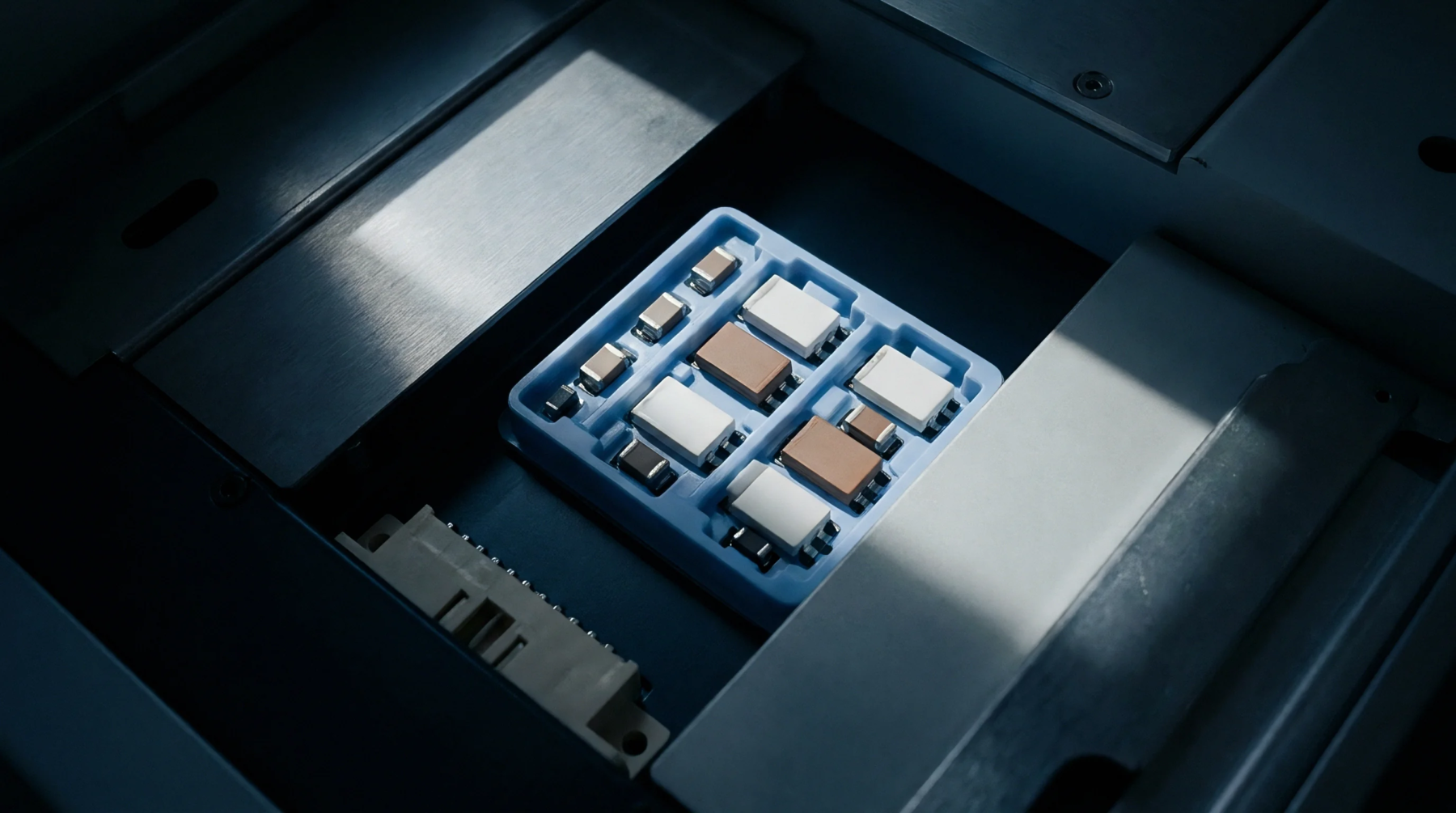
Staging hydraulic lamination pressure and damping heating rates above dynamic viscosity minimums prevents hydrodynamic resin shear from displacing heavy copper inner conductors.
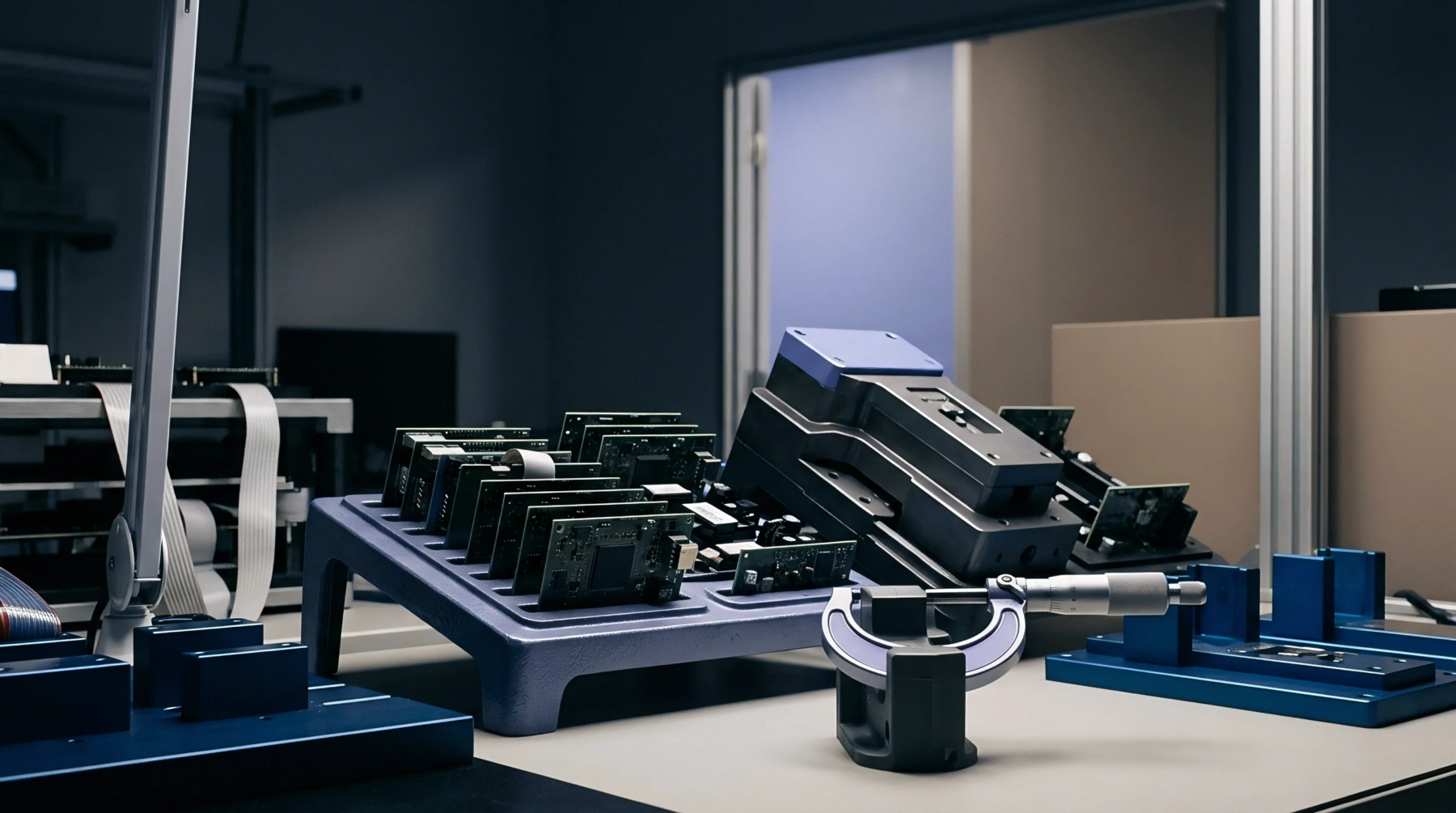
Quantifying copper sleeve dissolution in nitrogen selective soldering balances preheat elevation against contact dwell to maintain Class 3 barrel thickness.
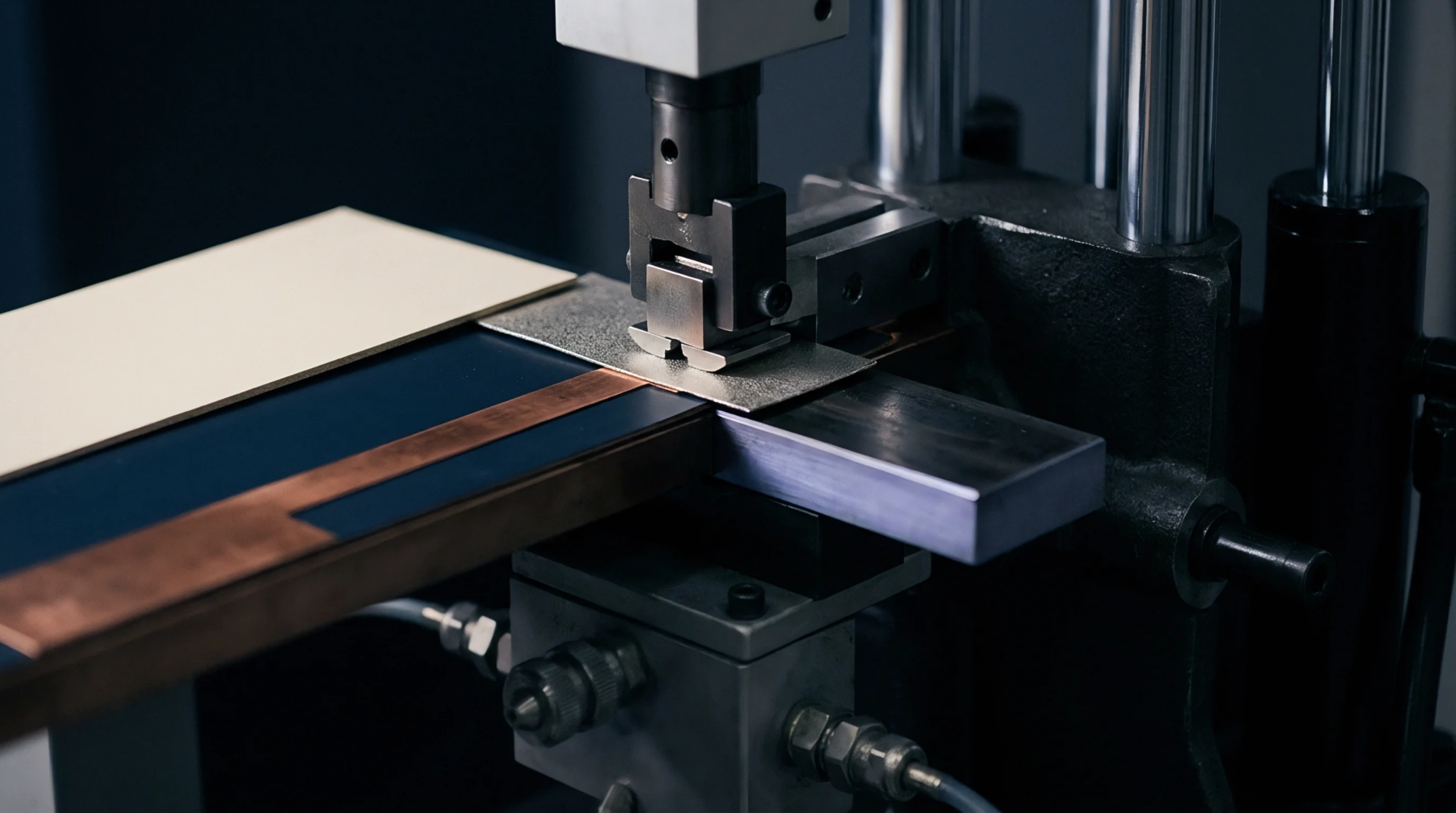
Optimizing inner layer copper thickness and prepreg fill demands matching matrix resin volume to clearance void area while controlling pressed dielectric height.
Asymmetric ultra-low-loss stackups shift the neutral axis and concentrate reflow shear strain at copper boundaries, requiring aspect ratios under 10:1 to protect barrel fatigue life.
Optimizing plasma desmear for heterogeneous laminates balances differential etch rates across polymer chemistries to ensure plating adhesion without wedge defects.

Dense smooth foil stackups require synchronized vacuum press cycles and high-resin fine-glass prepregs to prevent micro-cavity voids and dielectric starvation.
Boundary slip velocity models replace empirical roughness factors with electron specularity parameters, predicting insertion loss and phase delay up to 110 GHz.
Dynamic thermal gradients alter substrate permittivity, causing severe phase delay skew and PAM4 eye closure unless mitigated by ultra-flat glass and low-drift resins.

High-frequency phase delay anisotropy stems from woven reinforcement and foil grain directions; locking panel alignment ensures repeatable channel timing.
Microstrip phase velocity depends on outer layer inhomogeneous dielectric fields, glass reinforcement architecture, copper roughness, and lamination compression.
Perimeter coupon microsections overestimate internal circuit hole plating by up to forty percent due to edge current crowding and throwing power attenuation.
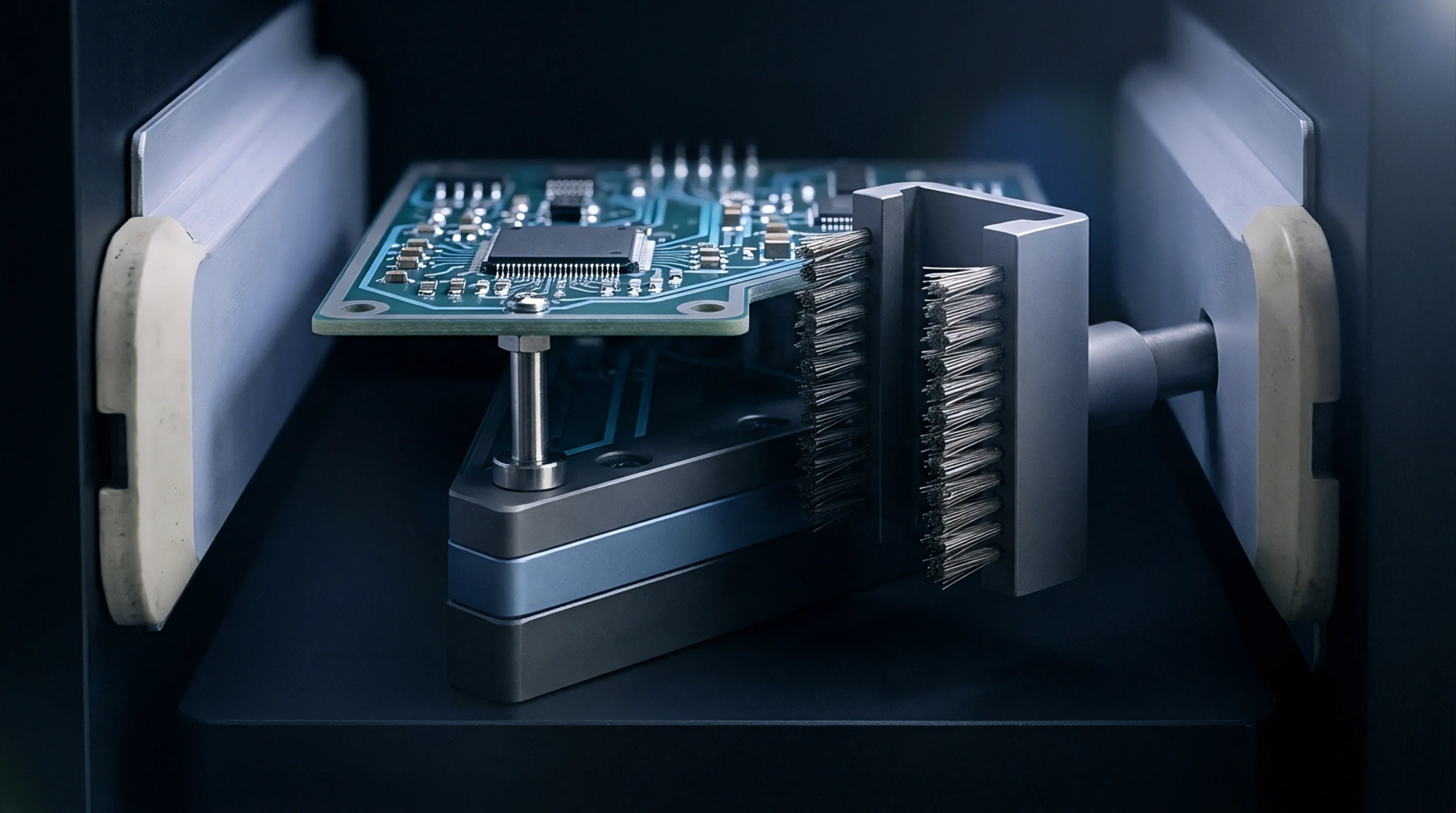
Predictive squeeze flow modeling couples chemorheology and layout copper density to prevent microvia voiding, trace swimming, and dielectric thickness drift.
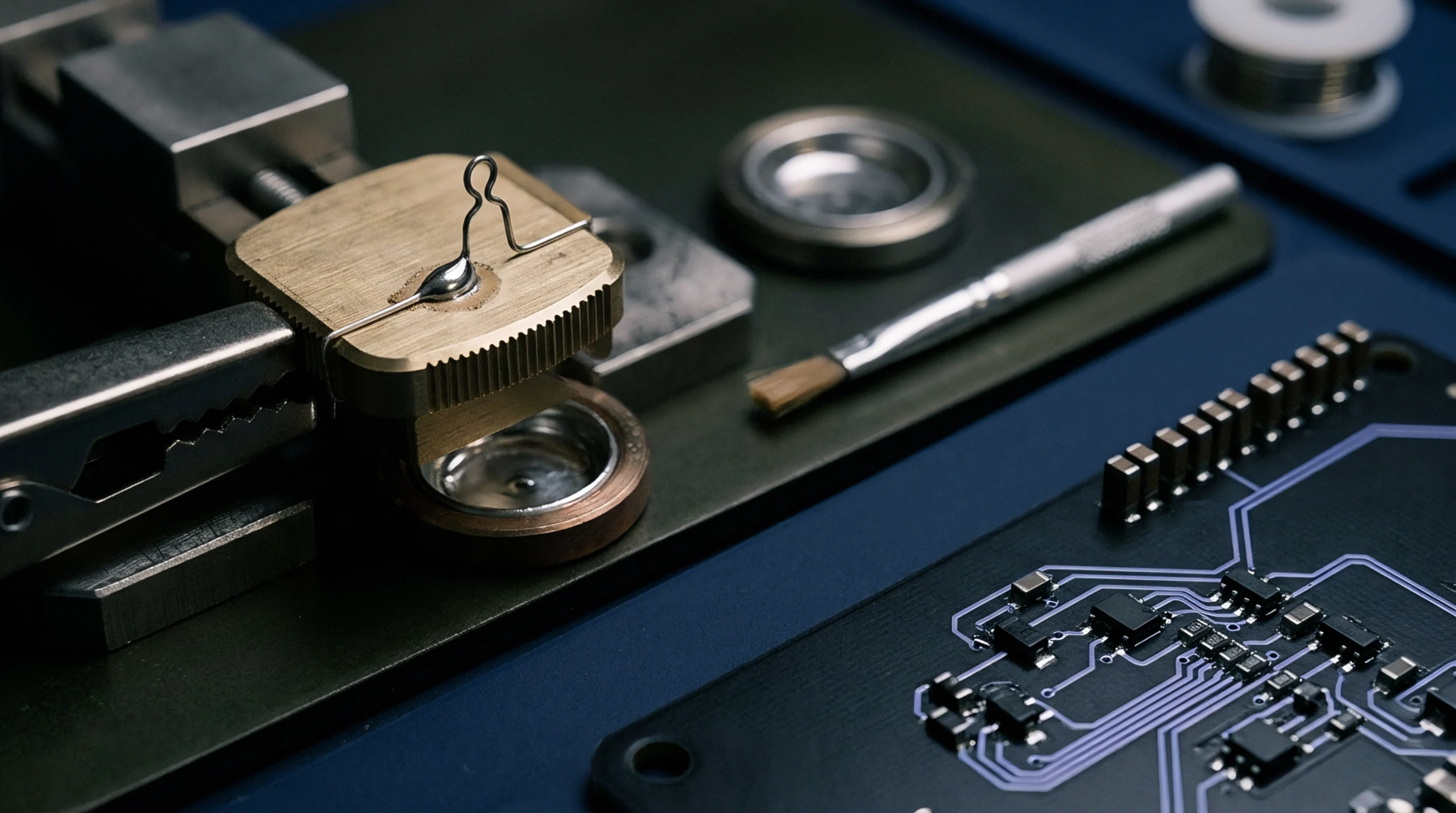
Secondary lamination dynamics dictate microvia fill, dielectric thinning, and registration shift, where multi-pass yield decay drives final panel cost.
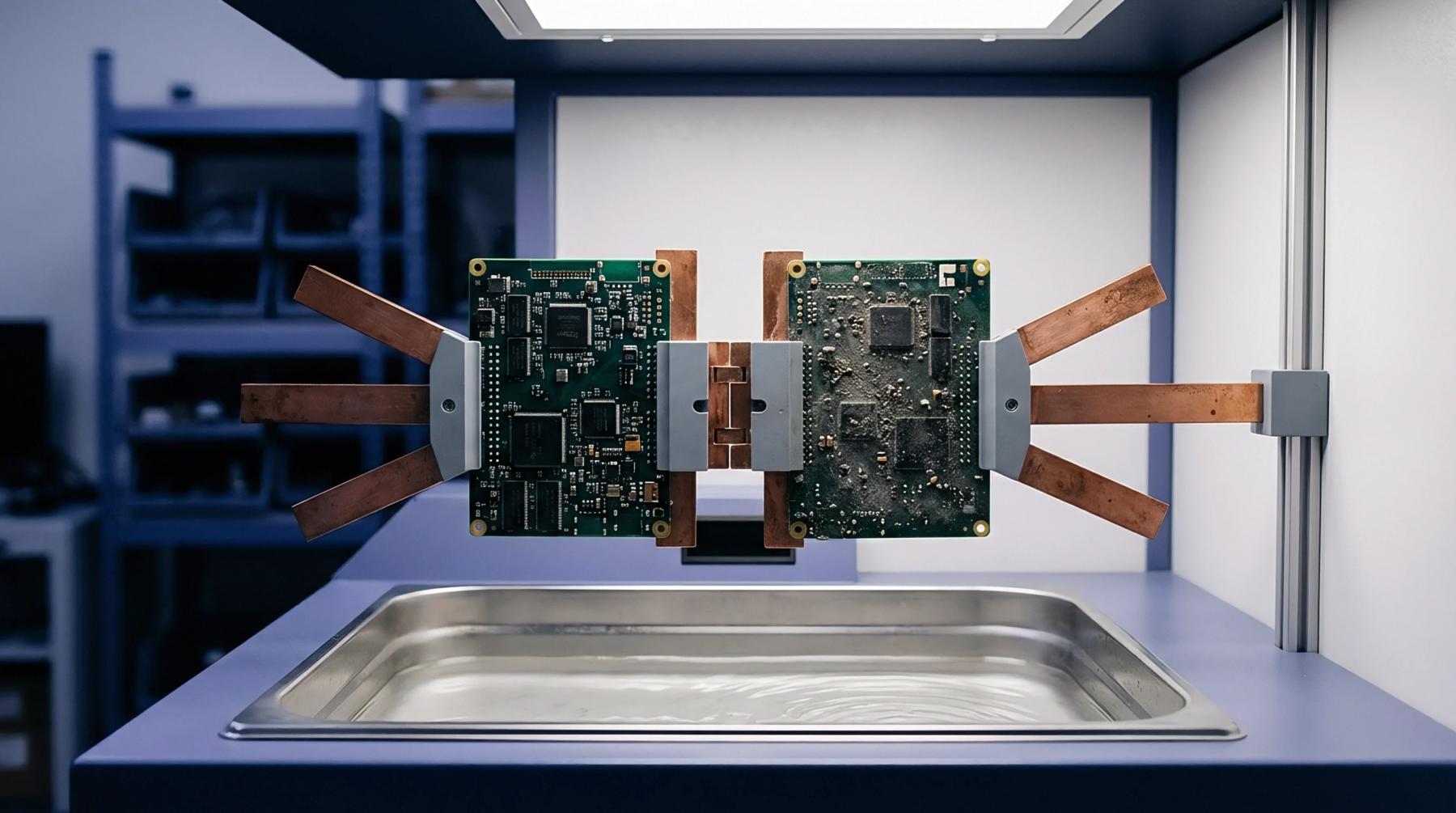
Subsurface copper filamentation across high density laminates collapses isolation resistance when residual halogen salts, absorbed moisture, and continuous bias coincide.
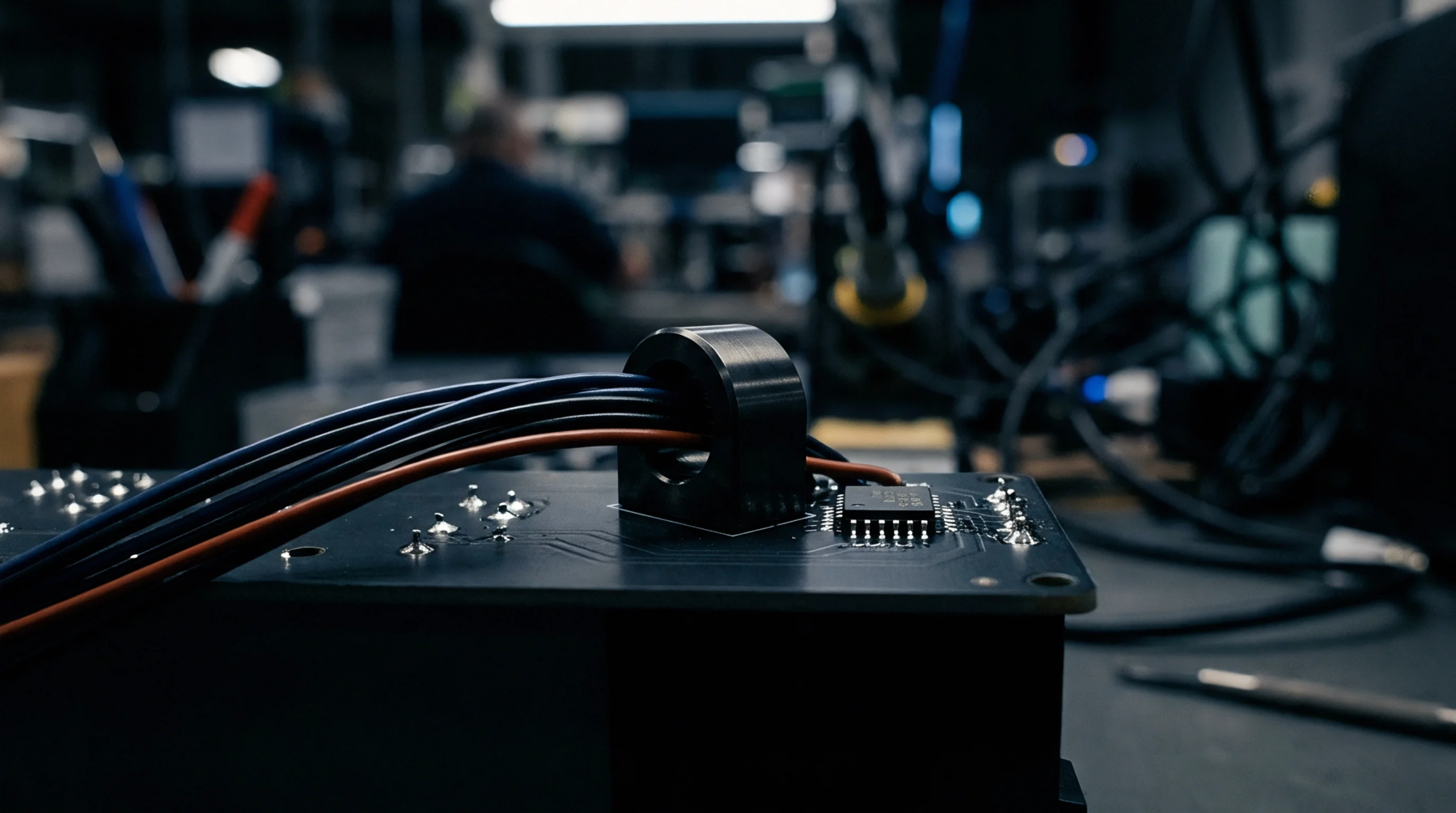
Unpopulated printed circuit boards require baseline insulation resistance exceeding ten gigaohms under direct current bias to pass IPC Class 3 delivery criteria.
Expertise is a utility, not a secret. sentiention™ publishes its working knowledge as open reference: intelligence layer covering the materials it sources, the markets it enters, and the reference that serves both.