High Reliability Requirement
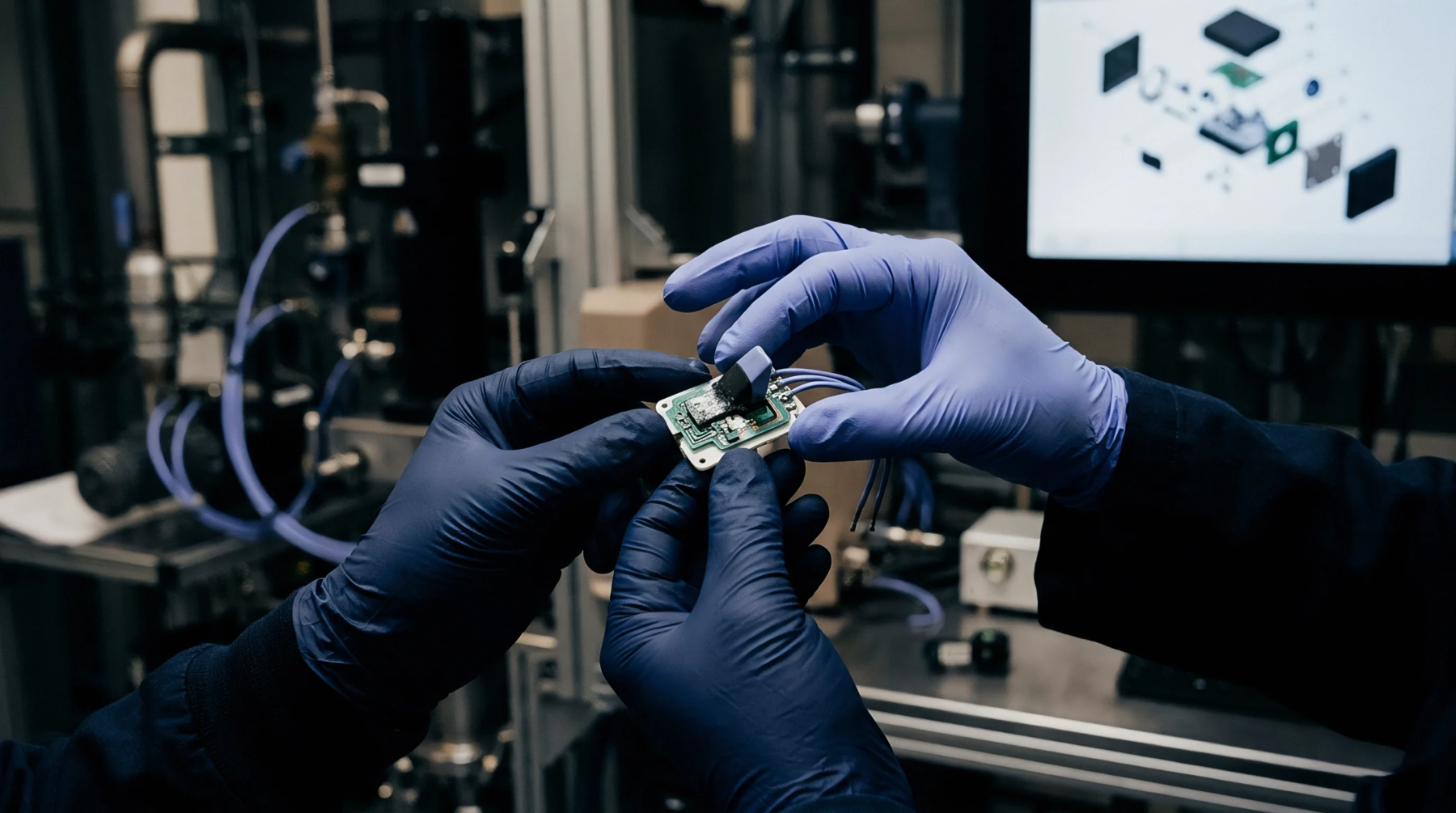
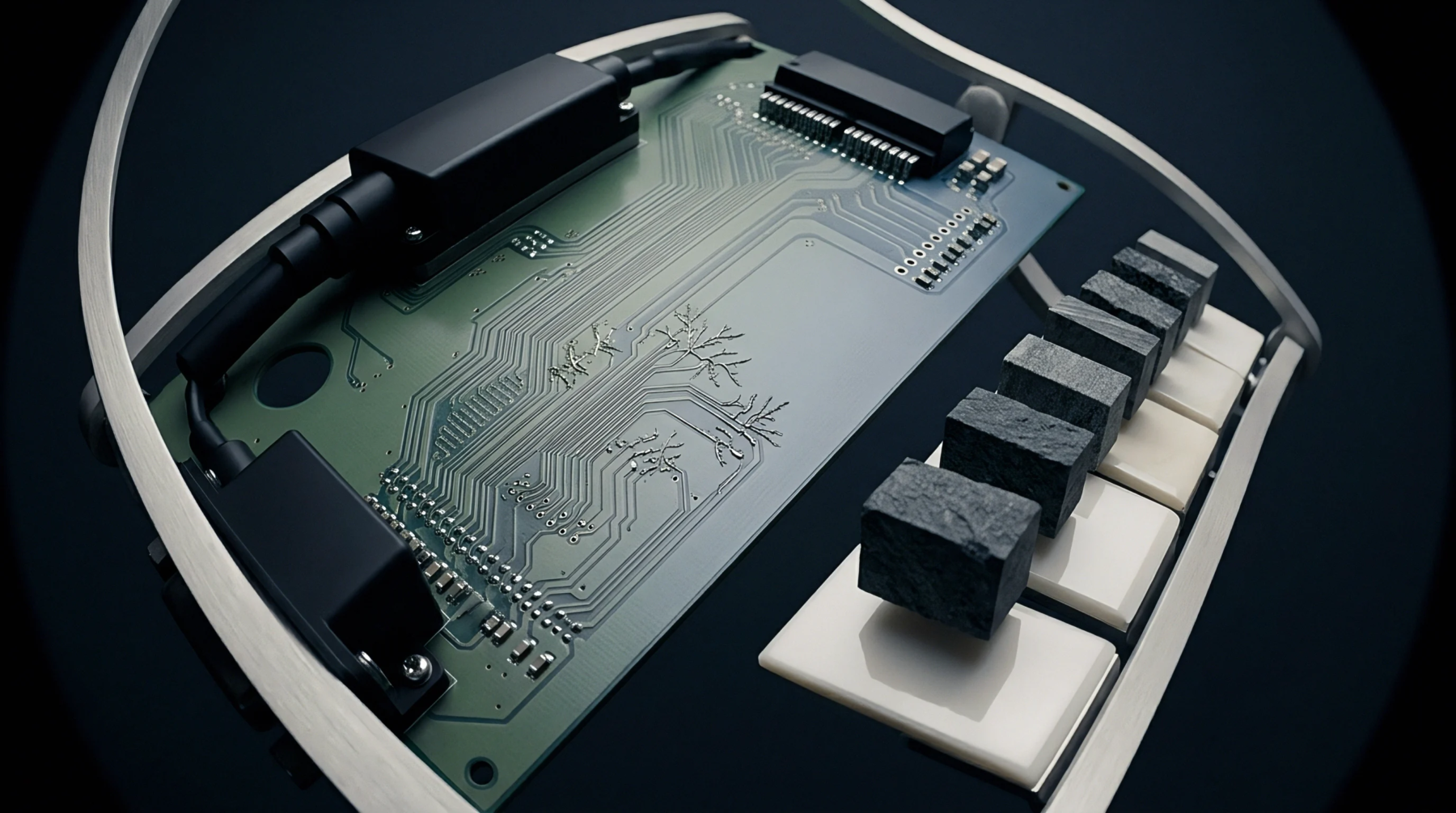
Performance criteria for electronic hardware defines strict acceptance limits for mission critical printed circuit boards where board failure or interruption of function results in danger to human life or equipment loss. Under ipc-6012 class 3, manufacturers hold responsibility for maintaining documented processes that ensure high density interconnects and complex multilayer structures meet extreme environmental and operational loads. Compliance mandates rigorous verification of copper plating thickness, hole wall integrity and registration accuracy during the fabrication phase.
The standard operates as a boundary condition for aerospace, medical life support and automotive safety modules. It terminates where consumer electronics begin, as the cost of such stringent inspection exceeds the value requirements for standard commercial gear.
Fabrication Tolerance
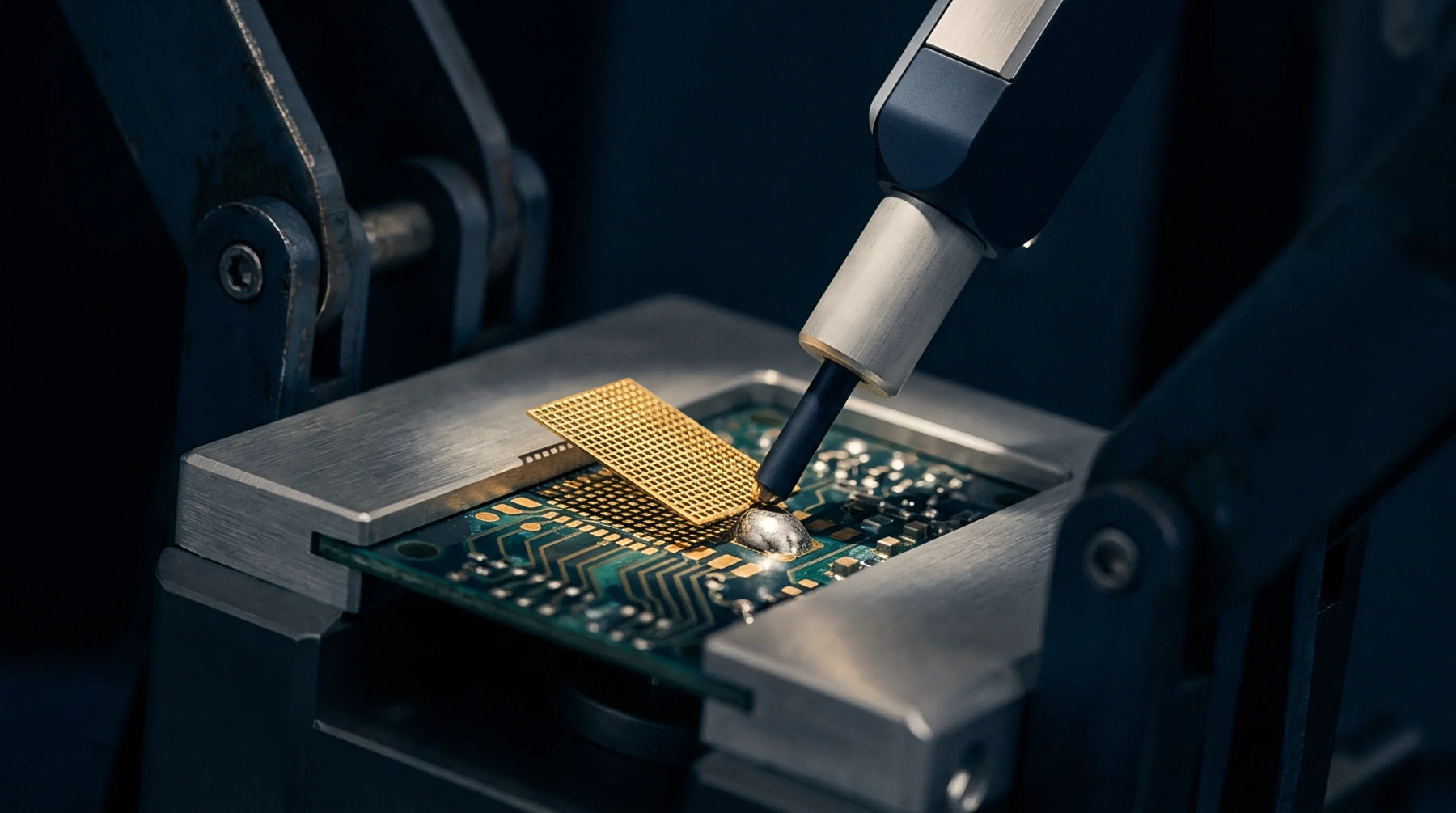
Production control shifts toward microscopic validation of structural features once a board reaches this grade. Voids in copper plating or separation at the interfaces between internal layers demand immediate rejection under these rules because thermal fatigue cycles trigger cracks in these areas. Operators measure drill registration accuracy against the actual feature size rather than the nominal design value to verify alignment remains within the specified microns.
Microsection analysis allows for the visual confirmation of intermetallic growth and void ratios inside every plated through hole. Any irregularity reaching the defined limits requires an engineering review to determine if the integrity of the conductive path remains intact for the intended service life.
Acceptance Boundary
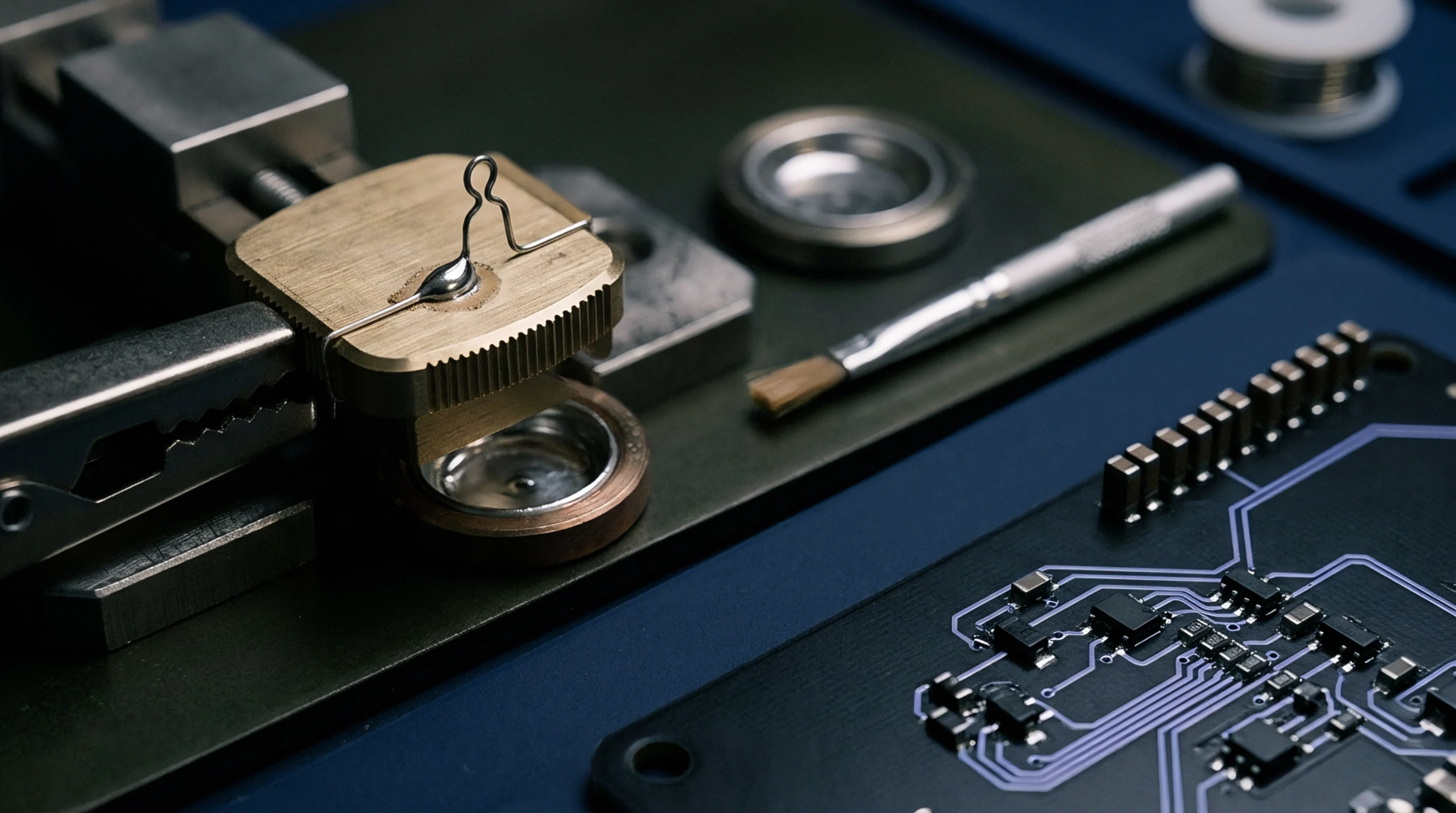
Quality inspection protocols for finished units dictate that structural defects receive no leniency regardless of board density or copper weight. Acceptance hinges on the visual and electrical assessment of every coupon and individual panel processed in a production lot. Inspectors monitor surface finish thickness against the target values to ensure consistent solderability throughout the assembly cycle.
Failure to achieve the registered value results in the complete exclusion of the entire lot from shipping inventory. Tight control over the entire manufacturing sequence guarantees that the hardware maintains its function under the specified thermal and physical stress levels.