Audit Protocol
The regulatory dossier verifying printed circuit board manufacturing compliance must be compiled before components are shipped to buyers. Technical file compliance establishes that bare board fabrication records match external safety regulations. Manufacturing departments assemble these records to demonstrate that inner layer etching and lamination parameters followed approved methods.
Verification laboratories check these assembled files against international environmental standards before mass production begins. Assemblies face rejection if documentation lacks proof that copper thickness meets design limits.
Verification Sequence
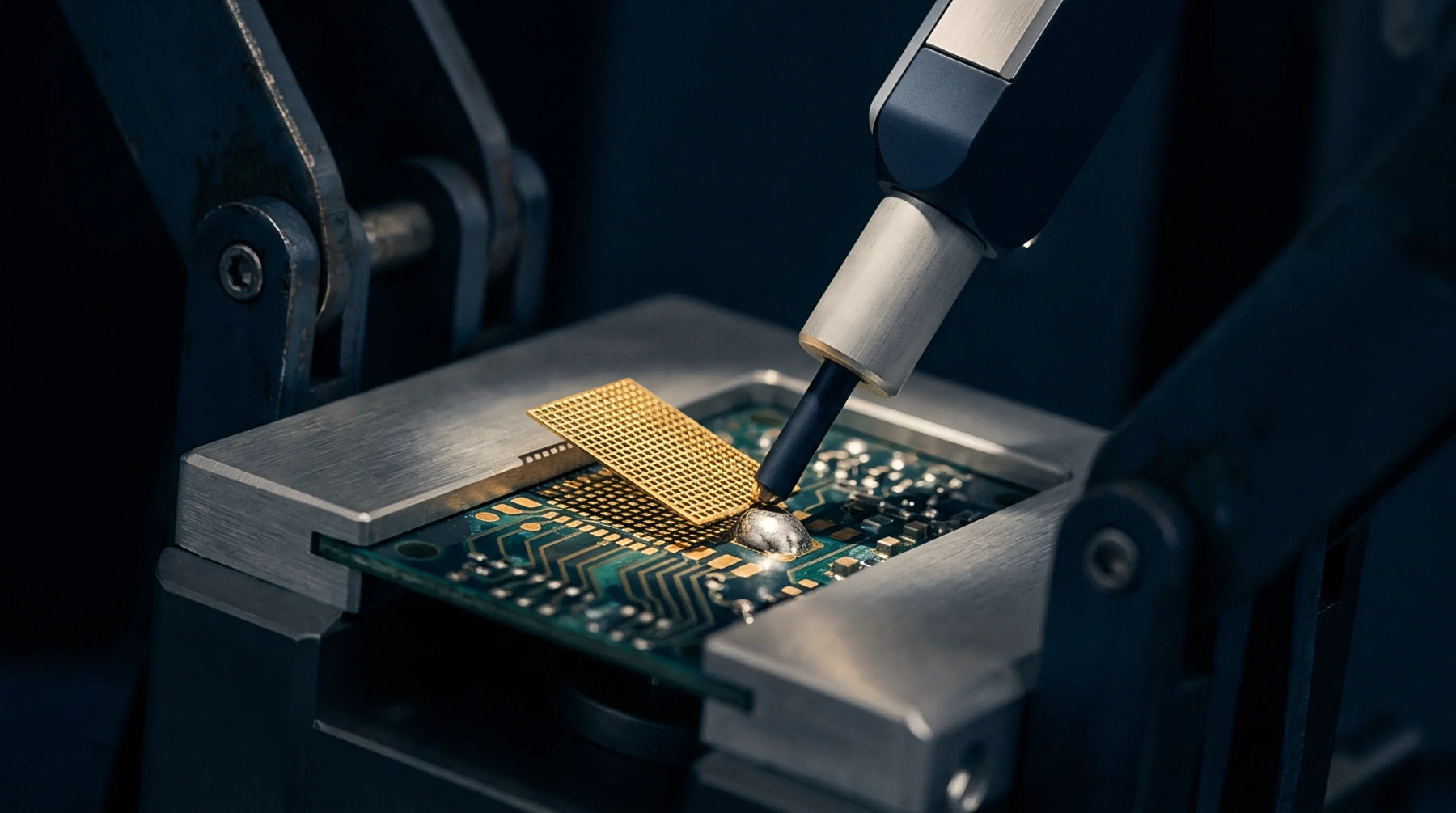
External auditors inspect documentation packages to confirm that fabrication houses maintained traceability throughout chemical etching processes. Inspectors crossreference bill of materials sheets with actual component placements on populated circuit boards during final testing. Surface mount technology lines generate machine logs that prove solder paste deposition pressures stayed within verified tolerances.
Test engineers measure impedance values on finished boards and compare those electrical readings against values stated in the design dossier. Documentation gaps halt product shipments until engineers provide updated testing certificates from certified laboratories.
Assembly Threshold
Production managers review audit outcomes to determine whether fabrication methods require immediate adjustment to prevent future solder bridging defects. Soldering temperatures recorded during reflow oven passes must align with thermal profiles stored inside the permanent quality folder. Corrective action reports close open discrepancies discovered during optical inspection stages before final packaging occurs.
Quality auditors verify that no unauthorized component substitutions occurred during circuit board population phases. Regulatory compliance protects procurement teams from liability when assembled electronics fail operational testing in demanding environments.