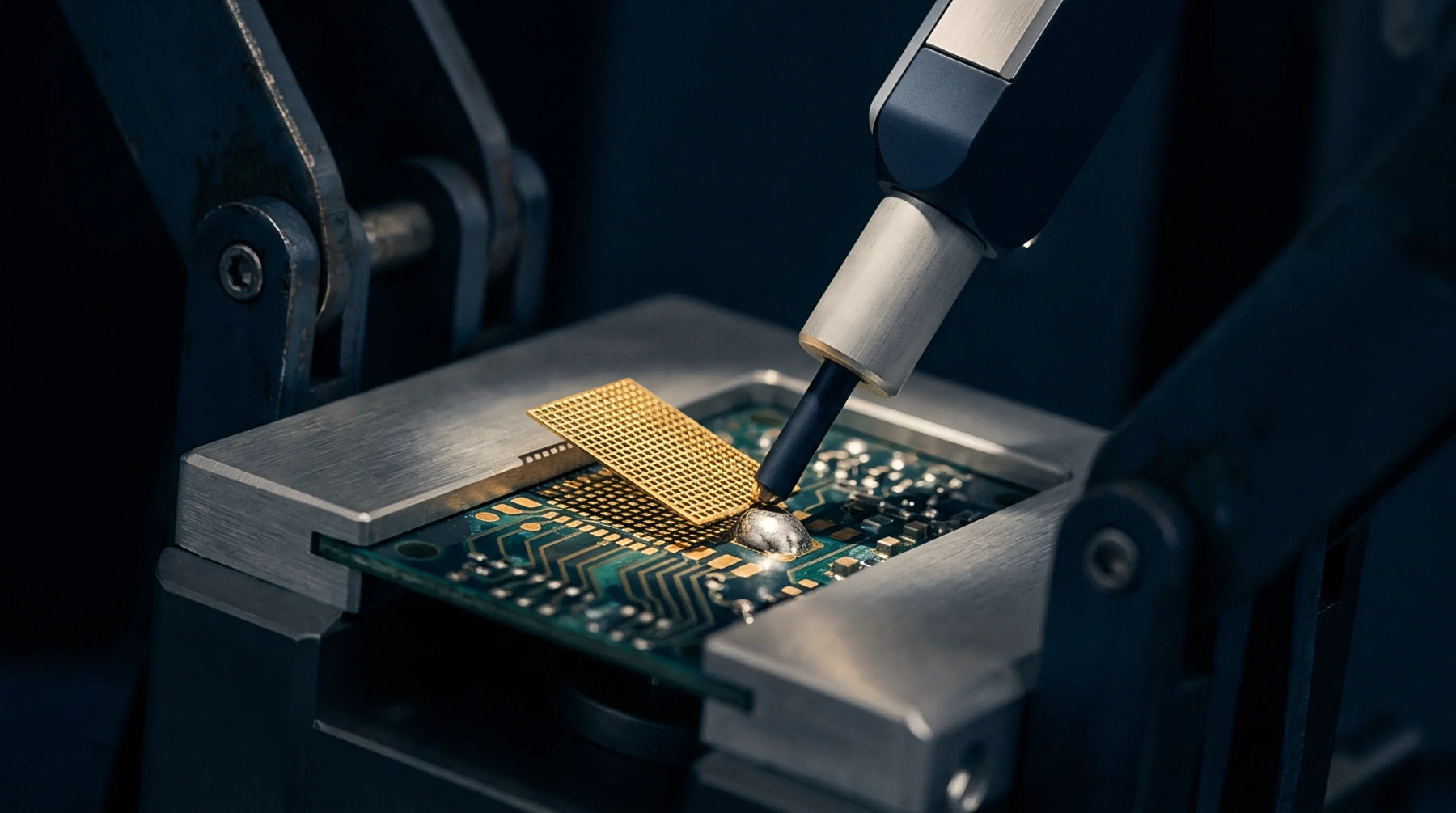
Discharge Monitoring
High-voltage test systems identify localized dielectric breakdowns by monitoring sub-microsecond current fluctuations across insulating barriers. Implementing micro-arcing detection allows manufacturers to find hidden faults in substrate layers that conventional resistance tests bypass. This sensitivity catches conductive anodic filaments and moisture entrapment before the boards are released to assembly.
Transient Analysis
Signal monitoring circuits track rapid voltage drops and high-frequency noise that signal the onset of localized electrical breakdown. During the test, a high voltage is applied across adjacent nets while the sensor watches for transient discharges below the threshold of a full short circuit. Because these microsecond discharges occur across tiny pockets of contamination or within delaminated board regions, they often indicate early wear-out mechanisms.
By analyzing the wave shape of the discharge, the detection system differentiates between harmless capacitive charging currents and genuine insulation defects that threaten long-term board survival.
Defect Isolation
Locating these failure points prevents the assembly of boards that would otherwise fail under field conditions. Advanced test software records the coordinates of the net pairs associated with the high-frequency discharge to guide manual inspection or laser repair. This early screening process maintains assembly yield by filtering out defective substrates before they receive expensive silicon chips.