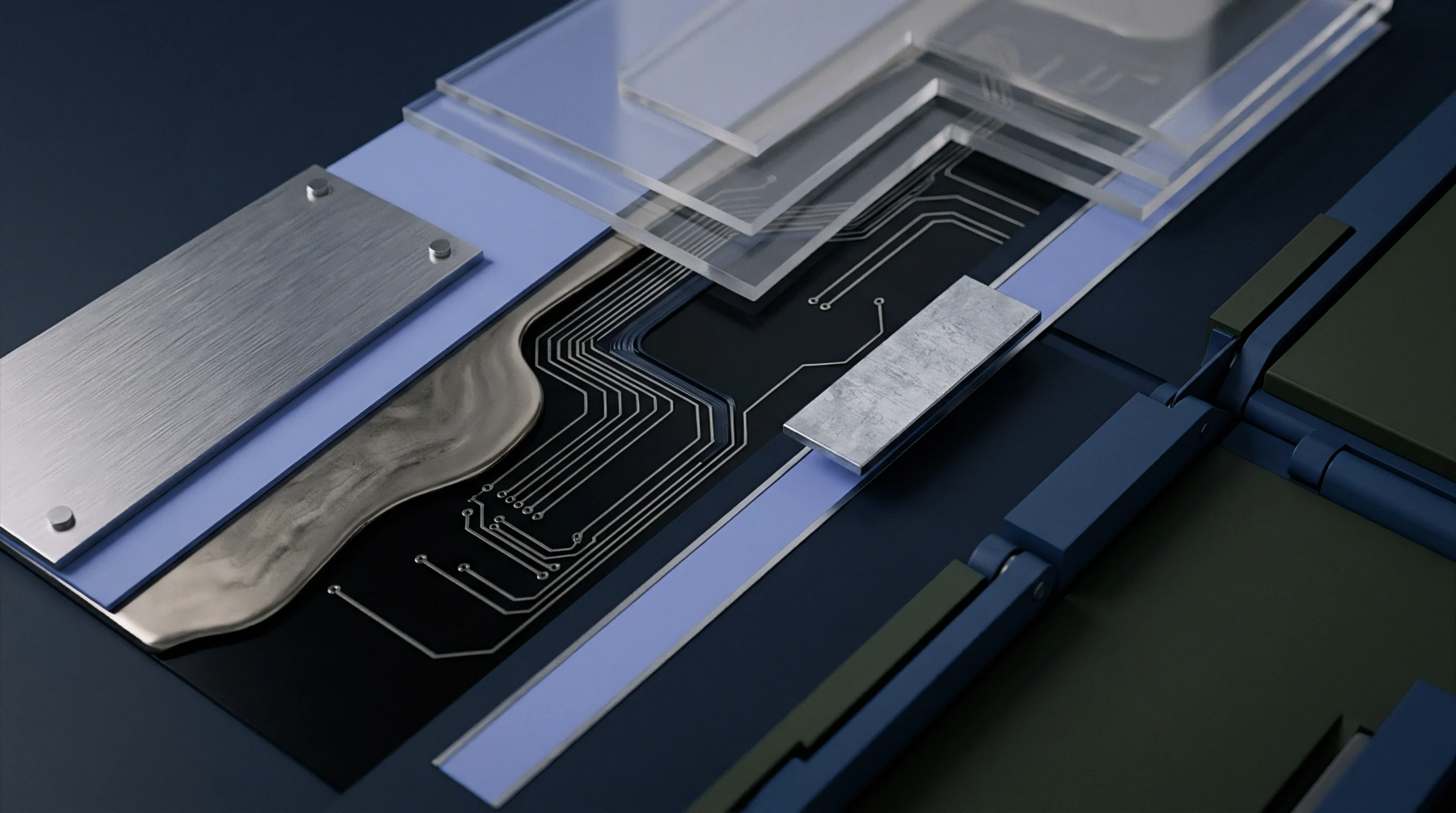
Microvia Plating Fatigue under Thermal Cycling
Microvia plating fatigue under thermal cycling stems from z-axis CTE mismatch, requiring ductile copper plating and continuous resistance monitoring to prevent field failures.
Microvia plating fatigue under thermal cycling stems from z-axis CTE mismatch, requiring ductile copper plating and continuous resistance monitoring to prevent field failures.

Microvia target pad interfacial shear displacement stems from CTE mismatch during thermal shock, demanding tight lamination control to prevent failure.
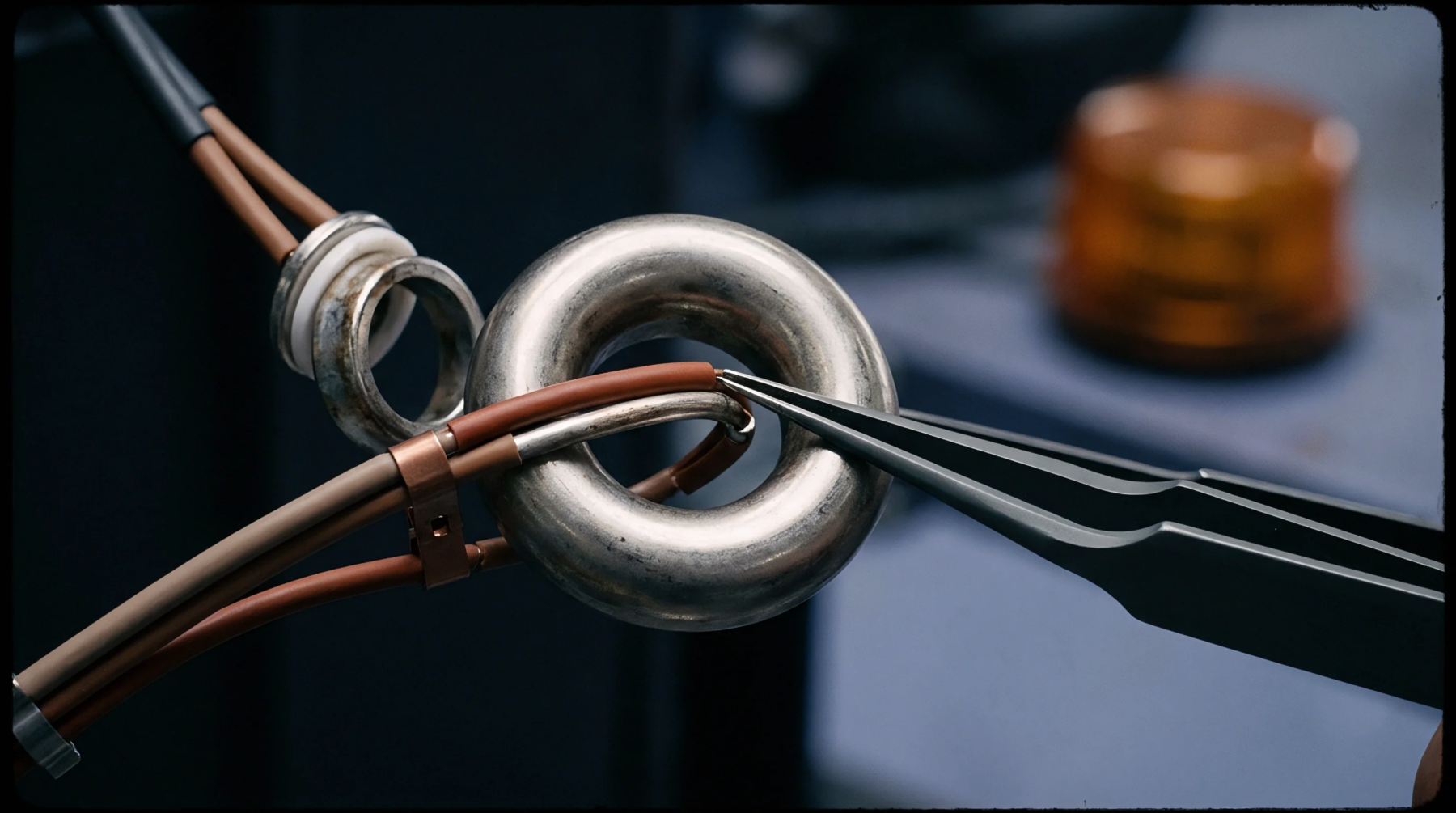
Heterogeneous core lamination requires synchronized thermal ramps to align flow windows and prevent resin phase extraction along substrate interfaces.
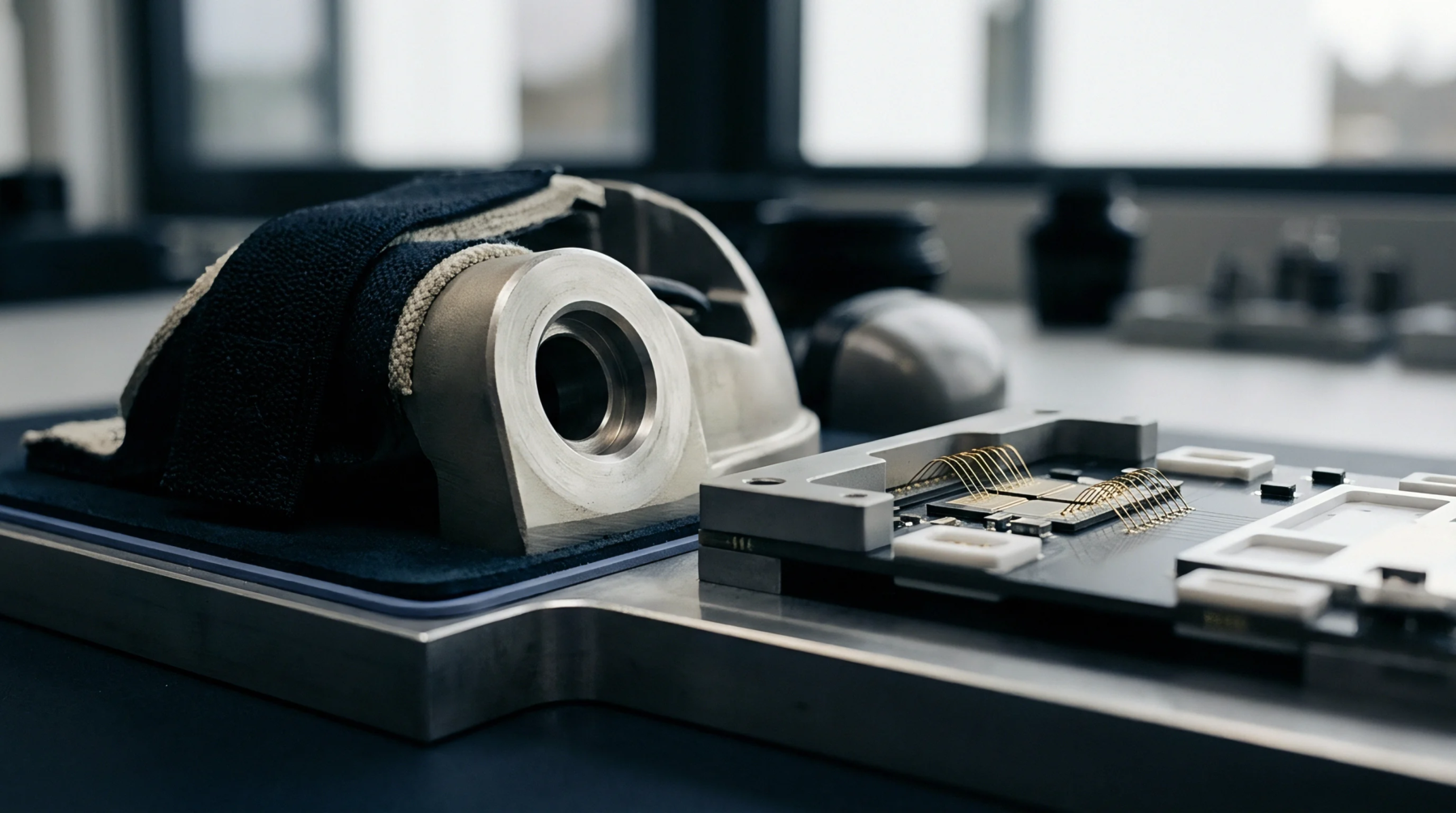
Microvia interface mechanics dictate that thermal cycling drives out-of-plane dielectric expansion, inducing shear failure at contaminated target pad boundaries.
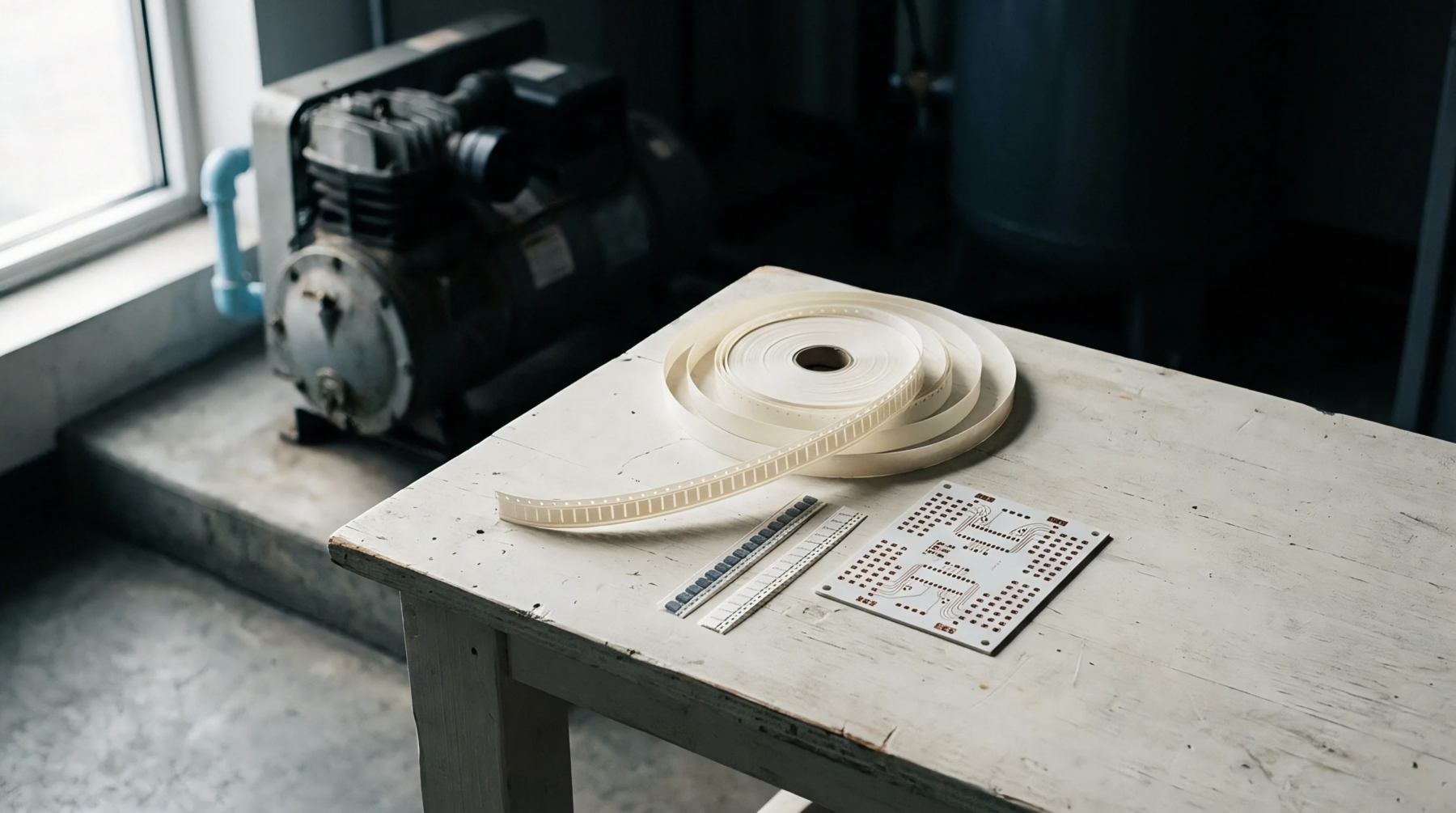
Continuous high-speed Kelvin monitoring during rapid thermal cycling isolates latent target pad separations that re-nest and pass static ambient tests.
Moving from four to six layers adds 30 to 55 percent to bare board cost through double core usage, lamination press overhead, and tighter registration yields.
Expertise is a utility, not a secret. sentiention™ publishes its working knowledge as open reference: intelligence layer covering the materials it sources, the markets it enters, and the reference that serves both.