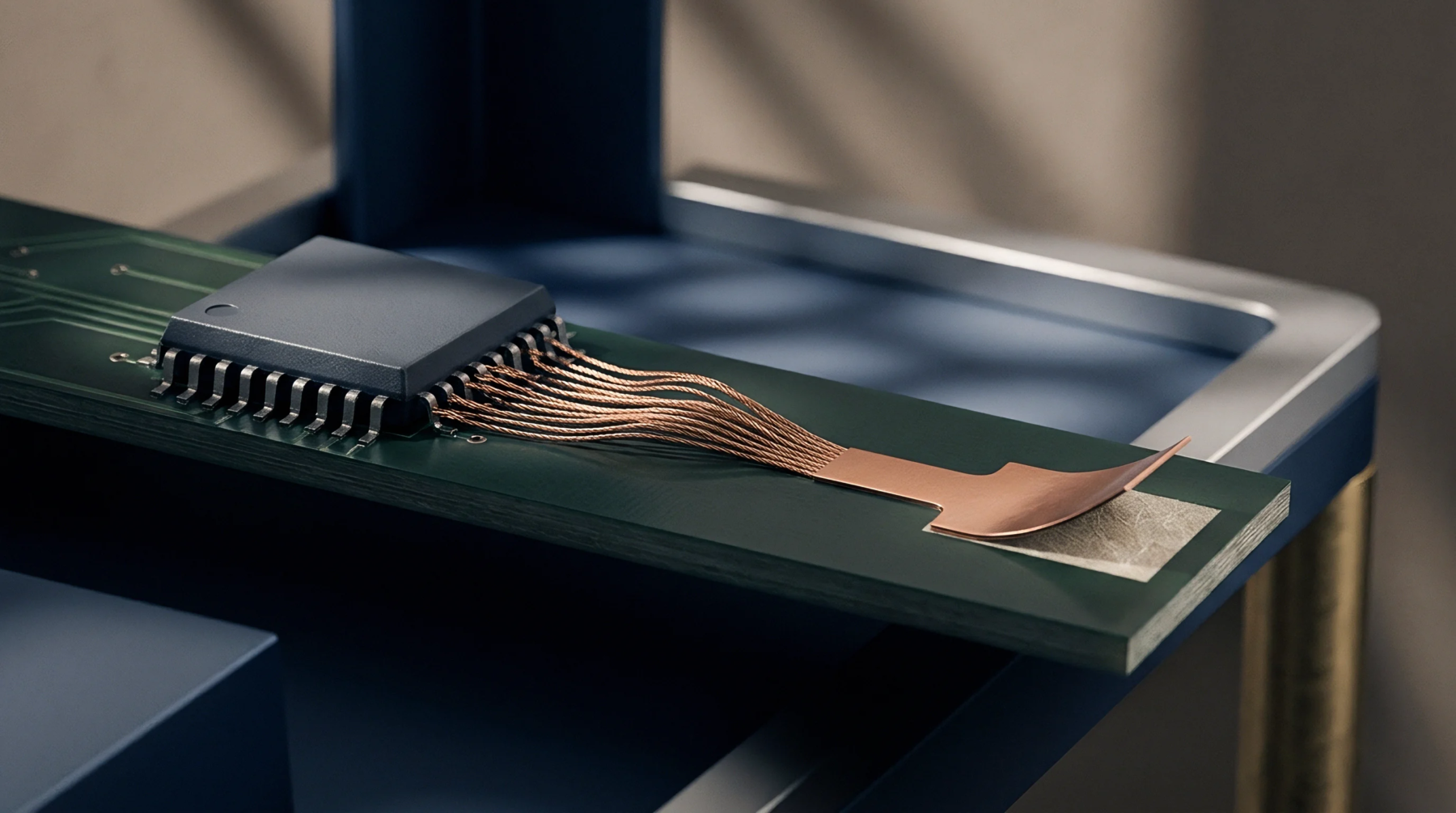
High Shear Squeeze Flow Analysis in Microvia Substrate Lamination
High shear squeeze flow during substrate lamination forces shear thinning in prepreg resin, enabling complete microvia cavity fill before gelation locks the network.
High shear squeeze flow during substrate lamination forces shear thinning in prepreg resin, enabling complete microvia cavity fill before gelation locks the network.
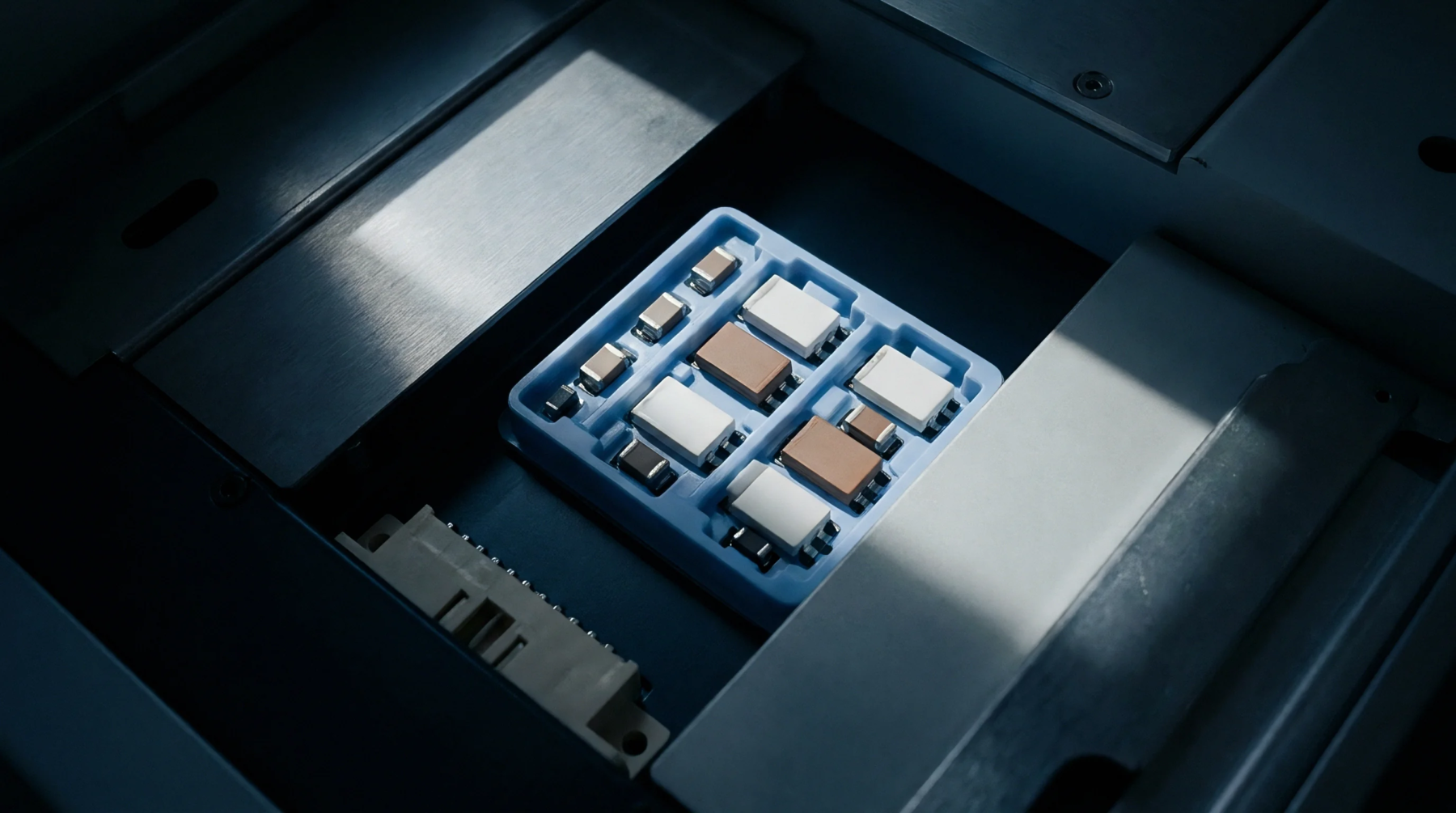
Staging hydraulic lamination pressure and damping heating rates above dynamic viscosity minimums prevents hydrodynamic resin shear from displacing heavy copper inner conductors.
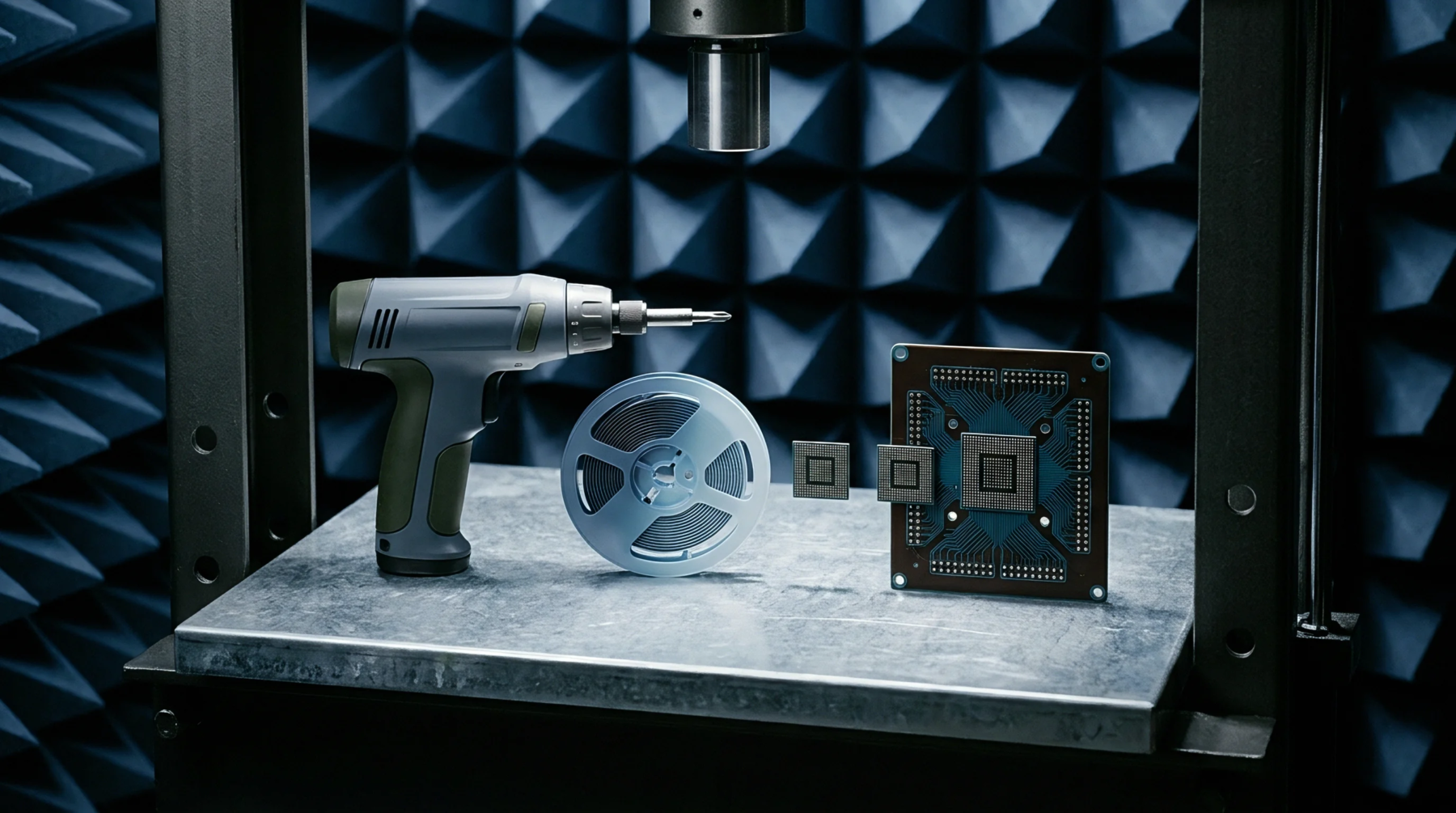
Asymmetric ultra-low-loss stackups shift the neutral axis and concentrate reflow shear strain at copper boundaries, requiring aspect ratios under 10:1 to protect barrel fatigue life.
Dense smooth foil stackups require synchronized vacuum press cycles and high-resin fine-glass prepregs to prevent micro-cavity voids and dielectric starvation.
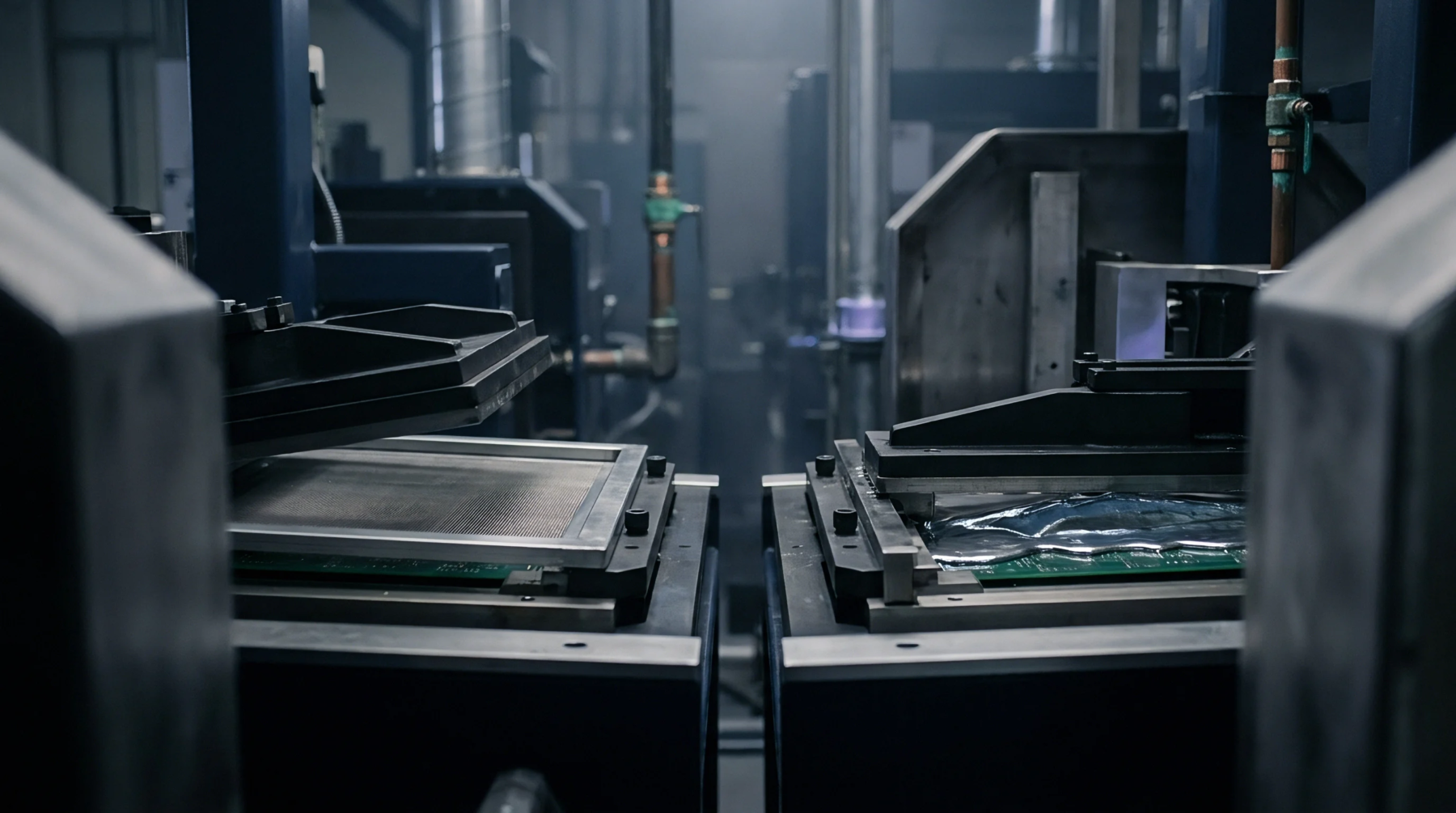
Standard IPC coupons placed along panel waste borders verify plating, registration, and impedance without consuming functional board surface area.
Microvia target pad interfacial shear displacement stems from CTE mismatch during thermal shock, demanding tight lamination control to prevent failure.
Sub-0.15mm microvia target pad interface fatigue scales nonlinearly with z-axis CTE mismatch and target pad offset, demanding thick base copper and equiaxed plating.
Calculate usable circuits per master production panel and subtract outer border clearances before negotiating bare board unit prices with fabricators.
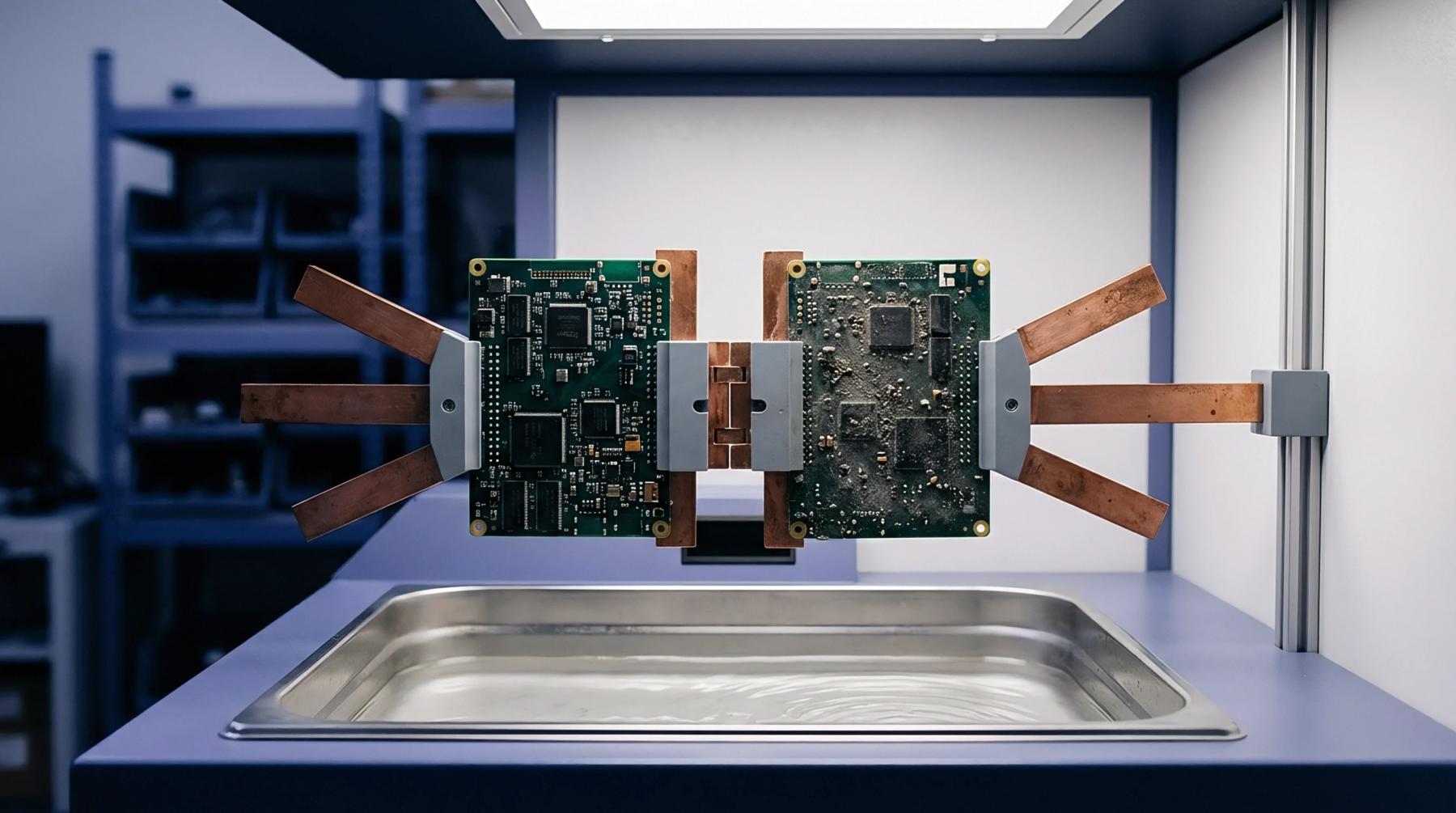
Dynamic thermal stress screening using micro-ohm glitch detection isolates latent intermittent microcracks in high-density multilayer substrates before release.
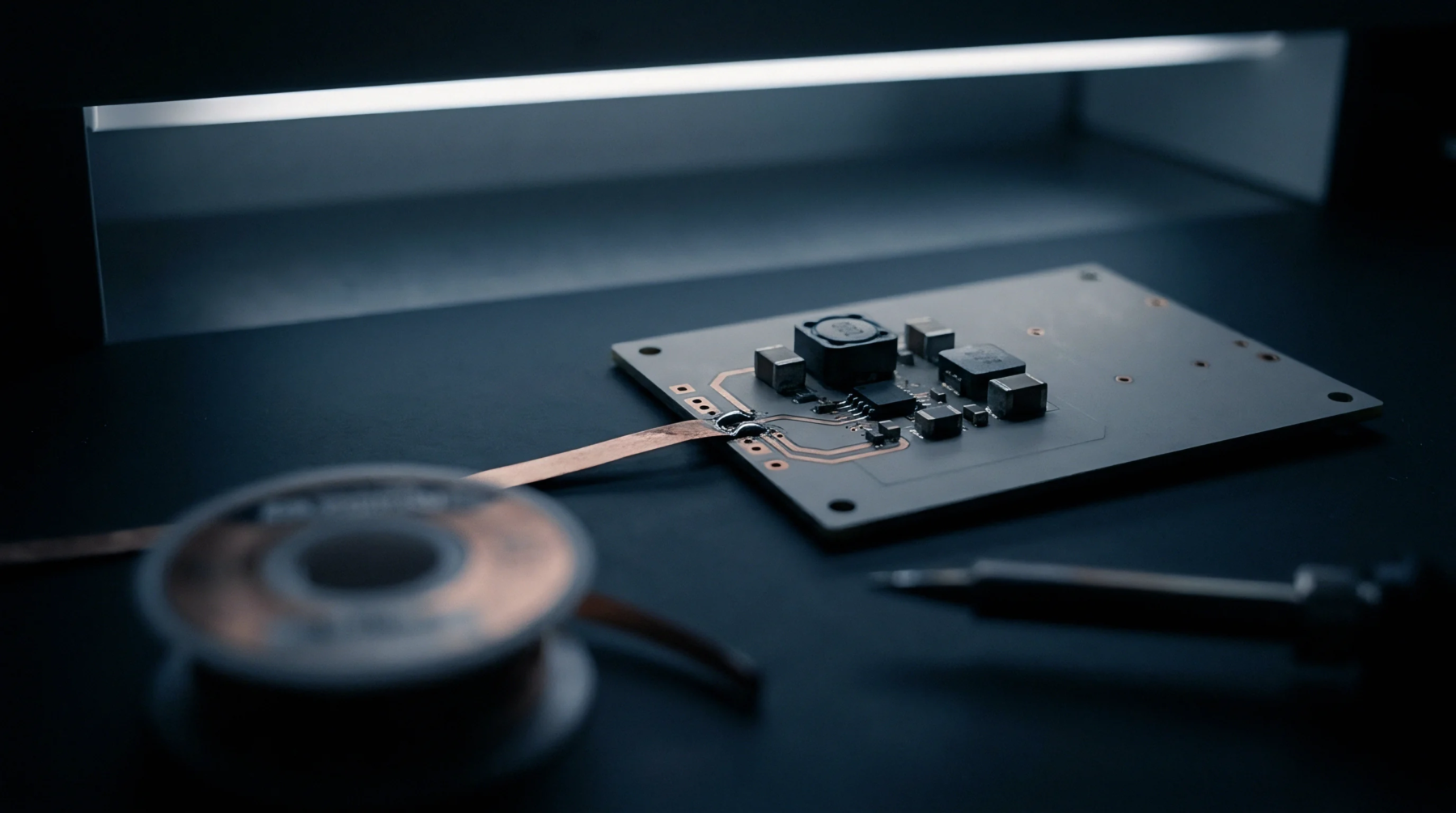
Microvia aspect ratios capped at 0.75:1 with optimized acid copper throwing power deliver maximum plating yield and thermomechanical reliability in HDI stackups.
Balanced inner layer copper thieving mitigates thermal lamination shift by equalizing dynamic resin flow pressures and mechanical strains during press cycles.
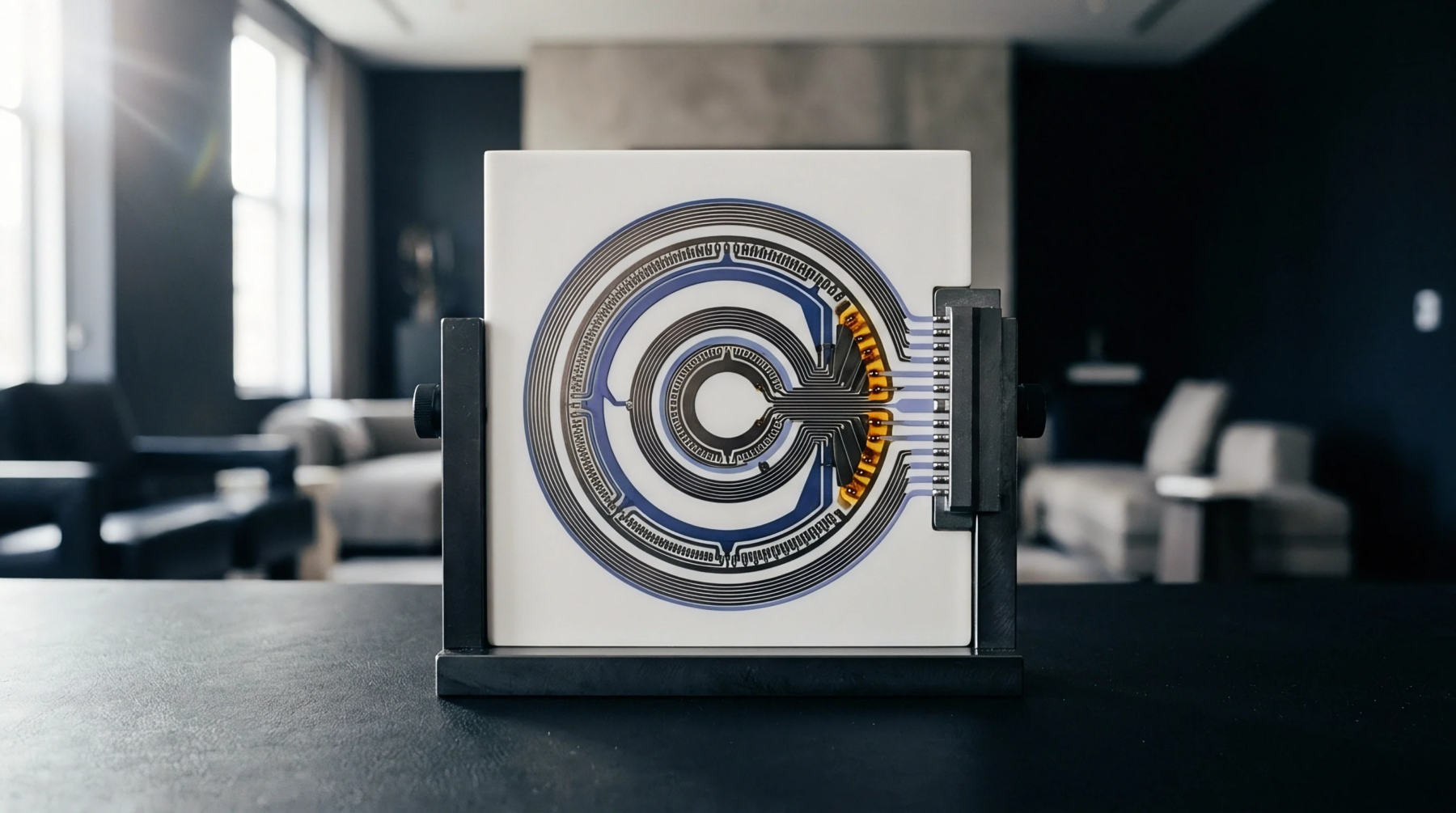
Optimizing hybrid board fabrication requires balancing thermal ramp rates, dual-gas plasma desmear, and pinless registration to eliminate delamination.
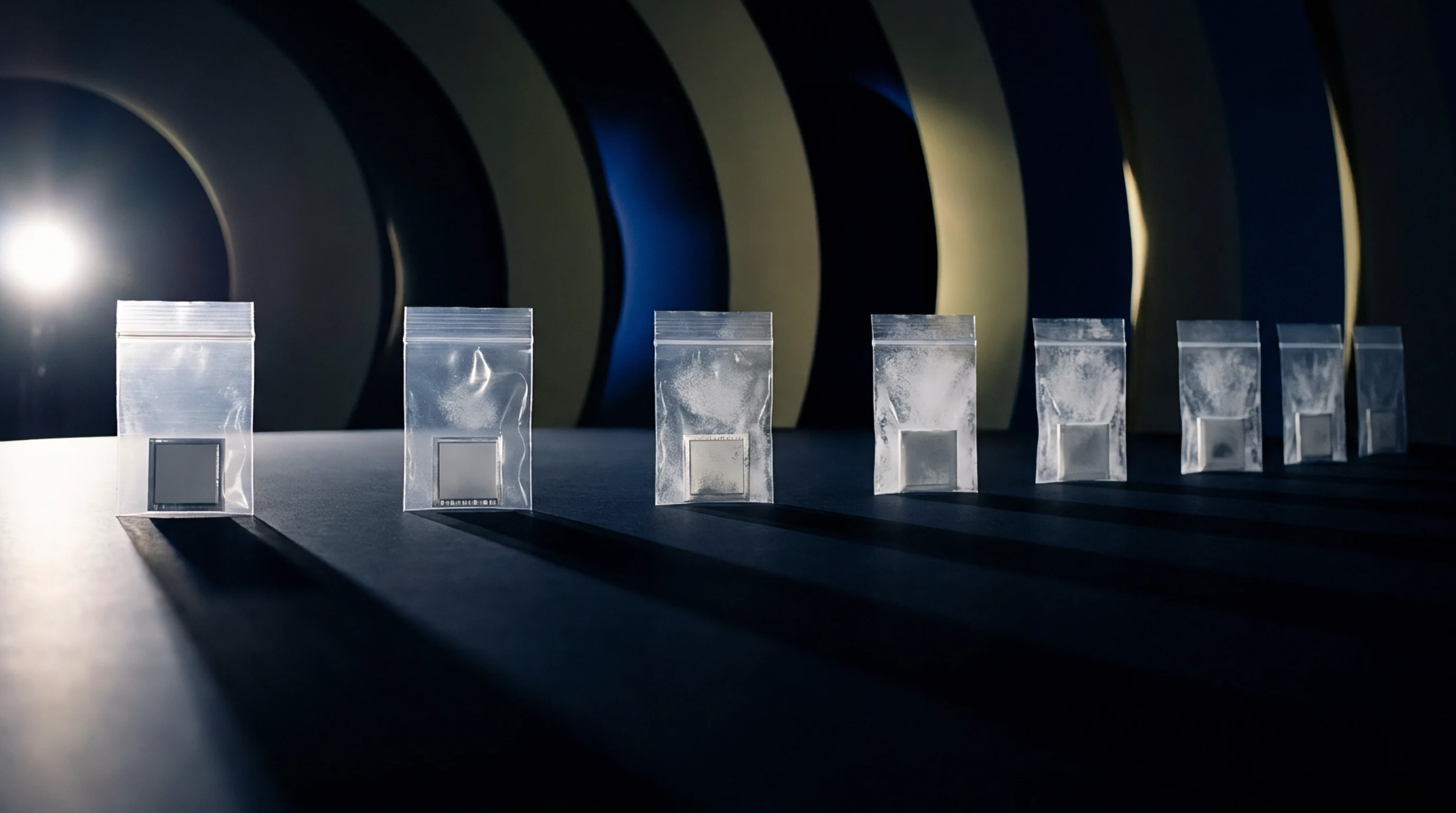
Correlating micro-ohmic resistance drift in thermal stress coupons with microsection defect rates isolates latent inner layer post separation before assembly.

Off-axis artwork rotation increases gross panel utilization on paper but degrades true net commercial yield through anisotropic lamination twist and registration scrap.
Spatial dielectric variation in glass laminates stems from weave periodicity and drives phase skew, requiring spread glass or angled routing to pass tight jitter budgets.
Specifying staggered microvias and single-press HDI stackups preserves multi-vendor competition while cutting panel scrap costs.
Expertise is a utility, not a secret. sentiention™ publishes its working knowledge as open reference: intelligence layer covering the materials it sources, the markets it enters, and the reference that serves both.