Clamped Stripline Resonator Method for High Frequency Dielectric Characterization
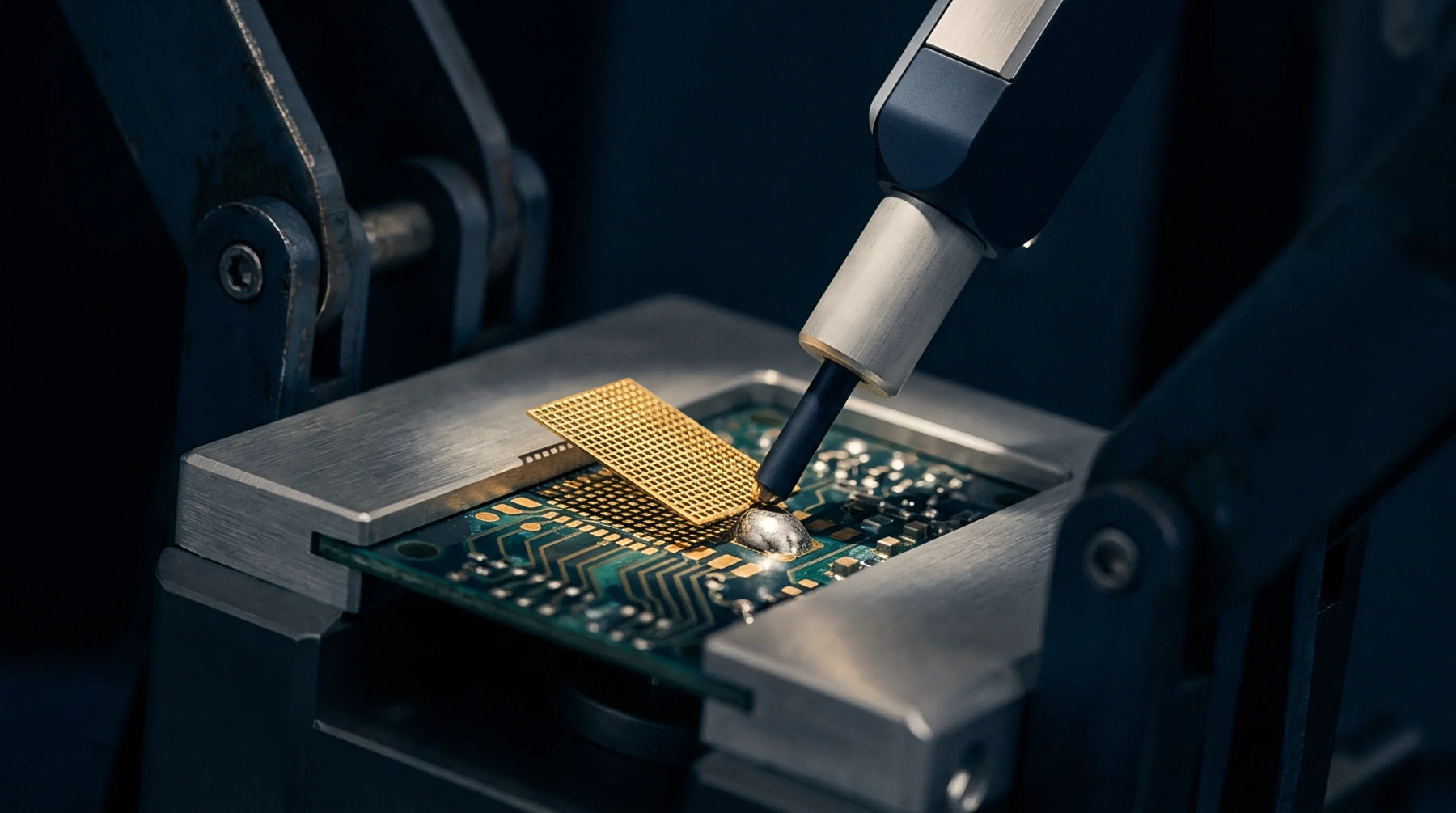
Clamped stripline resonators extract out-of-plane permittivity and loss tangent up to 10 GHz by measuring resonant modes of unclad dielectric sheets under pressure.
Clamped stripline resonators extract out-of-plane permittivity and loss tangent up to 10 GHz by measuring resonant modes of unclad dielectric sheets under pressure.
Glass reinforcement drives in-plane permittivity up to fifteen percent above out-of-plane values, demanding dual-axis coupon extraction for RF designs.
Matrix thermal permittivity drift alters RF phase velocity and impedance, demanding ceramic-filled low-TcDk laminates for thermally stable millimeter-wave designs.
Managing anisotropic permittivity and glass weave dispersion prevents timing jitter and intra-pair phase skew in gigabit differential interconnects.
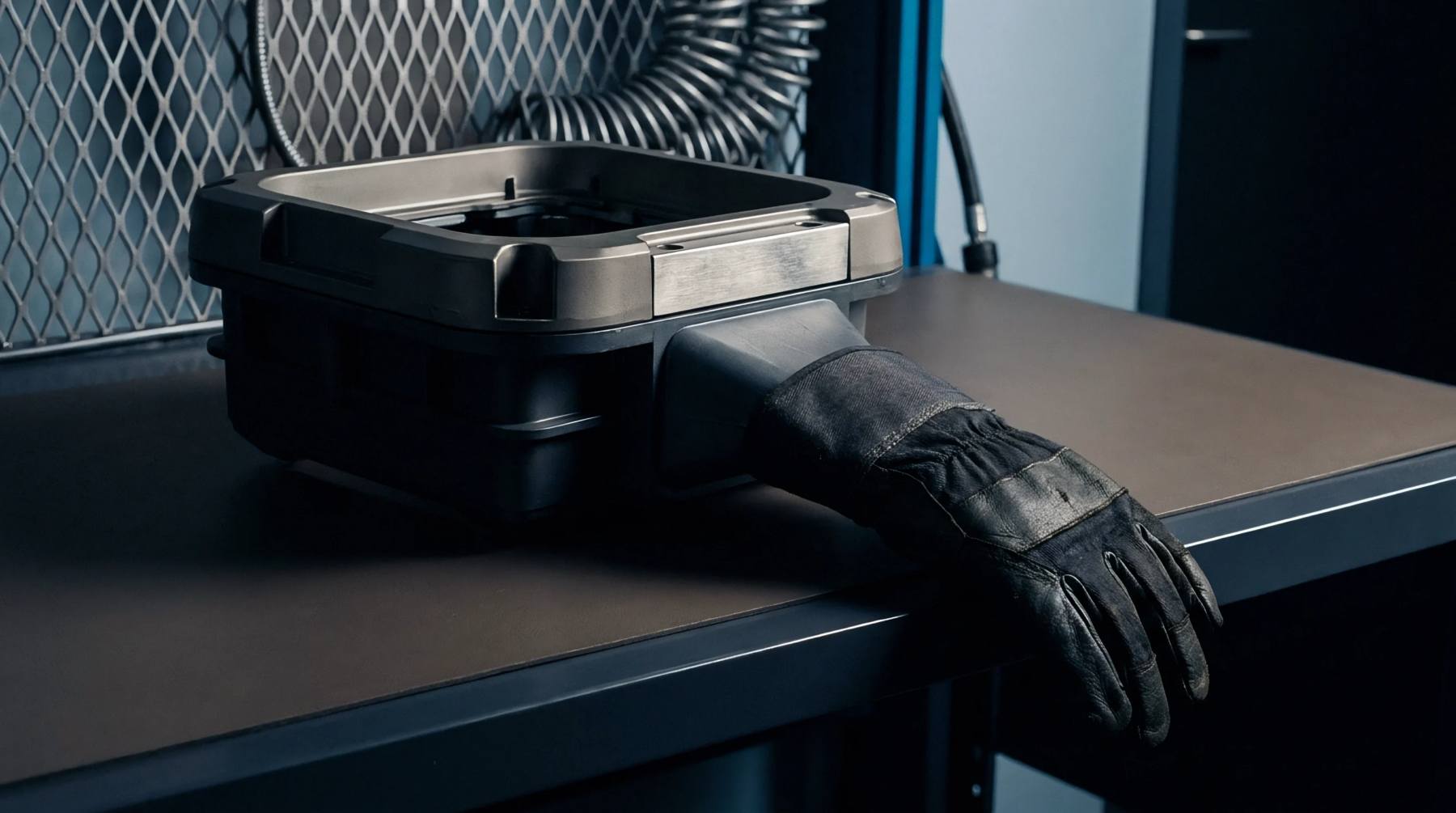
Selecting mechanically flattened spread glass styles like 1067 or 1078 eliminates dielectric pitch gaps and keeps high-speed differential skew below 2 ps/inch.
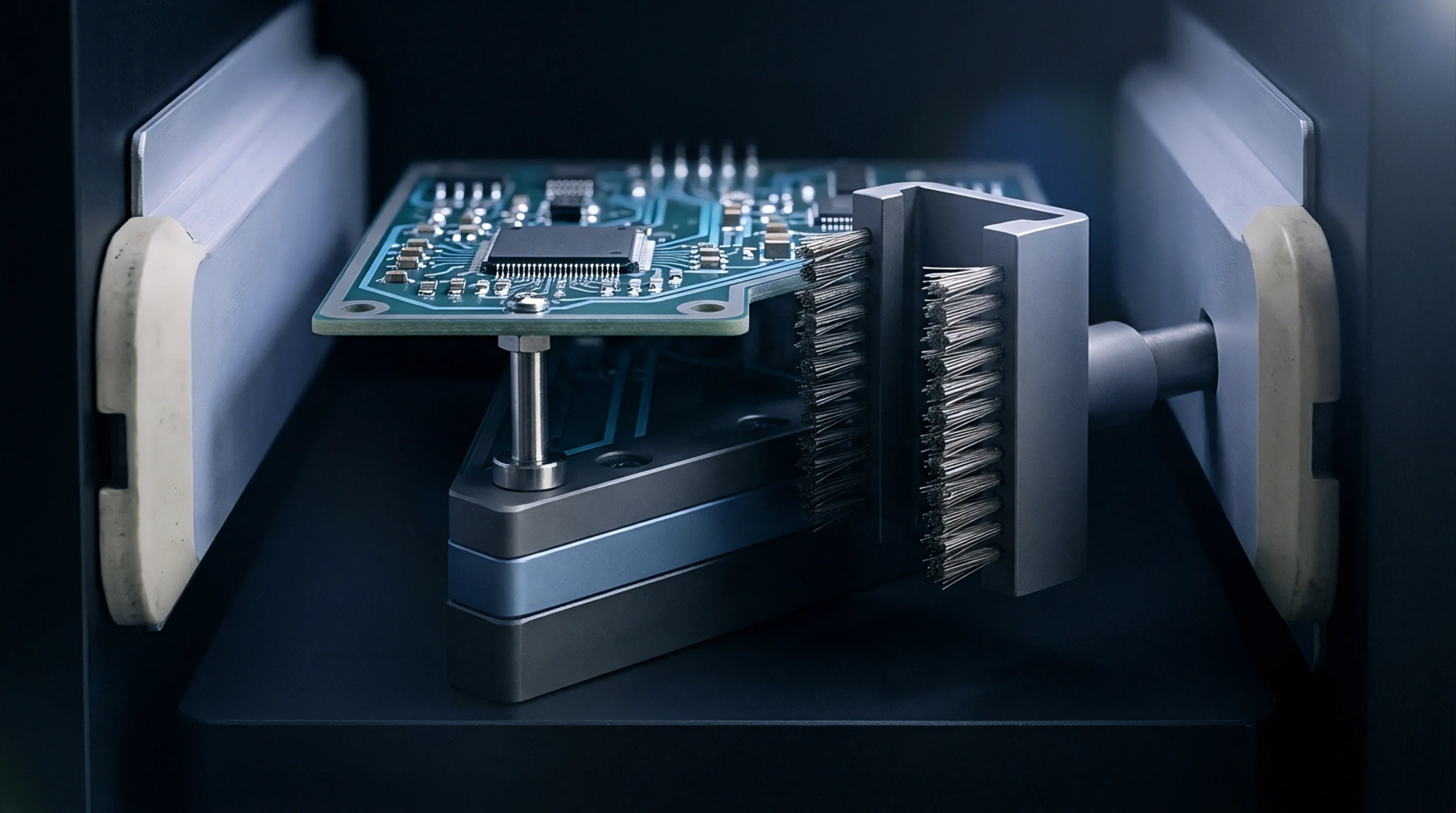
Split post cavity resonance measures in-plane substrate permittivity; z-axis core corrections prevent multi-ohm stripline impedance errors on woven glass panels.
Lead-free reflow shifts substrate permittivity by altering free volume and desorbing moisture, changing line impedance by up to 2.5 ohms on high-speed traces.
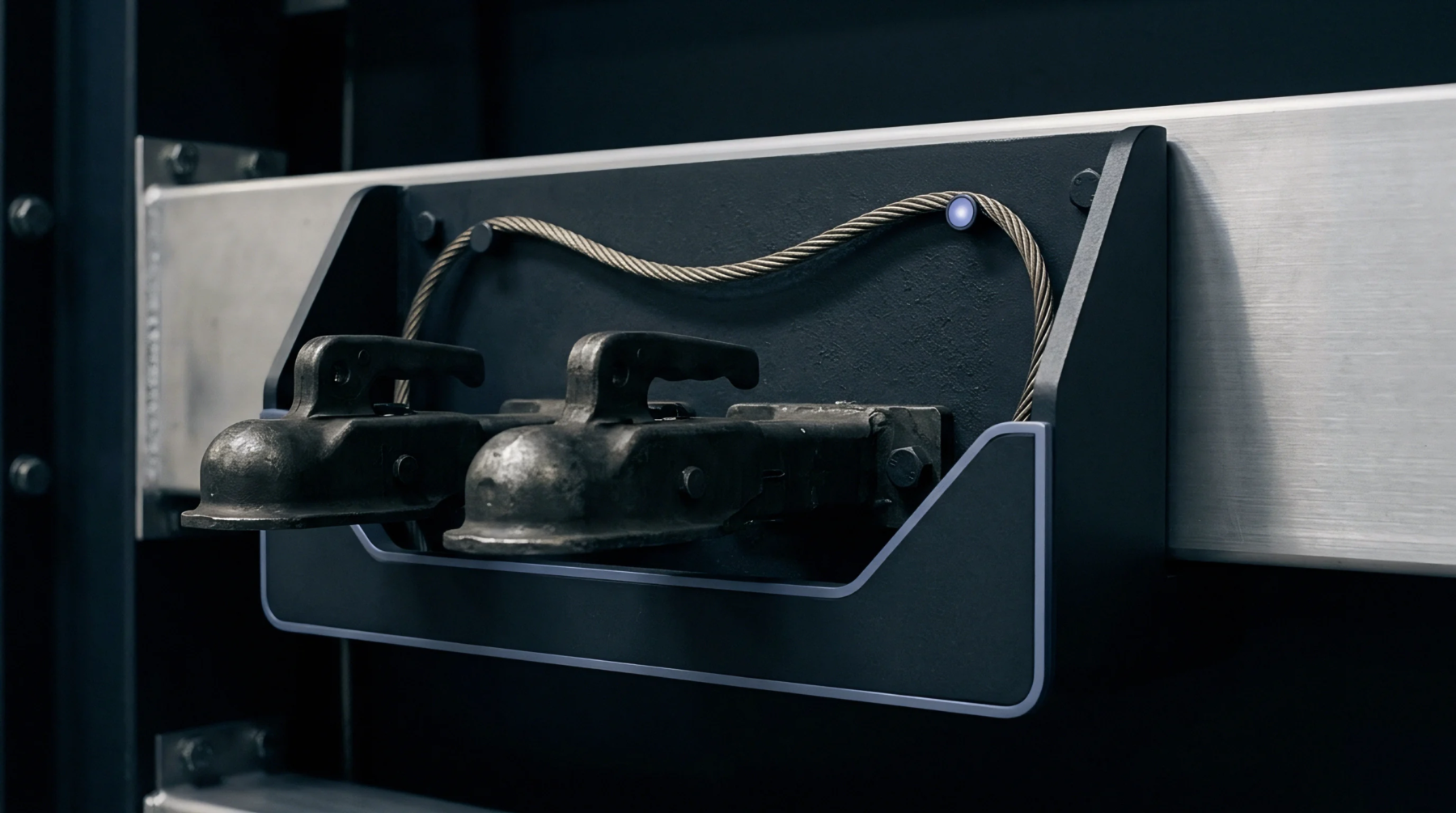
Air gap corrections eliminate systematic two to six percent dielectric underestimation in clamped stripline tests, preventing finished board impedance failures.
Selecting spread glass fabric styles with tight yarn pitch eliminates differential skew and preserves PAM4 channel margins without complex trace routing.
Clamped stripline measurements extract true in-plane dielectric permittivity when analytical models eliminate air gap capacitance errors.
Out-of-plane permittivity in glass-reinforced multilayer stackups runs lower than datasheet figures, requiring Z-axis test methods to hold impedance.
Spread glass prepregs suppress localized permittivity fluctuations on surface microstrips, cutting intra-pair differential phase skew below 1 ps/100mm.
Multilayer directional permittivity variance causes stripline capacitance shifts that must be corrected by modeling in-plane and out-of-plane dielectric constants separately.
Directional dielectric permittivity variance in multilayer laminates requires evaluating in-plane and out-of-plane Dk tensors to prevent impedance errors.
Select spread-glass prepreg and extract dielectric constants from TRL transmission line measurements to eliminate weave skew and impedance errors.
Expertise is a utility, not a secret. sentiention™ publishes its working knowledge as open reference: intelligence layer covering the materials it sources, the markets it enters, and the reference that serves both.