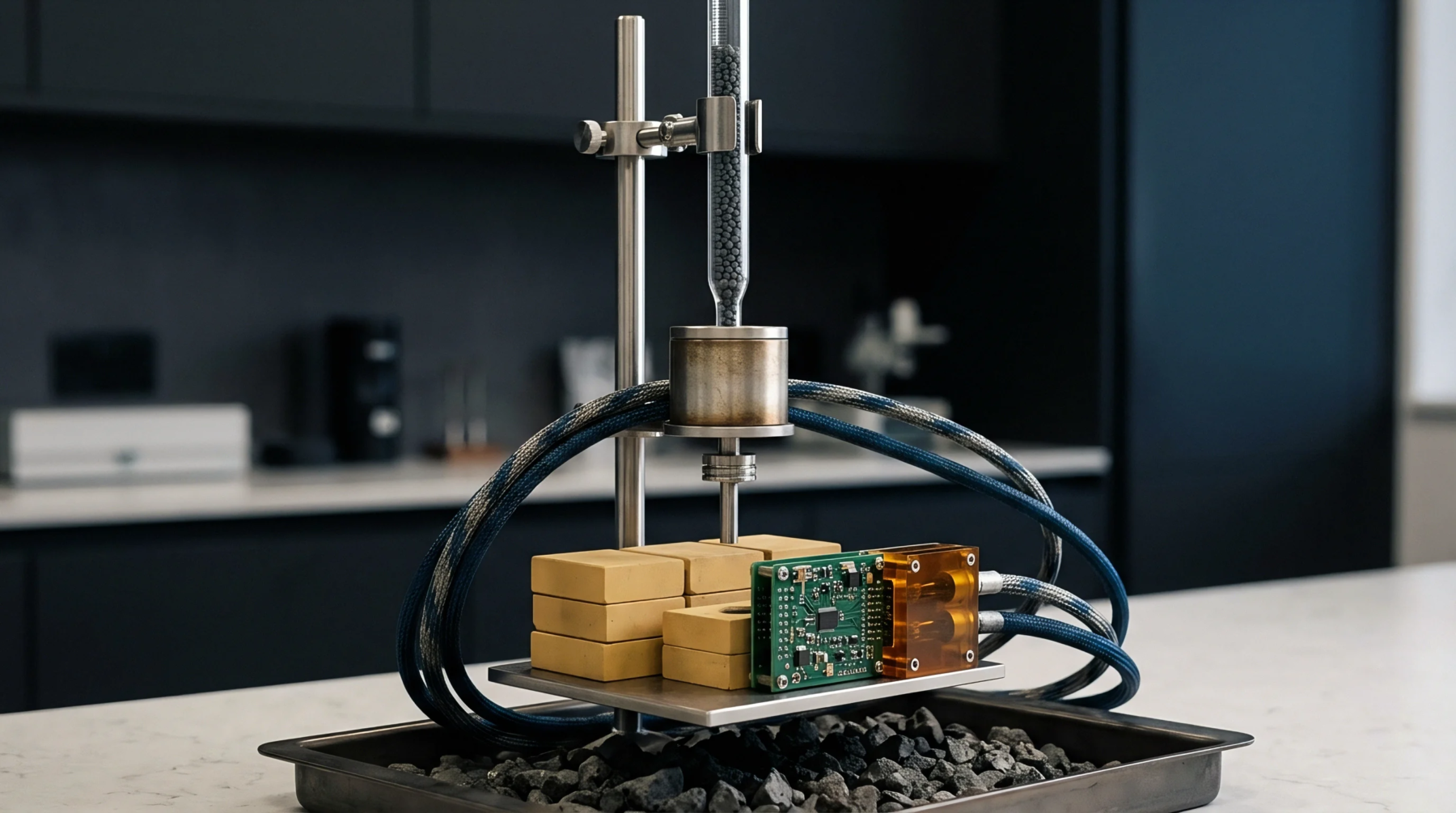
Sub Picosecond Time Domain Reflectometry for Glass Weave Skew Extraction
Sub-picosecond TDR extracts intra-pair skew by decoupling launch discontinuities and copper roughness from weave-induced differential phase delay.
Sub-picosecond TDR extracts intra-pair skew by decoupling launch discontinuities and copper roughness from weave-induced differential phase delay.
Glass bundle pitch and resin window gradients drive microstrip phase delay distribution, requiring spread glass or angled trace layout to control skew.
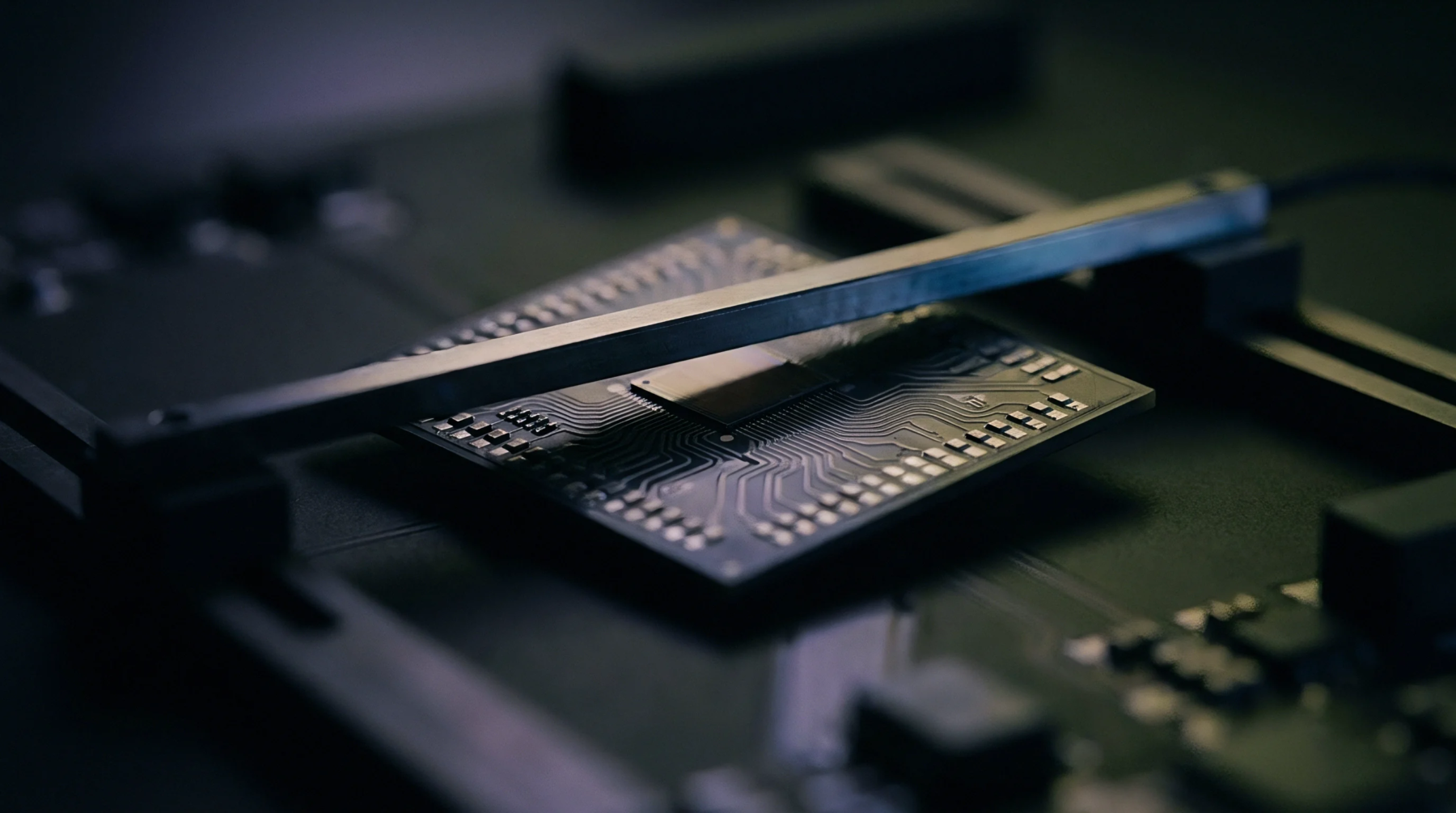
Mechanically spread glass prepregs eliminate periodic resin windows to suppress differential phase skew below 3 picoseconds across high-speed channels.
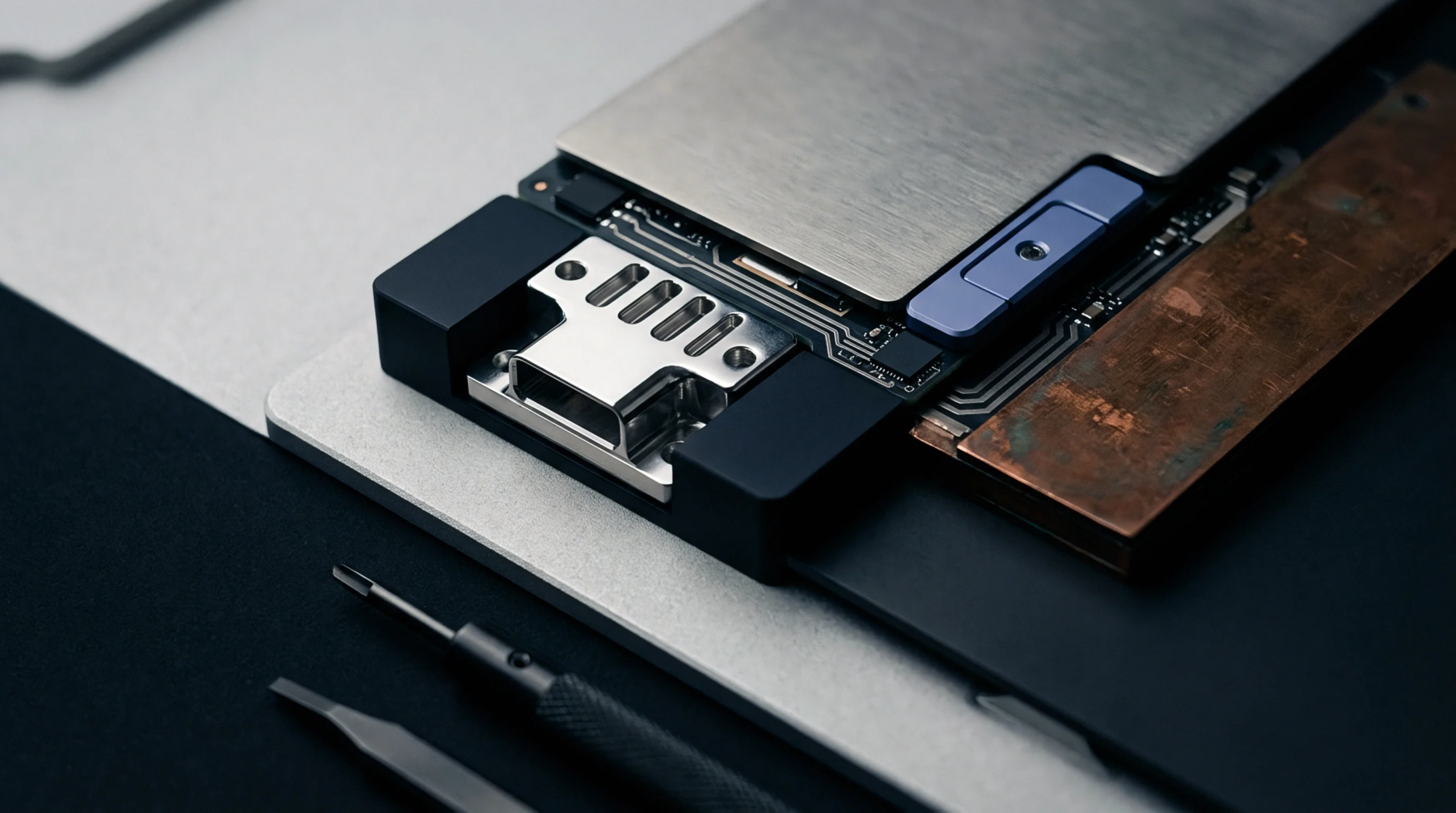
Quantifying fiber bundle permittivity deltas and applying spread glass with angled routing suppresses mode conversion resonance and stabilizes high-speed SerDes margins.
Selecting mechanically flattened spread glass styles like 1067 or 1078 eliminates dielectric pitch gaps and keeps high-speed differential skew below 2 ps/inch.
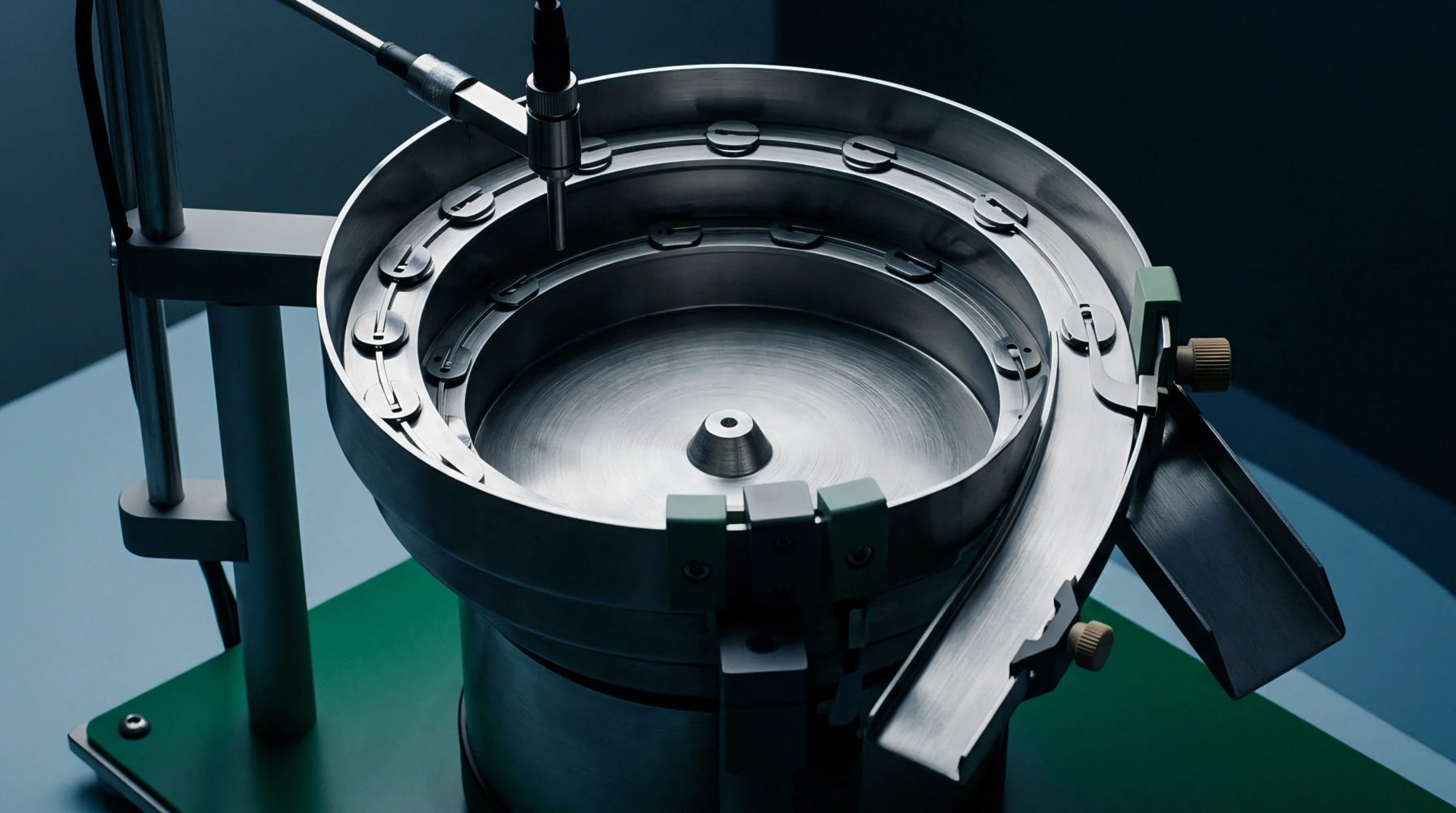
Evaluating laminate glass weave anisotropy requires specifying mechanically spread low-Dk glass styles and off-axis trace routing to eliminate spatial phase skew.
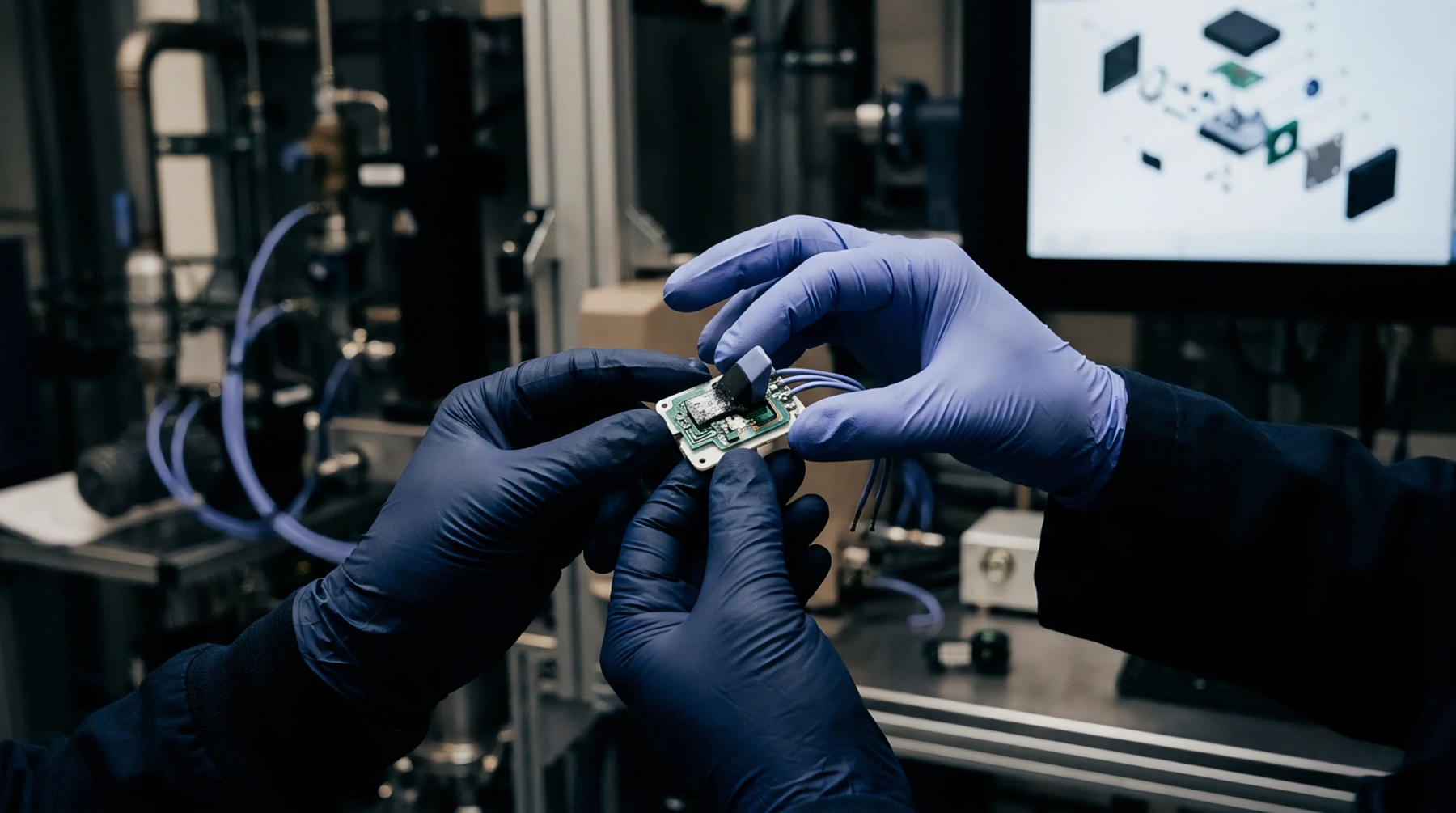
Mid-loss laminates paired with low-roughness copper foil match high-cost ultra-low-loss performance at a fraction of the raw panel price.
Expertise is a utility, not a secret. sentiention™ publishes its working knowledge as open reference: intelligence layer covering the materials it sources, the markets it enters, and the reference that serves both.