High Frequency Phase Delay Anisotropy Analysis across High Speed Microstrip Substrates
High-frequency phase delay anisotropy stems from woven reinforcement and foil grain directions; locking panel alignment ensures repeatable channel timing.
High-frequency phase delay anisotropy stems from woven reinforcement and foil grain directions; locking panel alignment ensures repeatable channel timing.
Routing traces at ten degrees off-axis eliminates fiber weave differential skew without paying panel artwork rotation penalties.
Evaluating laminate glass weave anisotropy requires specifying mechanically spread low-Dk glass styles and off-axis trace routing to eliminate spatial phase skew.
Quantifying phase velocity shift in glass weave substrates requires mapping fiber pitch against trace angle to control differential skew.
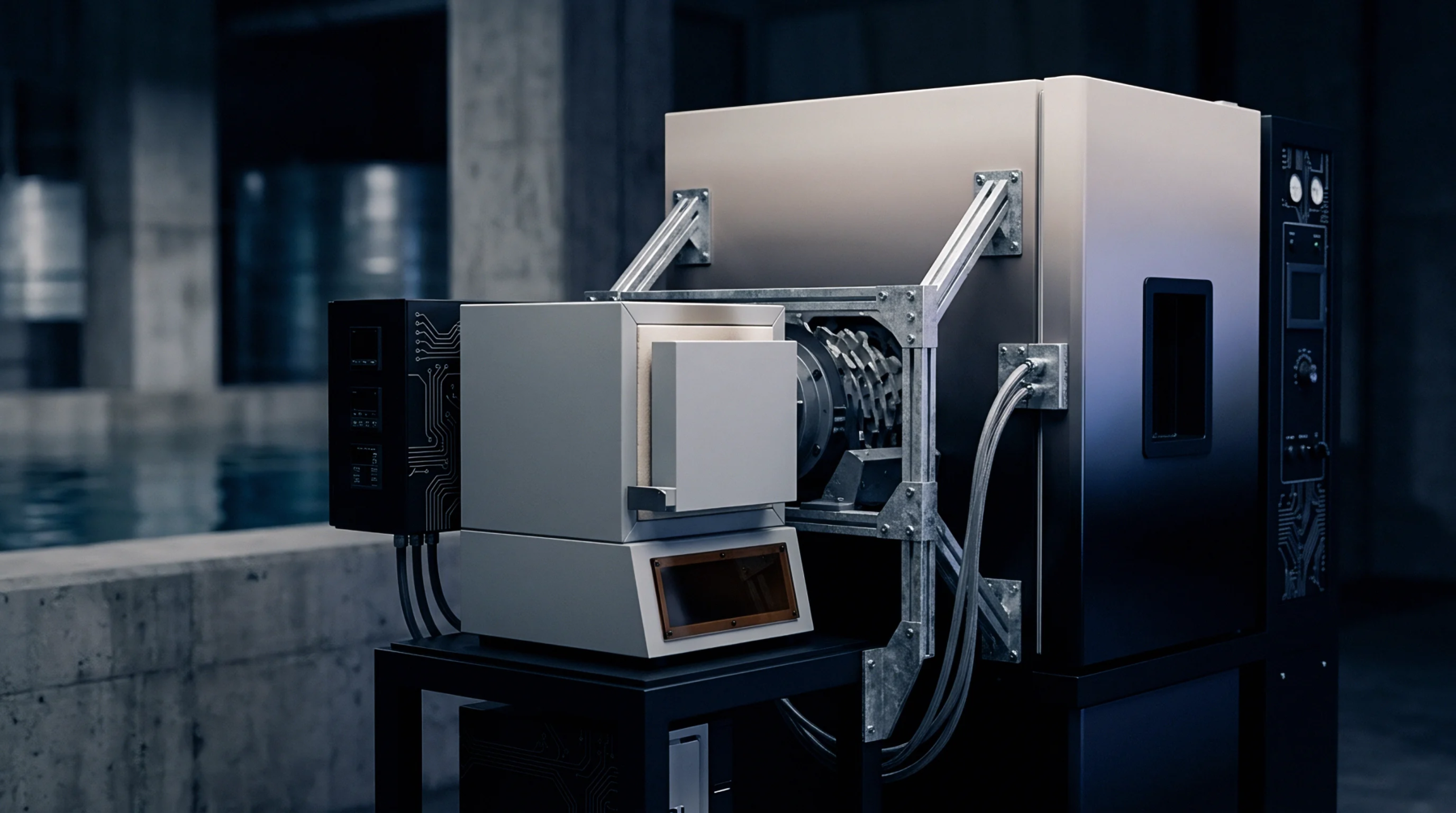
Mechanically spread glass fabrics flatten yarn bundles to eliminate resin-rich windows, stabilizing relative permittivity and preventing high-speed differential skew.
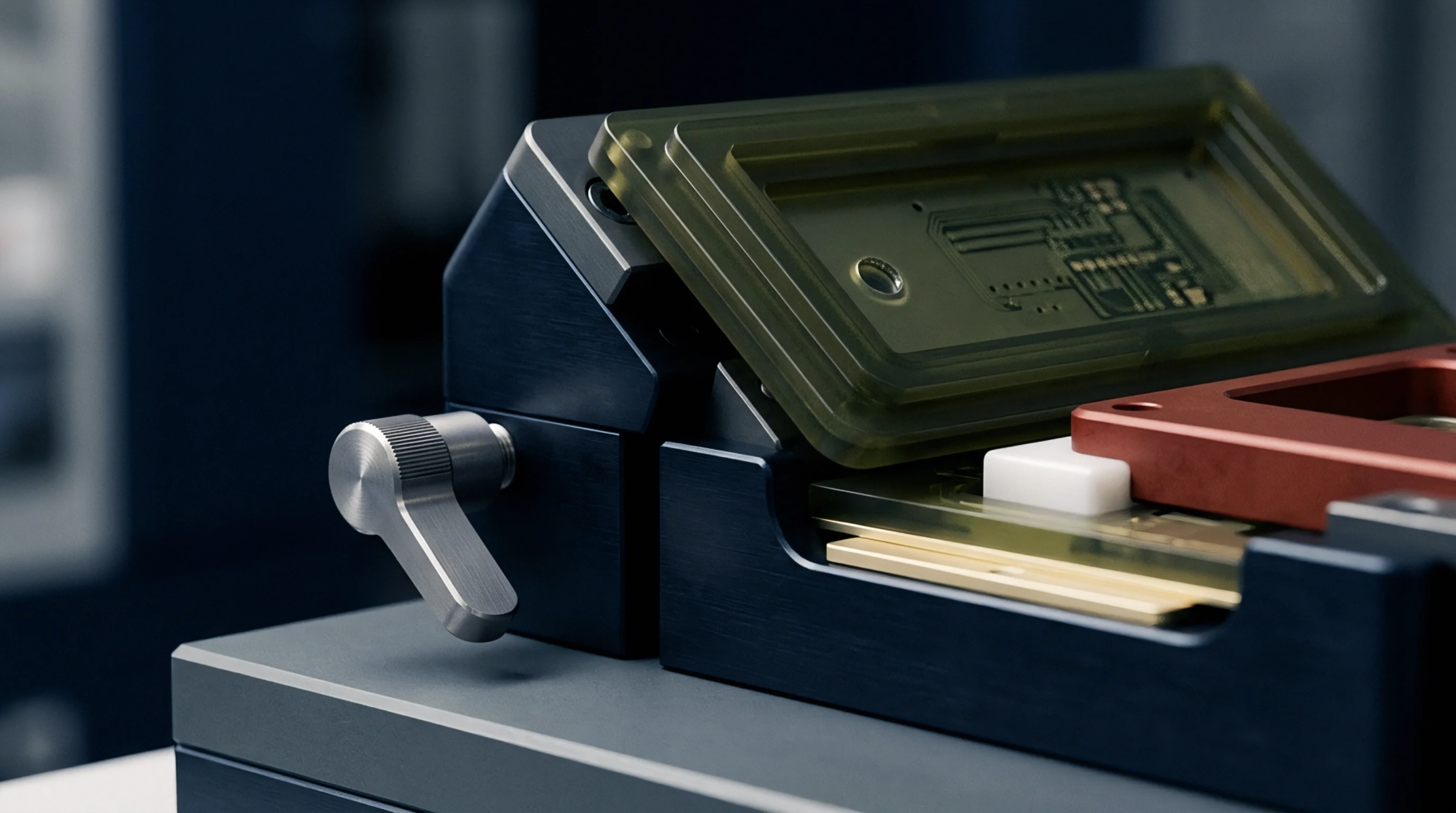
Mitigate glass weave skew by specifying mechanically spread low-Dk glass fabrics and dual-ply stackups to keep phase skew below 0.8 ps/inch across differential pairs.
Expertise is a utility, not a secret. sentiention™ publishes its working knowledge as open reference: intelligence layer covering the materials it sources, the markets it enters, and the reference that serves both.