Quantifying Cavity Resonance Degradation through near Field Scanning
Near-field scanning quantifies cavity resonance degradation by mapping Q-factor shifts and seam field leakage before environmental degradation drives emissions failures.
Near-field scanning quantifies cavity resonance degradation by mapping Q-factor shifts and seam field leakage before environmental degradation drives emissions failures.
Environmental temperature and humidity cycling degrades substrate integrated waveguide cavity damping by elevating loss tangents and fracturing via fences.
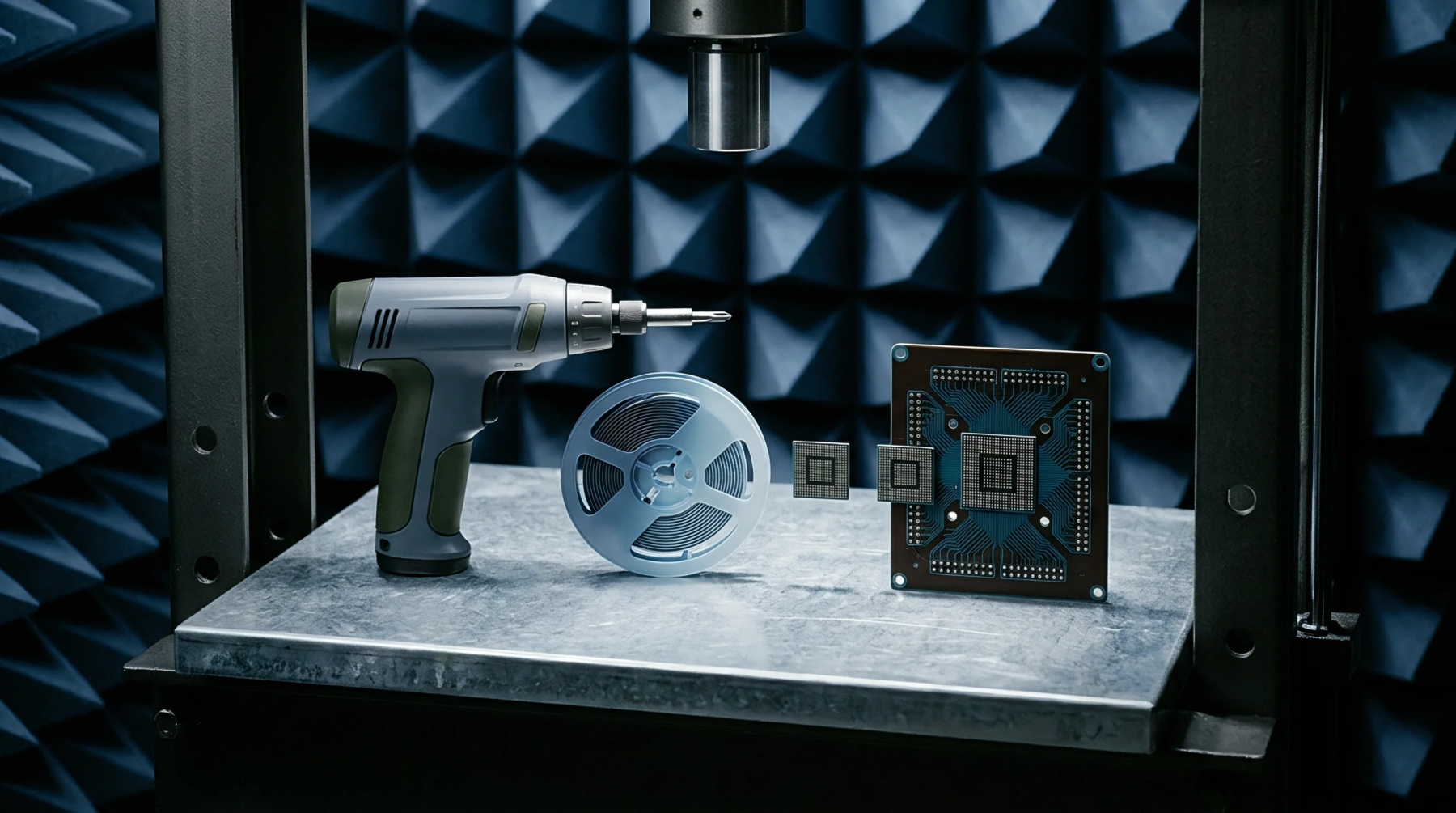
Select PCB cavity damping by tuning filler permeability to resonant field vectors, keeping dampers three trace heights away to prevent impedance drift.
Clamped stripline resonators extract out-of-plane permittivity and loss tangent up to 10 GHz by measuring resonant modes of unclad dielectric sheets under pressure.
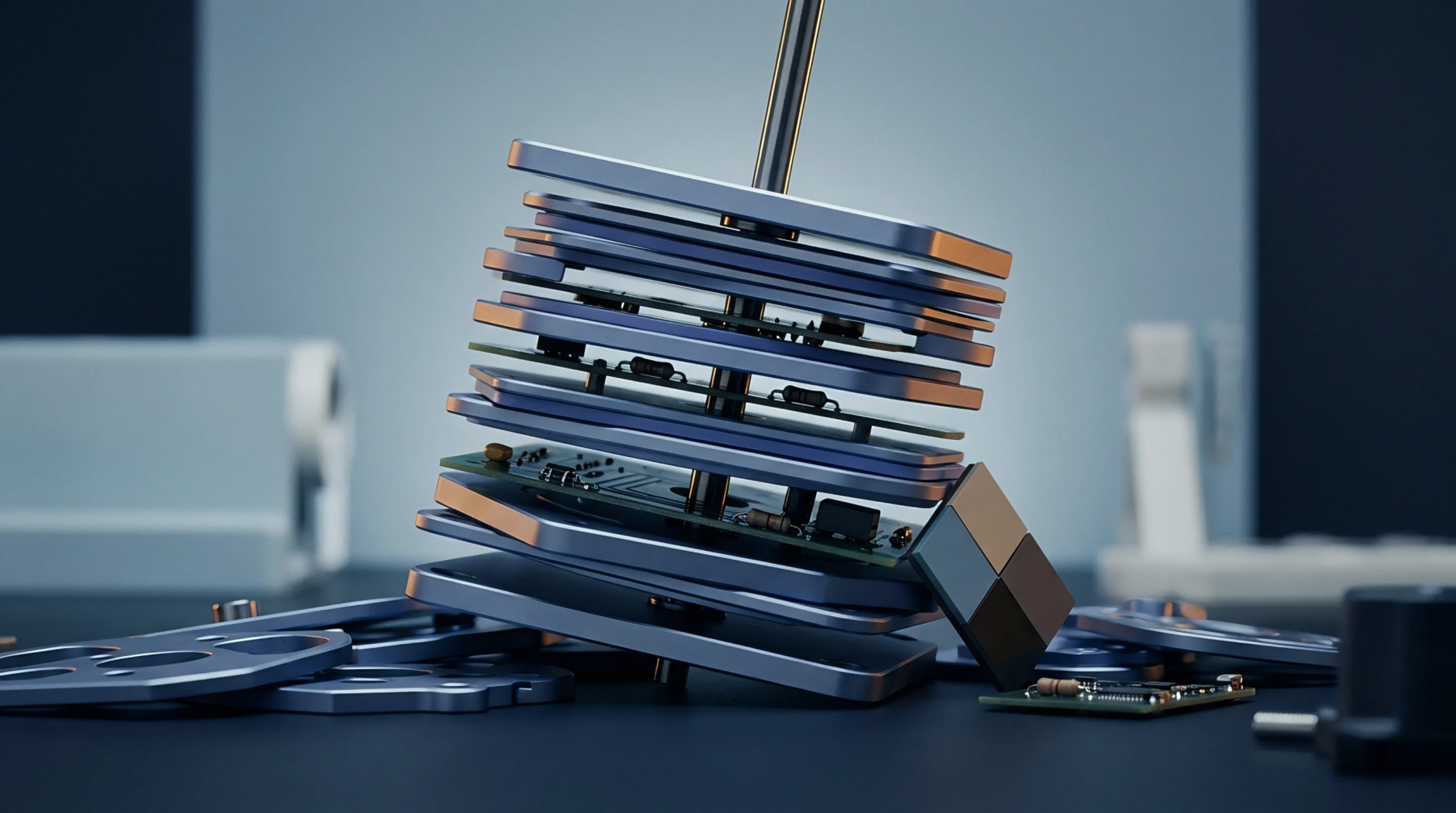
Copper surface roughness increases high frequency cavity conductor attenuation by extending skin current path length and degrading unloaded quality factor.
Clamped stripline measurements extract true in-plane dielectric permittivity when analytical models eliminate air gap capacitance errors.
Substrate copper roughness exceeding skin depth dampens cavity quality factor by extending surface current paths, demanding 3D surface area profiling and incoming batch screening.
Expertise is a utility, not a secret. sentiention™ publishes its working knowledge as open reference: intelligence layer covering the materials it sources, the markets it enters, and the reference that serves both.