
Quantifying Laminate Resin Anisotropy Dispersion and Phase Skew Limits in Gigabit Interconnects
Managing anisotropic permittivity and glass weave dispersion prevents timing jitter and intra-pair phase skew in gigabit differential interconnects.
Managing anisotropic permittivity and glass weave dispersion prevents timing jitter and intra-pair phase skew in gigabit differential interconnects.
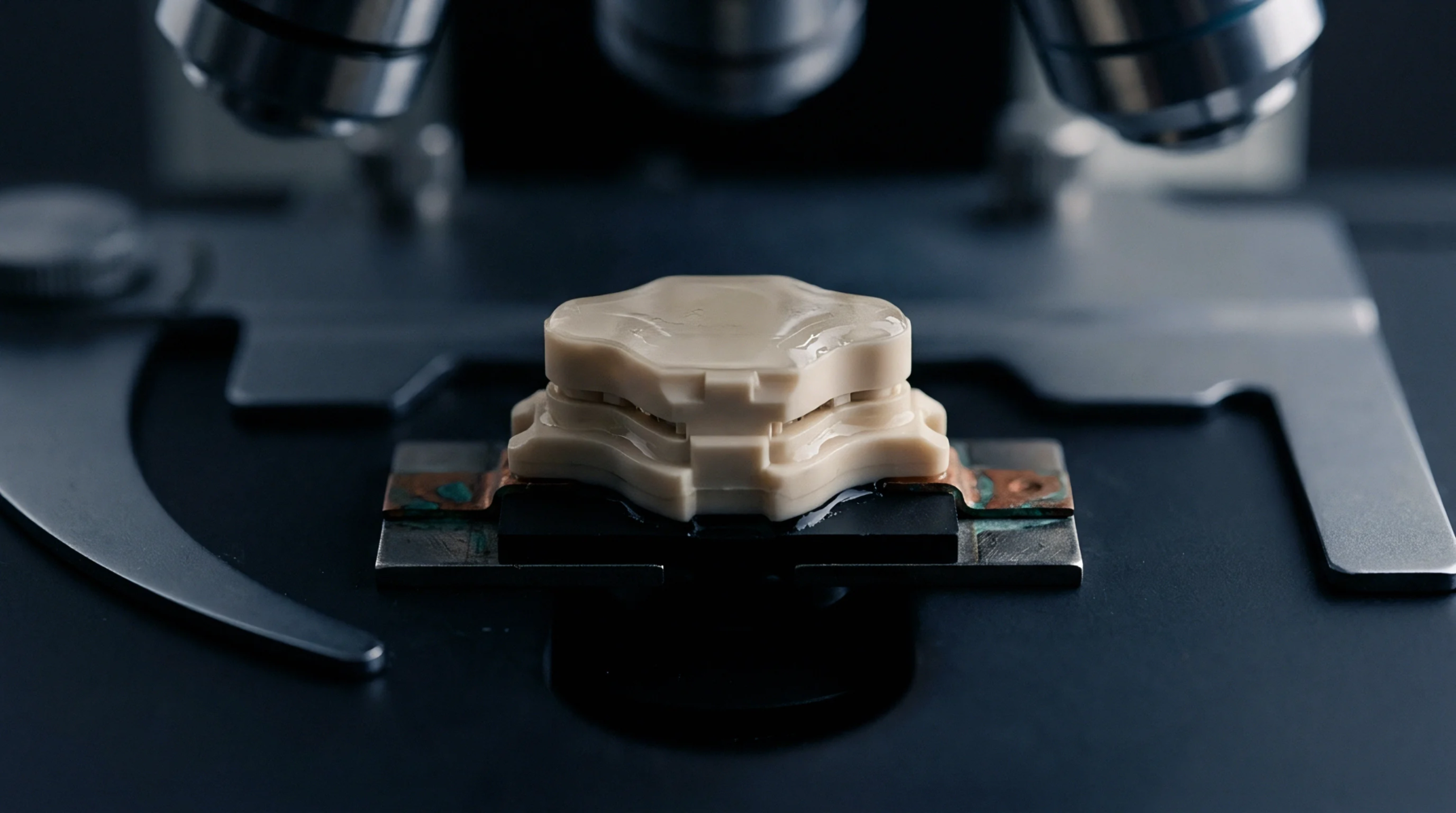
Spatial dielectric variation across organic package cores causes differential phase skew and impedance ripple, requiring spread glass and strict panel-level metrology.

Low-frequency DC probing misses high-speed differential symmetry defects, requiring combined TDR, AC scan, and S-parameter metrics to bound structural escapes.
Evaluating laminate glass weave anisotropy requires specifying mechanically spread low-Dk glass styles and off-axis trace routing to eliminate spatial phase skew.
Modelling interfacial roughness on hydrophobic polyimide requires 3D Sdr metrics and Huray models to balance mmWave attenuation against peel strength limits.
Sub-millimeter spatial dielectric variations from glass weaves and filler distribution shift dynamically under heat, requiring spread glass and low TCDk resins.

Dynamic environmental stress screening with live high-frequency monitoring catches transient microvia void skew escapes that static room-temperature DC testing misses.
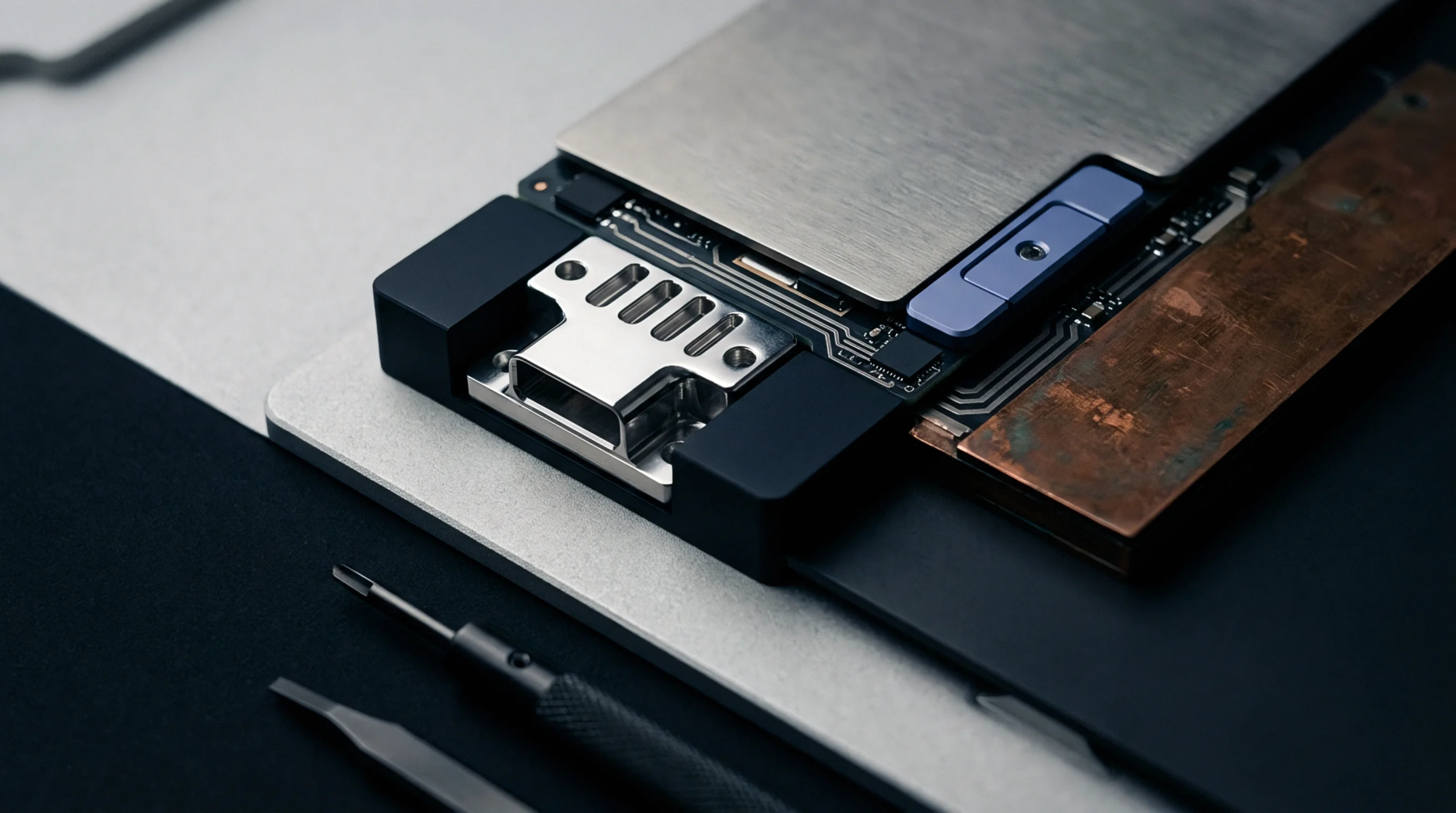
Rotating differential traces or panel cuts off-axis relative to glass weave warp yarns equalizes phase delay and mitigates high-speed intra-pair skew.

Pairing mid-loss resins with HVLP copper cuts high-frequency trace attenuation by up to 38 percent without forcing transitions to expensive ultra-low-loss substrates.
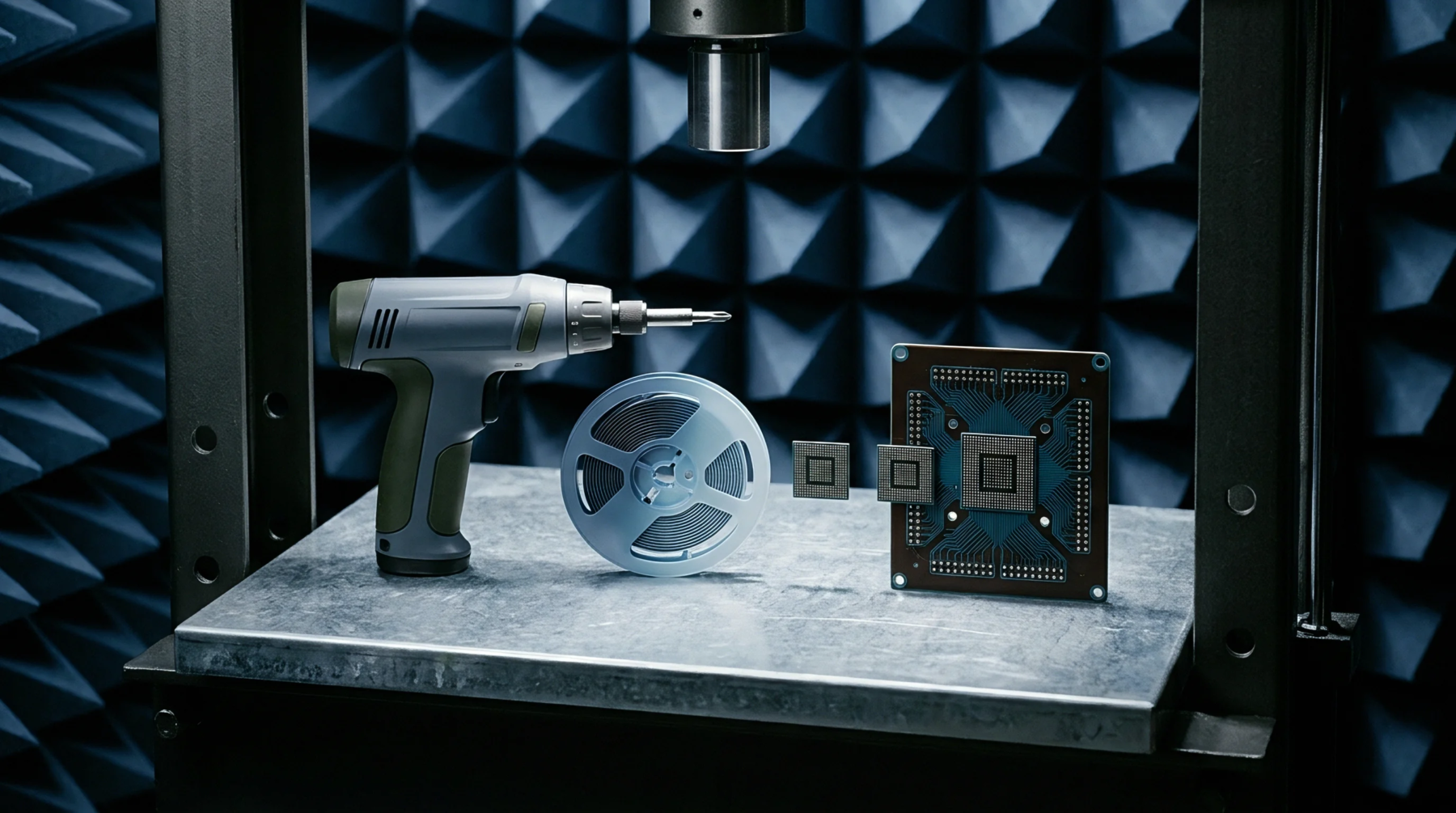
Spread glass prepreg flattens yarn bundles to eliminate open resin windows, preventing high-speed intra-pair differential skew and mode conversion.
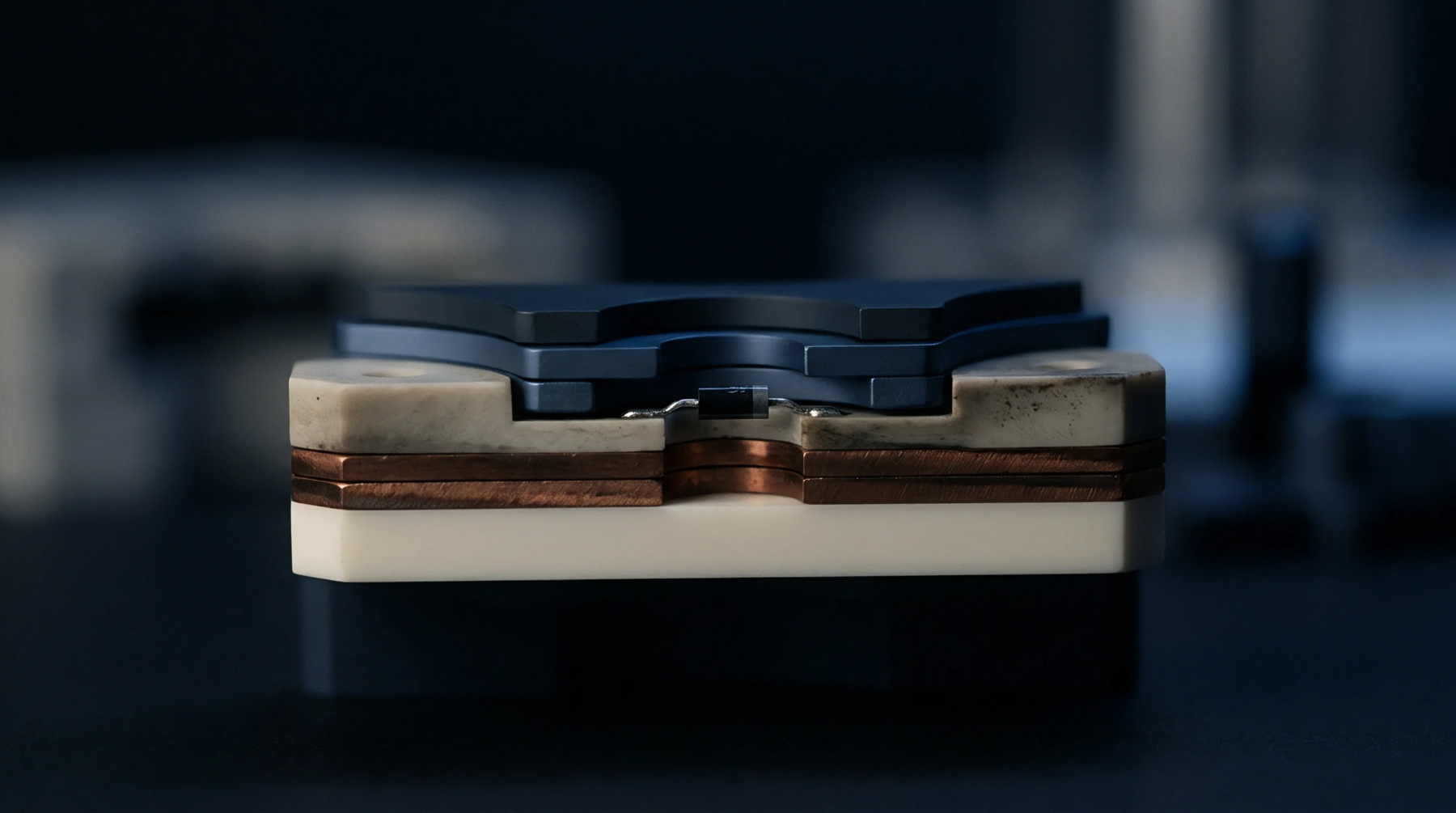
Substrate dielectric drift alters high-frequency signal phase velocity and impedance under thermal stress, requiring flat TCDk resin selection to hold timing margins.
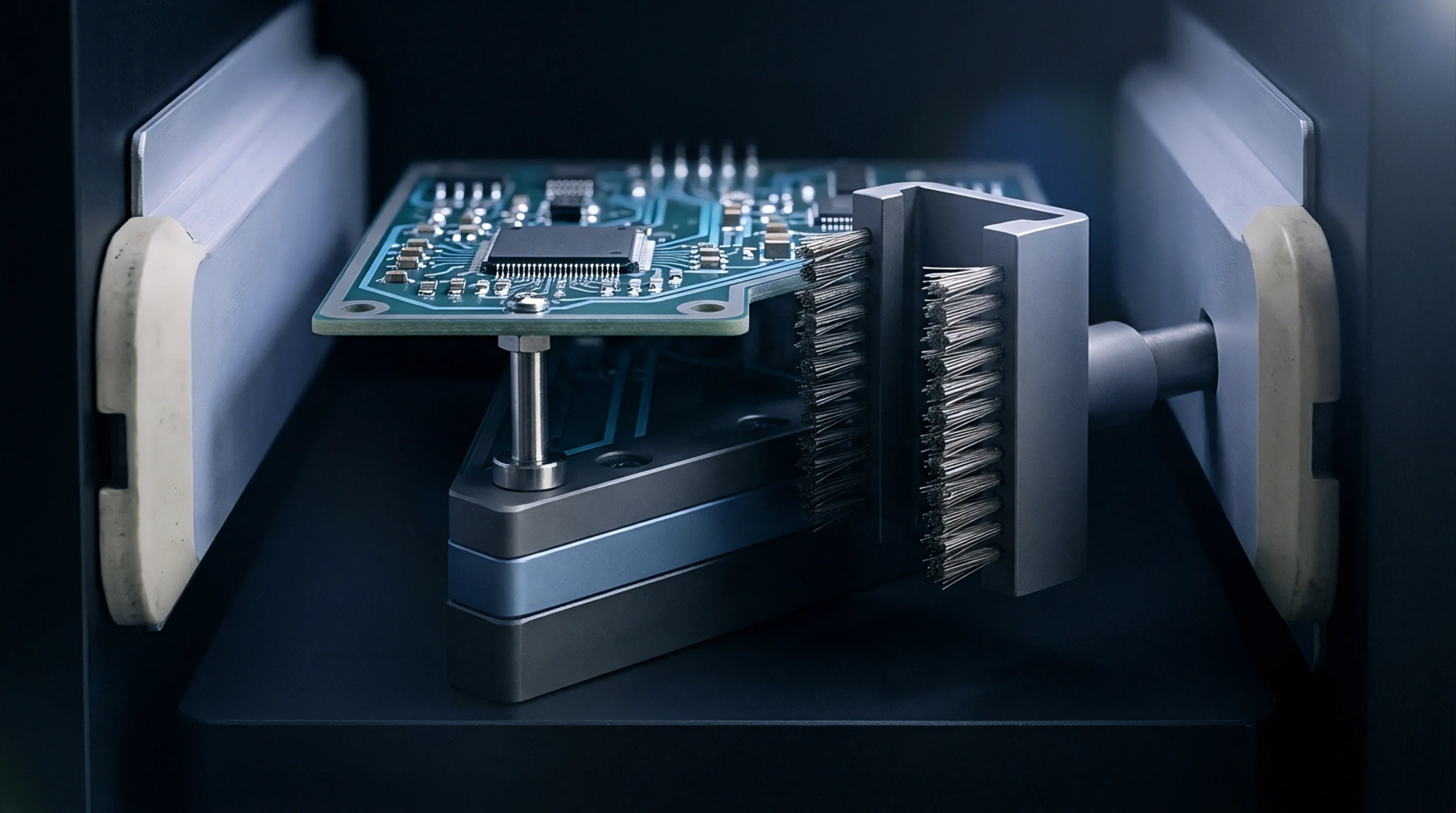
Unscreened high-frequency channel structural escapes drive PCI Express residual bit error rates above spec limits by inducing localized signal resonances.
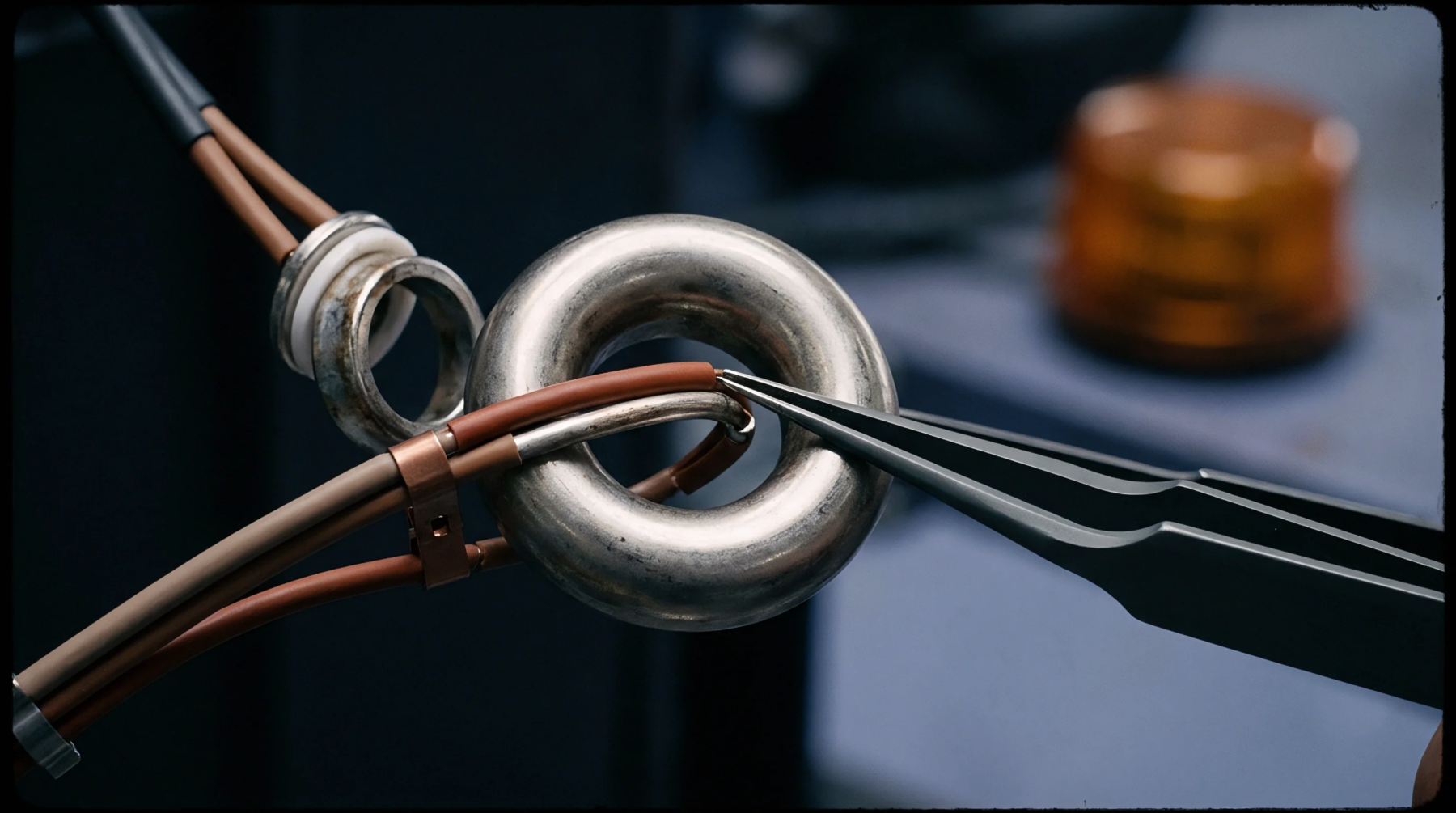
Multi-regime coverage modeling combines structural, boundary scan, and at-speed functional tests to quantify and suppress differential serial net escapes.

Subassembly press hydraulic parallelism and thermal ramp control determine resin distribution, eliminating dielectric height variation and differential signal phase skew.
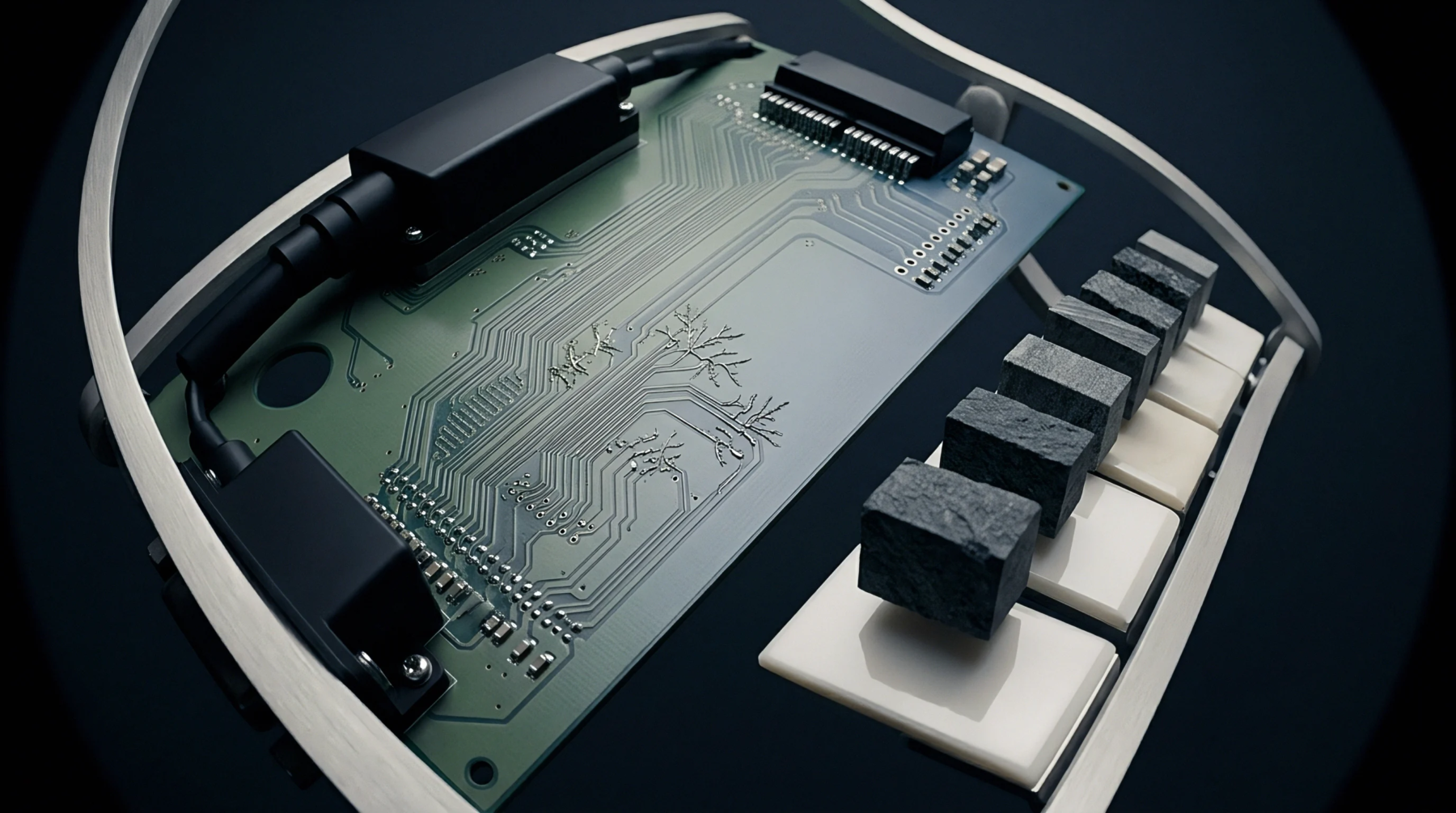
Controlled impedance across rigid flex transitions requires matching dielectric constants, tapering trace widths, and maintaining continuous ground planes.

Differential phase skew control requires spread-glass fabrics or off-axis routing to eliminate local micro-scale dielectric variations across high-speed traces.
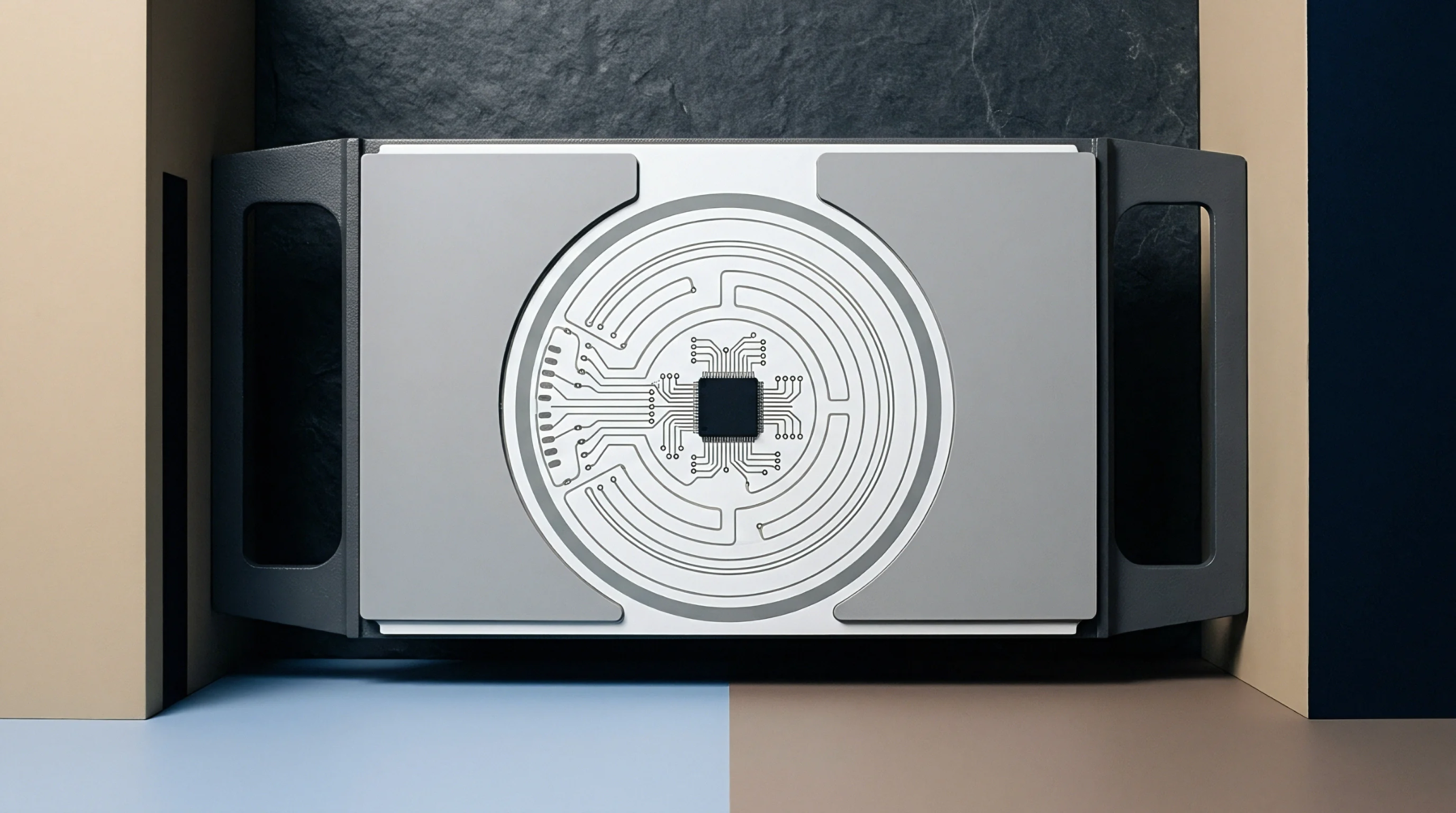
Spread glass prepreg selection eliminates differential phase skew by flattening fiber bundles and reducing dielectric constant variations across signal paths.
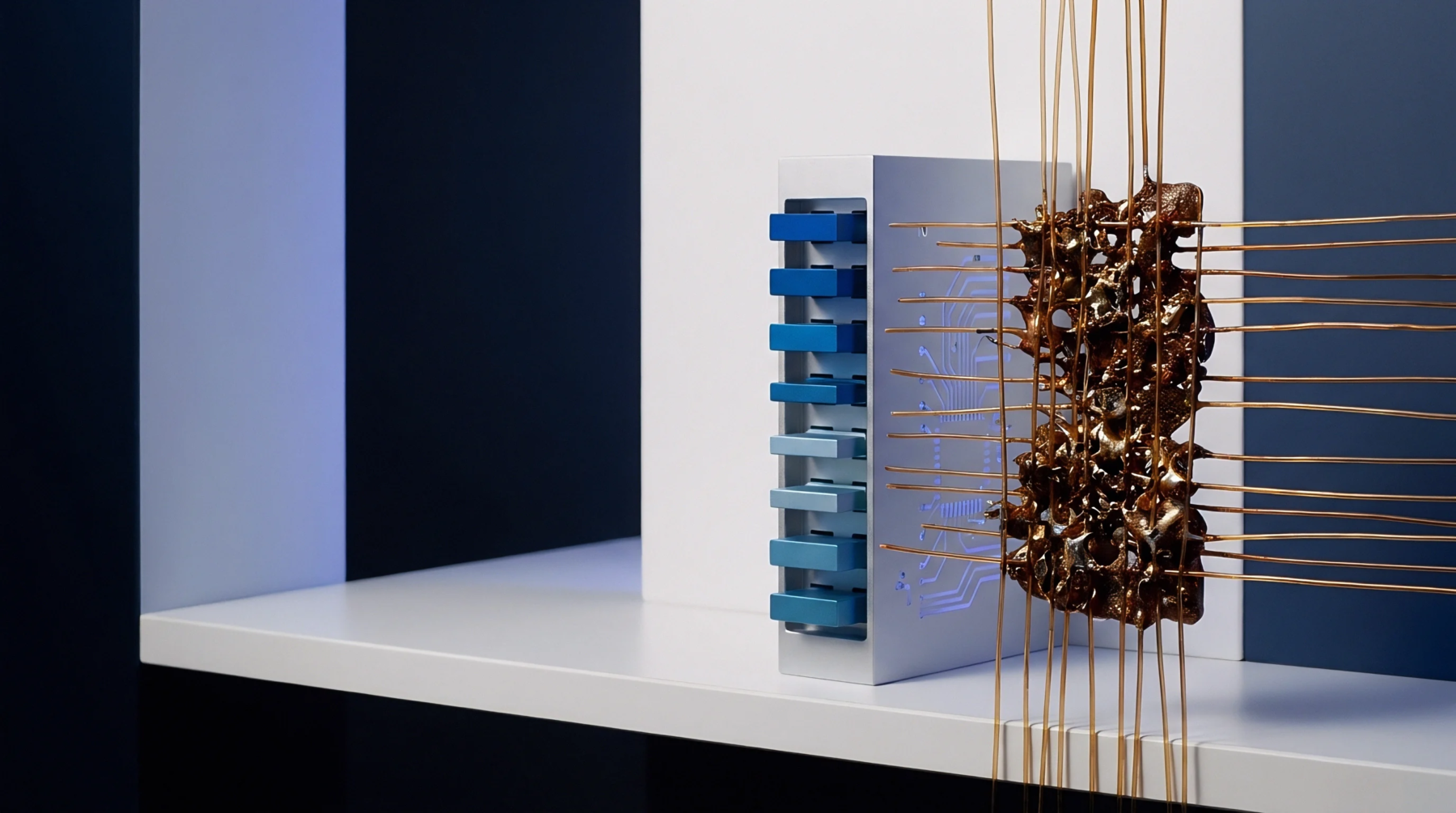
Spatial dielectric variation in glass laminates stems from weave periodicity and drives phase skew, requiring spread glass or angled routing to pass tight jitter budgets.
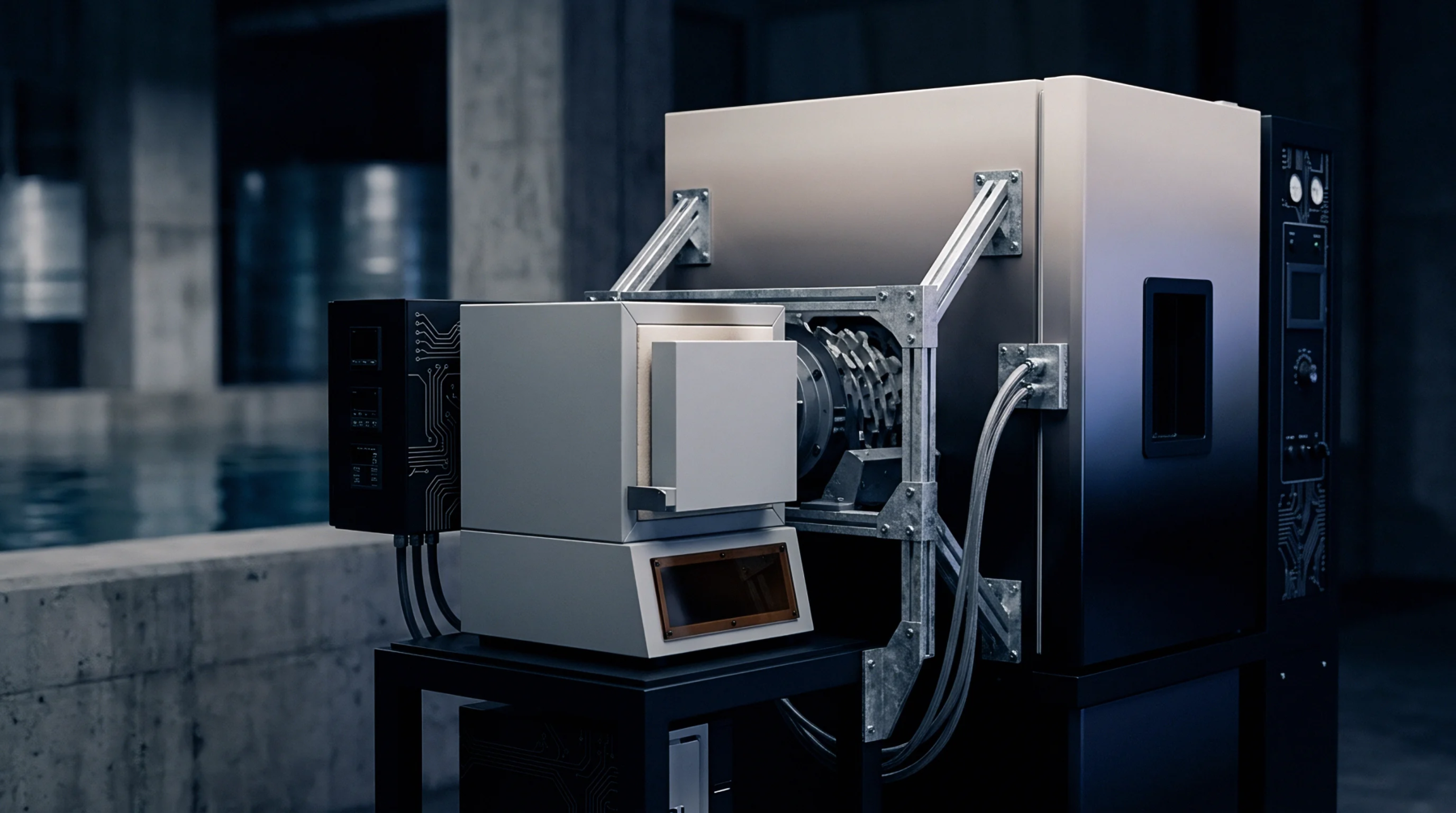
Mechanically spread glass fabrics flatten yarn bundles to eliminate resin-rich windows, stabilizing relative permittivity and preventing high-speed differential skew.
Expertise is a utility, not a secret. sentiention™ publishes its working knowledge as open reference: intelligence layer covering the materials it sources, the markets it enters, and the reference that serves both.