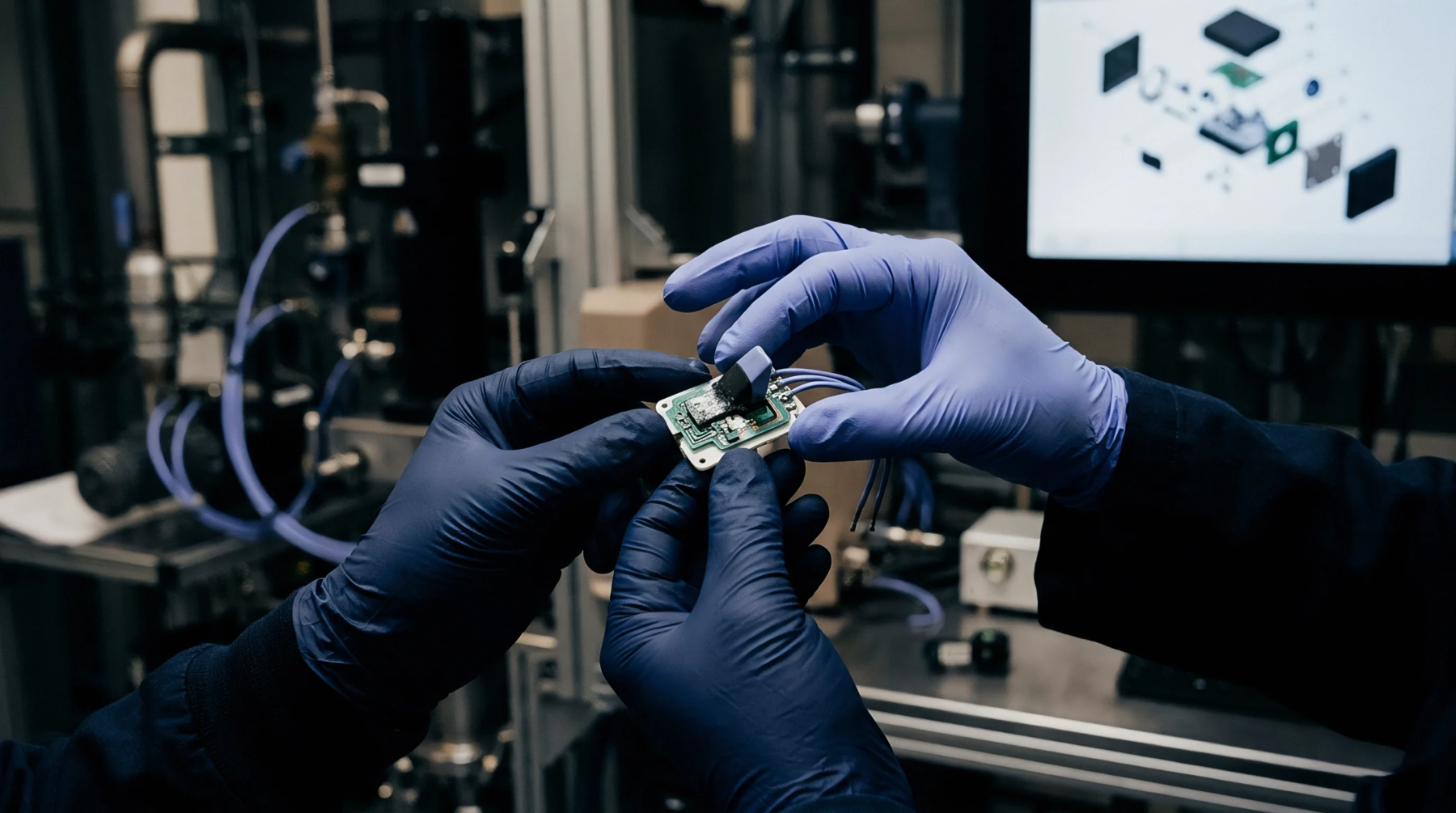
Glass Weave Skew Mitigation Techniques in Differential Stripline Channels
Mitigate differential stripline glass weave skew by combining low-Dk spread glass, multi-ply prepregs, and minimum two-degree routing offsets on drawings.
Mitigate differential stripline glass weave skew by combining low-Dk spread glass, multi-ply prepregs, and minimum two-degree routing offsets on drawings.

Baseline verification of incoming solder paste requires verifying transit thermal logs, measuring malcom viscosity, and checking powder oxide limits.

High-frequency acoustic phase inversion reveals submicron microvia delamination escaping electrical tests, saving $5.60 per unit over field warranty exposure.

High-frequency acoustic microscopy resolution in multilayer laminates is limited by weave scattering and dielectric attenuation, requiring phased gating.

High temperature viscoelastic relaxation in low-loss dielectrics shifts z-axis strains to microvias, causing interfacial target-pad tears caught only by in-situ testing.
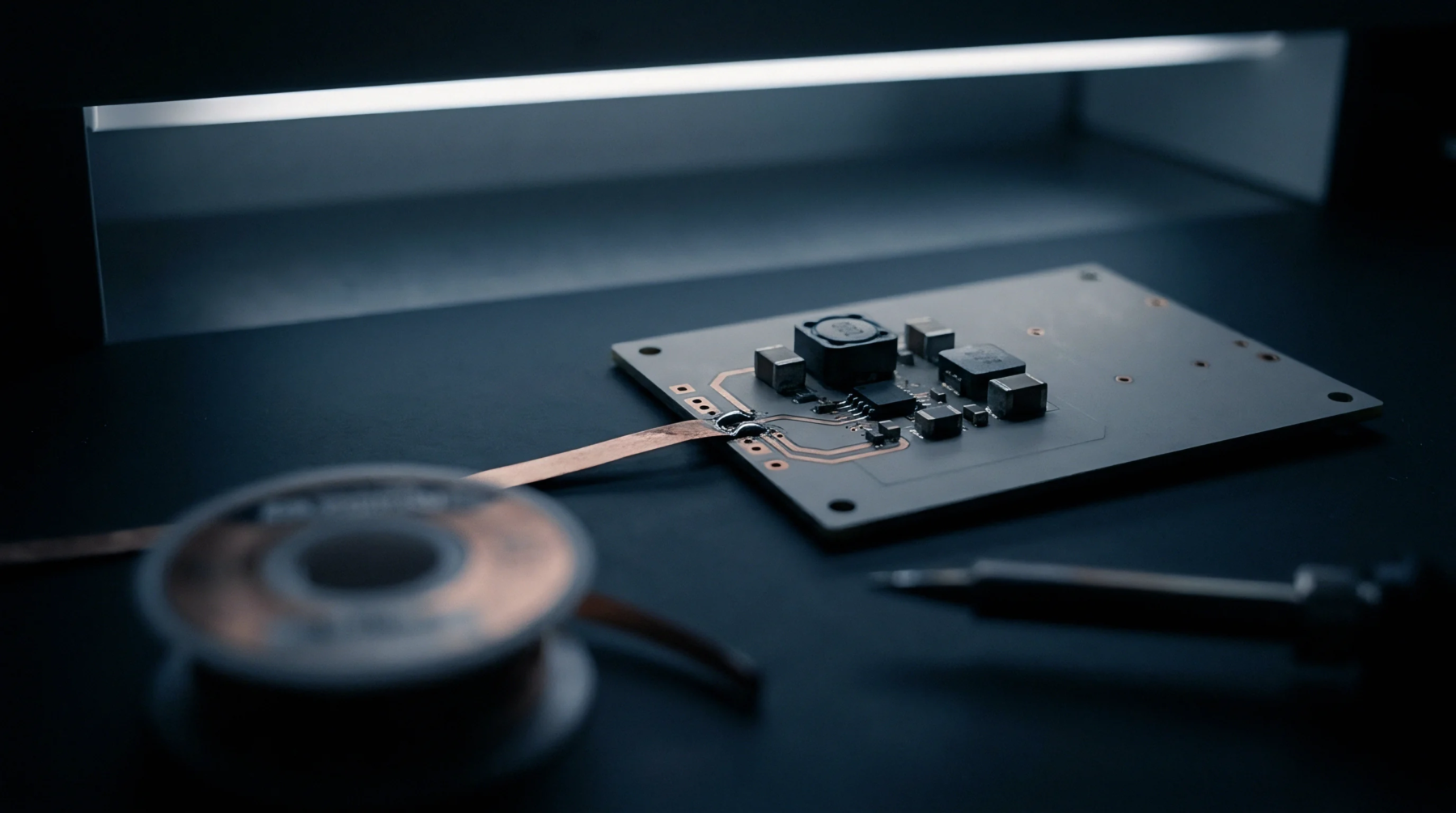
Weibull shape and location parameters derived from microsections quantify true target pad clearance safety margins, protecting buyers from latent dielectric field failures.
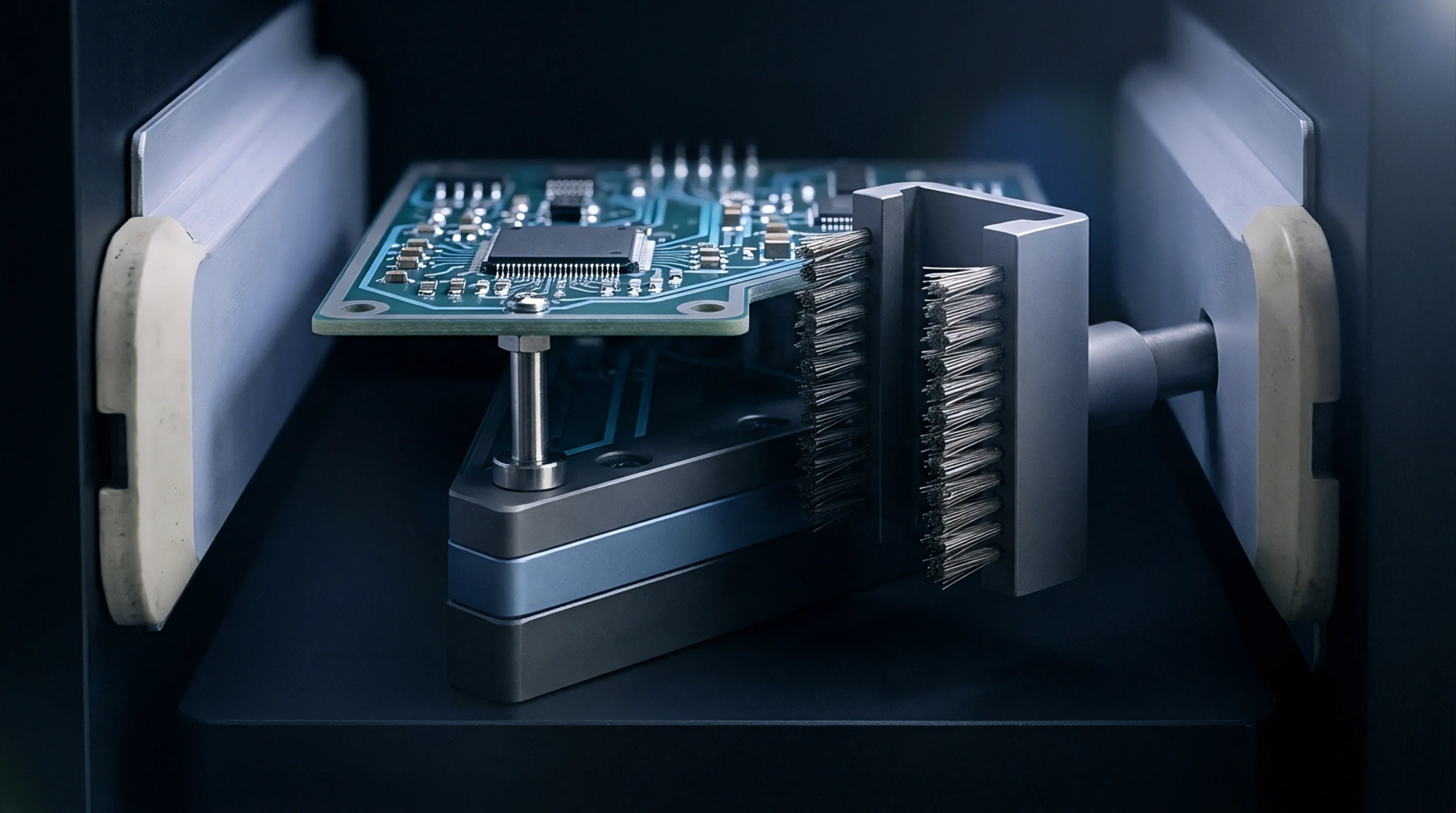
Z-axis laminate expansion exceeding copper ductility during lead-free reflow drives microvia failure, requiring high-Tg filled dielectrics and coupon screening.

Interfacial halogen trapping at electroless nickel interfaces drives thermal embrittlement, requiring ToF-SIMS verification to cap chlorine concentration below critical voiding limits.
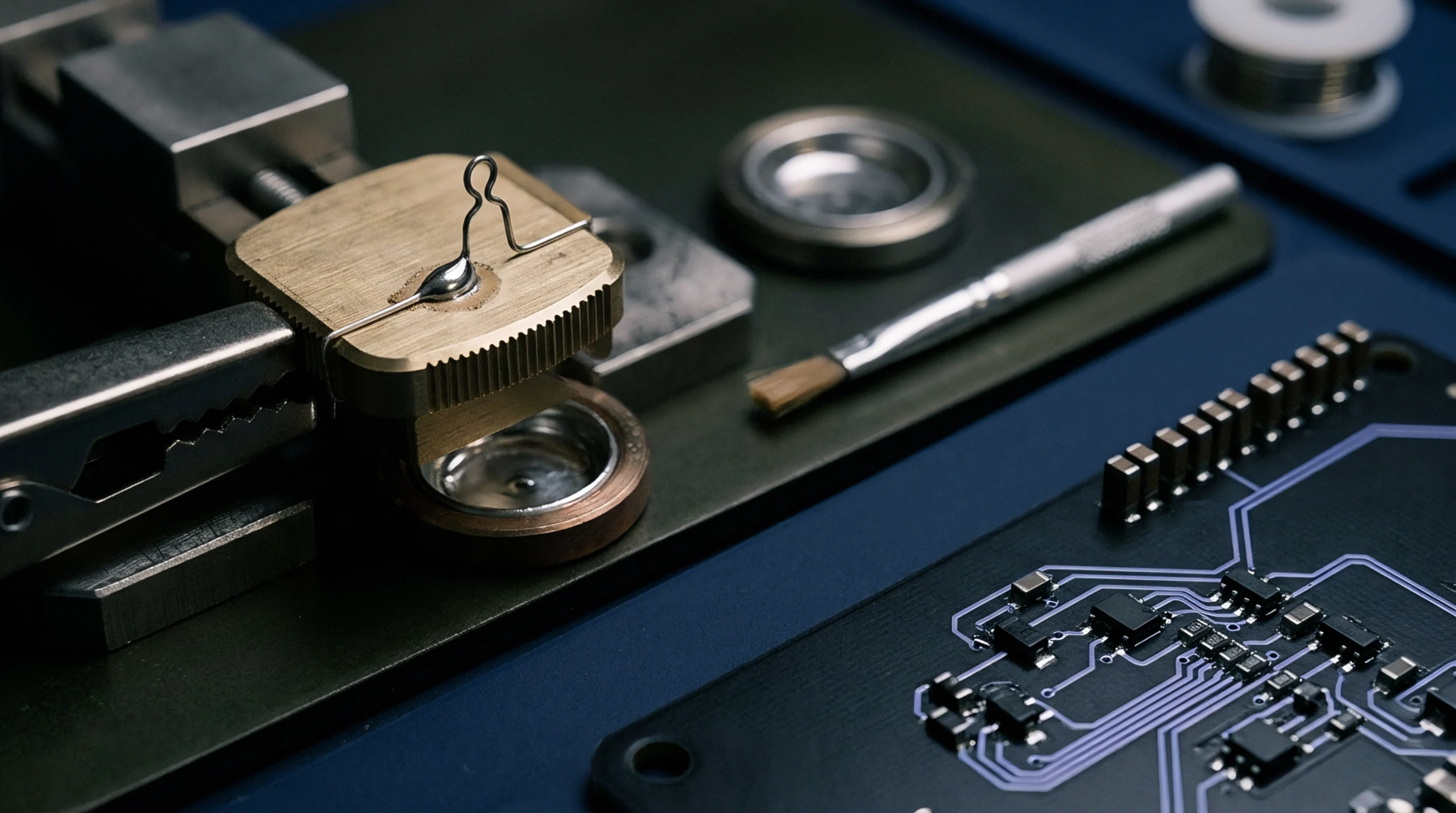
Integrating z-axis dielectric dispersion with resin distribution data prevents impedance mismatches and vertical eye closure in 112G PAM4 channels.

Calculate stripline impedance by applying the geometric mean of in-plane and z-axis permittivity to sidewall fringing fields to eliminate 2-ohm routing offsets.

Resin content mismatch shifts dielectric constants, alters transmission line impedance, and drives thermal warpage unless glass styles and resin volumes balance.
Expertise is a utility, not a secret. sentiention™ publishes its working knowledge as open reference: intelligence layer covering the materials it sources, the markets it enters, and the reference that serves both.