Resin Selection
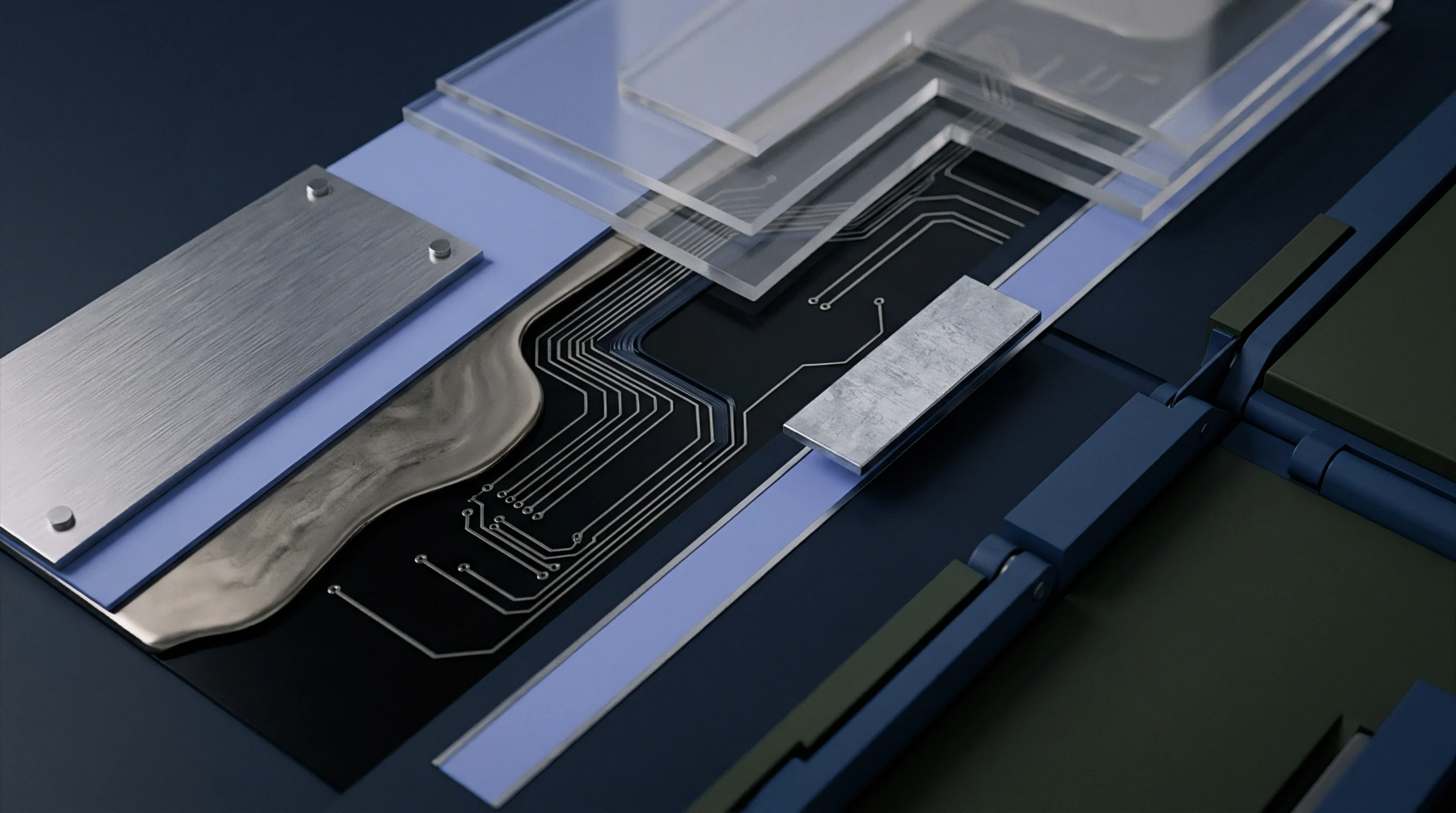
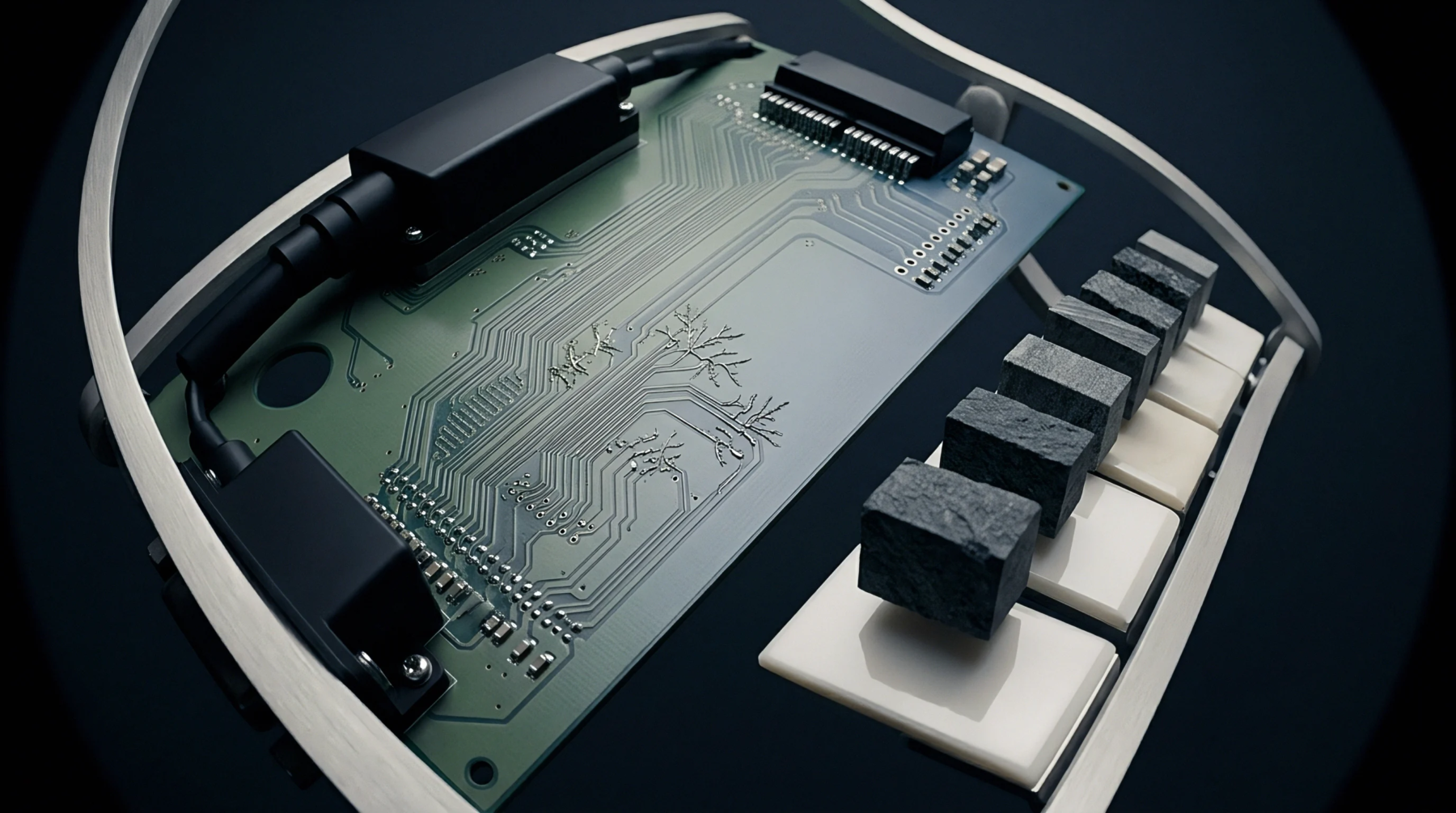
Thermosetting polymer matrices reinforced with woven glass cloth or specific low-loss fillers constitute the hydrocarbon ceramic family used in high-frequency circuit boards. These specialized substrates replace standard epoxy formulations to control dielectric constant stability across wide temperature ranges. Microwave circuit fabricators select these materials specifically for radar modules and satellite communication hardware where signal attenuation causes immediate system failure.
Milling operations require carbide tooling and specialized dust collection because these hard ceramic-filled matrices generate abrasive particulate during routing. Laminates arrive from suppliers with protective copper cladding bonded to both sides, and preparation involves chemical cleaning to remove residual oils prior to dry film photoresist application.
Dielectric Loss
Signal degradation in high-speed digital architecture depends directly on the dissipation factor inherent to the substrate. Hydrocarbon ceramic materials exhibit loss tangents below zero point zero zero three at ten gigahertz, which preserves waveform integrity over extended trace lengths. Vacuum press lamination cycles bond these low-absorption layers together without introducing moisture pockets that create blistering during subsequent thermal excursions.
Automated optical inspection equipment detects internal layer misregistration before drilling operations begin. Plated through-hole reliability improves because the coefficient of thermal expansion remains closely matched to copper in the Z-axis direction.
Milling Parameters
Edge finish quality relies upon strict spindle speed control and feed rate optimization during mechanical profiling. Hydrocarbon ceramic panels tend to delaminate if tool wear exceeds preset limits during high-speed routing passes. Tooling wear inspectors use optical comparators to measure flute degradation after every predetermined panel count.
Final electrical testing verifies impedance control across differential pairs etched into the finished substrate. Surface cleanliness standards require ultrasonic solvent baths to eliminate micro-debris trapped beneath component pads prior to surface mount assembly.