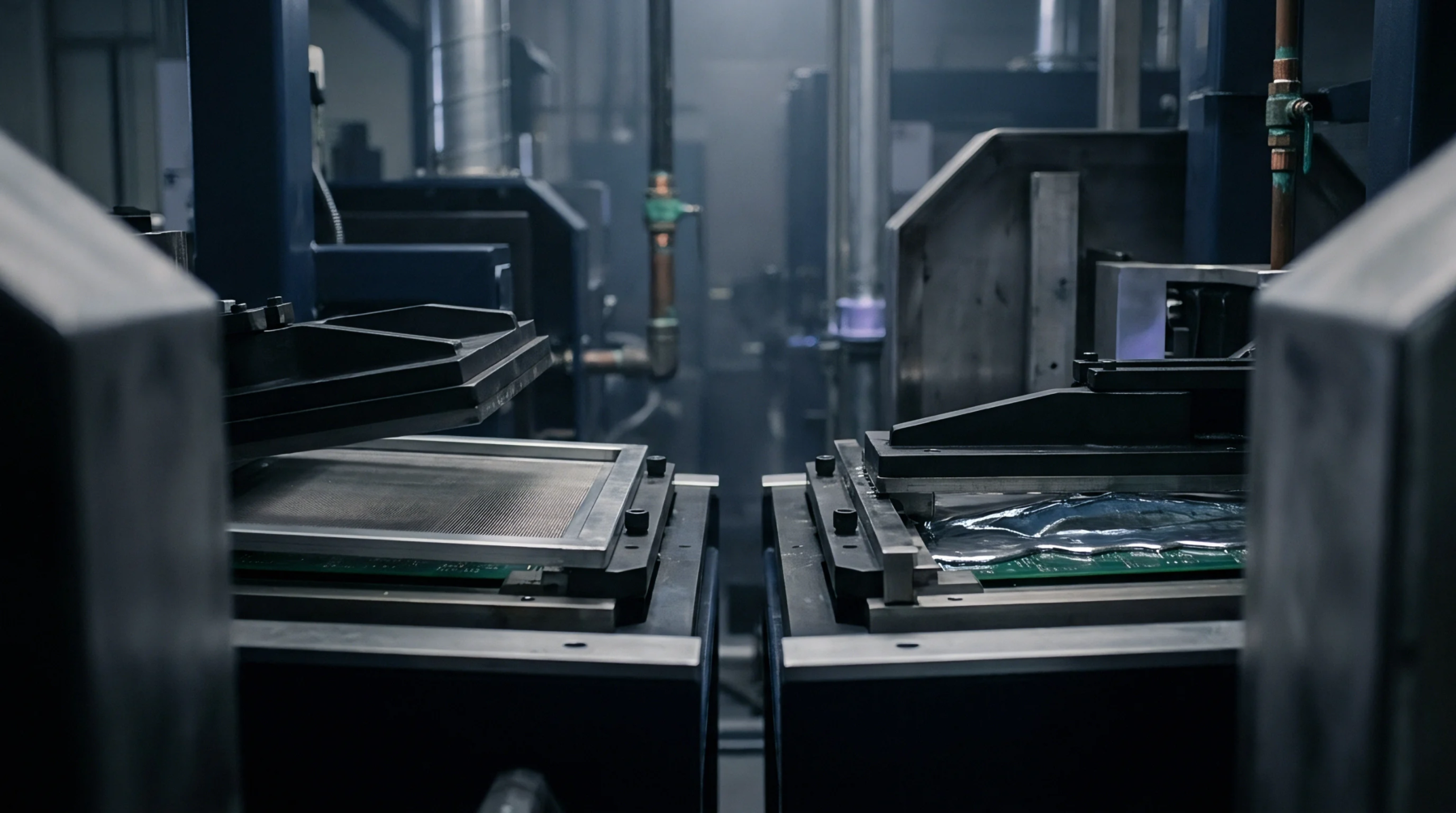
Selecting High-Frequency Dielectric Laminates for Lead-Free PCB Assembly Protocols
High-frequency laminate selection for lead-free assembly requires low z-axis expansion and high decomposition temperatures to survive 260°C reflow stresses.
High-frequency laminate selection for lead-free assembly requires low z-axis expansion and high decomposition temperatures to survive 260°C reflow stresses.
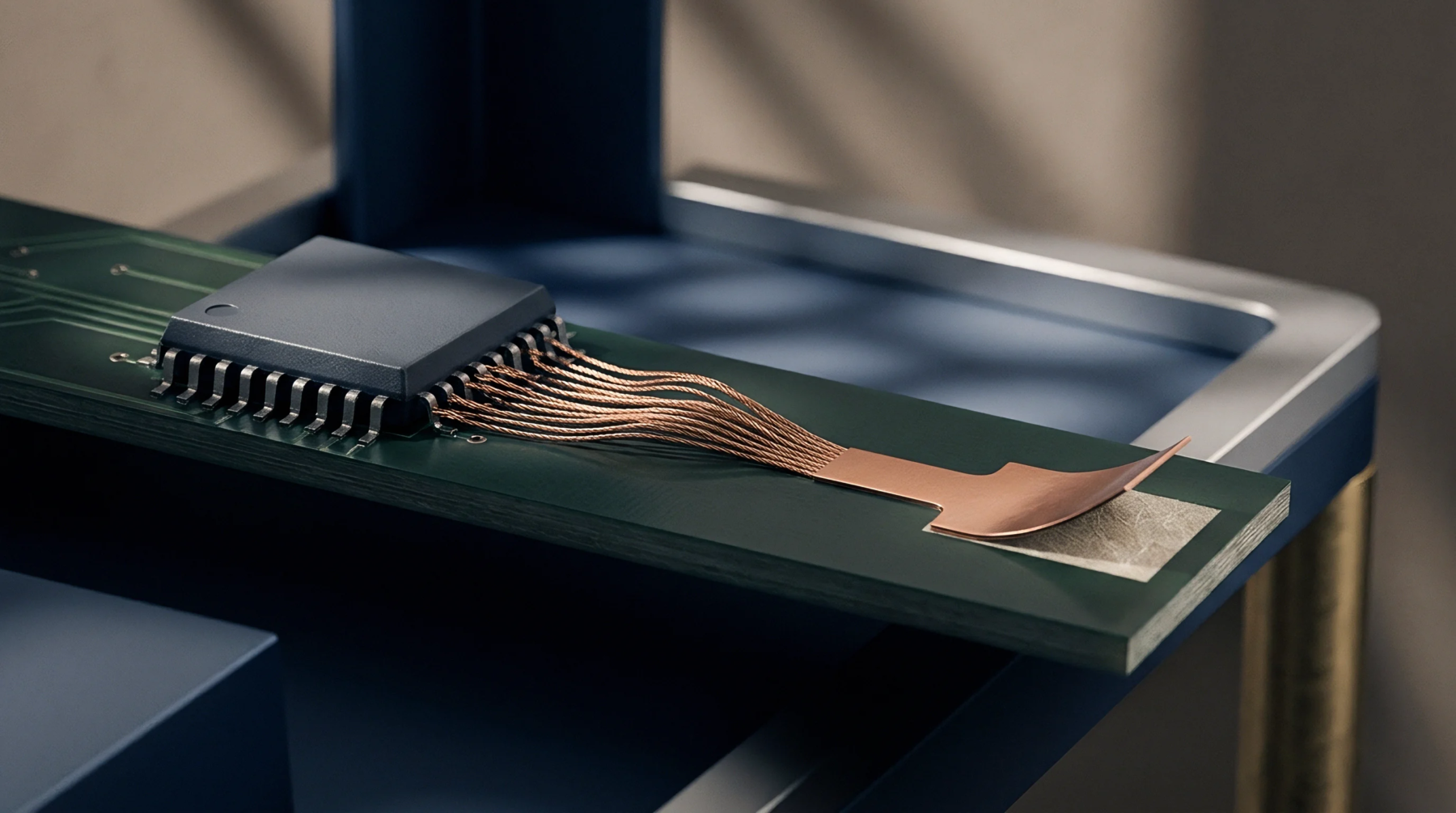
Hybrid multilayer selection pairs low-loss RF laminates with epoxy bases by matching cure windows, controlling z-axis expansion, and optimizing panel yields.
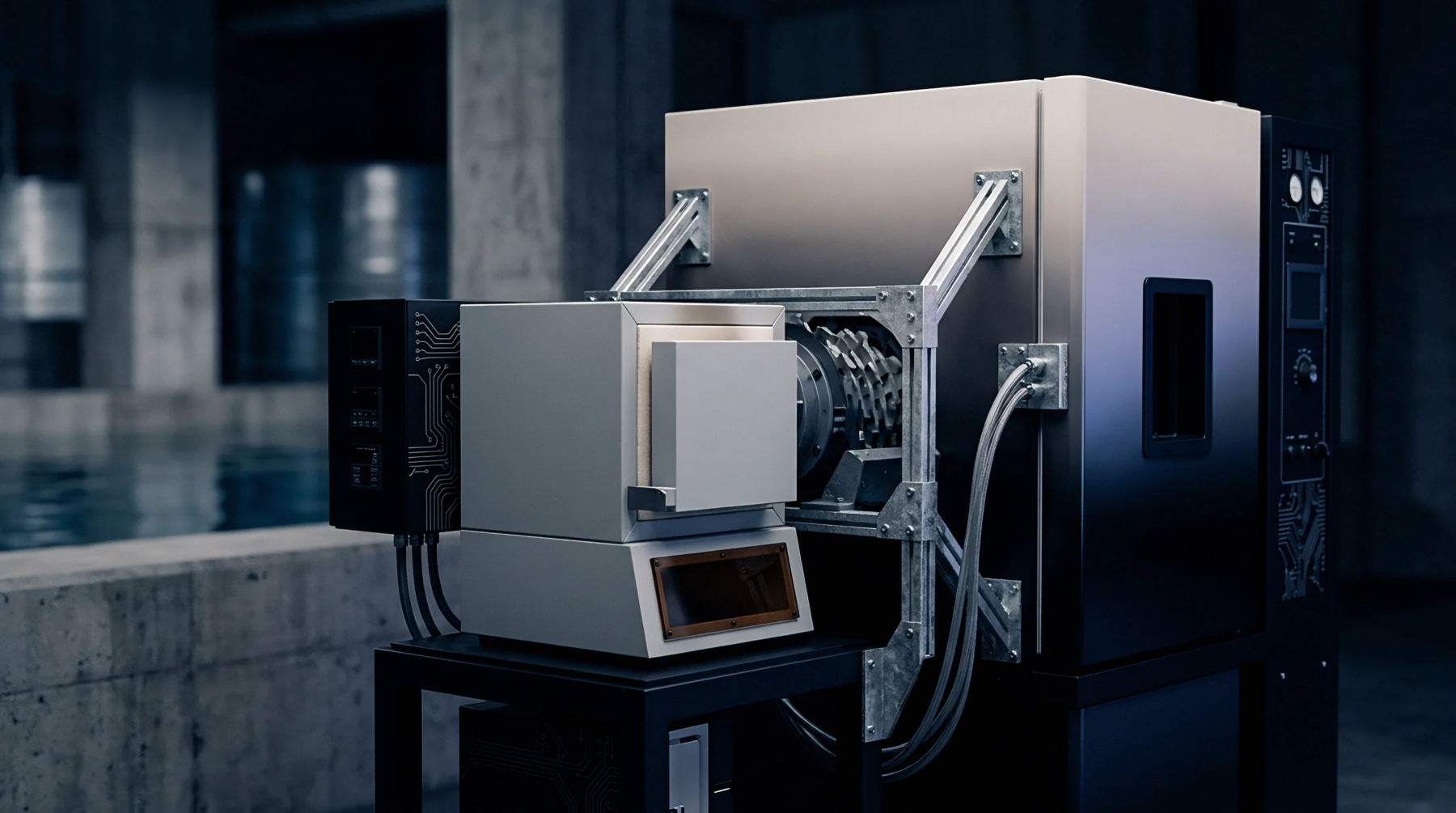
Woven quartz fluoropolymer substrates exhibit directional permittivity splits resolved through tensor modeling, 45-degree layout, and split-post testing.
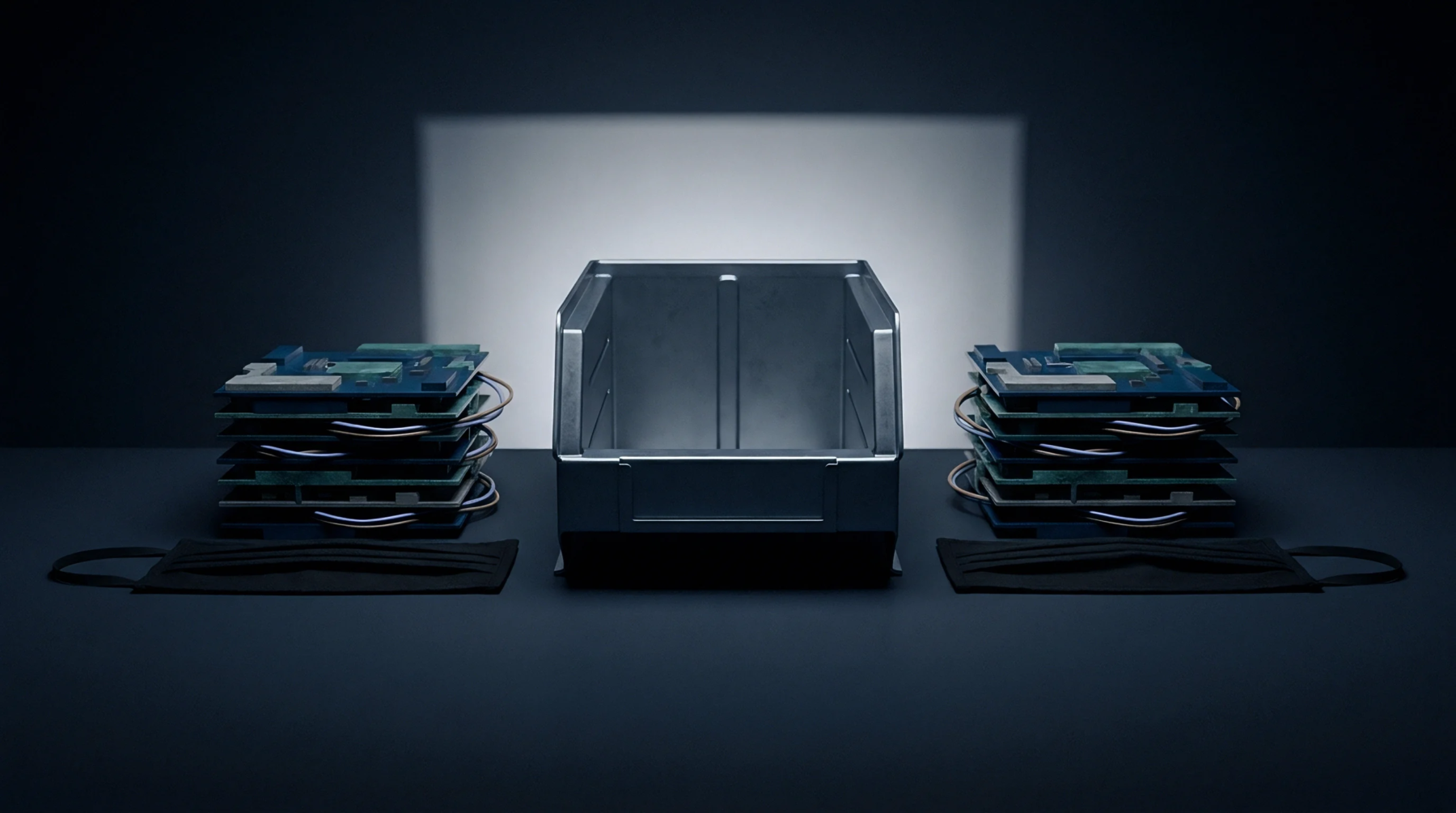
Optimizing plasma desmear for heterogeneous laminates balances differential etch rates across polymer chemistries to ensure plating adhesion without wedge defects.
Optimizing rigid-flex stackups for high-speed signals requires adhesiveless polyimide cores, cross-hatched reference alignment, and staggered rigid transitions.
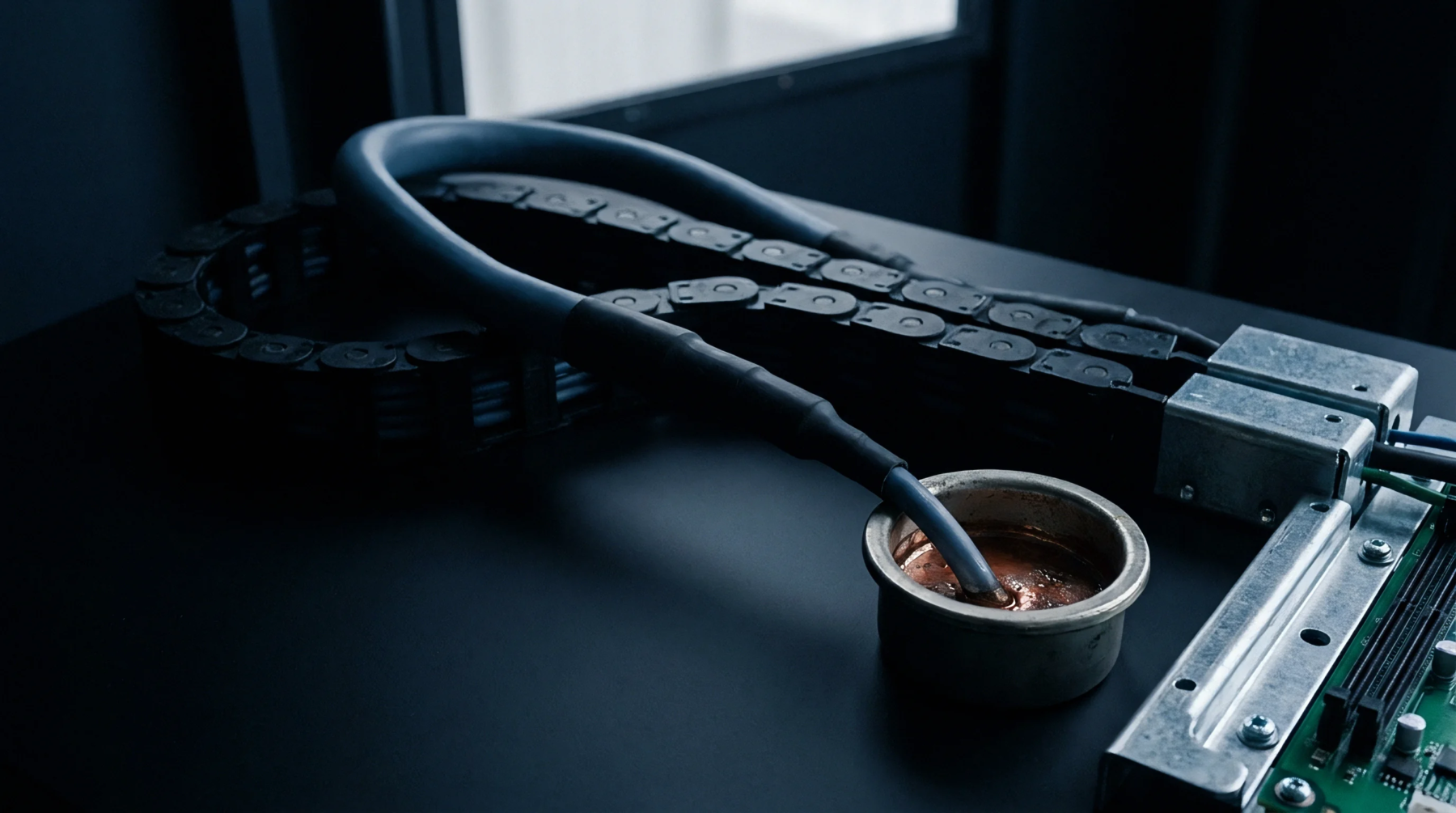
Optimize hybrid PCB fabrication by matching laminate cure kinetics, deploying plasma desmear for mixed resins, and applying layer-specific scaling factors.
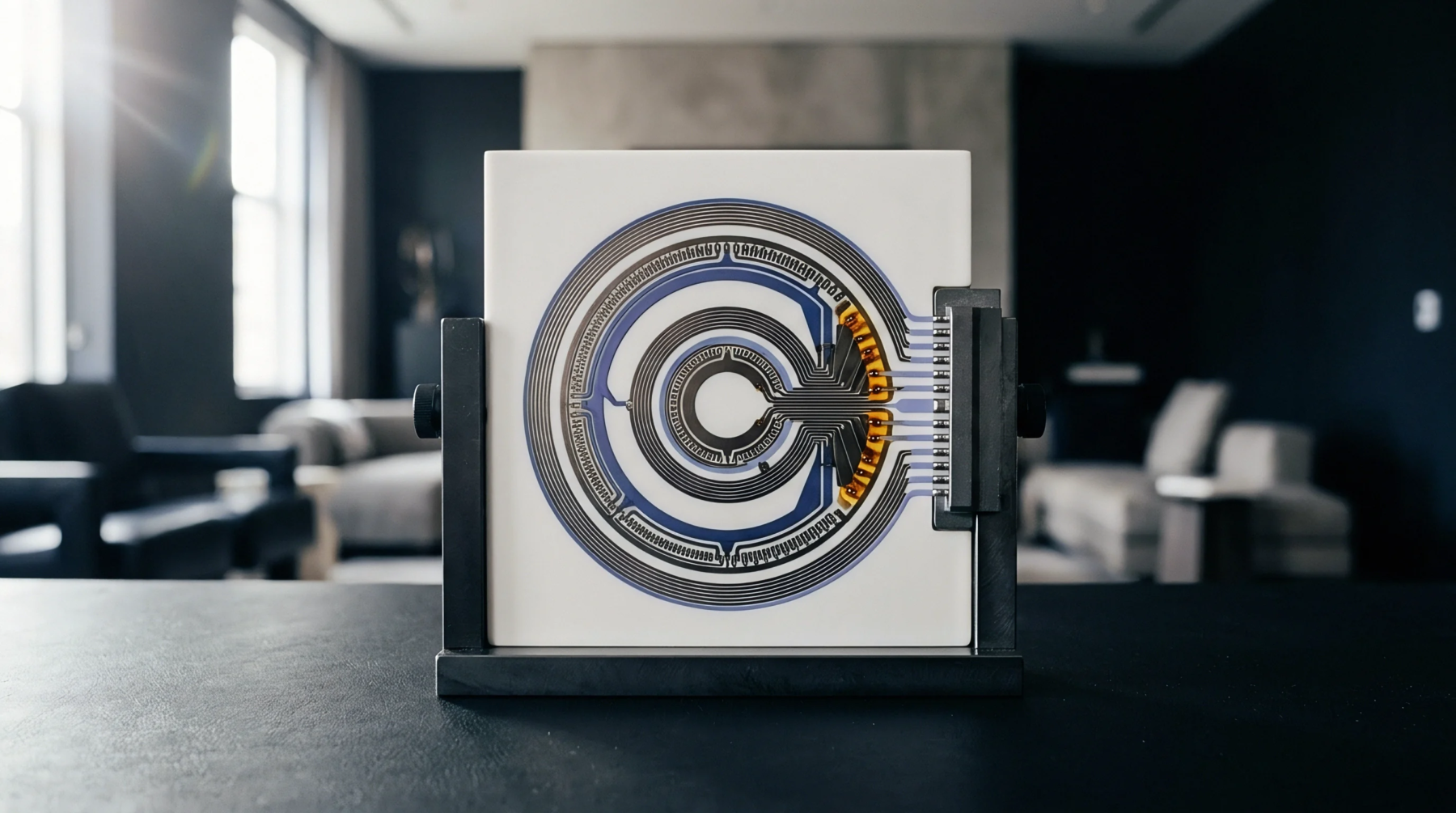
Optimizing hybrid board fabrication requires balancing thermal ramp rates, dual-gas plasma desmear, and pinless registration to eliminate delamination.
Mid-loss laminates optimize high-speed signal reach between 5 and 28 Gbps by controlling dielectric loss without imposing low-loss fluoropolymer costs.
Expertise is a utility, not a secret. sentiention™ publishes its working knowledge as open reference: intelligence layer covering the materials it sources, the markets it enters, and the reference that serves both.