
Heterogeneous Substrate Lamination Rheology and Plasma Desmear Process Optimization
Optimizing plasma desmear for heterogeneous laminates balances differential etch rates across polymer chemistries to ensure plating adhesion without wedge defects.
Optimizing plasma desmear for heterogeneous laminates balances differential etch rates across polymer chemistries to ensure plating adhesion without wedge defects.

Copper density gradients across sequential lamination stackups drive severe shear stress during reflow, requiring thieving and balance rules to protect yield.
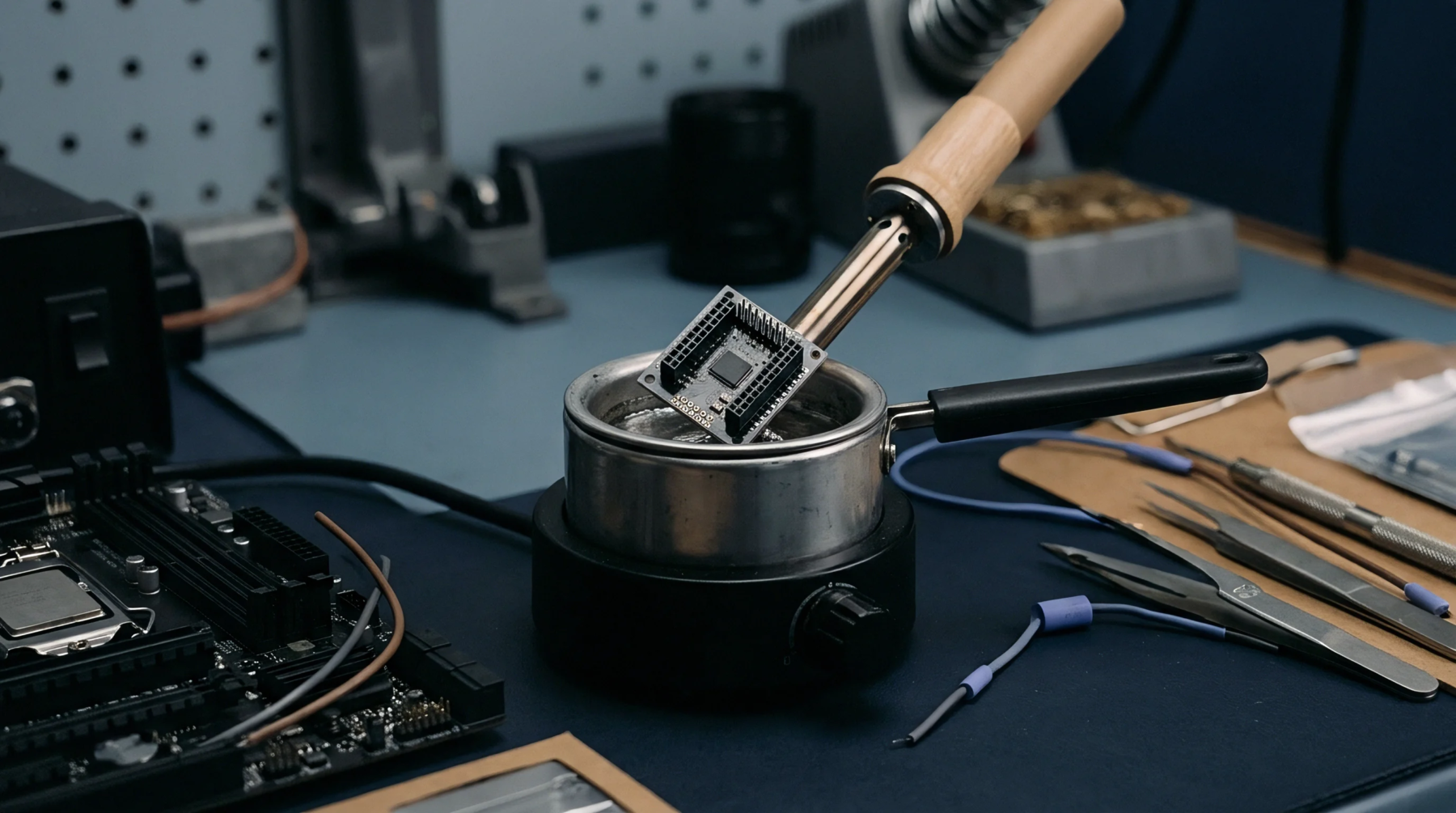
Aligning glass yarn warp directions parallel across every stackup layer prevents asymmetric dimensional shrinkage and eliminates structural panel twist during lamination.

Spatial resin flow and glass weave density variations across woven laminate panels drive localized dielectric drift, requiring strict test protocols and explicit stackup drawing bounds.
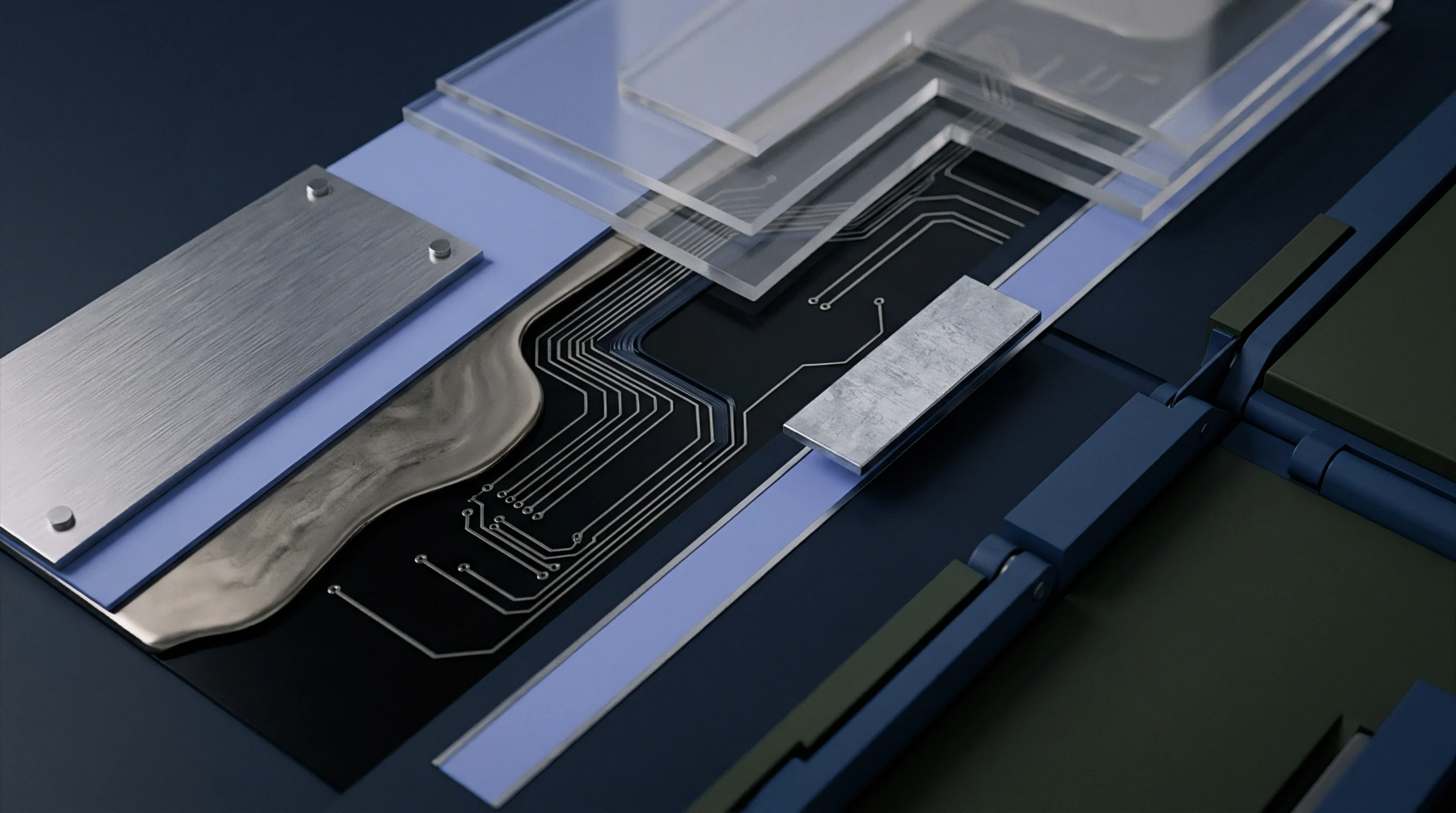
Controlling lamination thermal ramps between 1.5 and 2.0 °C per minute minimizes resin stress and phase skew in sequential multilayer stackups.
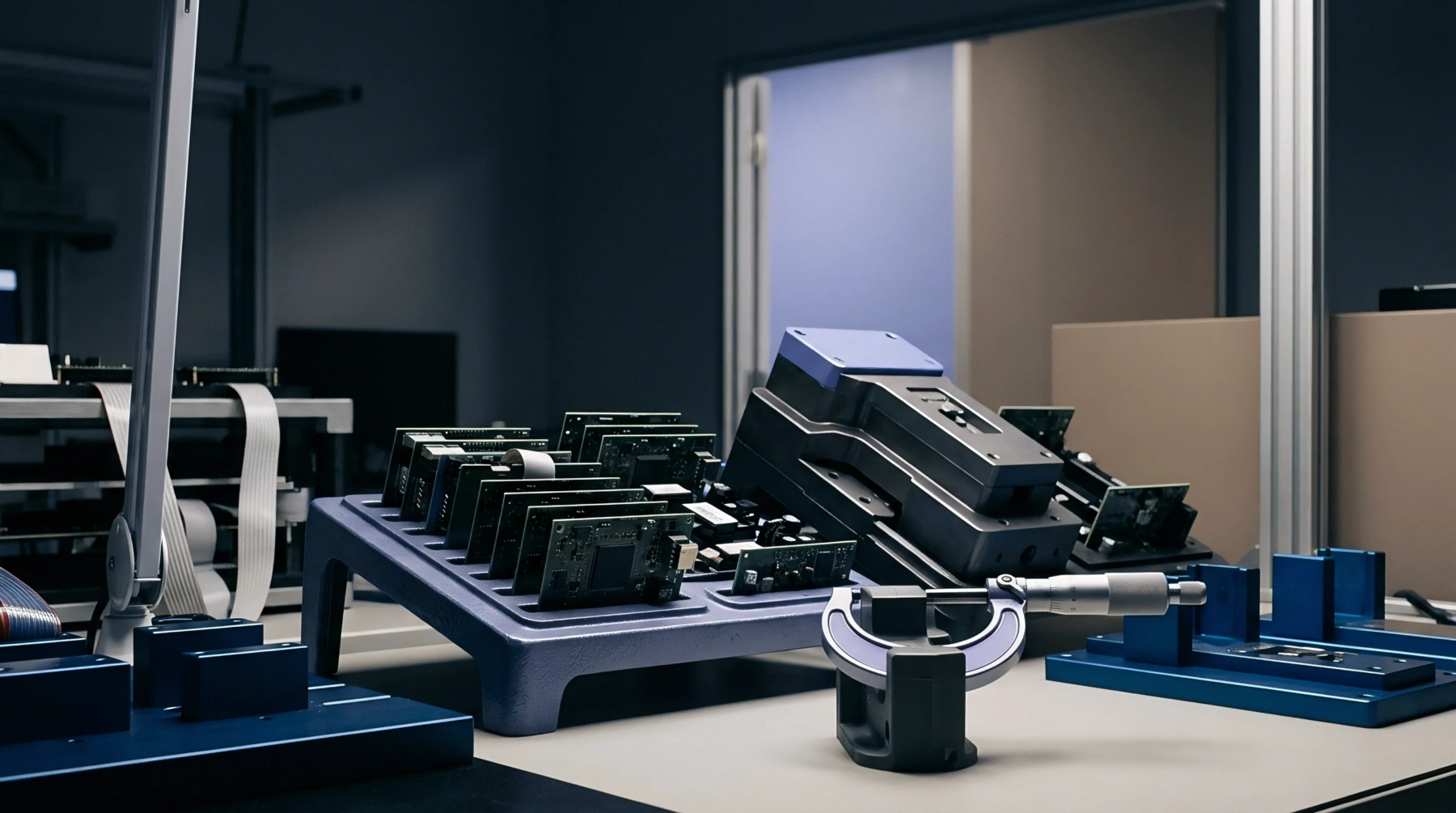
Prepreg resin flow during vacuum lamination requires balancing platen ramp rates against copper fill volume to eliminate internal clearance microvoids.
Dynamic resin squeeze flow across ultra smooth copper foils demands precise thermal press ramping to prevent micro-voiding and hold tightly controlled plane spacing.
Stackup thickness control requires calculating pressed prepreg heights over local copper patterns to hold impedance and microvia drilling tolerances.
Sequential lamination registration drift requires statistical bivariate vector modeling to size microvia capture pads for multi-pass ultra-high-density core panels.
Peripheral coupon TDR reports require empirical offset adjustments derived from physical microsections to accurately reflect functional internal board impedance.
Expertise is a utility, not a secret. sentiention™ publishes its working knowledge as open reference: intelligence layer covering the materials it sources, the markets it enters, and the reference that serves both.