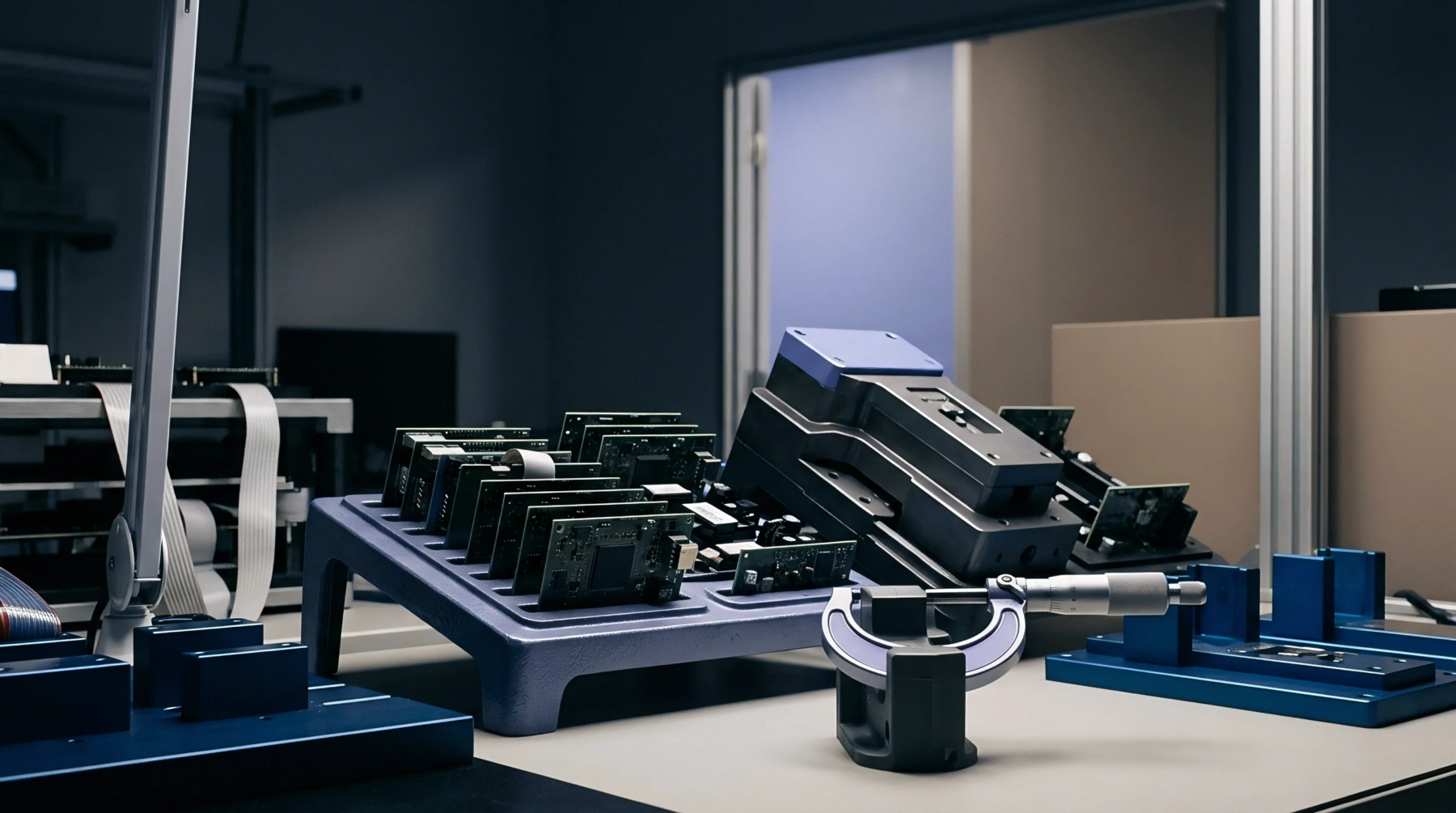
Material Measurement
Dimension changes occur in circuit board substrates during heat exposure because every base resin and reinforcement combination possesses a unique thermal expansion coefficient. This numerical value quantifies the rate at which a material increases in size per degree of temperature rise. Higher figures indicate unstable substrates prone to copper barrel cracking within plated through holes during reflow soldering.
Low values maintain dimensional integrity across the broad range of temperatures found in surface mount assembly processes.
Fabrication Tolerance
Fabricators manage layer alignment by compensating for the drift caused by this property during the lamination cycle. Multilayer boards require precise registration of internal signal planes to ensure that blind or buried vias connect correctly to external pads. Differences in the expansion rates between glass fiber strands and epoxy resin create micro-cracks under repeated thermal cycling.
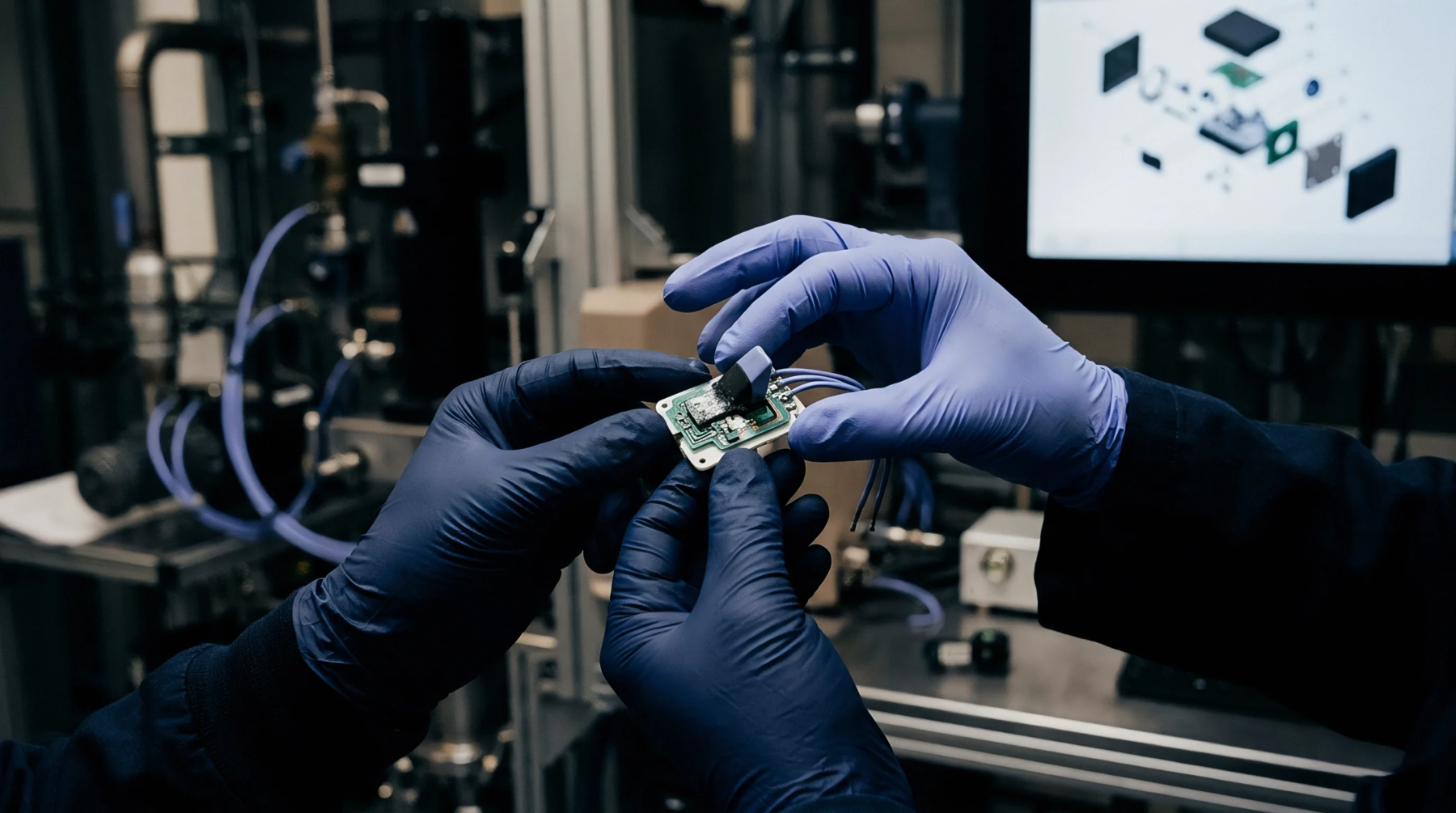
Quality control systems use thermomechanical analysis to verify that incoming laminates meet the specific performance thresholds required for lead free assembly temperatures.
Assembly Performance
High density interconnect designs demand matched materials to prevent mechanical failure at the interface of components and the board surface. Solder joints experience shear stress when the substrate expands at a rate faster than the ceramic or plastic package body during power cycling. Engineers select materials with compatible expansion characteristics to distribute these stresses across the entire solder connection area.
Thermal mismatch leads to premature fracture of the interconnects under harsh operating conditions. Constant monitoring of this physical behavior ensures long term reliability in field applications where power loads fluctuate rapidly.