
Evaluating Resin Content Mismatch in High Speed Multilayer Stackups
Resin content mismatch shifts dielectric constants, alters transmission line impedance, and drives thermal warpage unless glass styles and resin volumes balance.
Resin content mismatch shifts dielectric constants, alters transmission line impedance, and drives thermal warpage unless glass styles and resin volumes balance.
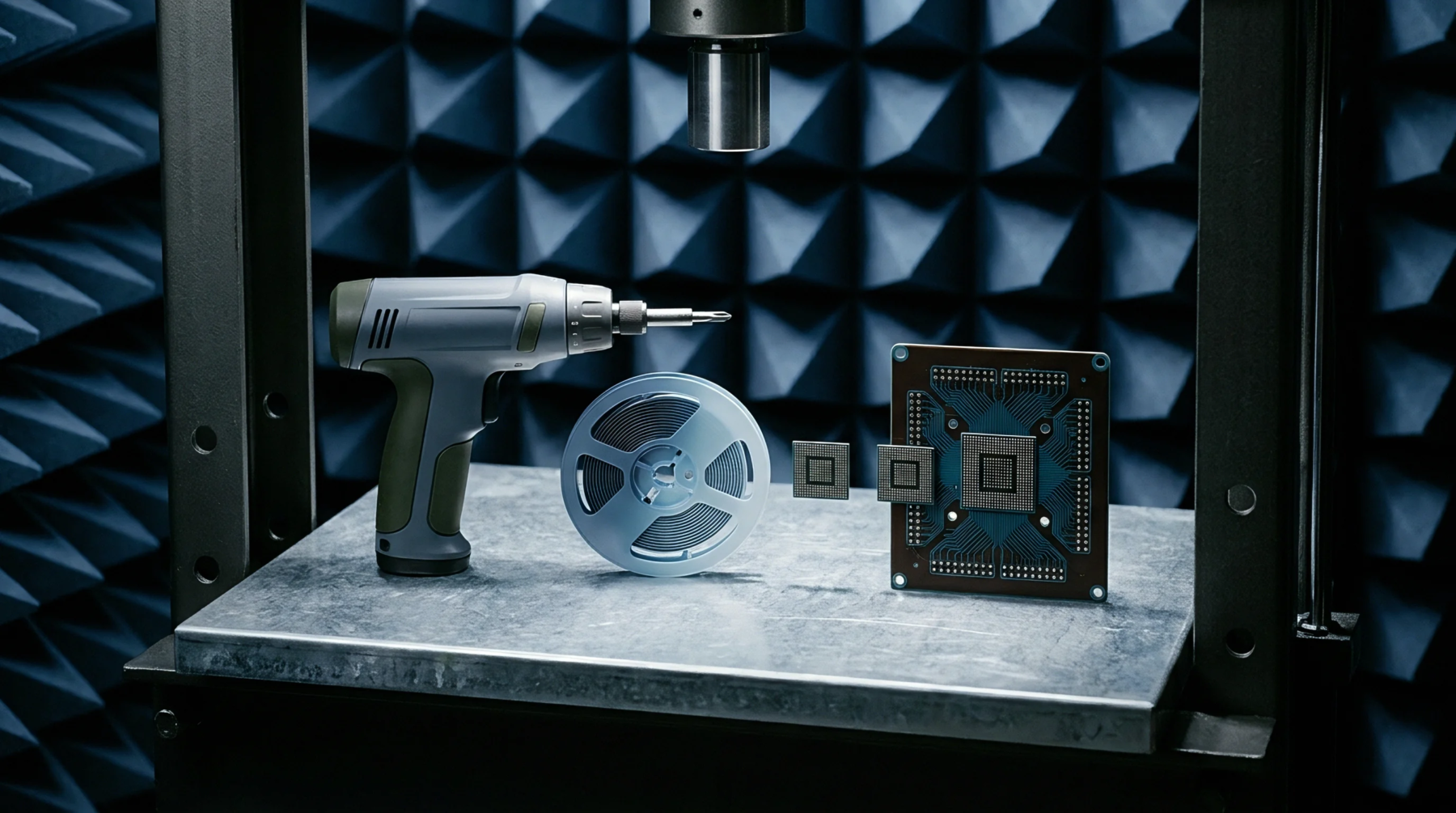
Asymmetric ultra-low-loss stackups shift the neutral axis and concentrate reflow shear strain at copper boundaries, requiring aspect ratios under 10:1 to protect barrel fatigue life.
Asymmetric inner-layer copper weights alter local resin viscosity flow rates during multi-platen pressing, requiring pattern thieving to ensure plane flat panels.

Copper density gradients across sequential lamination stackups drive severe shear stress during reflow, requiring thieving and balance rules to protect yield.
Aligning glass yarn warp directions parallel across every stackup layer prevents asymmetric dimensional shrinkage and eliminates structural panel twist during lamination.
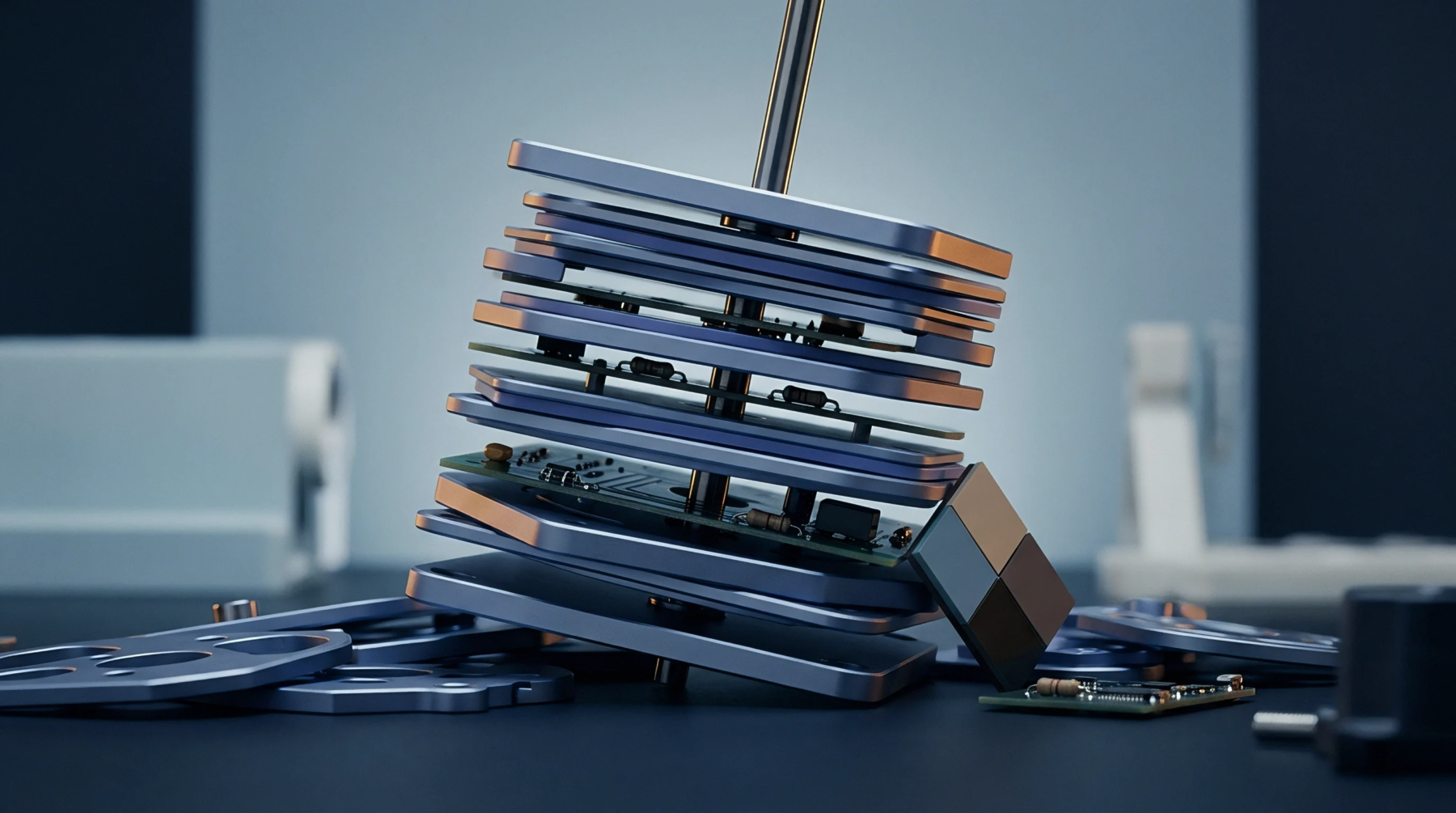
Predict anisotropic deformation in sequential lamination by coupling layer-specific thermal expansion tensors with non-linear viscoelastic resin cure shrinkage.
Stackup selection balances resin flow, z-axis dielectric constants, and panel utilization to fix bare-board cost, impedance tolerances, and factory pool.
Expertise is a utility, not a secret. sentiention™ publishes its working knowledge as open reference: intelligence layer covering the materials it sources, the markets it enters, and the reference that serves both.