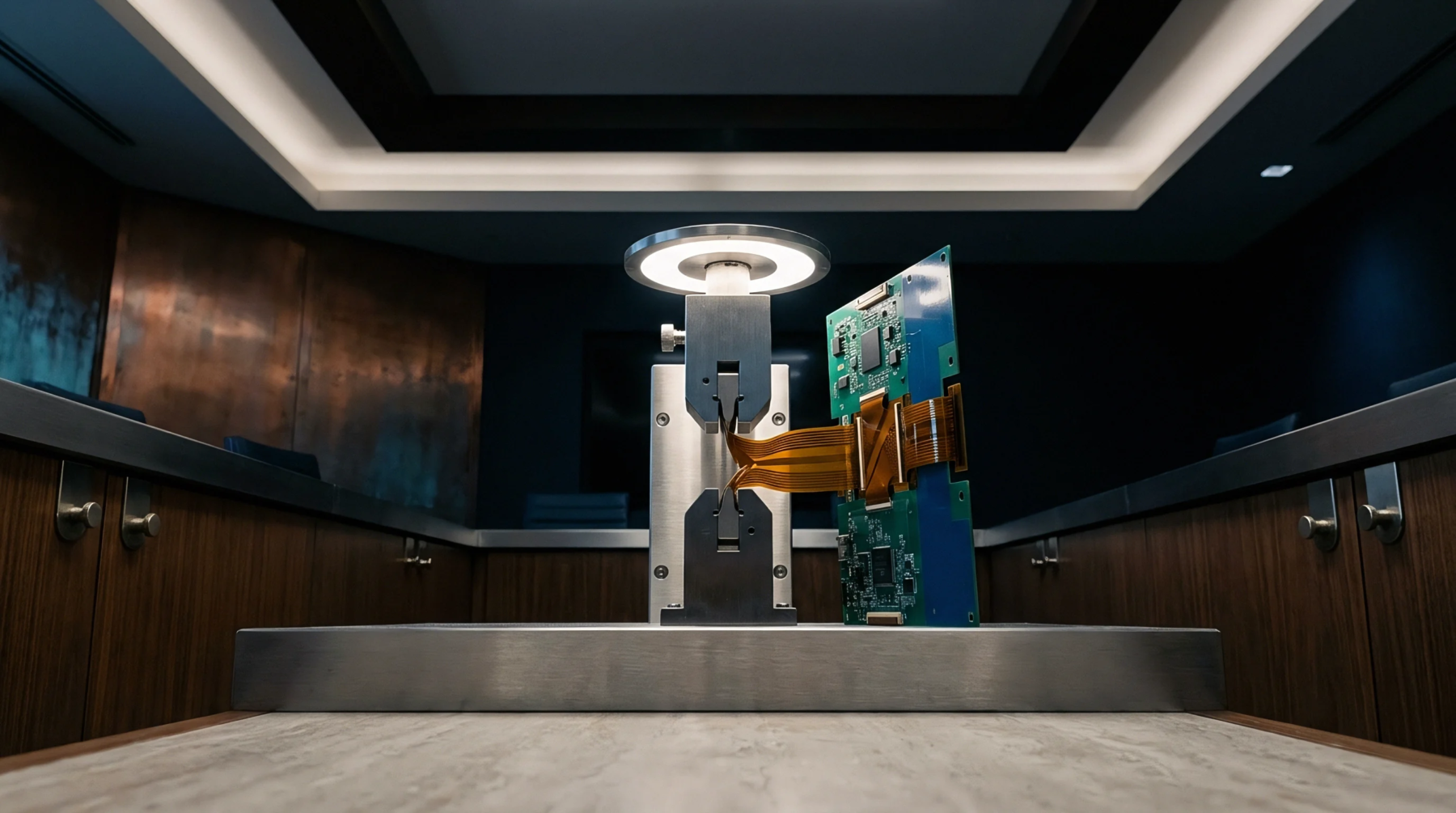
Intermetallic Layer Control and Cooling Dynamics in SMT Assemblies
Optimal reflow cooling between 2.5 and 4.0 degrees per second prevents coarse intermetallic formation, securing high-strain mechanical joint integrity.
Optimal reflow cooling between 2.5 and 4.0 degrees per second prevents coarse intermetallic formation, securing high-strain mechanical joint integrity.
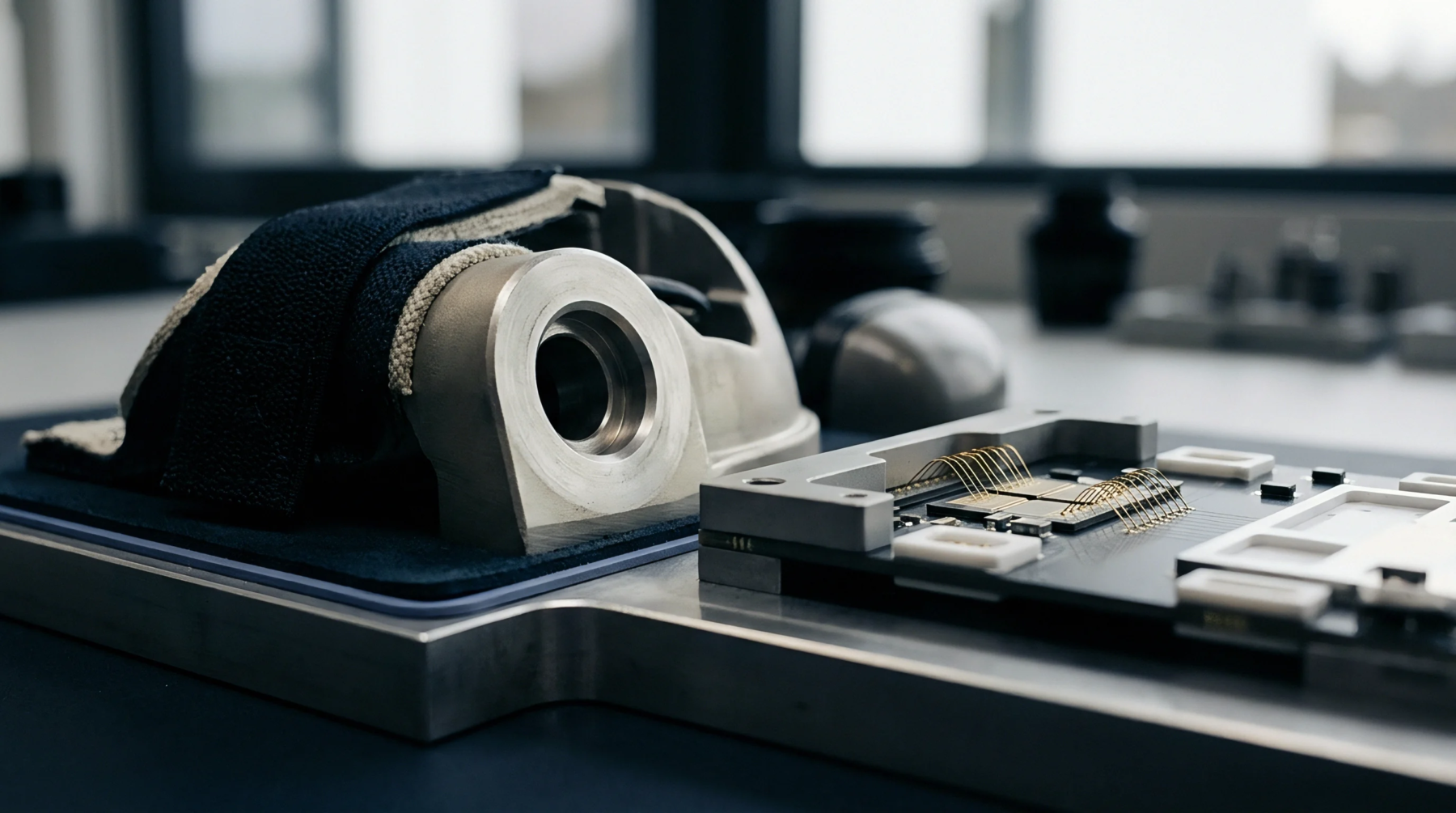
Secondary heat exposure accelerates intermetallic growth, causes void coalescence, and degrades solder joint mechanical strength across multiple reflow passes.
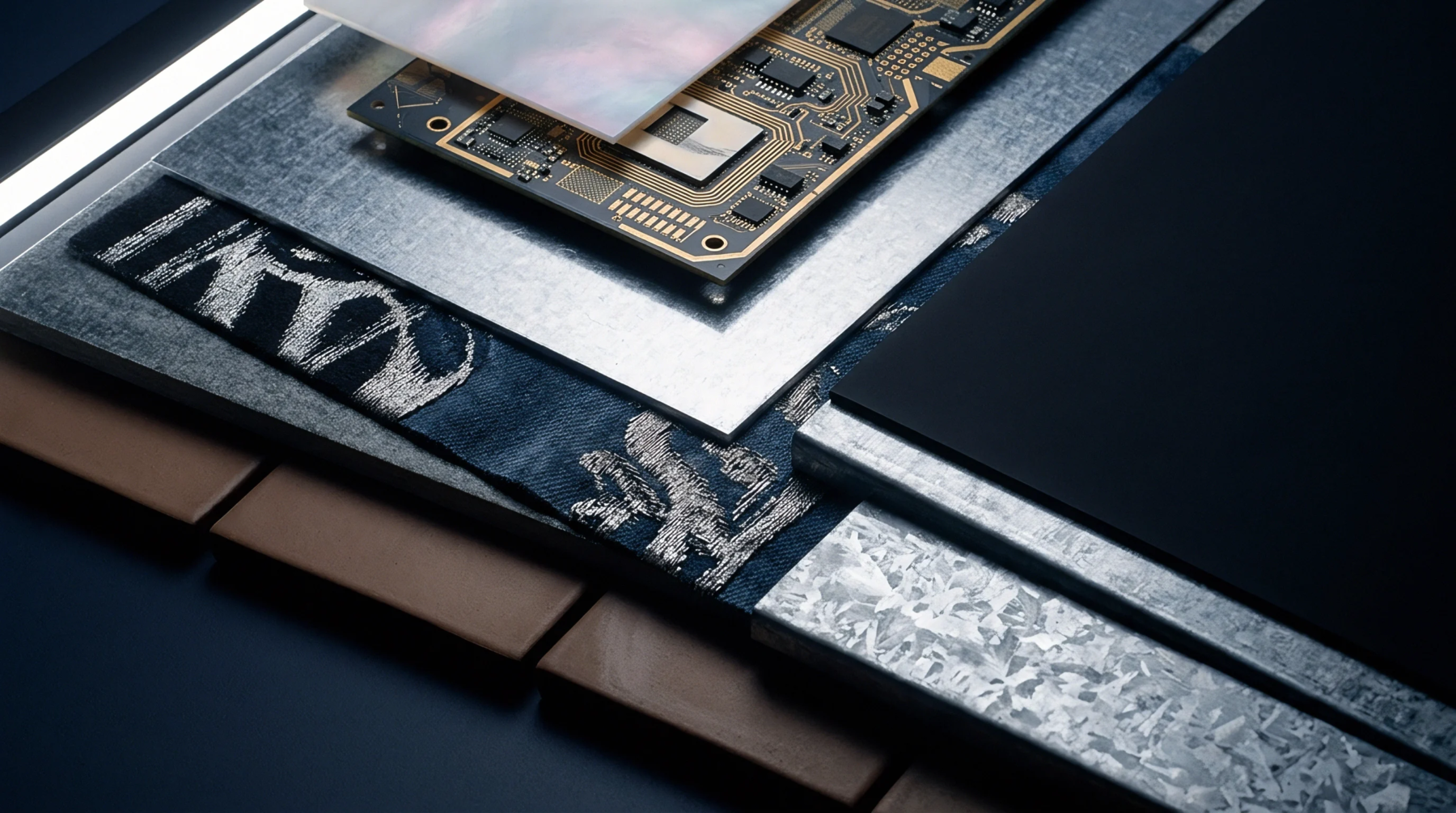
Quasi-optical extraction isolates intrinsic substrate loss from copper roughness, requiring explicit z-axis anisotropy conversion for accurate mmWave stackup design.
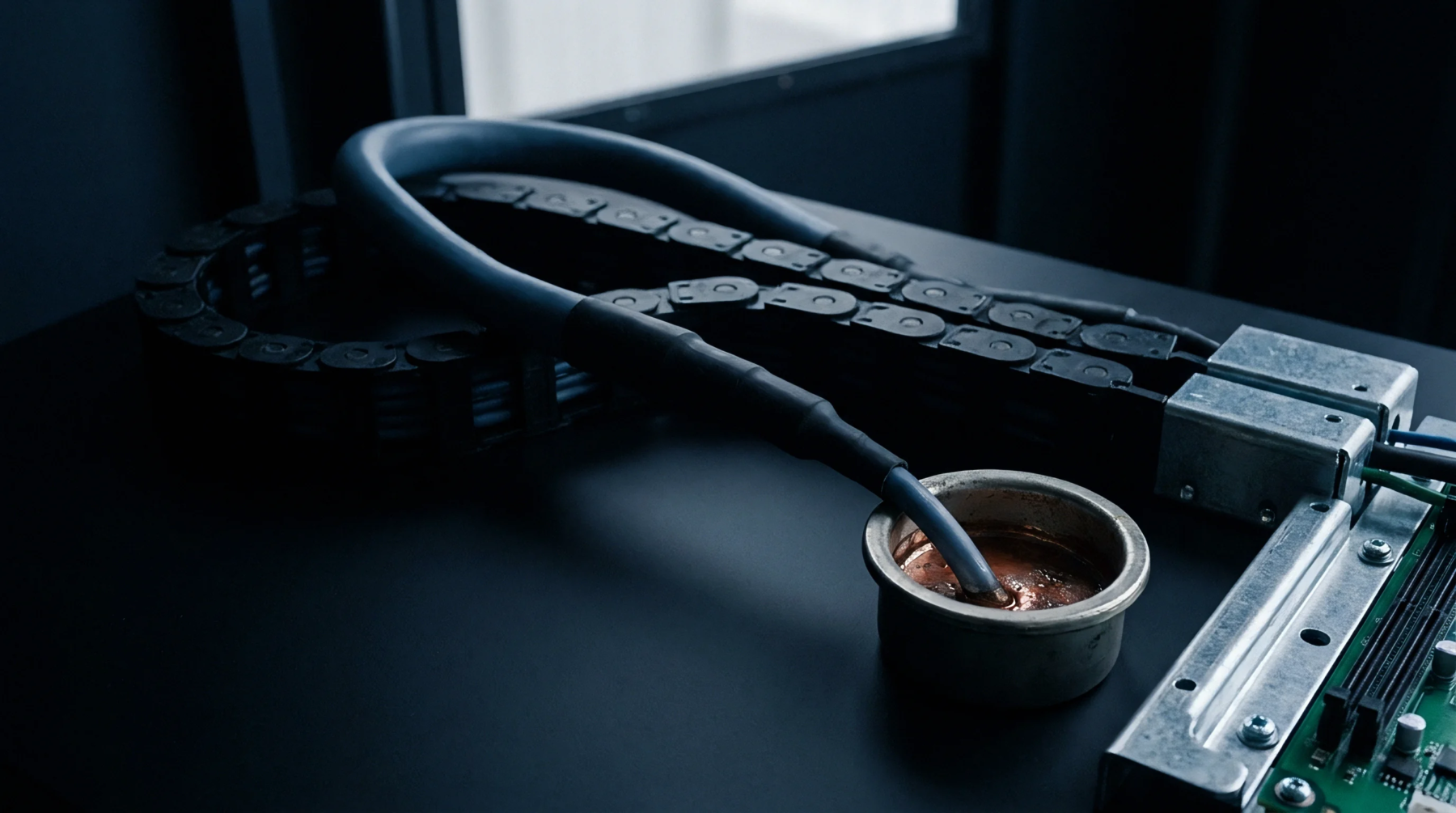
Ensuring complete bottom-side nodal access with standard pad pitch and strain-mitigated fixturing locks in fault coverage and prevents field defect escapes.
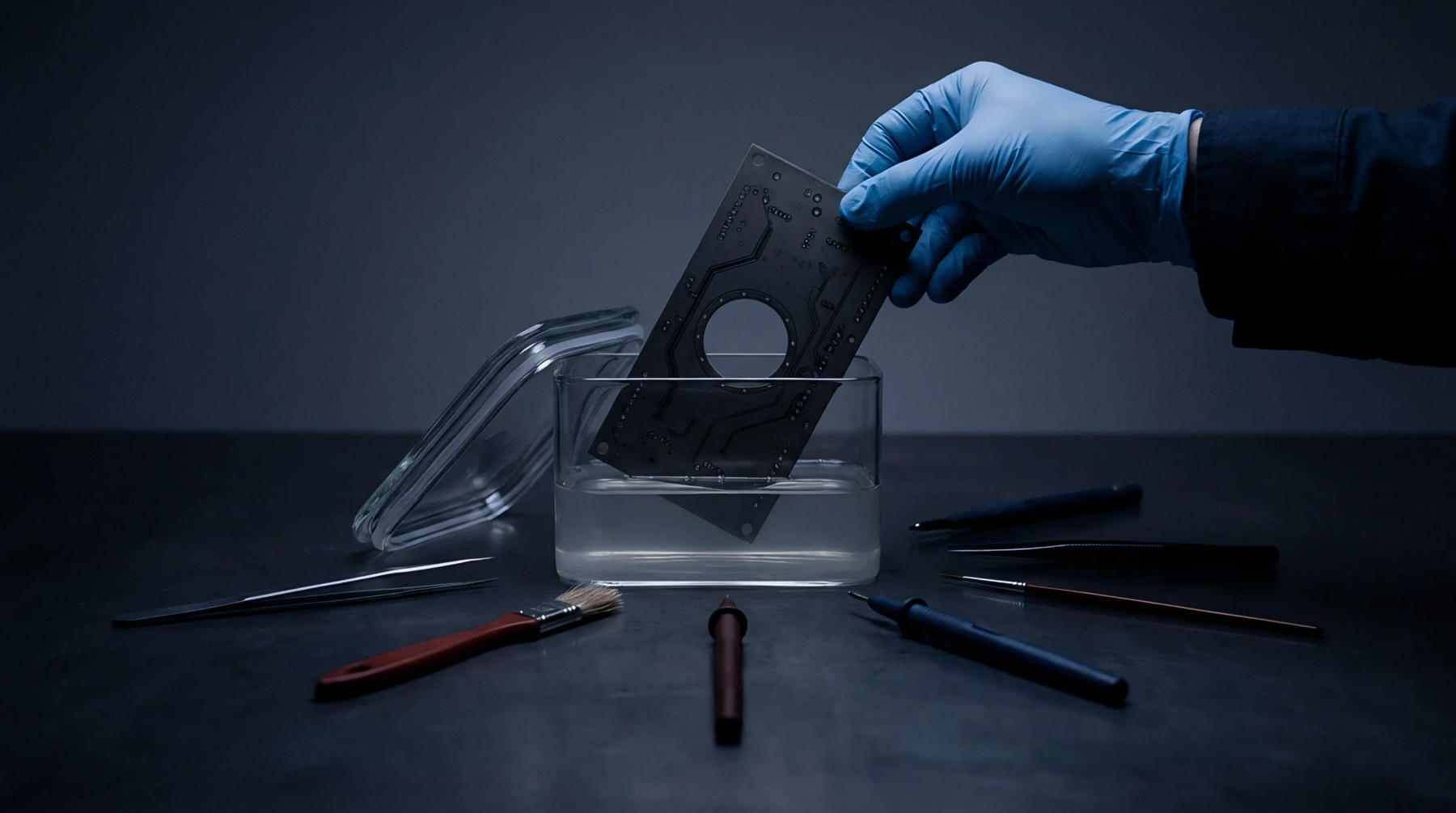
Balancing micro-probe forces with precision push-fingers prevents substrate strain over 500 microstrain, protecting fine-pitch BGAs and MLCCs from fixture damage.
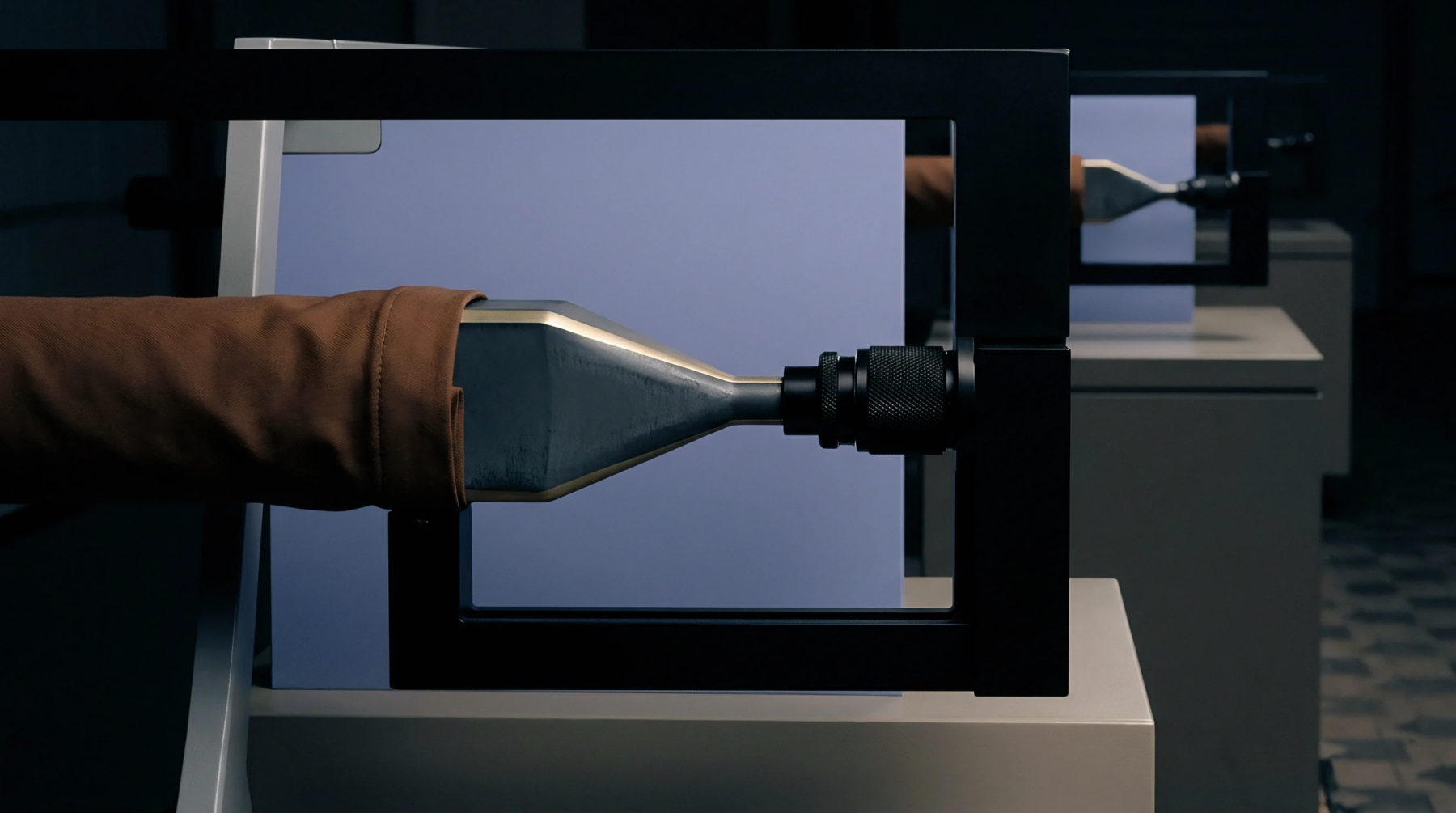
Stackup selection balances resin flow, z-axis dielectric constants, and panel utilization to fix bare-board cost, impedance tolerances, and factory pool.
Expertise is a utility, not a secret. sentiention™ publishes its working knowledge as open reference: intelligence layer covering the materials it sources, the markets it enters, and the reference that serves both.