Thermal Coefficient of Dielectric Constant in Ultra Low Loss Laminates
Substrate TcDK defines high-frequency phase and impedance drift across temperature, requiring ceramic-filled composites to prevent operational signal failures.
Substrate TcDK defines high-frequency phase and impedance drift across temperature, requiring ceramic-filled composites to prevent operational signal failures.
Tensorial permittivity variance shifts high-frequency phase and impedance across temperature unless stackups balance mechanical strain and trace topologies.
Clamped stripline testing measures raw laminate permittivity at 10 GHz, but entrained air films depress extracted Dk relative to bonded production boards.
Optimize hybrid dielectric lamination through dual-stage pressure profiles, vacuum extraction, and controlled cooling to resolve CTE and resin flow mismatches.
Fluoropolymer substrates absorb minimal water, but interfacial moisture traps degrade dielectric loss and shift high-frequency attenuation stability over time.
Asymmetric ultra-low-loss stackups shift the neutral axis and concentrate reflow shear strain at copper boundaries, requiring aspect ratios under 10:1 to protect barrel fatigue life.
Sub-millimeter spatial dielectric variations from glass weaves and filler distribution shift dynamically under heat, requiring spread glass and low TCDk resins.
Optimize hybrid PCB fabrication by matching laminate cure kinetics, deploying plasma desmear for mixed resins, and applying layer-specific scaling factors.
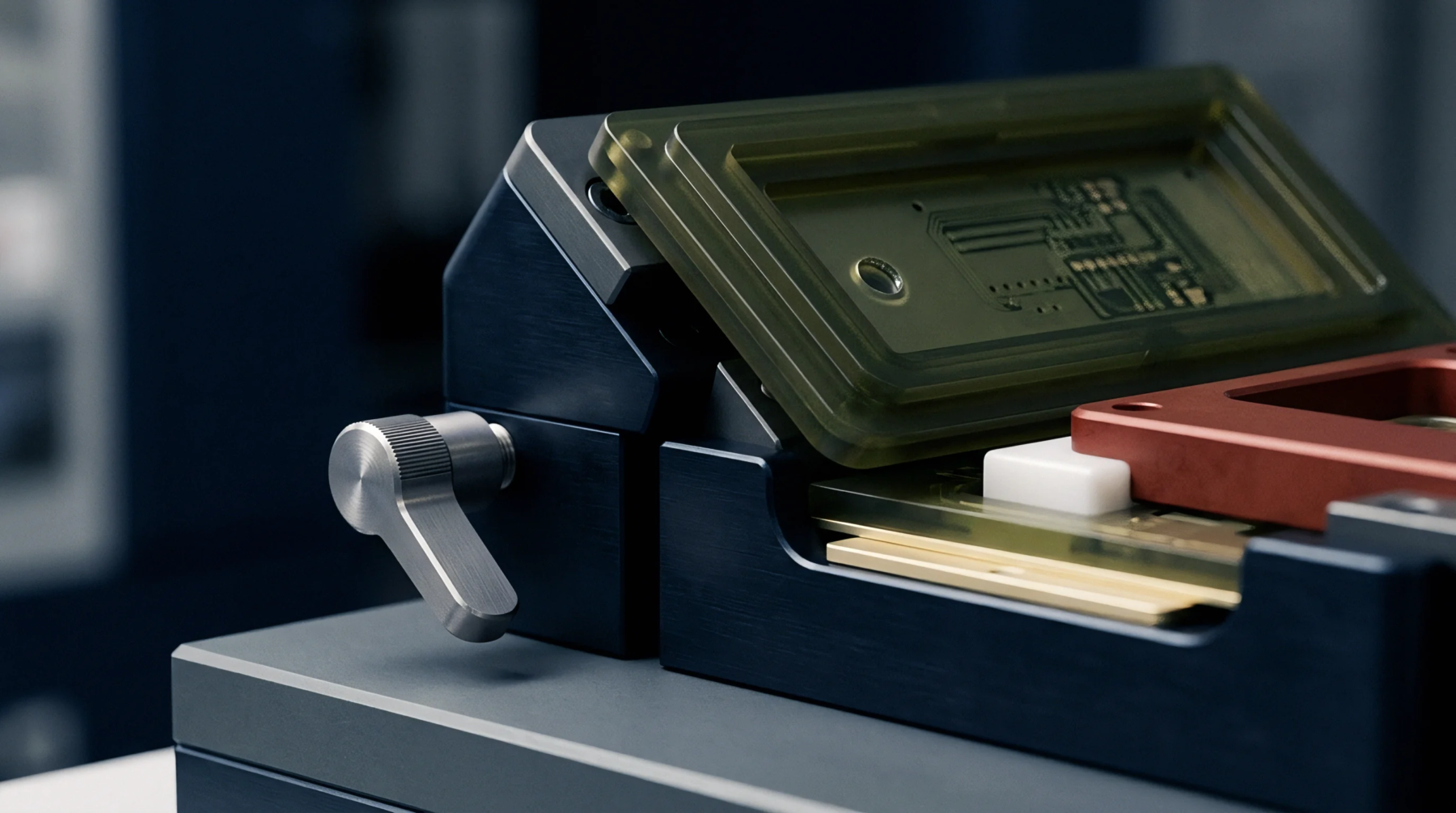
Hydrophobic organosilane surface treatments on low-loss microwave substrates suppress moisture-induced Df drift and enable ultra-smooth copper foils.
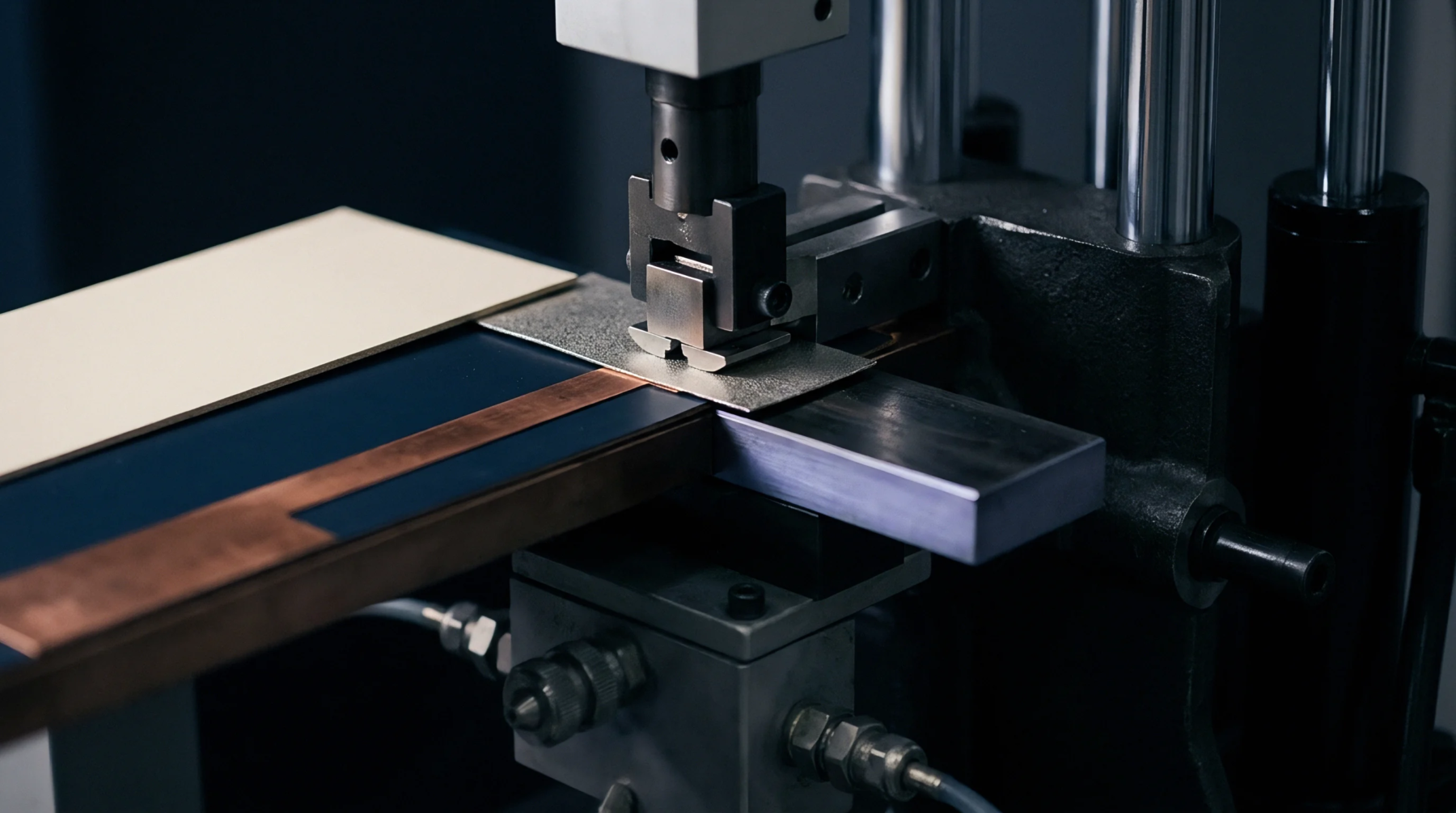
Controlling master panel resin flow gradients stabilizes dielectric tensor anisotropy and prevents high-frequency parametric yield collapse.
Expertise is a utility, not a secret. sentiention™ publishes its working knowledge as open reference: intelligence layer covering the materials it sources, the markets it enters, and the reference that serves both.