Signal Stability
Attenuation variation over time within a high-frequency interconnect characterizes the performance of insertion loss drift. Deviations in power transmission arise as dielectric materials or conductive paths degrade under environmental stress. Such instability occurs when moisture absorption alters the permittivity of the printed circuit board substrate.
Thermal cycling also forces mechanical shifts in the contact interface between connectors and traces. These transitions create impedance discontinuities that shift the total signal power loss from an established baseline. Designers quantify this movement in decibels to determine the reliability of a high-speed transmission channel across a specified operational lifespan.
Fabrication Variance
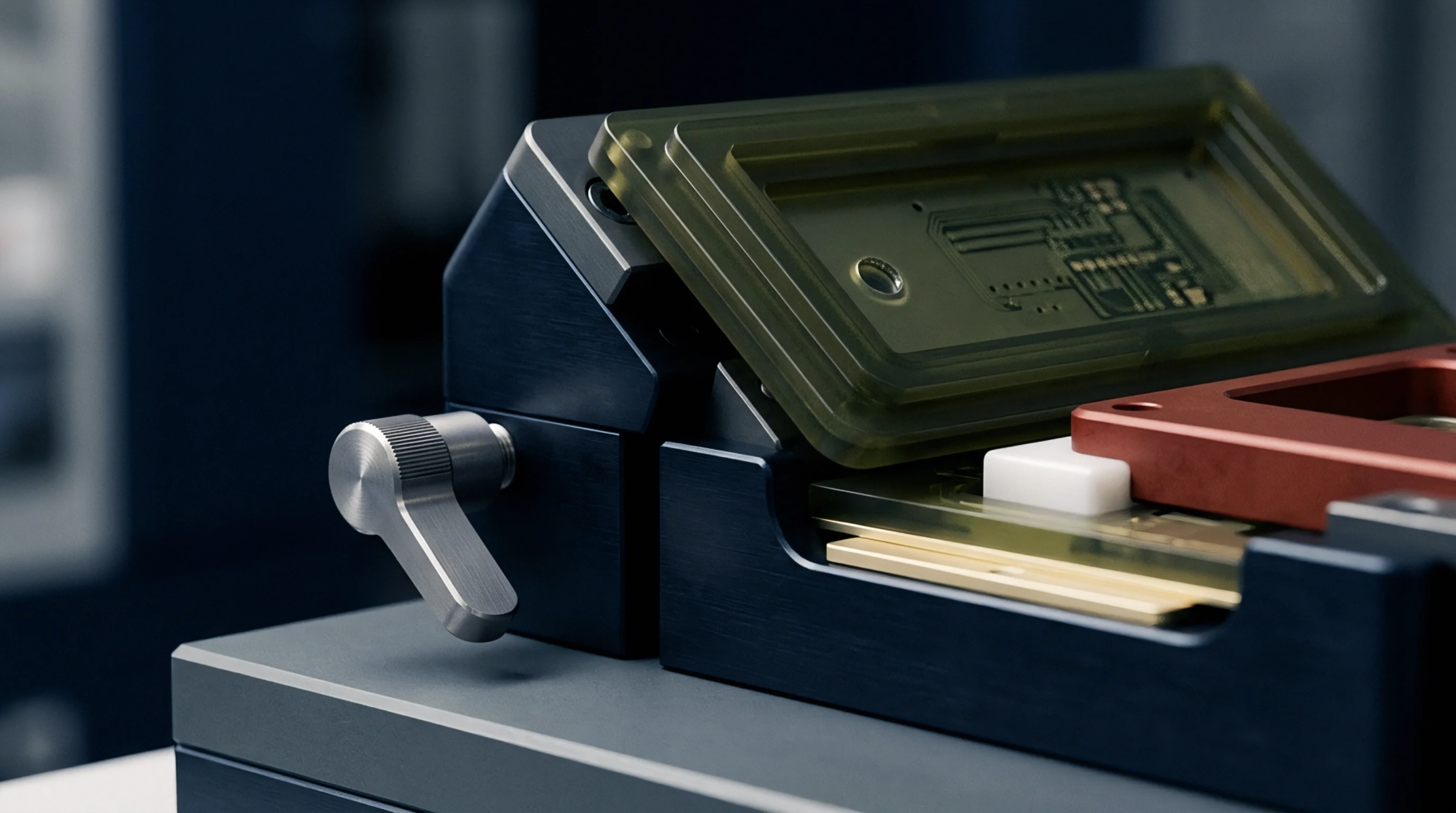
Internal material properties influence how much insertion loss drift a circuit board experiences during its active duty. Variations in the glass weave of the laminate contribute to inhomogeneous dielectric constants that respond inconsistently to temperature changes. Thin copper foils exhibit different thermal expansion coefficients than the supporting resin, potentially causing micro-fractures in signal lines over time.
Excessive heat during soldering stages causes the molecular structure of the substrate to shift permanently, predetermining the baseline for future signal attenuation. Reliable manufacturing requires strict control over the curing cycles of resins to minimize the potential for subsequent dimensional changes.
Assembly Reliability
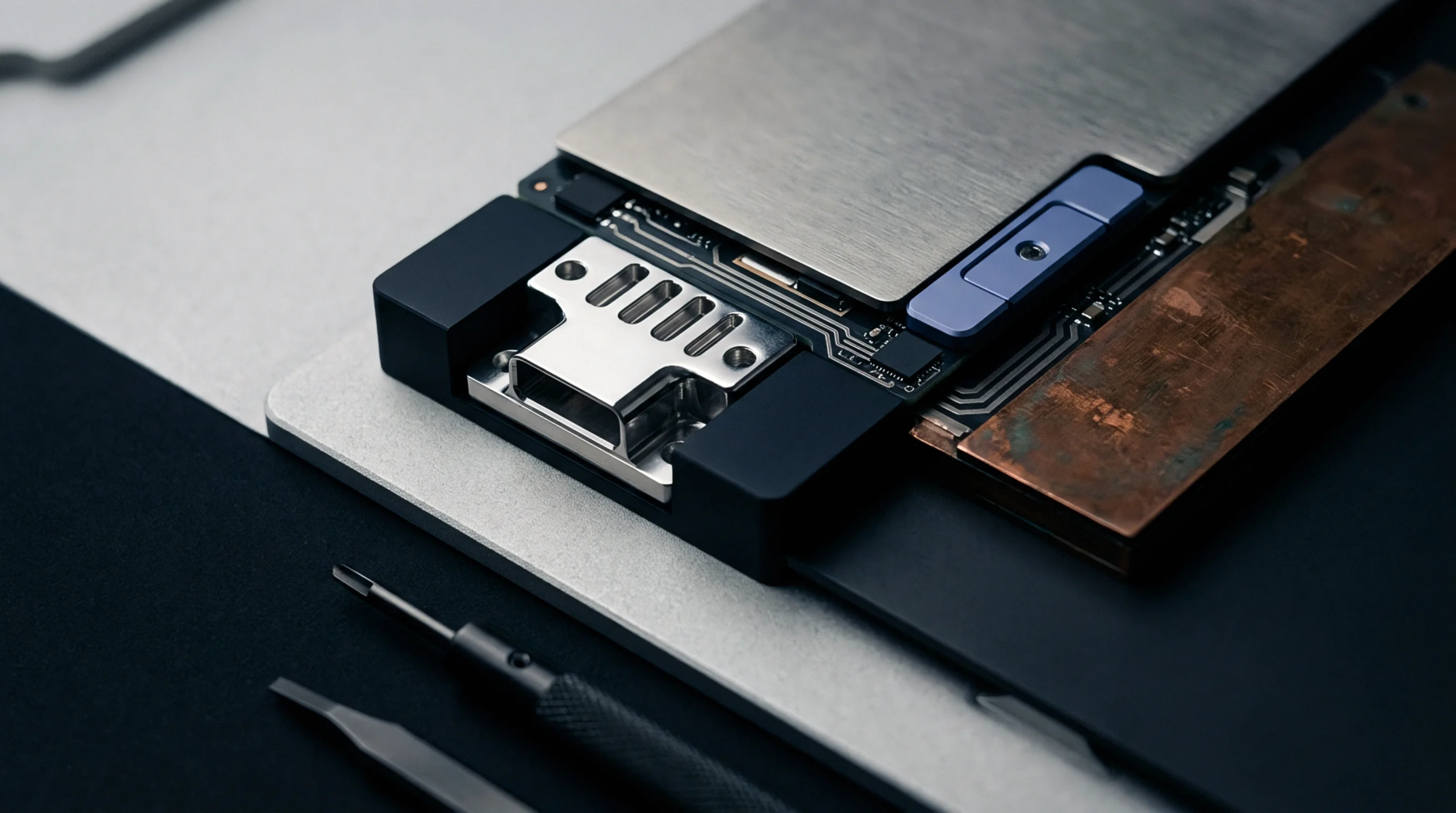
Proper component placement and mechanical fixation mitigate insertion loss drift by reducing physical strain on solder joints. Constant pressure from mounting hardware prevents micro-movements in high-frequency connectors that would otherwise introduce parasitic capacitance. Thermal management structures within the assembly maintain a stable operating temperature to limit the expansion of conductive paths.
Securely anchored components resist mechanical fatigue that typically leads to increased signal attenuation under vibrating conditions. Consistent signal integrity depends upon these mechanical constraints staying firm throughout the entire service duration of the hardware.