Insulation Limit
Solid electrical components fail permanently when an applied voltage gradient exceeds the atomic bond strength of the insulating substrate, creating a permanent conductive path through the material. Dielectric breakdown represents a critical voltage threshold at which a nonconductive material undergoes an irreversible transition to a state of total structural degradation. High electric fields pull electrons away from their host atoms, triggering an avalanche current that physically melts or carbonizes the surrounding resin and glass fiber matrix.
Engineers define this threshold in terms of volts per unit thickness, though actual performance depends heavily on the uniformity of the material and the presence of localized air voids.
Failure Path
Contamination during lamination generates internal stresses that lower the effective voltage capacity of the assembly. Manufacturers apply high potential testing to detect these flaws after the copper etching process, where the insulation remains exposed. Voltage stress forces current through microscopic fissures in the laminate, leaving behind a carbon track that renders the circuit board unusable.
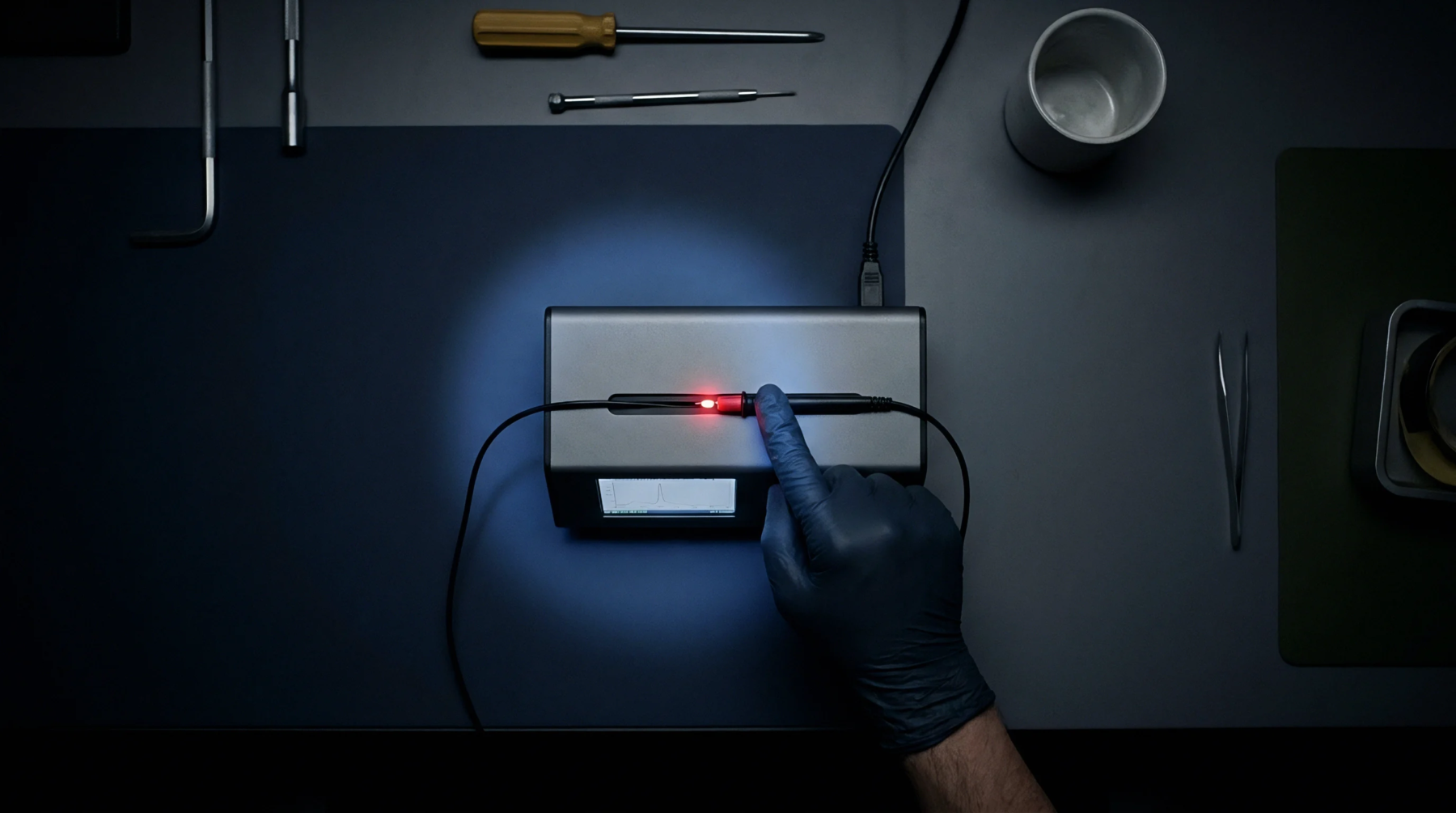
Testing equipment ramps the voltage until current leakage spikes, indicating that the lattice structure can no longer maintain charge separation. Precise control of the resin content during the layup stage prevents these weak points from forming in the first place, ensuring that the dielectric stays intact under operational load. Material datasheets specify a minimum withstand voltage, but actual performance on the factory floor varies according to the thickness of the prepreg and the density of the glass weave.
Field Stress
Moisture absorption increases the susceptibility of boards to internal arcing, as water molecules lower the ionization energy required for current to jump across insulating gaps. Elevated temperatures aggravate this condition by softening the thermoplastic components of the epoxy resin. Designers must provide adequate spacing between conductive traces to keep the electric field intensity below the rated limit of the laminate.
Failure occurs suddenly without external signs of heat damage on the surface. Long-term reliability depends upon consistent vacuum pressing to remove all entrapped gases that promote ionization within the board.