Elevated Cycling
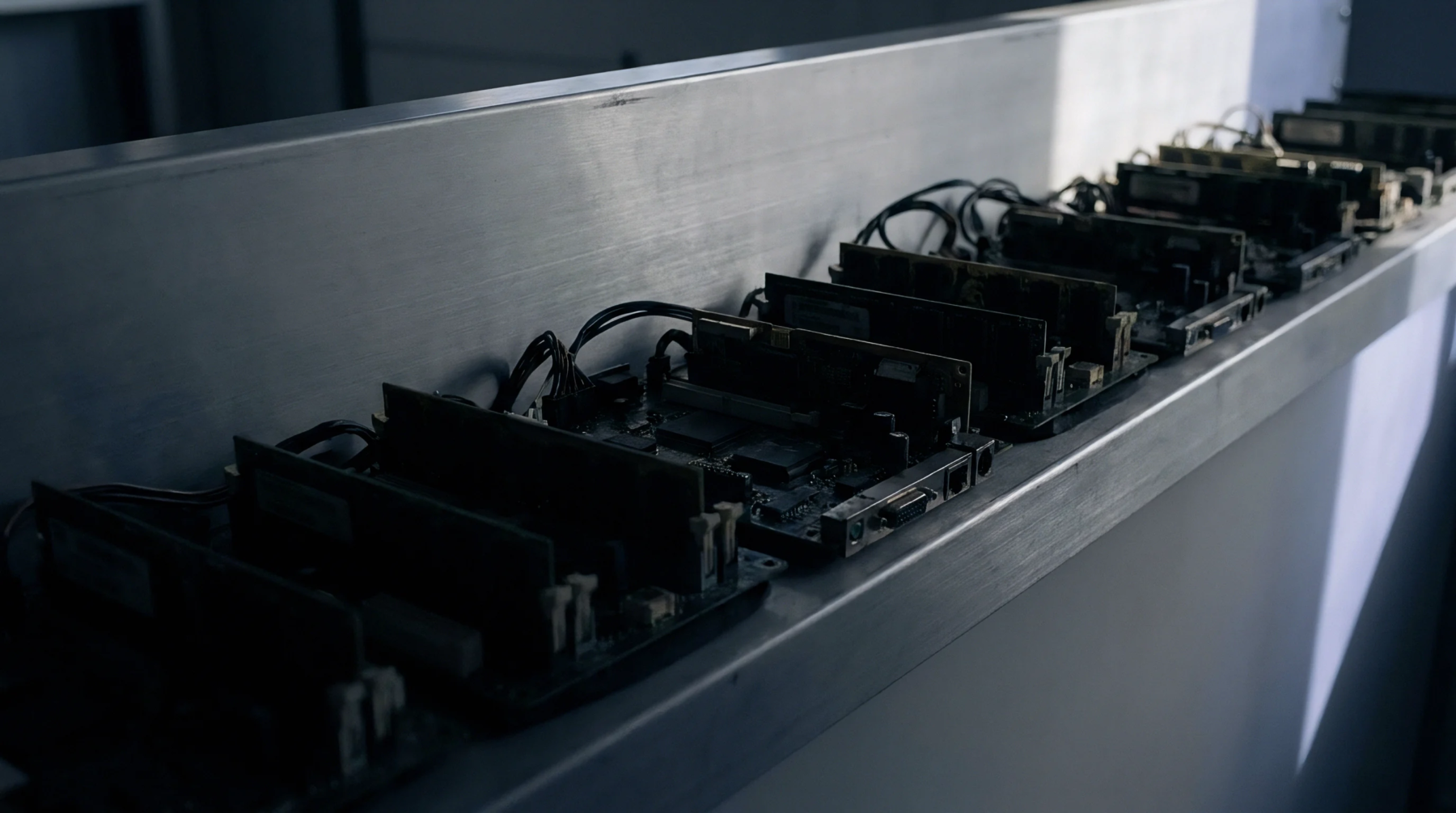
Sustained high-temperature electrical biasing forces early component-level and board-level defects into full operational failure under monitored factory conditions. Electronic manufacturing plants deploy thermal burn-in inside bulk environmental chambers where populated printed circuit board assemblies run under full power loads at temperatures between eighty-five and one hundred and twenty-five degrees Celsius for durations ranging from twenty-four to one hundred and sixty-eight hours. The elevated thermal environment accelerates temperature-dependent degradation mechanisms, filtering out weak parts before field deployment.
Infant Mortality
Semiconductor packages and passive board components exhibit predictable Arrhenius failure acceleration under combined electrical and thermal stress. During dynamic thermal burn-in, microelectronic packages undergo continuous functional pattern cycling while power supply voltages are swept between nominal and upper specification thresholds. This harsh operating state causes gate oxide breakdown in marginal silicon, accelerates electromigration across degraded internal bond wires and induces open circuits in weak solder joints.
Multi-layer circuit boards harboring contamination residues experience conductive anodic filament growth during burn-in, blowing monitored power supply fuses and flagging defective assemblies. Automated data acquisition systems monitor board telemetry across the run duration, mapping out failure timestamps to verify when the infant mortality period terminates.
Chamber Verification
Continuous current monitoring across individual chamber slots detects instantaneous power shorts and dynamic functional drops. Board lots that display failure rates exceeding statistical process control baselines undergo containment isolation and thorough failure analysis. Completed burn-in profiles qualify safety-critical assemblies for mission-ready deployment.