
Identifying Electrical Defect Escape Vectors in High Speed In-Circuit Testing
Eliminating high speed ICT escape vectors demands AC boundary scan integration, controlled overdrive pulse timing, and board strain limits during fixture probing.
Eliminating high speed ICT escape vectors demands AC boundary scan integration, controlled overdrive pulse timing, and board strain limits during fixture probing.

High voltage substrate test validity requires accounting for dielectric polarization transients to prevent false breakdown calls and field escapes.

Standard IPC coupons placed along panel waste borders verify plating, registration, and impedance without consuming functional board surface area.
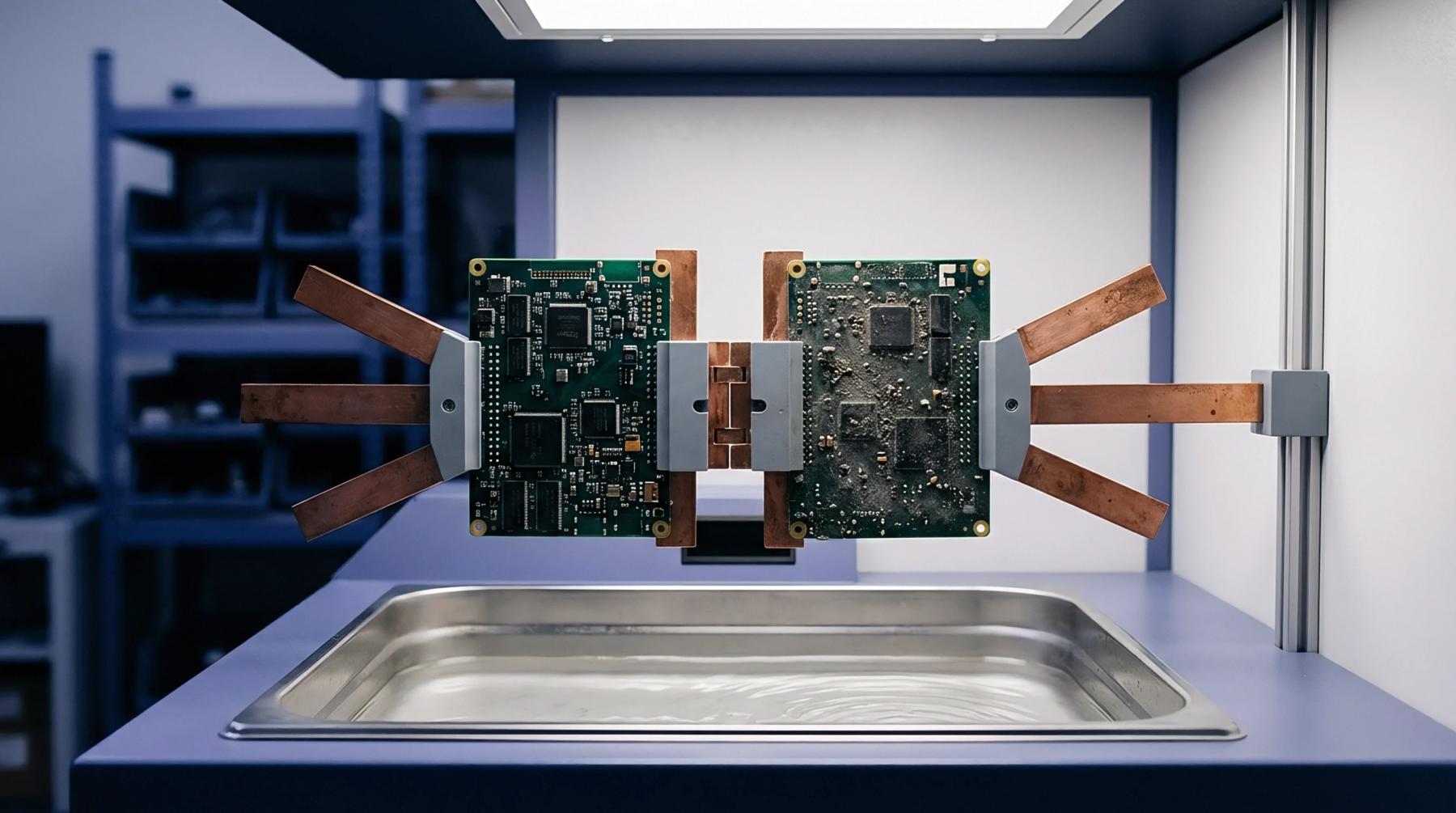
Subsurface copper filamentation across high density laminates collapses isolation resistance when residual halogen salts, absorbed moisture, and continuous bias coincide.
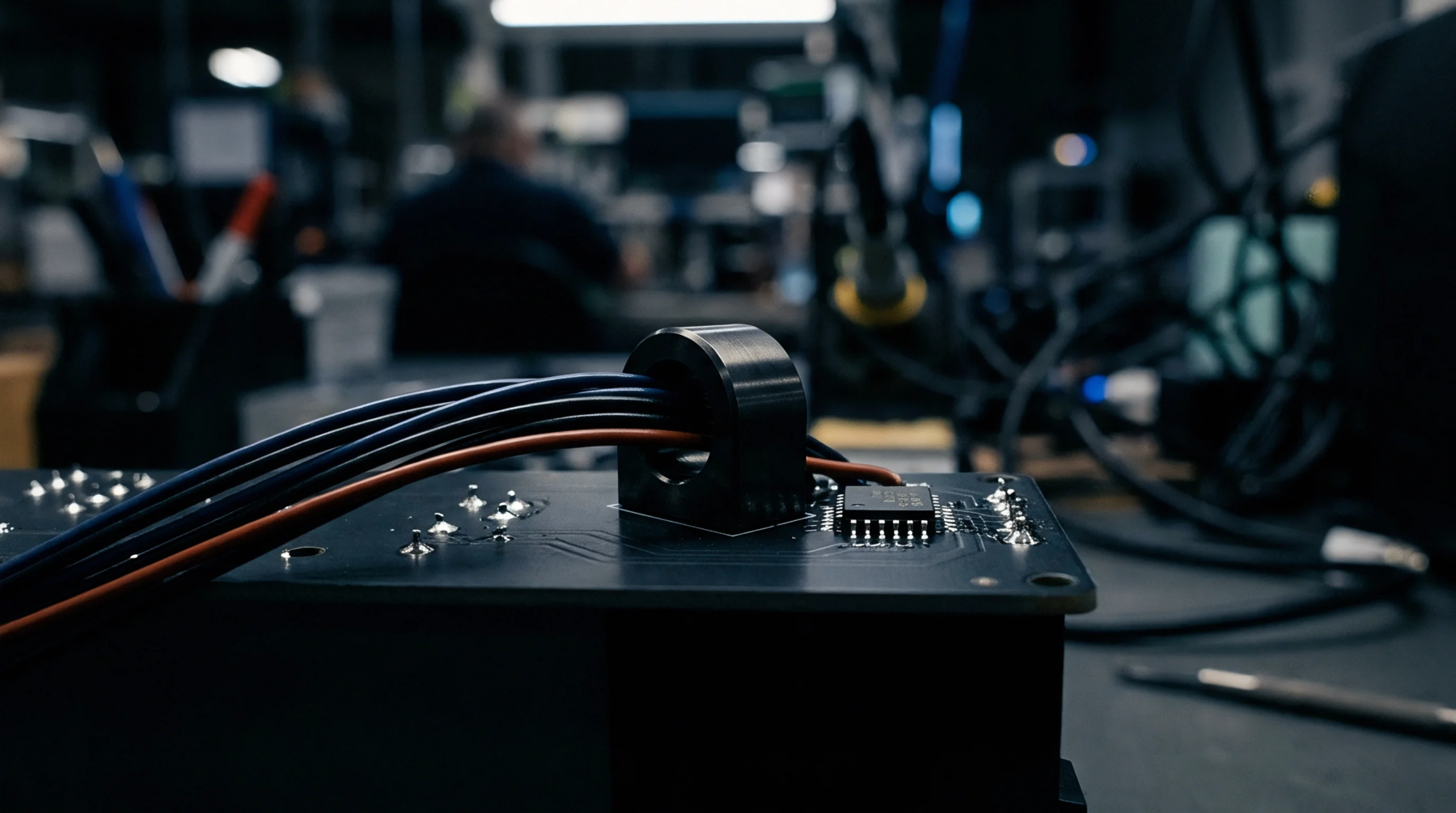
Unpopulated printed circuit boards require baseline insulation resistance exceeding ten gigaohms under direct current bias to pass IPC Class 3 delivery criteria.
Screening latent microvia and fine pitch HDI assembly defects combines thermal shock cycling with continuous surface insulation resistance measurement.

Quantifying composite matrix degradation requires depth-resolved FTIR and nanoindentation to track silane debonding and Tg loss from unreacted acid flux.
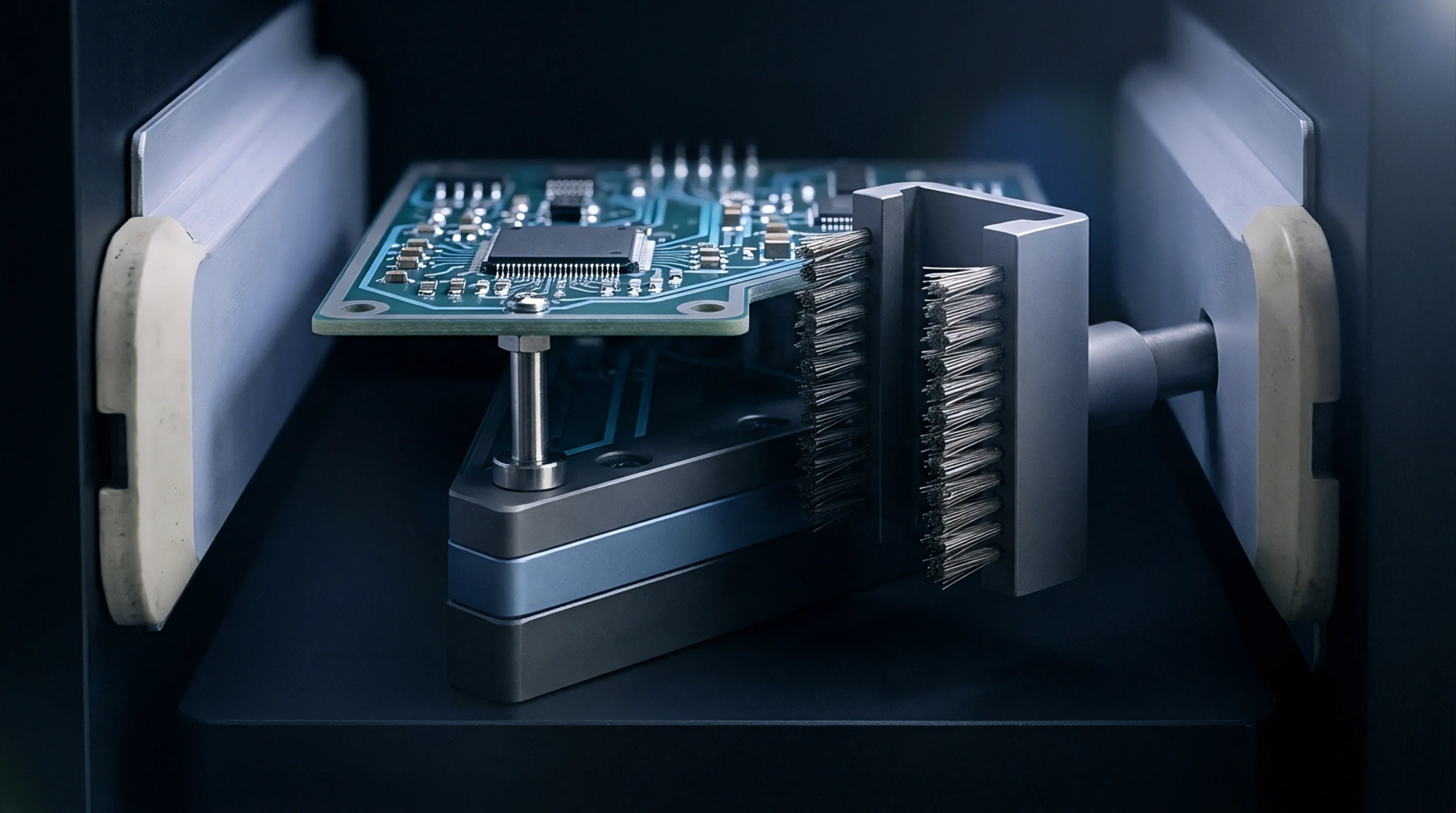
Surveillance compliance demands continuous cross-tier test record alignment, analytical material validation, and strict engineering change authorization.

Enforcing IPC-6012 Class 3 via purchase orders requires explicit drawing notes specifying 20-micrometer barrel copper, zero pad breakout, and mandatory panel coupon microsection dossiers attached to every shipment.

Sub-30 micron mSAP feature generation requires controlling seed layer thickness, LDI resist profiles, plating additive dynamics, and flash etch undercut.
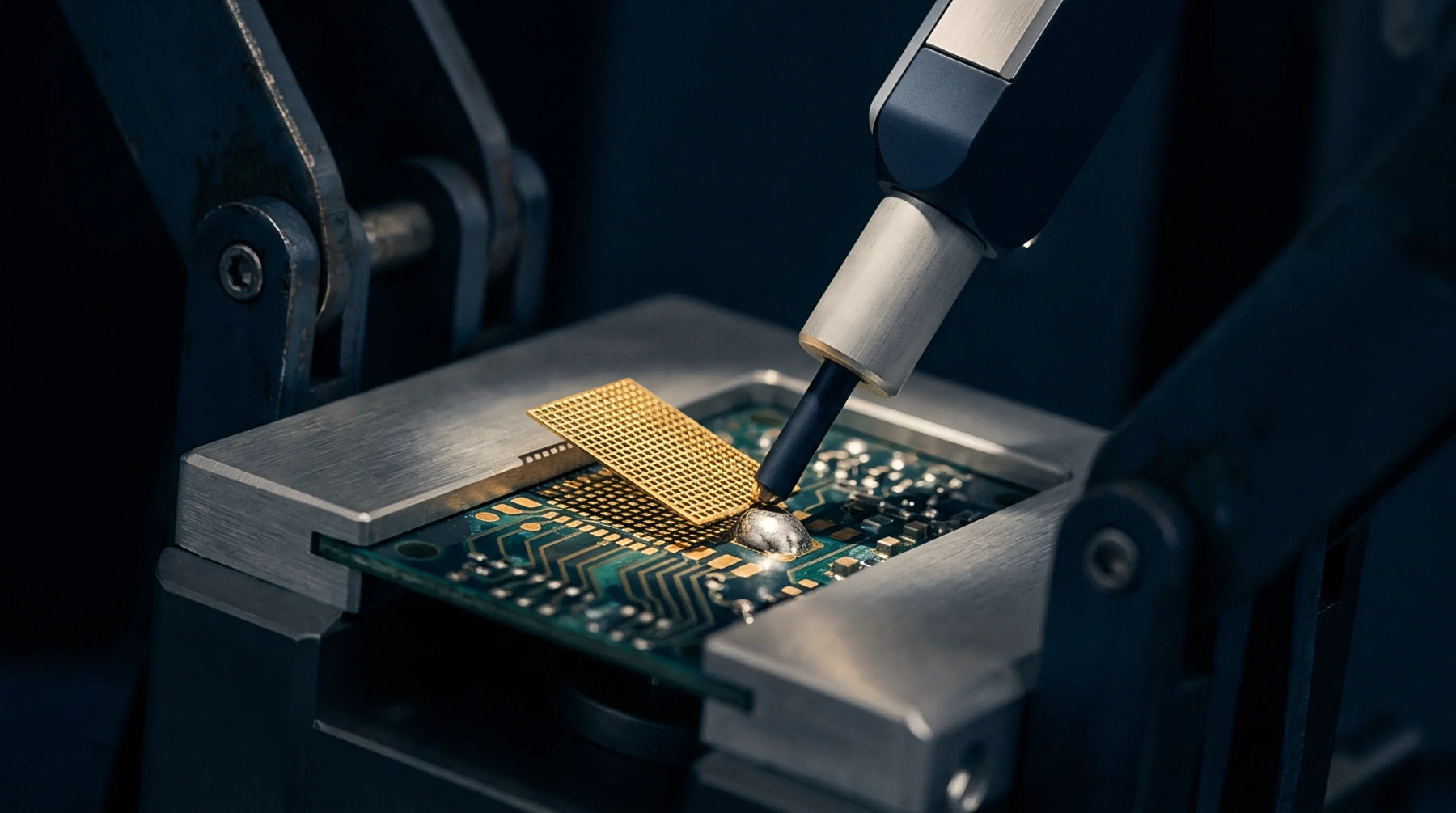
Bare board insulation resistance testing requires minimum 100MΩ thresholds at 100V DC under IPC-9252B Class 3 to prevent electrochemical migration escapes.

Selective finish stripping isolates thin gold or tin layers using ligand-accelerated redox baths while protecting nickel barriers through passivating inhibitors.
Expertise is a utility, not a secret. sentiention™ publishes its working knowledge as open reference: intelligence layer covering the materials it sources, the markets it enters, and the reference that serves both.