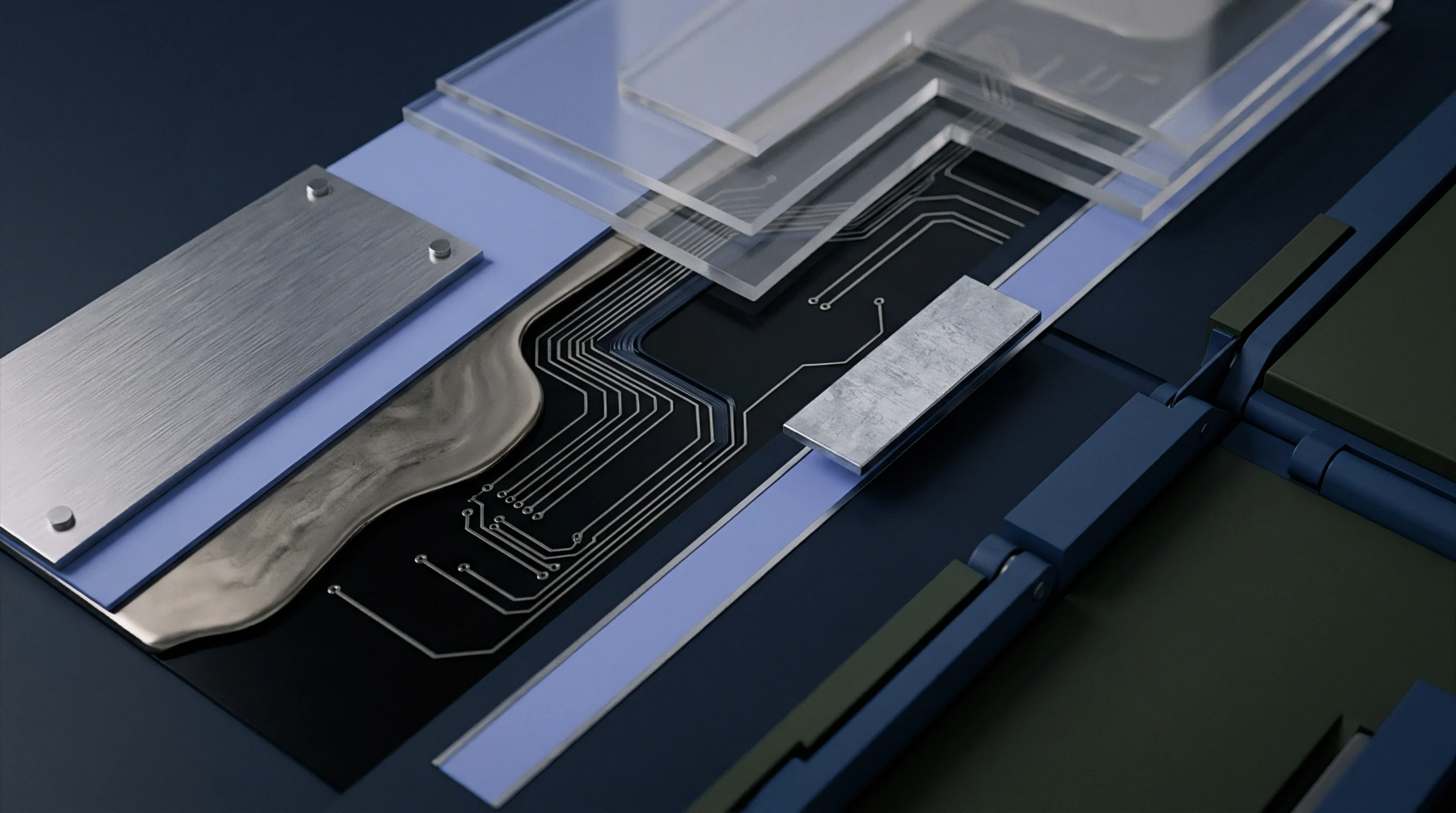
Microvia Plating Fatigue under Thermal Cycling
Microvia plating fatigue under thermal cycling stems from z-axis CTE mismatch, requiring ductile copper plating and continuous resistance monitoring to prevent field failures.
Microvia plating fatigue under thermal cycling stems from z-axis CTE mismatch, requiring ductile copper plating and continuous resistance monitoring to prevent field failures.
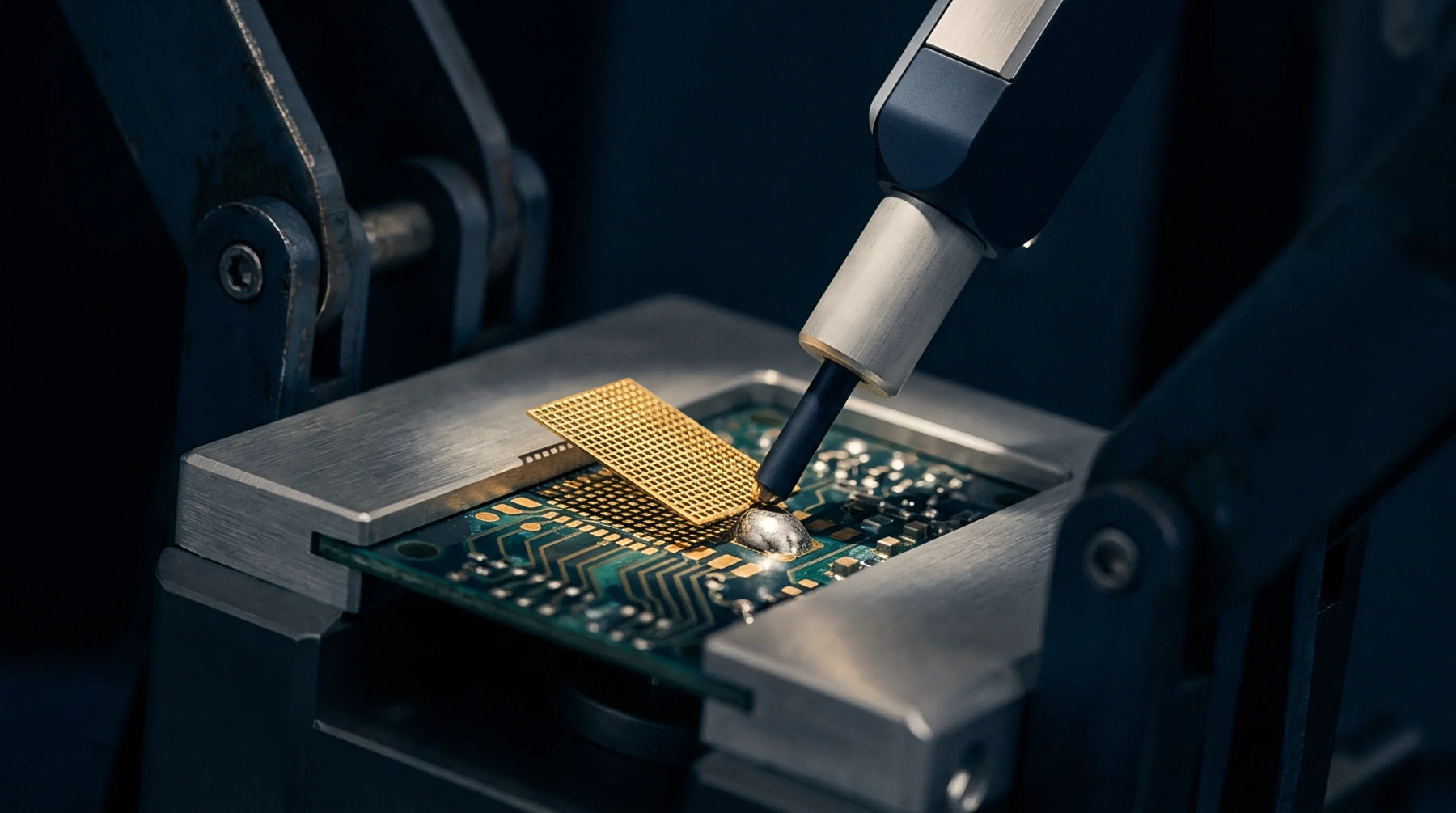
Perimeter coupon microsections overestimate internal circuit hole plating by up to forty percent due to edge current crowding and throwing power attenuation.
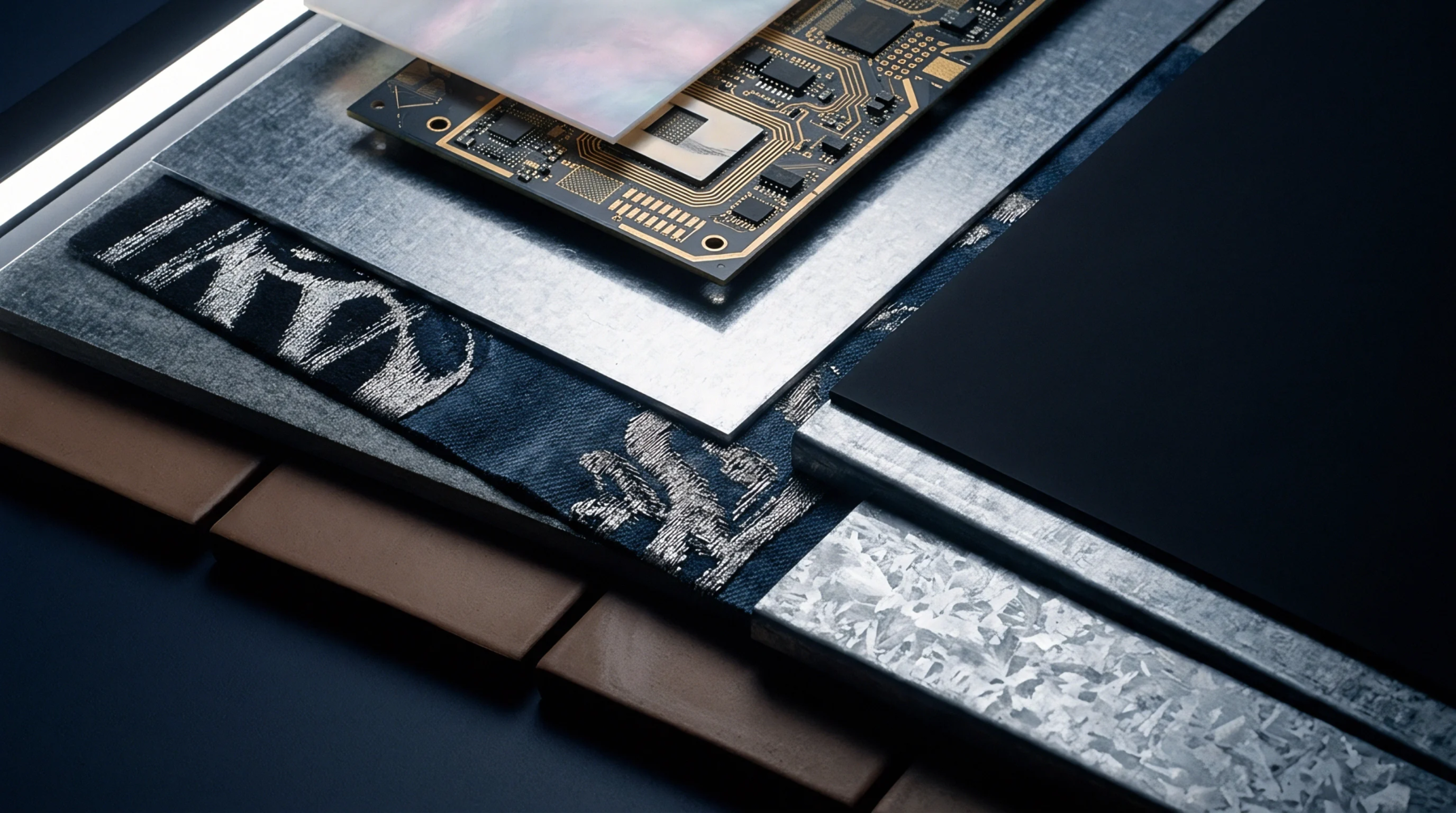
Calculate usable circuits per master production panel and subtract outer border clearances before negotiating bare board unit prices with fabricators.
Sub-30 micron mSAP feature generation requires controlling seed layer thickness, LDI resist profiles, plating additive dynamics, and flash etch undercut.

Microstructural recrystallization and impurity segregation drive grain boundary shear failure at microvia target pad interfaces during high-temperature reflow.
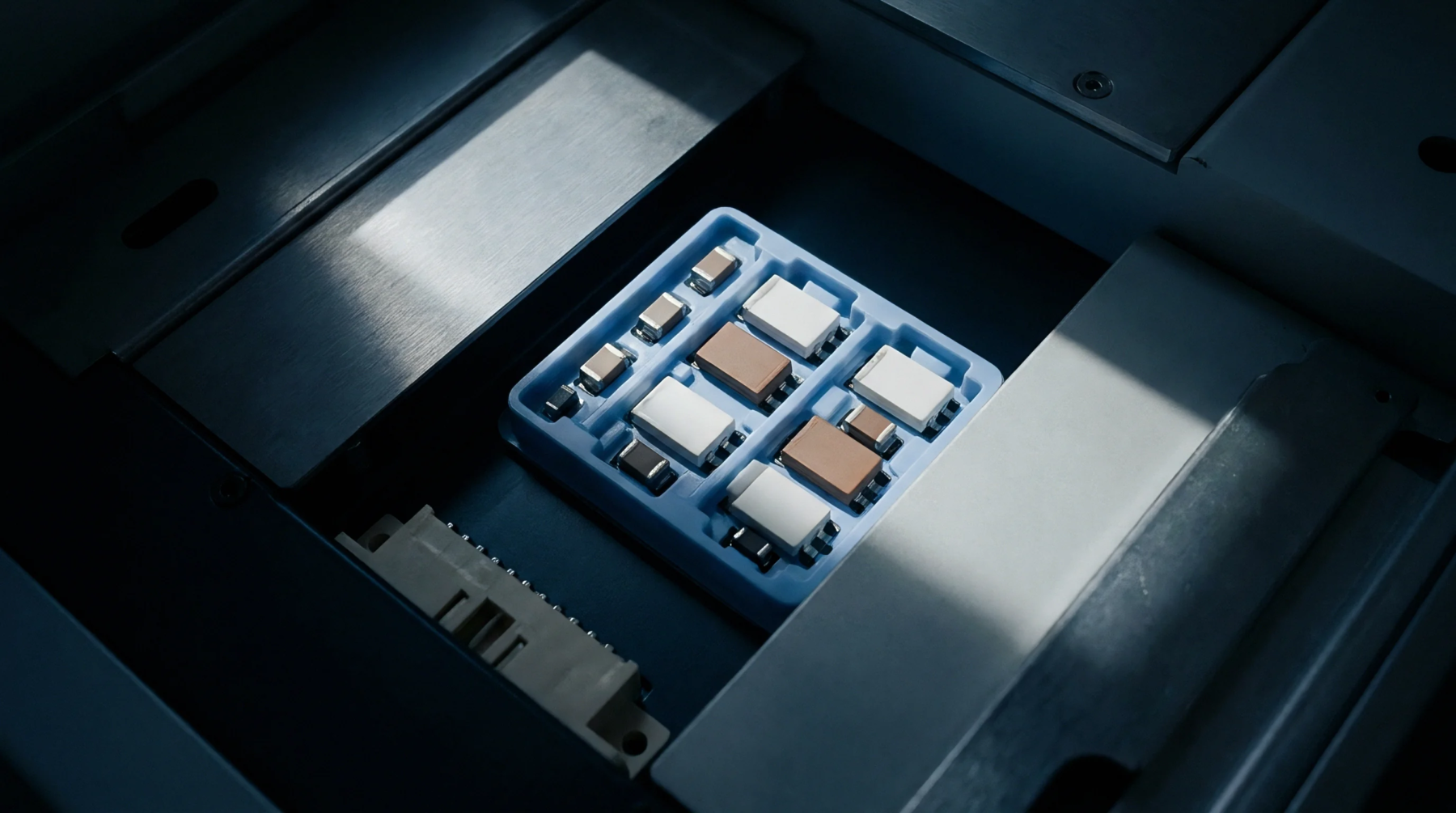
Latent microvia interfacial fatigue opens during thermal transients to cause intermittent high-speed signal failures detectable only by dynamic four-wire thermal screening.
Expertise is a utility, not a secret. sentiention™ publishes its working knowledge as open reference: intelligence layer covering the materials it sources, the markets it enters, and the reference that serves both.