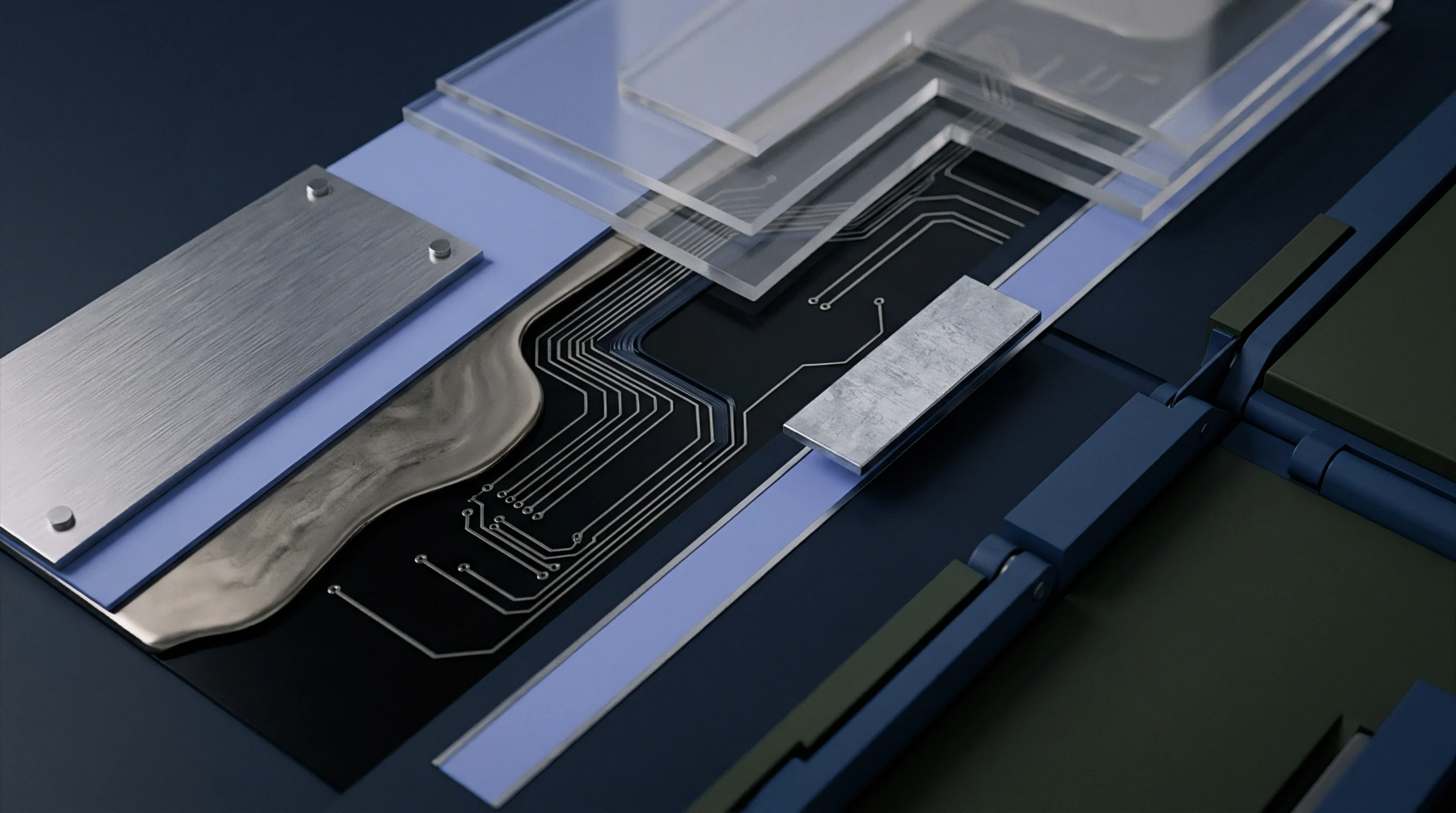
Latent Micro Cracking Mechanisms in Ceramic Capacitors Subjected to Rapid Preheat Ramp Rates
Rapid preheat ramp rates induce severe thermal gradients in MLCCs, causing latent micro-cracks that degrade insulation resistance under bias.
Rapid preheat ramp rates induce severe thermal gradients in MLCCs, causing latent micro-cracks that degrade insulation resistance under bias.

Microvia target pad interfacial shear displacement stems from CTE mismatch during thermal shock, demanding tight lamination control to prevent failure.
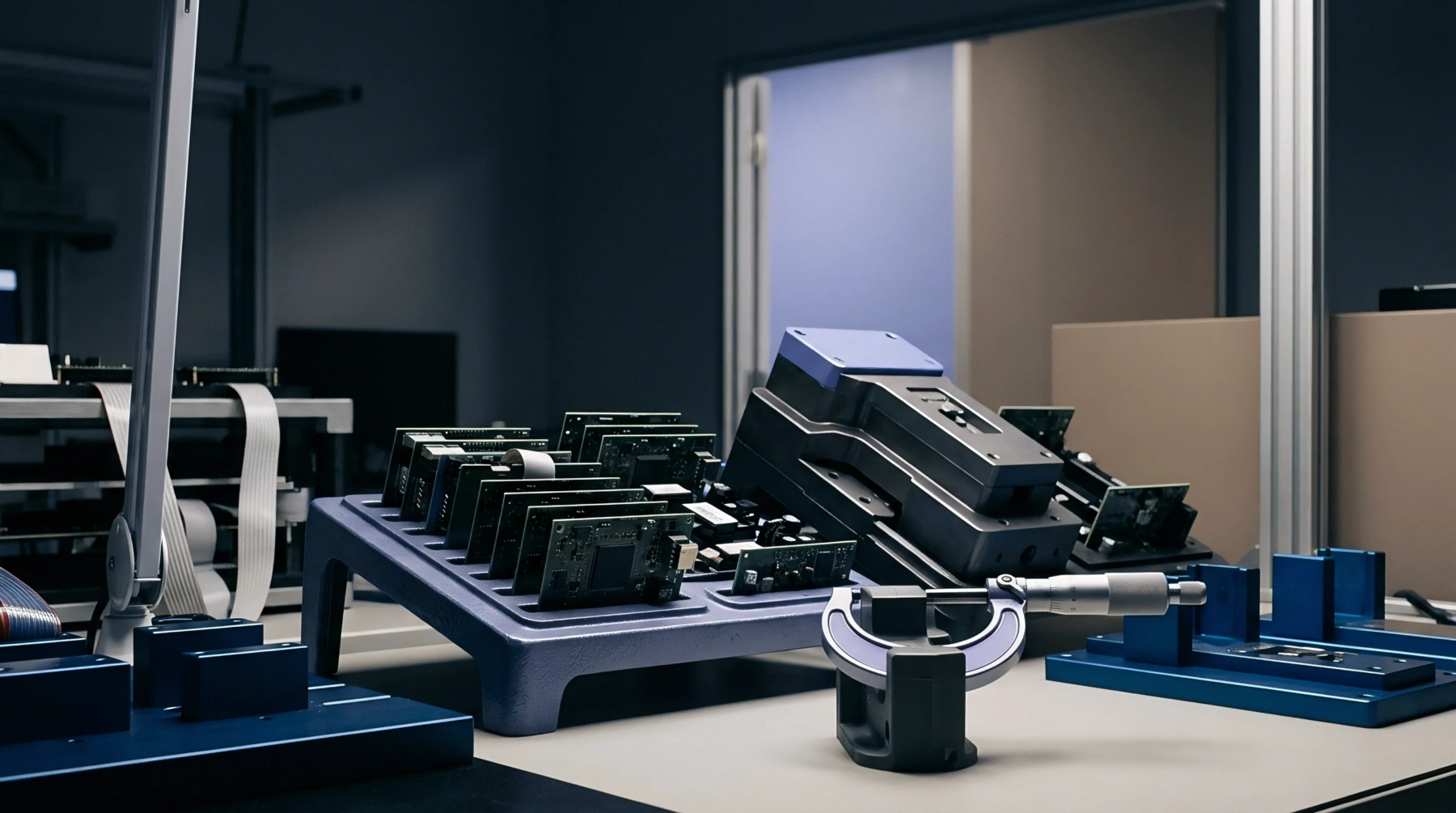
Achieving vertical hole fill on heavy copper PCBs requires extended preheat profiles, thermal relief spokes, and precise solder paste volumetric overprinting.
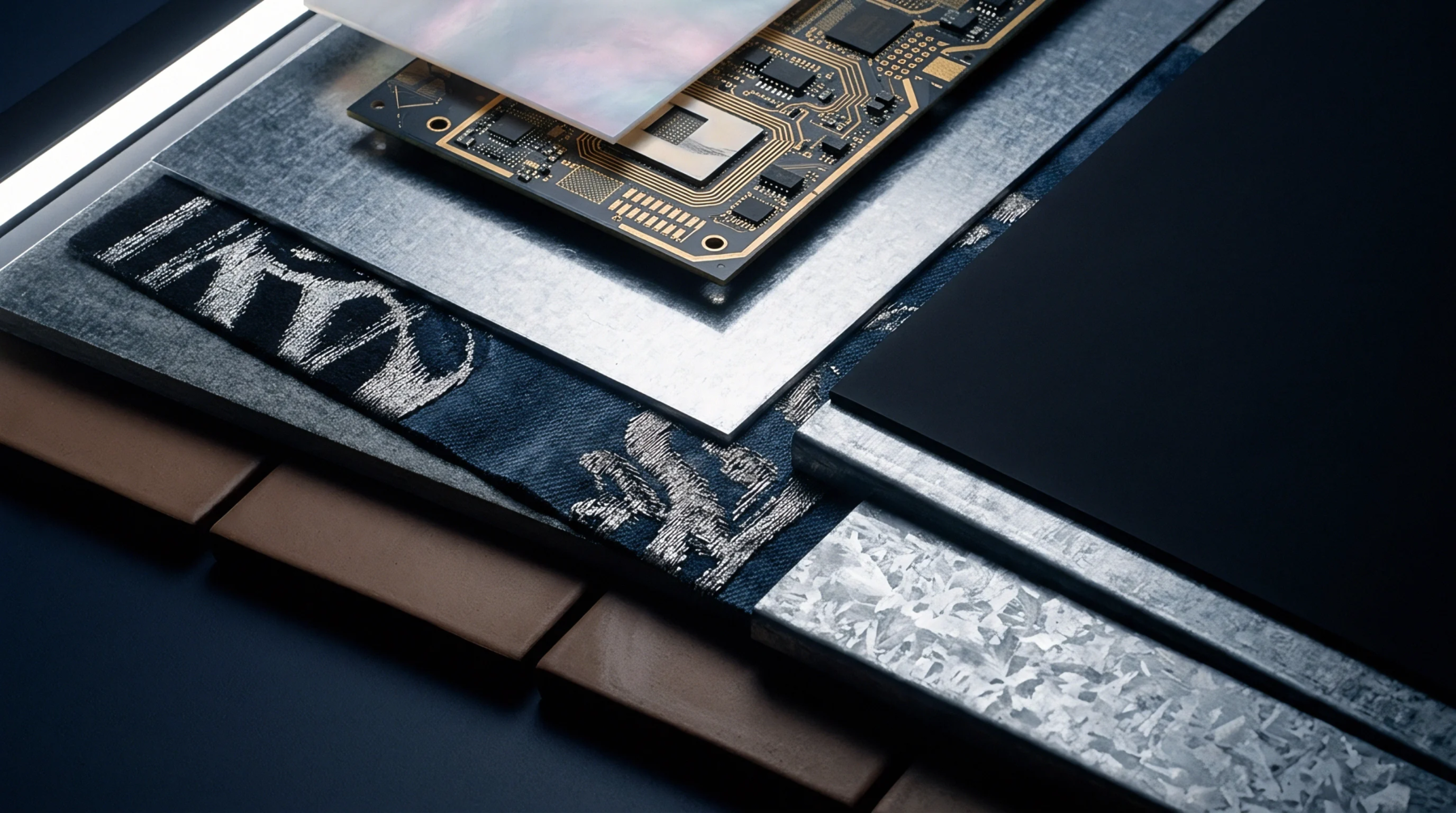
Arbitrated thermal wear-out liabilities require metallurgical failure proof and Weibull shape parameters exceeding two to establish pre-existing factory escapes.
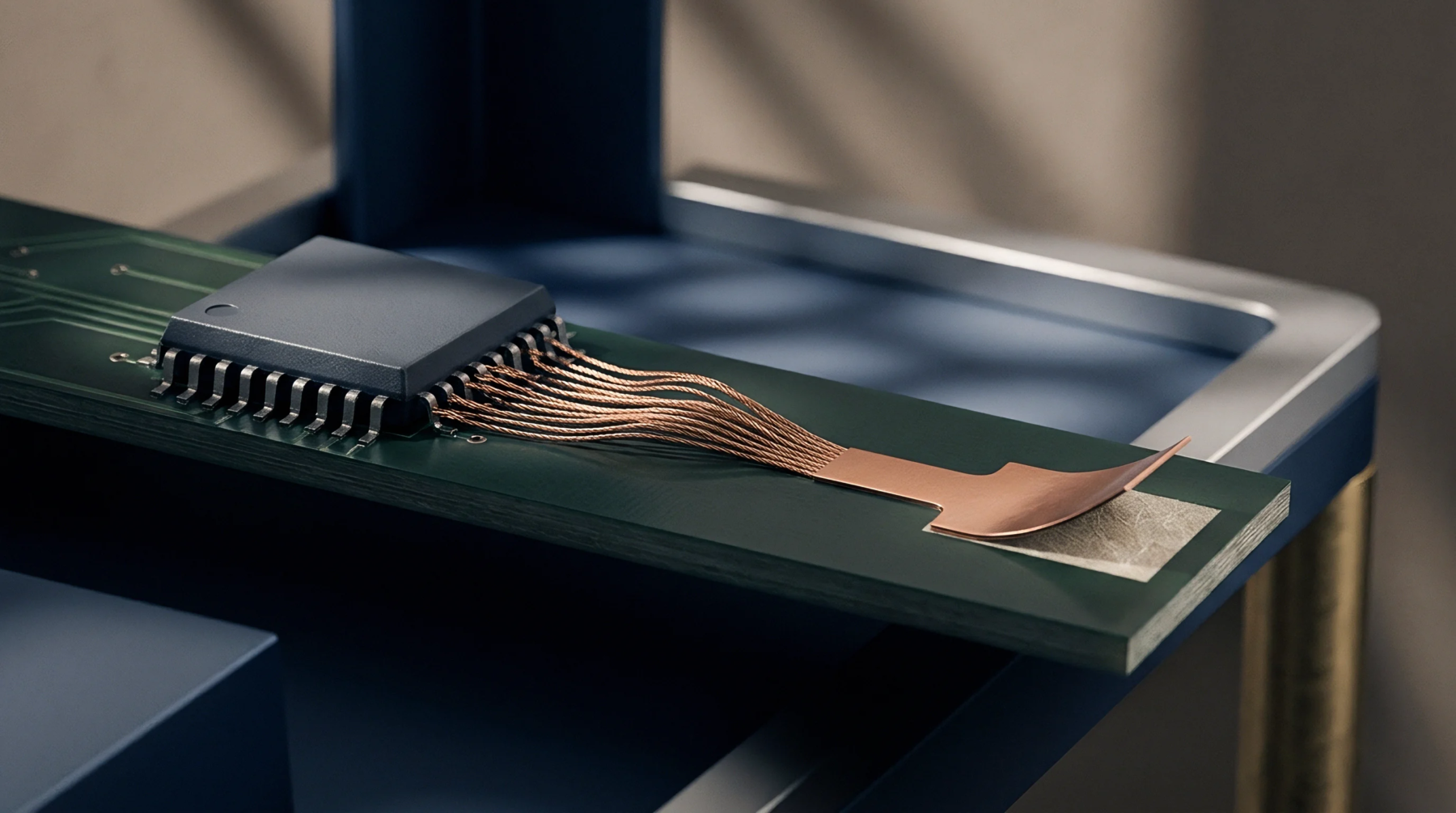
Reducing thermal gradients across multi-layer assemblies requires balancing inner copper mass, profiling zone dwell times, and applying rigid carrier support.
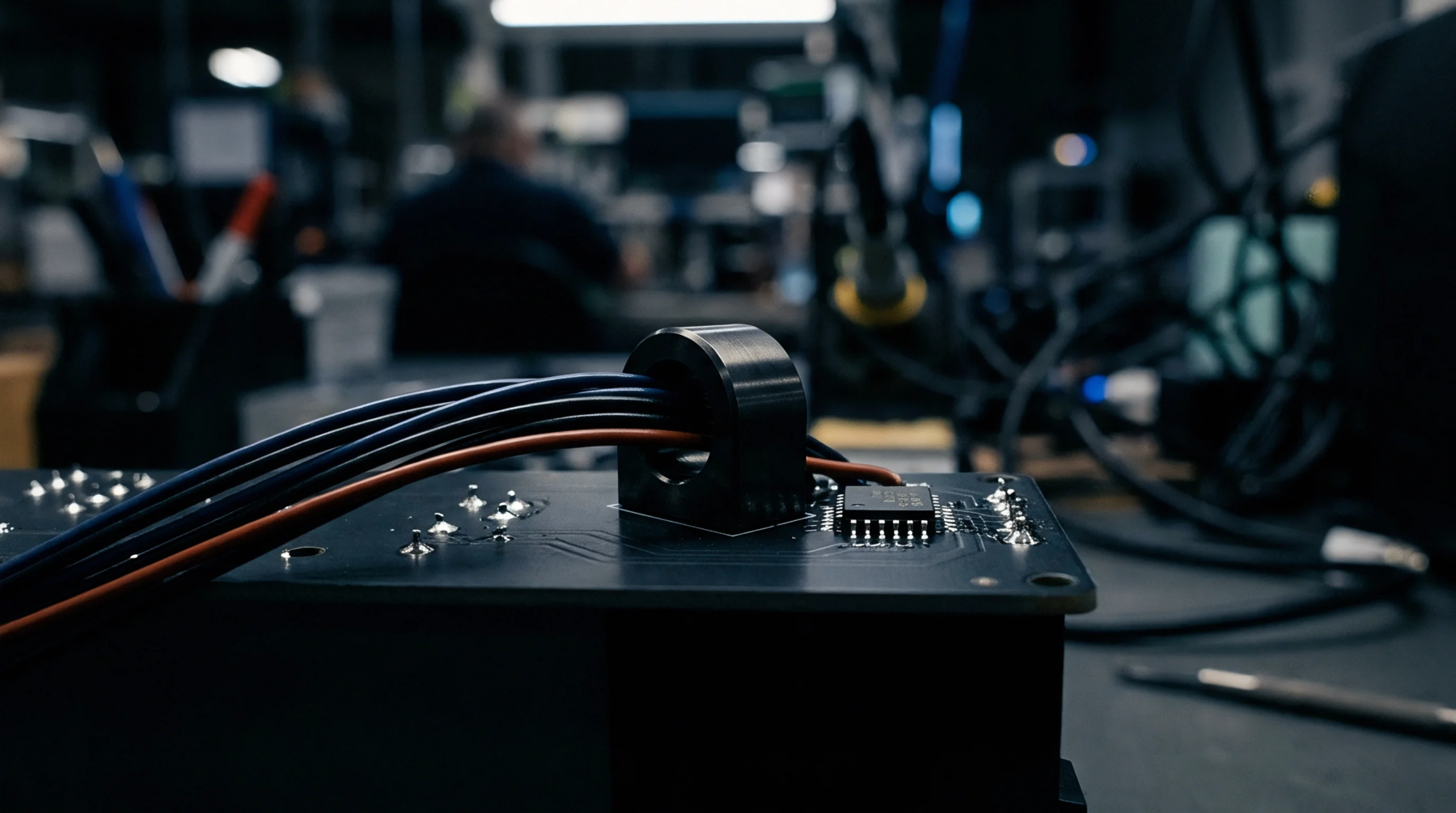
Mitigate sub-core microvia target pad delamination by enforcing eighteen-micrometre foils, controlled microetching, and staggered layout architectures.
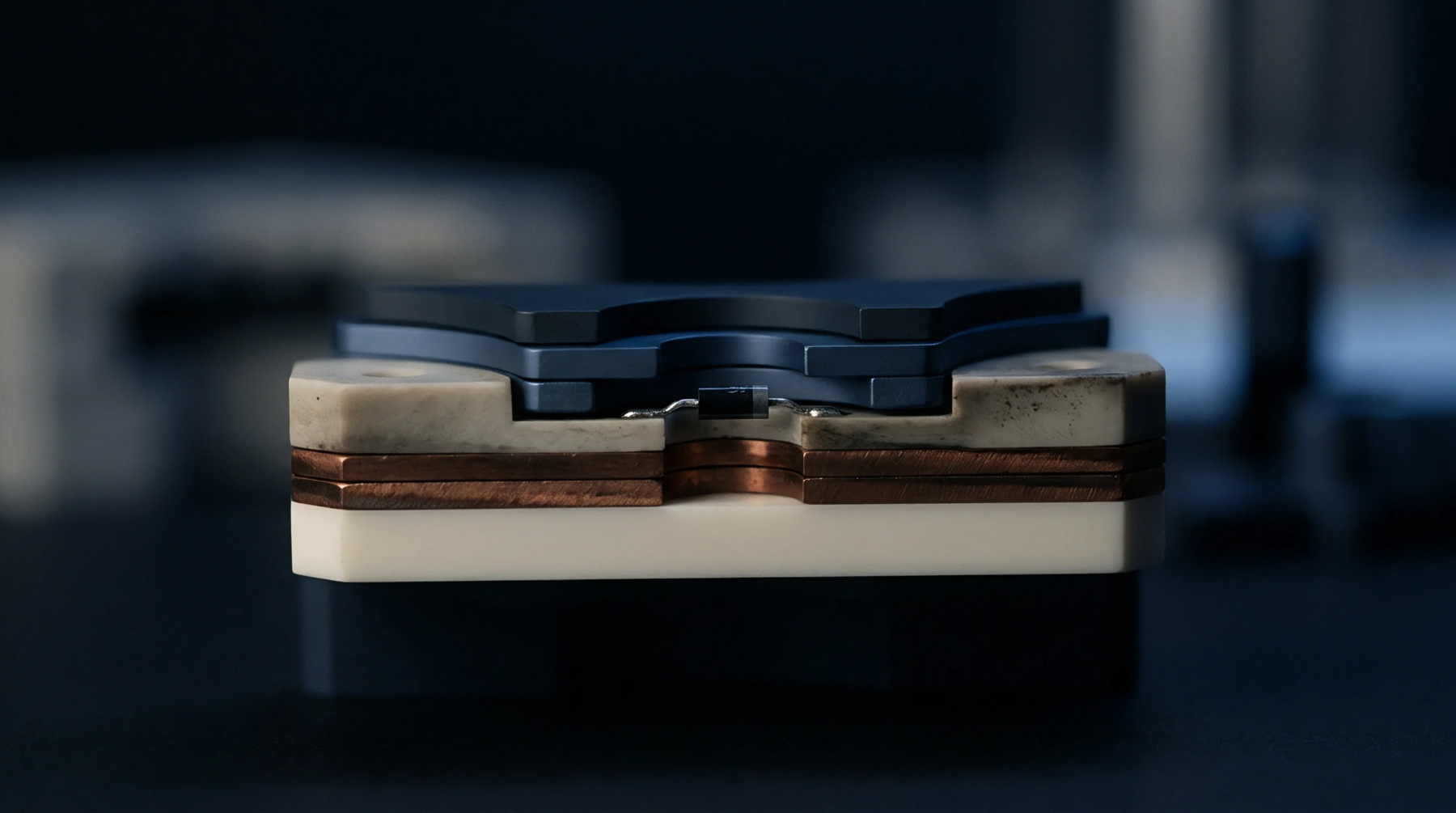
First pass yield gaps in high-density assemblies stem from optical test blind spots, microvia structural fatigue, and restricted physical probe access.
Opening moisture-sensitive parts before line release exposes components to ambient humidity, risking thermal delamination during reflow unless floor life is tracked and restored.
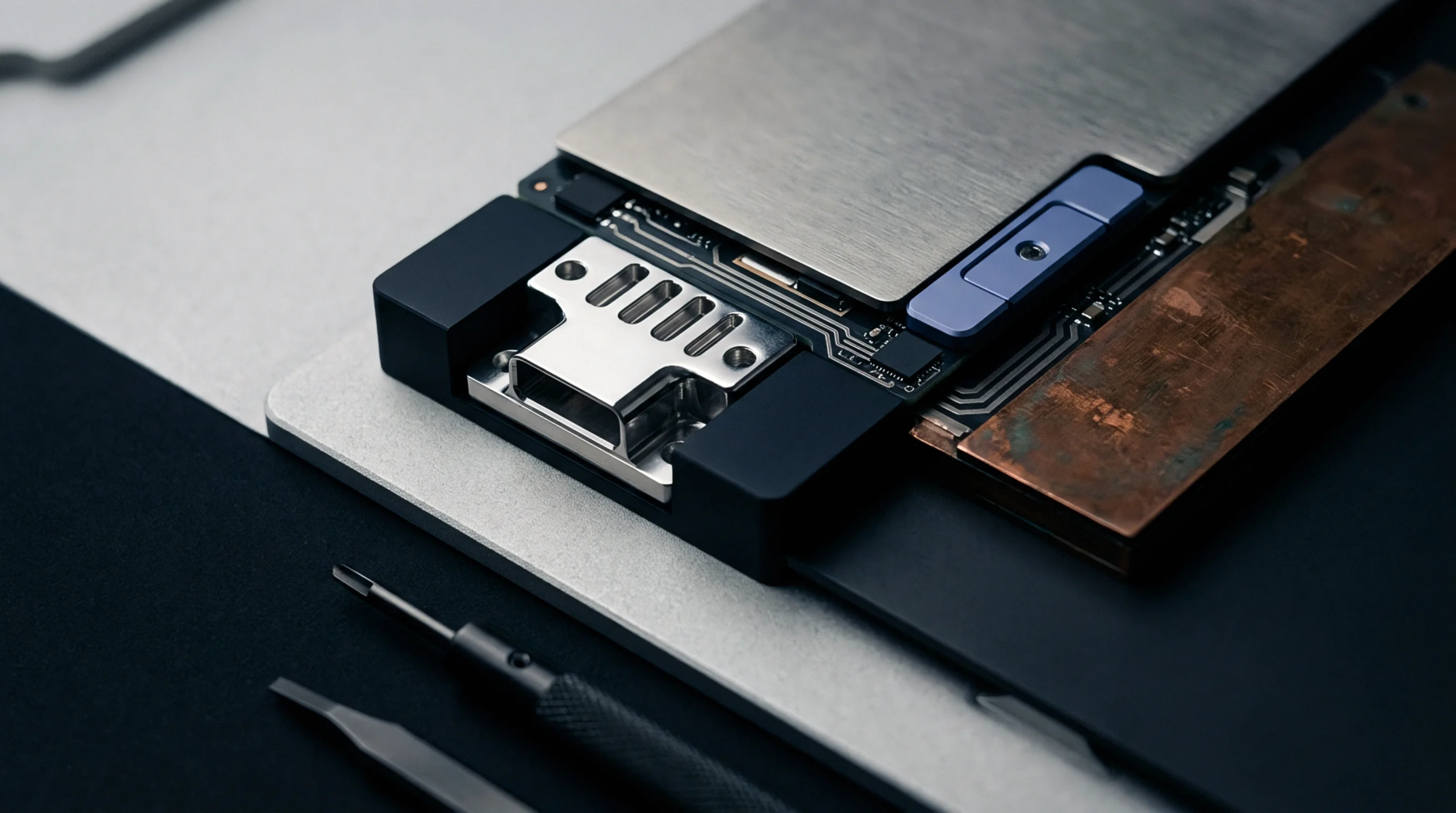
Selective soldering relies on precise preheat baselines, controlled exit trajectories, and high nitrogen purity to achieve Class 3 barrel fill without thermal damage.
Expertise is a utility, not a secret. sentiention™ publishes its working knowledge as open reference: intelligence layer covering the materials it sources, the markets it enters, and the reference that serves both.