Thermal Cycling
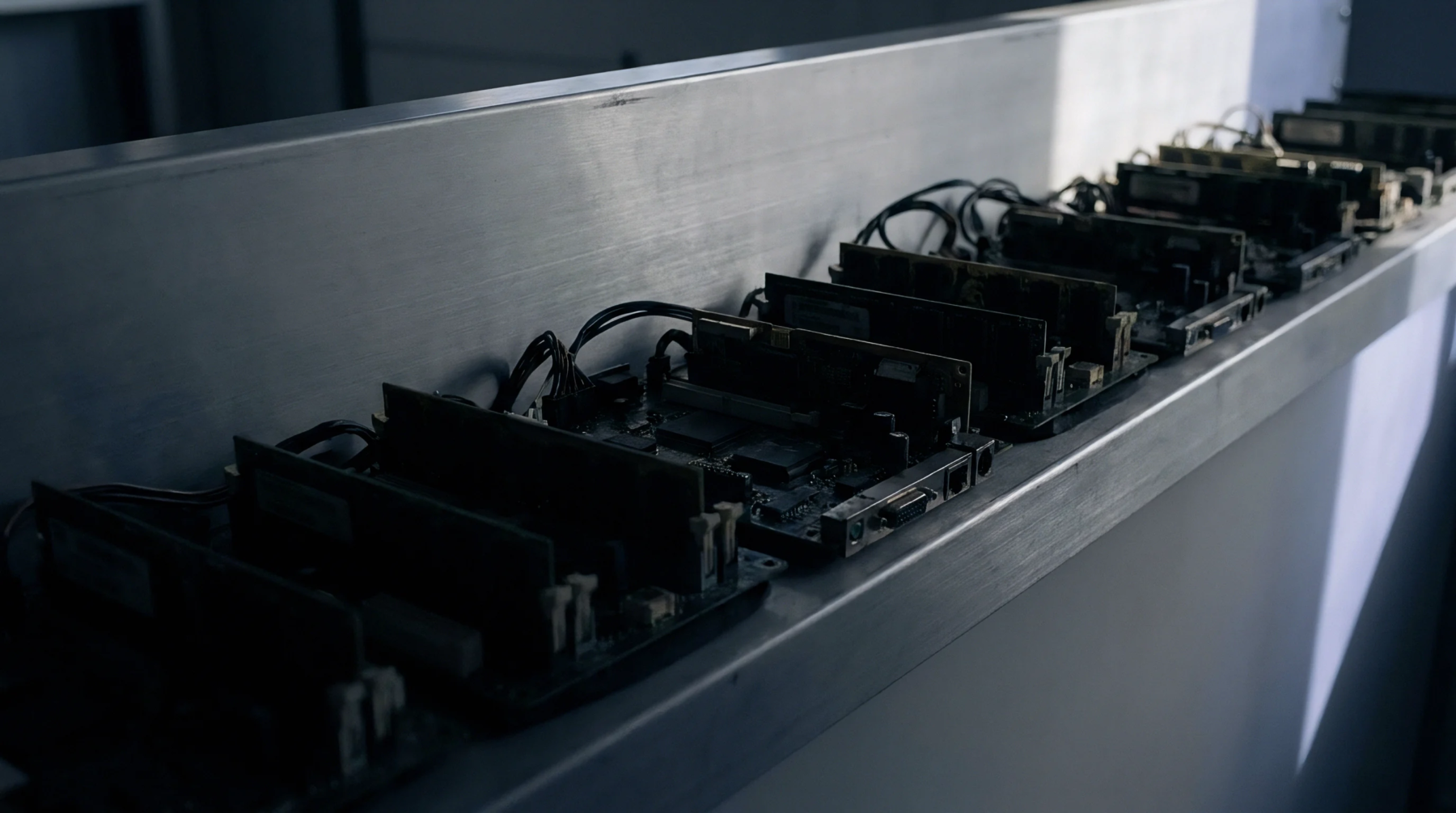
Environmental stress testing defines the fatigue resistance of electronic components through repeated exposure to temperature extremes. The jesd22-a104 standard specifies the conditions for these cycles to determine if package materials and solder joints withstand mechanical strain caused by thermal expansion mismatches. It governs semiconductor devices by setting specific temperature ranges and dwell times that simulate the lifetime of a part in service.
Testing boundaries conclude when a device fails functional electrical parameters or physical inspection reveals structural degradation.
Cycling Protocol
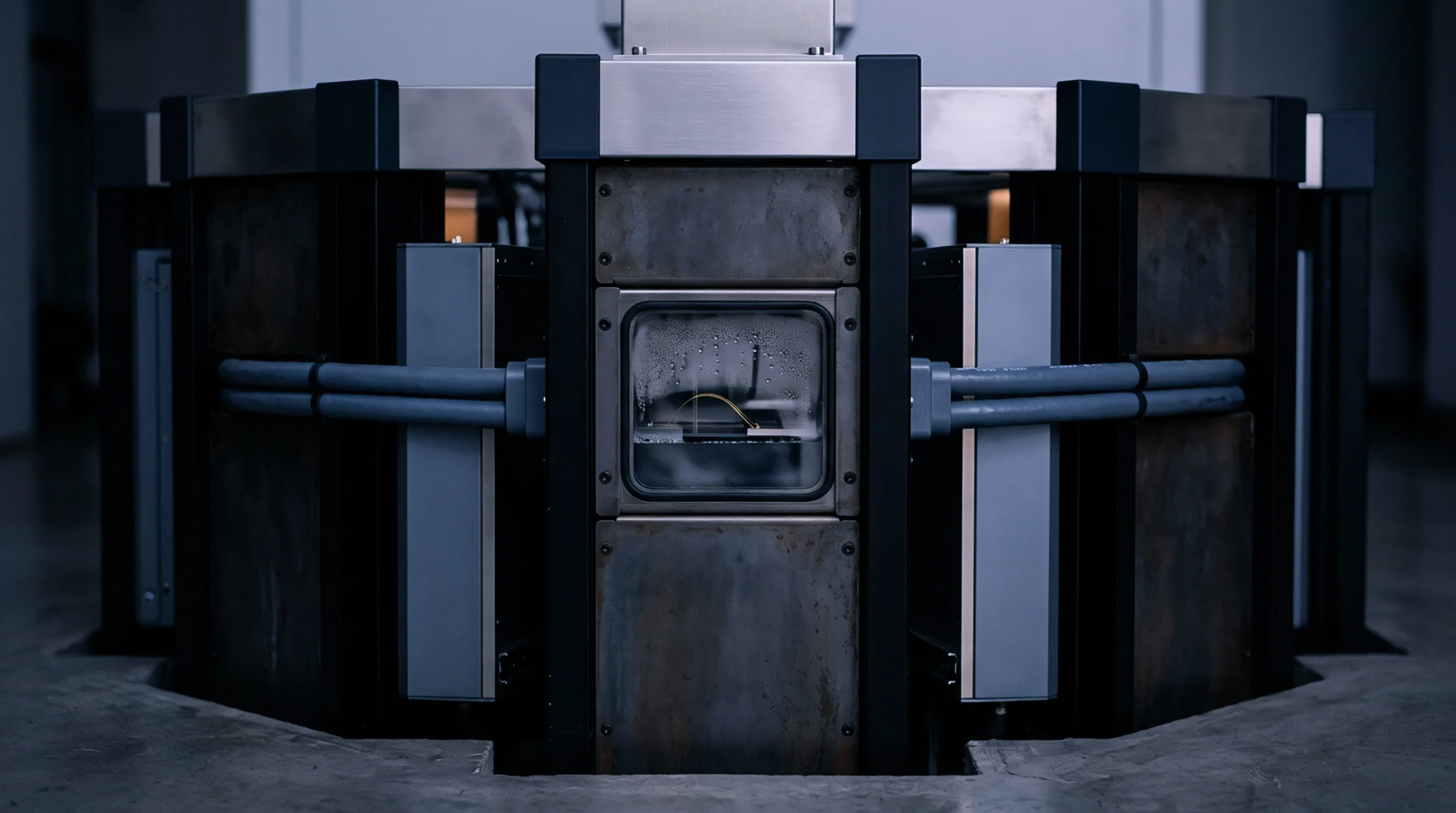
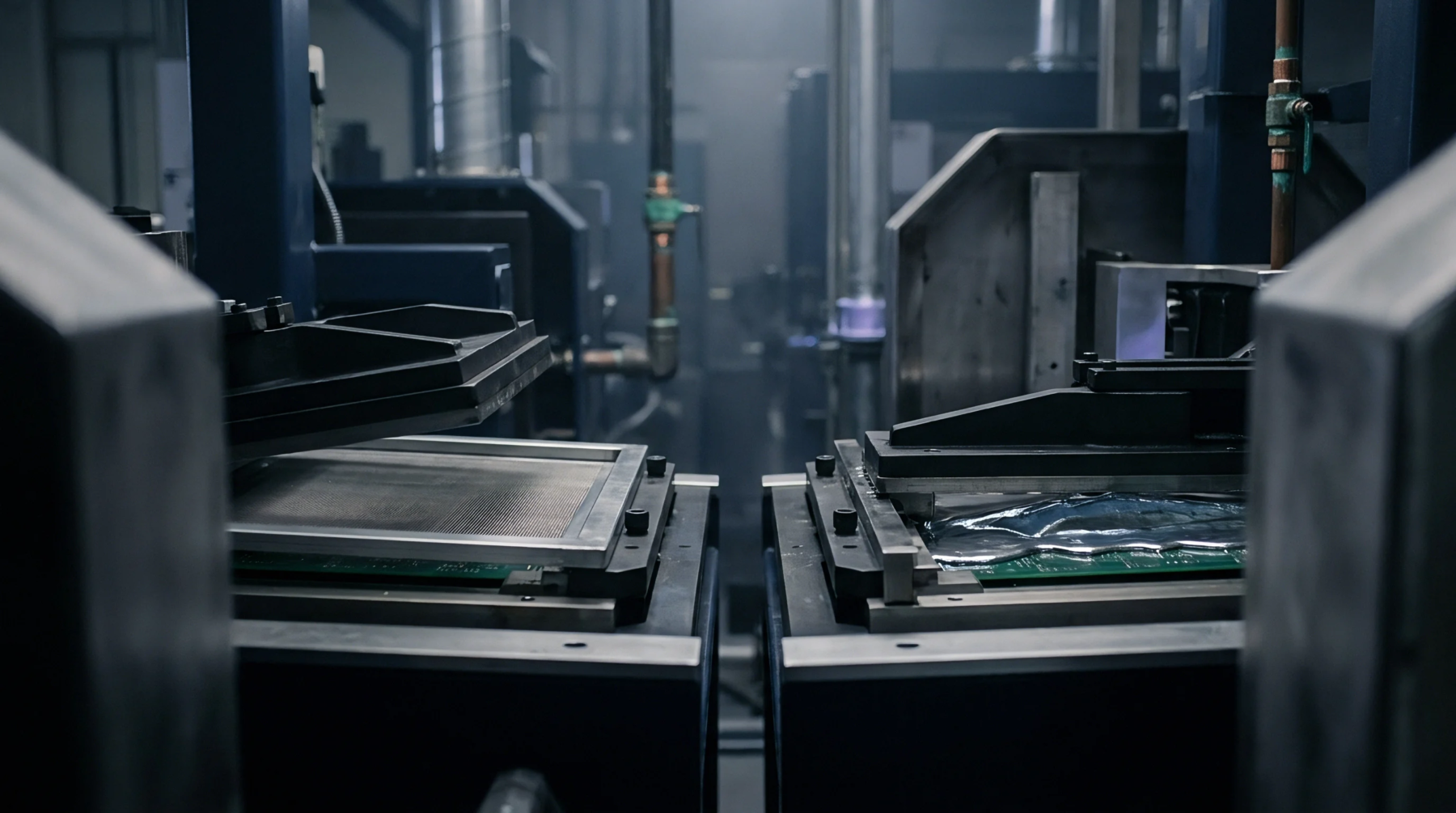
Operators load components into chambers where heaters and coolers alternate at rates that prevent excessive thermal shock while ensuring full equilibrium at each soak point. The duration of high and low temperature dwells allows the internal mass of a lead frame or silicon die to reach the chamber setpoint. Variations in cycle count or temperature delta adjust the intensity of the stress depending on the expected use environment of the finished assembly.
Manufacturers verify the integrity of wire bonds and flip chip interconnects after predetermined intervals to monitor for crack propagation or delamination. Periodic electrical testing detects intermittent faults that indicate early stage solder fatigue.
Failure Analysis
Metallurgical examination determines if the observed damage aligns with known thermal fatigue modes such as grain coarsening or brittle interface fracture. Microscopic evaluation of cross sections reveals the extent of fatigue damage within the solder alloy matrix. Proper application of these test conditions provides the reliability data needed to validate package designs for high demand electronic applications.