Environmental Evaluation
Post-assembly reliability testing identifies latent defects in printed circuit board assemblies before they reach the end user. Accelerated stress screening subjects completed boards to rapid temperature transitions and mechanical vibrations. This process does not simulate actual operating conditions, but rather forces infant mortality failures to occur within the factory.
It operates on the boundary where workmanship errors are exposed without consuming the fatigue life of healthy solder joints.
Thermal Profiling
Thermal and vibration profiles are designed to stimulate defects like cracked solder joints, component delamination or poor wire bonds. During accelerated stress screening, the chamber temperature changes at rates often exceeding fifteen degrees Celsius per minute while pneumatic shakers apply multi-axis random vibration. These combined stresses force mismatched materials to expand and contract at different rates, which breaks weak mechanical interfaces.
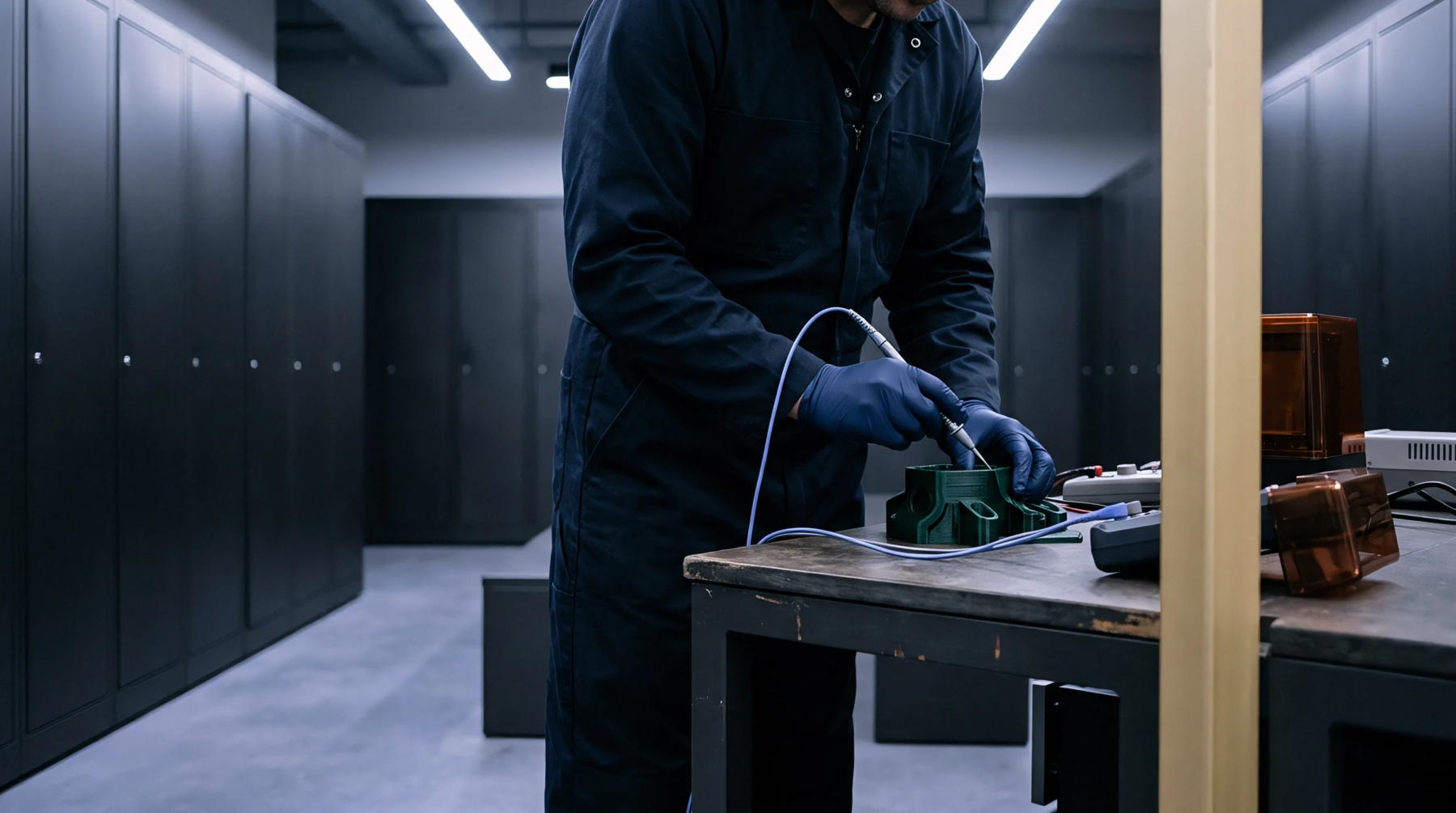
Monitoring the assembly electrically during these cycles captures intermittent open circuits that might otherwise pass standard bench testing. Fabricators adjust the duration and intensity of these profiles so that the mechanical stress remains well below the damage threshold of sound materials.
Failure Analysis
The data collected from screened assemblies guides corrective actions on the factory floor. Failures caught during this process typically point to systemic soldering issues or component defects. Correcting these issues prevents early field failures.