
Finite Element Shear Failure Modeling for Latent Interface Cracking in High Temp Thermal Aging
Finite element shear modeling predicts latent interface cracking in high-temperature electronics by applying age-degraded cohesive zone parameters.
Finite element shear modeling predicts latent interface cracking in high-temperature electronics by applying age-degraded cohesive zone parameters.
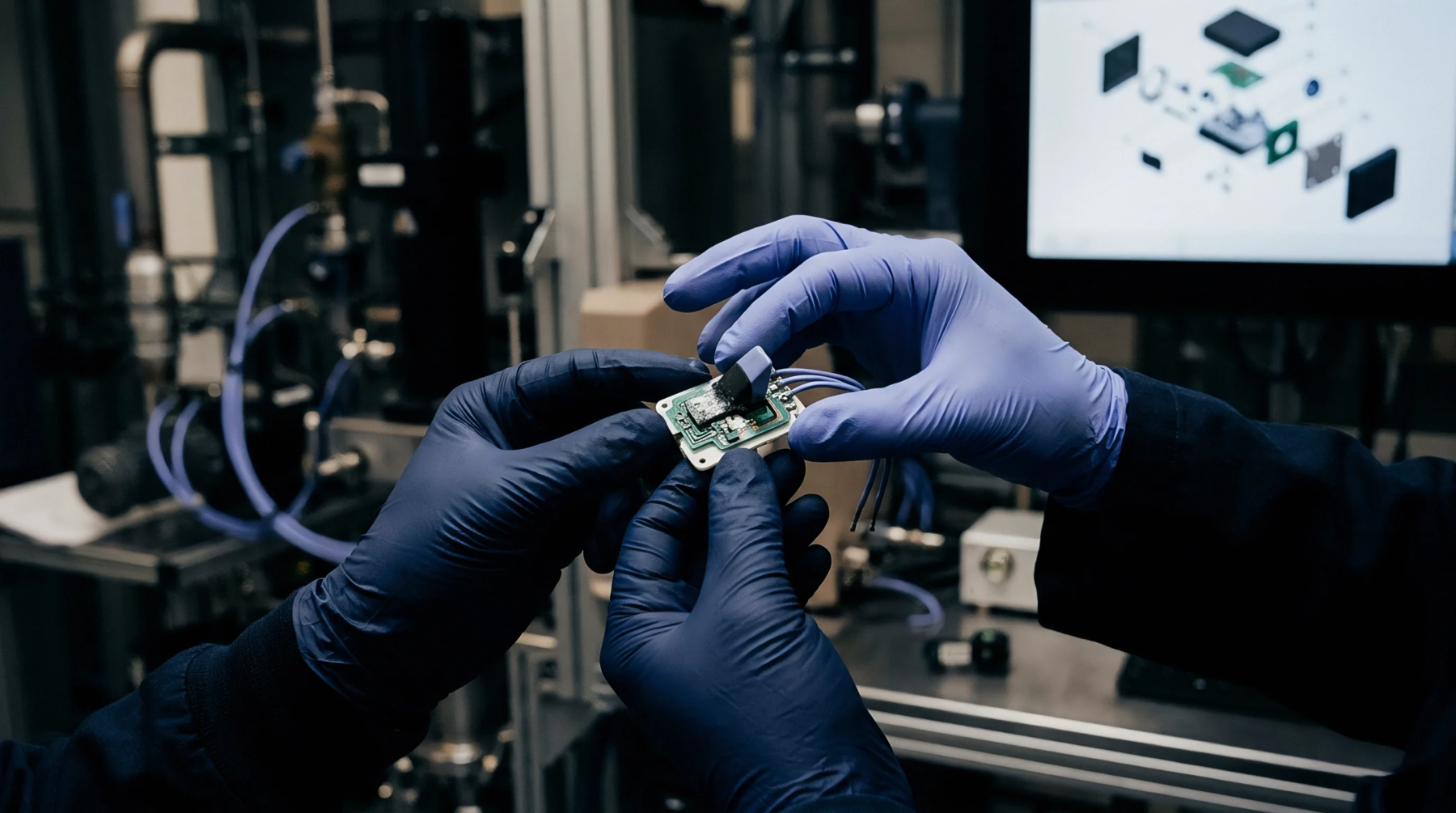
Thermogravimetric derivative mass loss peaks above liquidus reveal trapped volatile kinetics causing large area die voiding during reflow.
Turnkey procurement shifts component authenticity liability to contract manufacturers, while consigned sourcing leaves component risk entirely with the buyer.

AS6081 analytical screening prevents gray-market component defects from causing SMT downtime and joint failures through targeted non-destructive and laboratory tests.
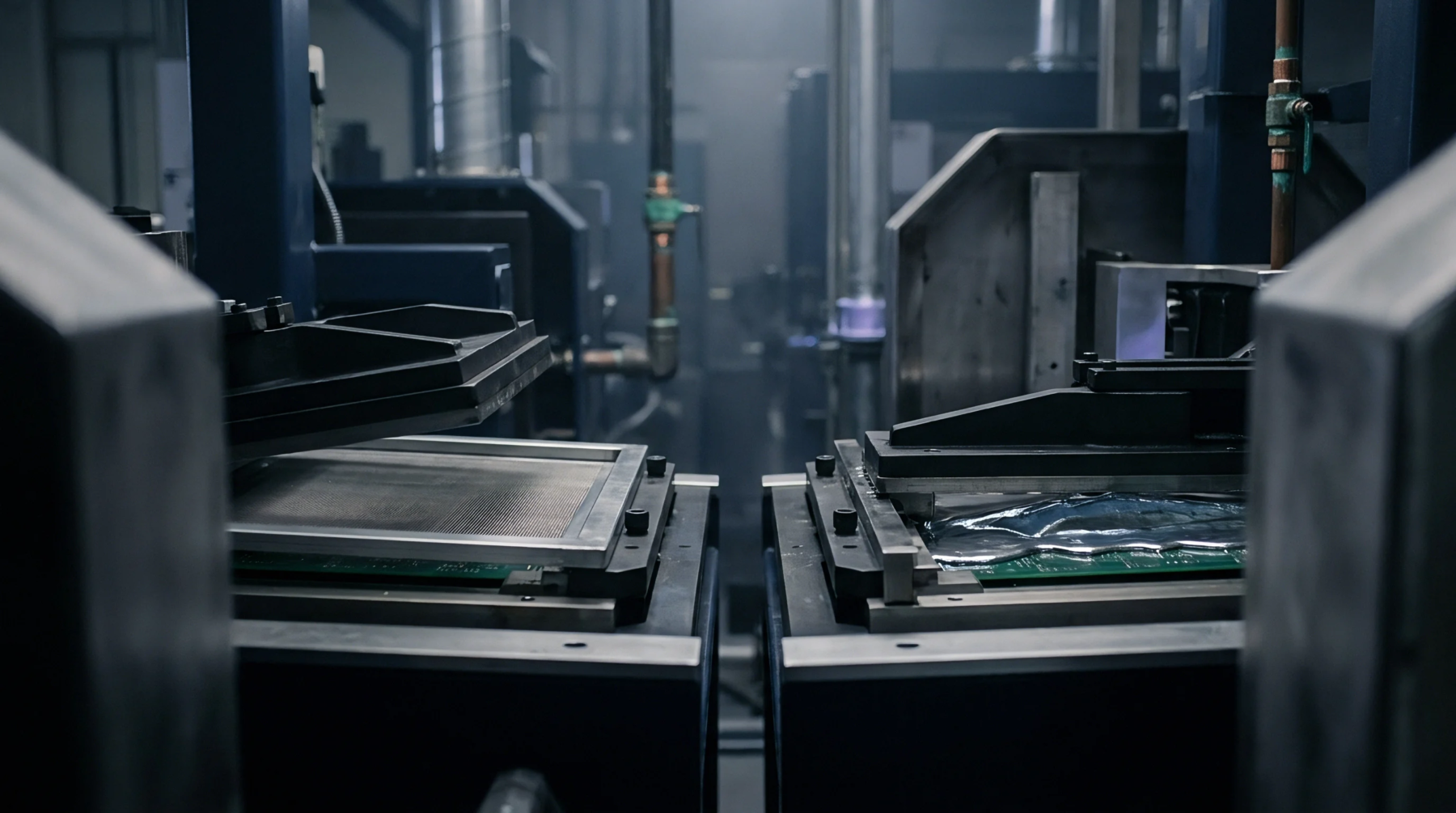
Screening latent microvia and fine pitch HDI assembly defects combines thermal shock cycling with continuous surface insulation resistance measurement.
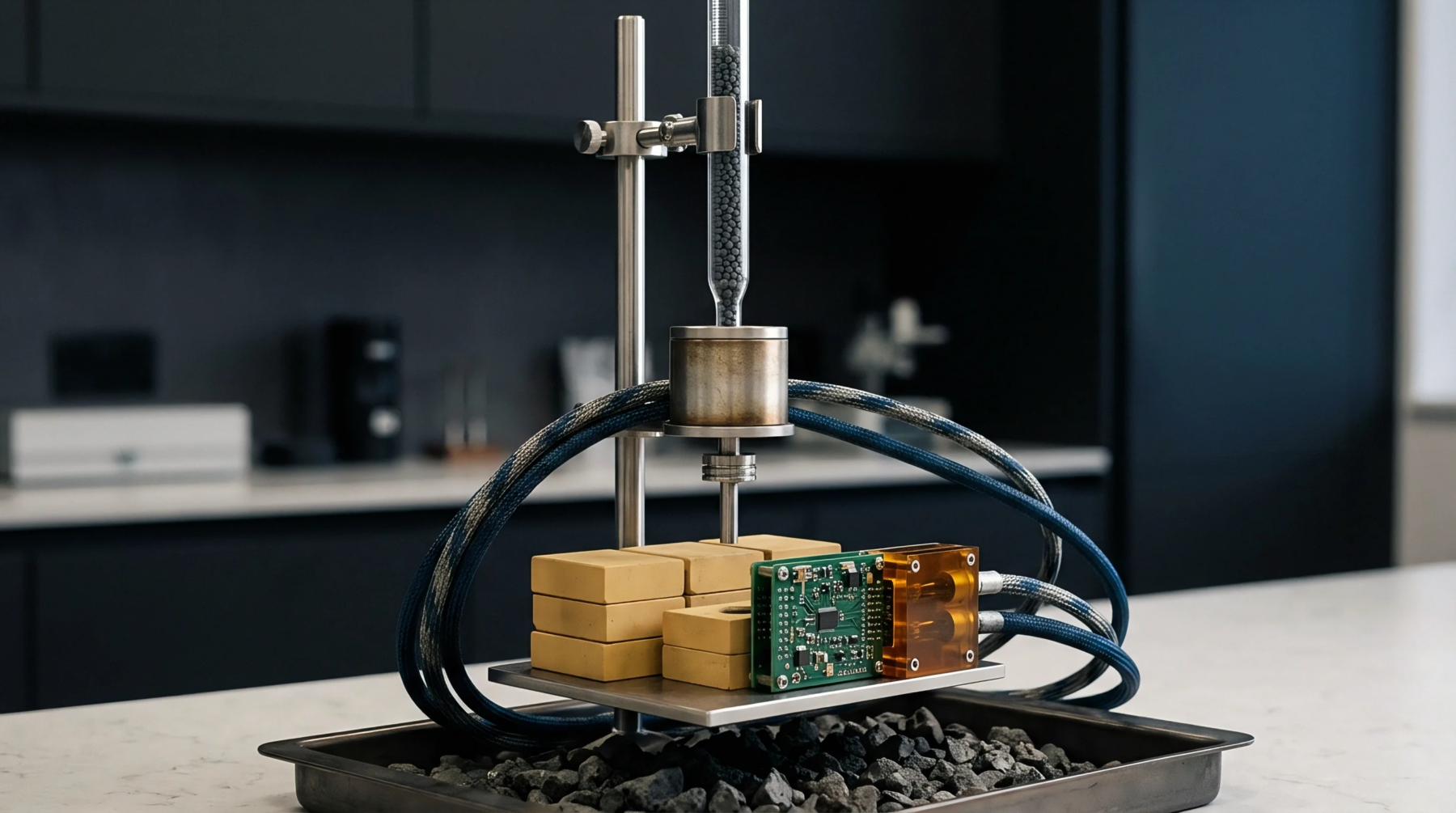
Controlling wet-process nozzle velocity below two meters per second prevents hydrodynamic trace stripping on ultra-thin inner layer copper channels.

Liability allocation for counterfeit escapes in hybrid runs depends on sourcing channels, where turnkey purchases place full warranty on the assembler while consigned inventory requires explicit contract indemnification clauses.
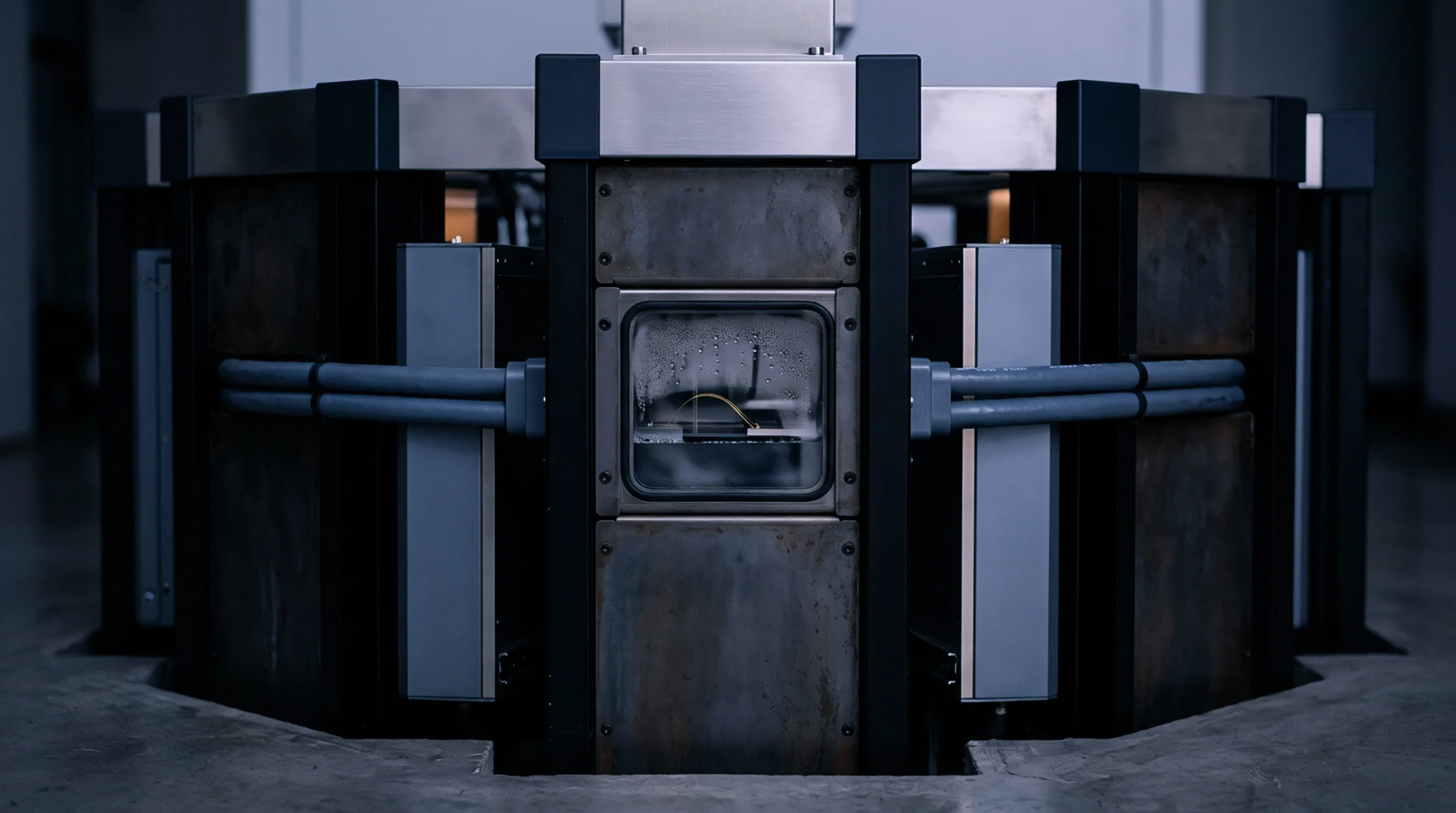
Acoustic microscopy detects sub-micron HDI substrate delamination using phase-inversion gating at frequencies between 100 MHz and 300 MHz.
High frequency C-SAM detects post bake package delamination down to ten nanometer air gaps using acoustic phase inversion analysis.
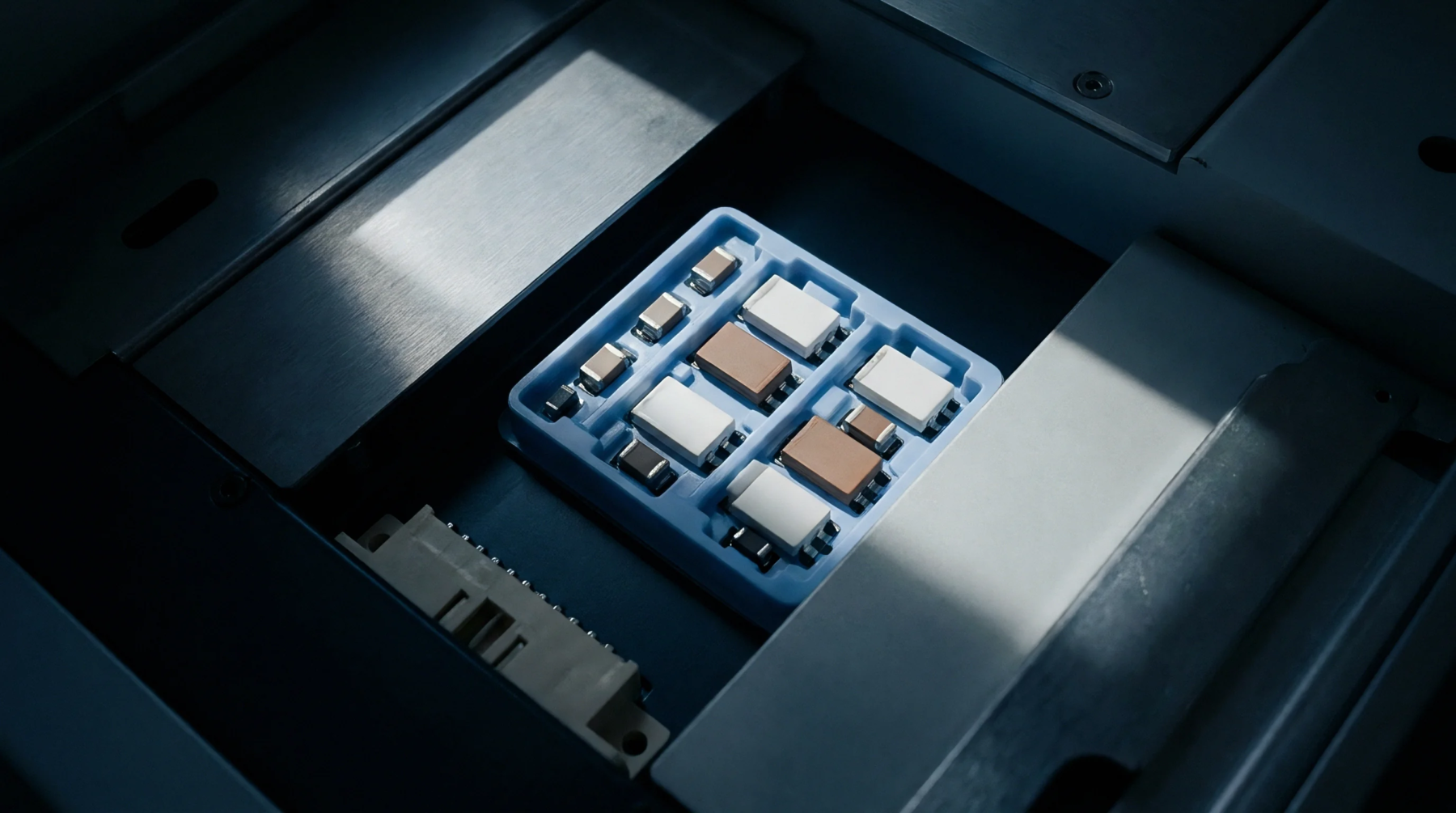
Prevent secondary reflow and component damage by enforcing clear keepout zones, utilizing machined composite shielding, and capping adjacent joint temperatures below 180°C.
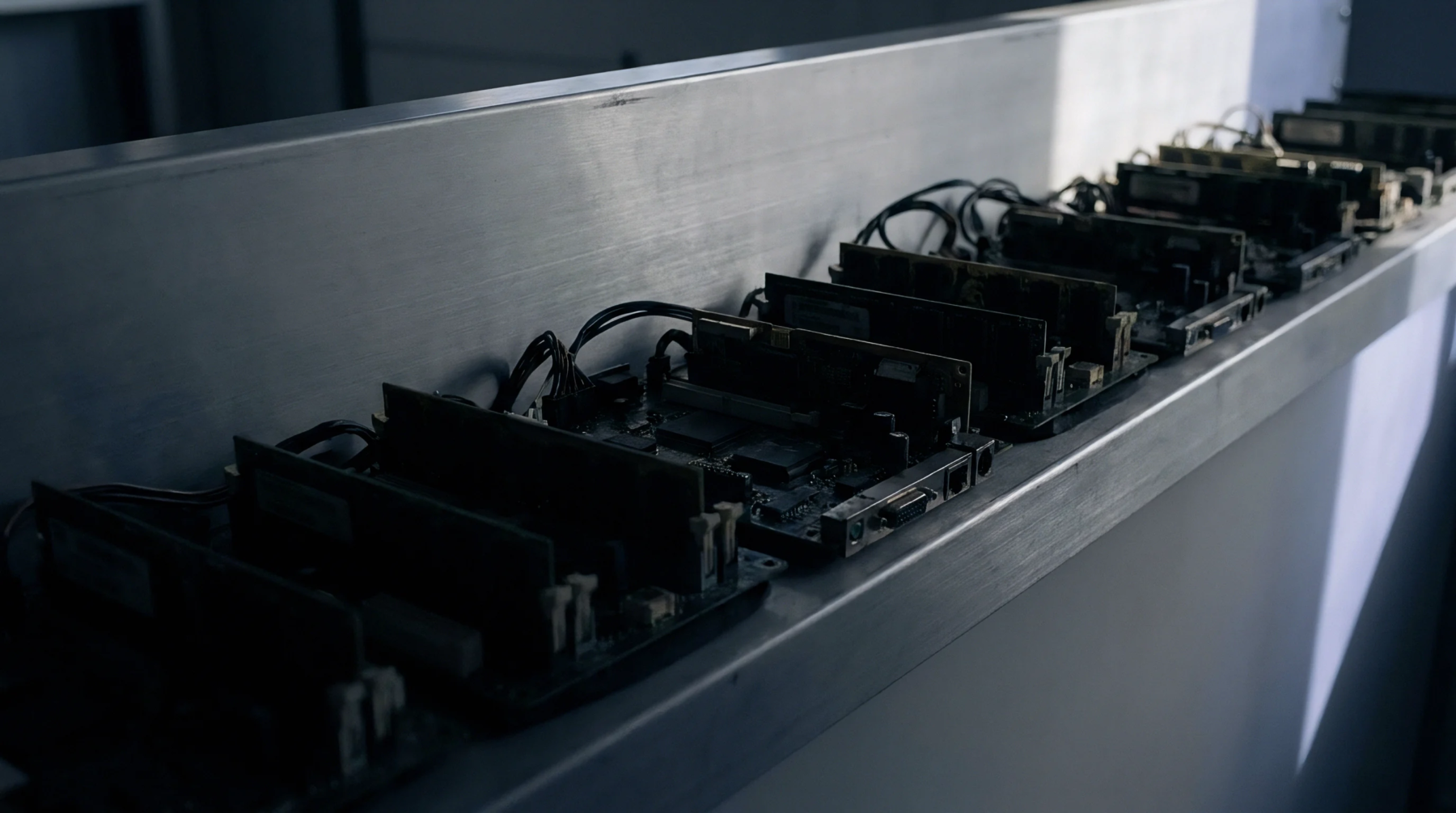
Enforce IPC/JEDEC-9704 strain budgets and maximum 5% intermetallic planar void limits in assembly contracts to hold manufacturers liable for latent solder joint shear failures.
Expertise is a utility, not a secret. sentiention™ publishes its working knowledge as open reference: intelligence layer covering the materials it sources, the markets it enters, and the reference that serves both.