
Plated Through-Hole Solder Vertical Fill Inspection Standards
Plated through-hole vertical fill standards mandate a minimum 75 percent solder barrel height for IPC Class 2 and Class 3 electronic assemblies.
Plated through-hole vertical fill standards mandate a minimum 75 percent solder barrel height for IPC Class 2 and Class 3 electronic assemblies.

Reliable wave solder barrel fill depends on controlled radial gaps, complete flux activation, and thermal preheat profiles matching IPC Class 3 limits.
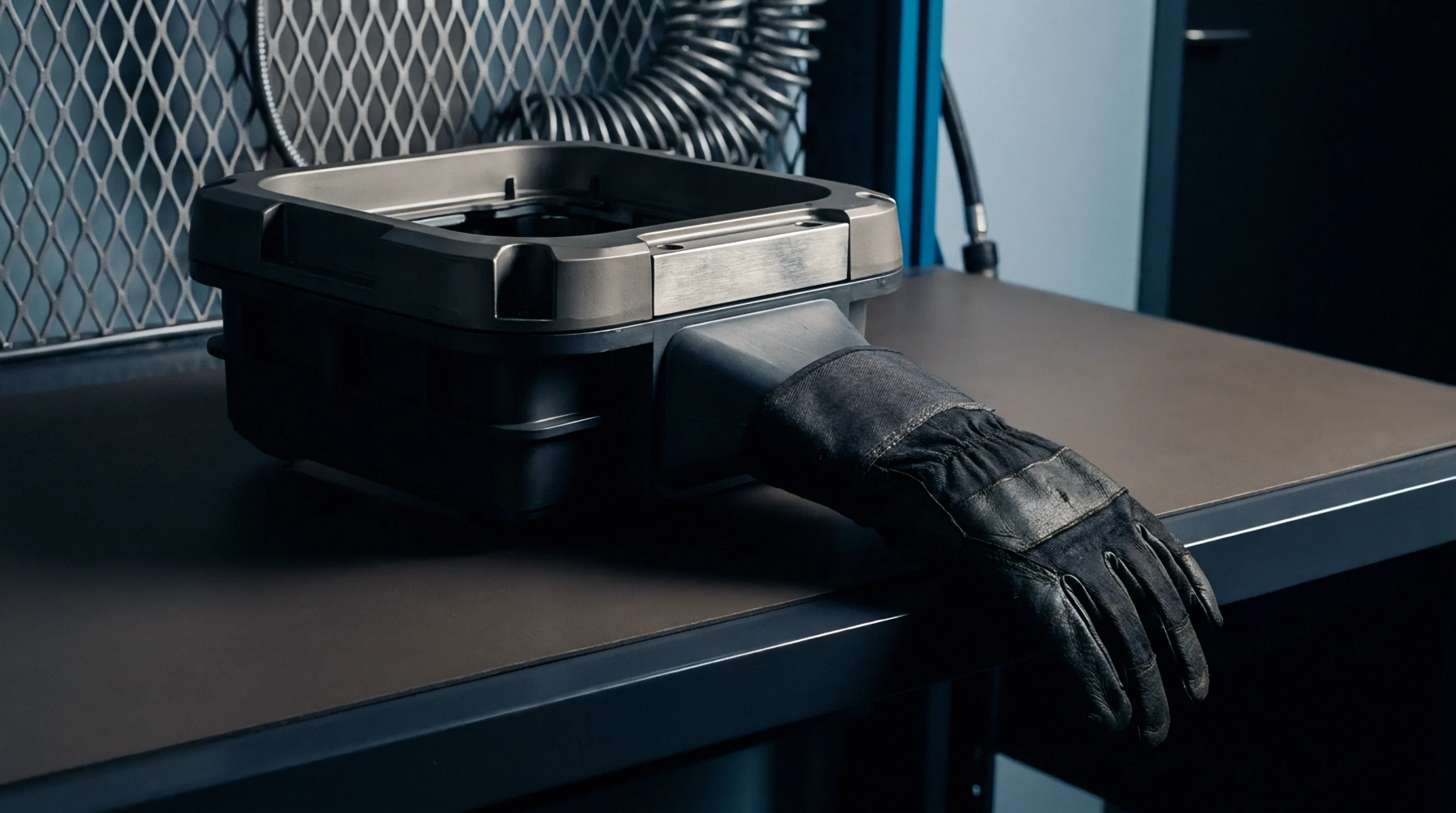
IPC-A-610 specifies plated through hole assembly requirements by class, mandating seventy-five percent vertical solder fill for Class 3 high-reliability builds.

Titanium anodization degradation in lead-free waves accelerates TiSn2 dissolution, requiring thickness monitoring to prevent alloy bath contamination.

Real-time thermal gradient control and tuned peel-off dynamics secure Class 3 vertical hole fill while preventing bridges and copper knee dissolution.
Plated through hole solder joints evaluated under IPC standards require strict vertical fill, top and bottom fillet wetting, and bounded radiographic voiding.
Achieving vertical hole fill on heavy copper PCBs requires extended preheat profiles, thermal relief spokes, and precise solder paste volumetric overprinting.
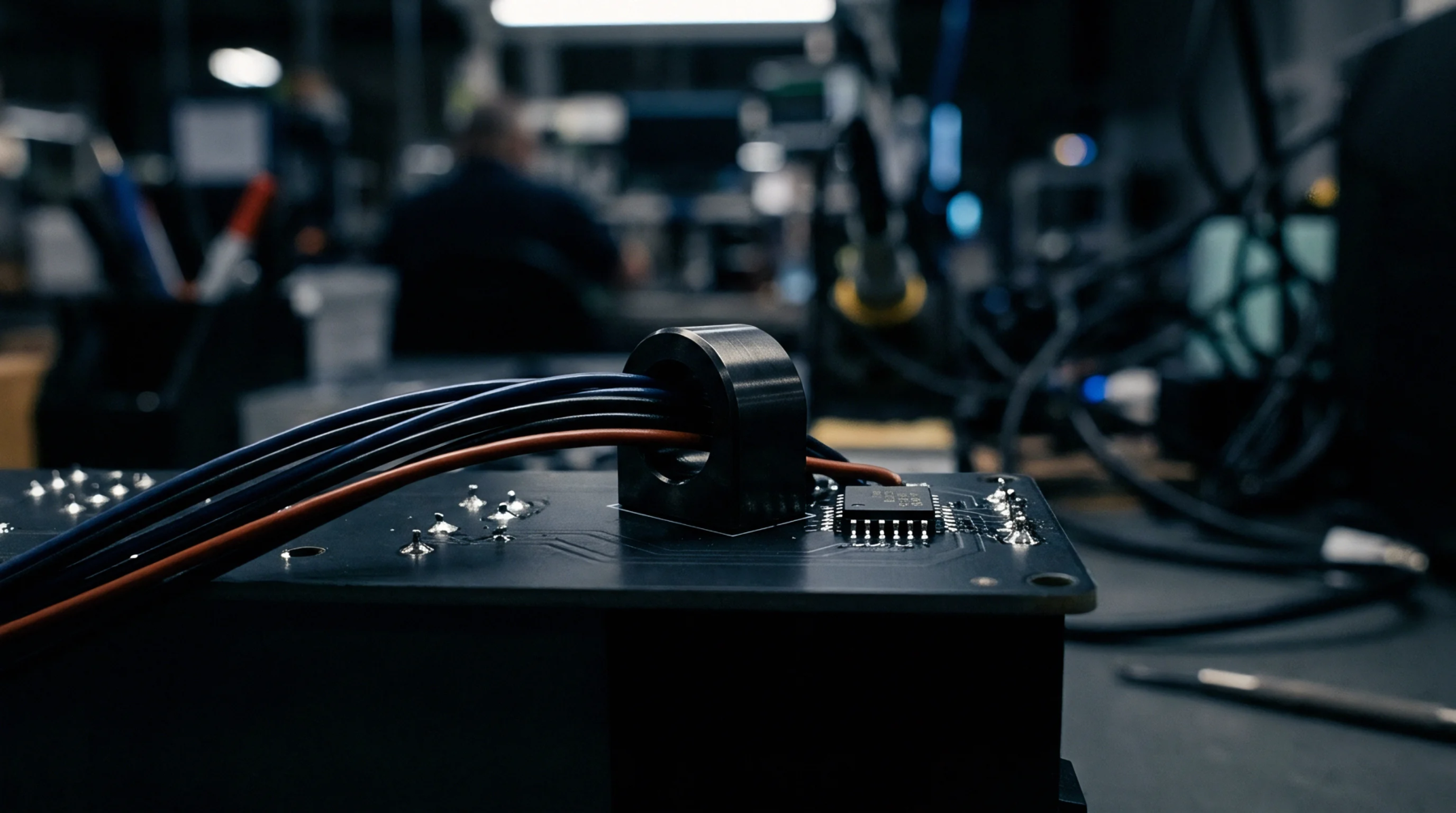
Optimizing barrel fill on high thermal mass boards requires thermal relief geometries, elevated topside preheat, and controlled alloy contact duration.
Expertise is a utility, not a secret. sentiention™ publishes its working knowledge as open reference: intelligence layer covering the materials it sources, the markets it enters, and the reference that serves both.