Allocating Risk and Custody for Custom Manufacturing Tooling
Securing legal title to custom tooling demands milestone payment terms, permanent asset metal tags, public UCC filings, and clear bailment maintenance records.

Title
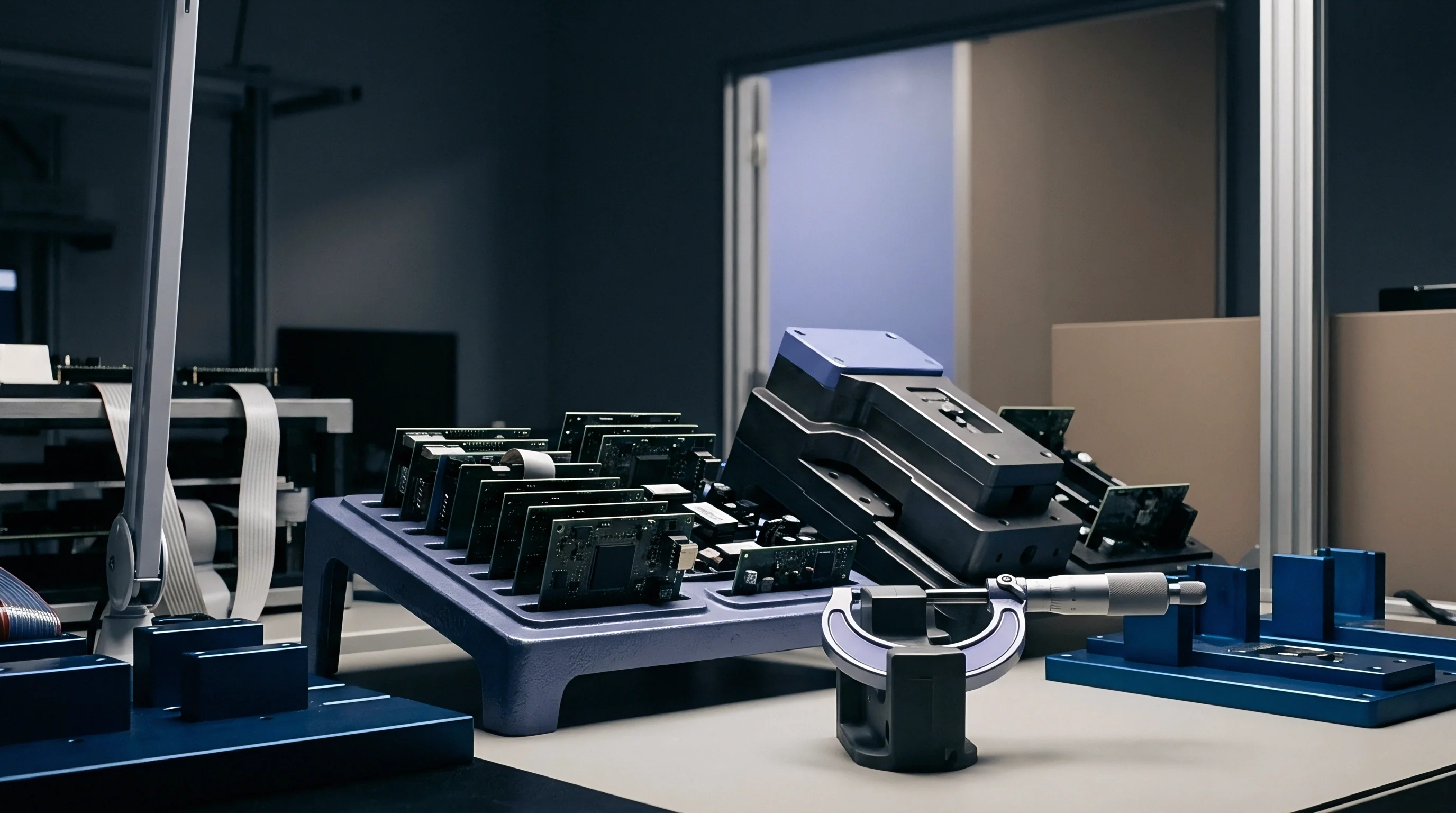
Legal ownership precedes physical release. Commercial contracts define the point where financial risk transfers from the tooling shop to the buyer. Custom manufacturing tooling ~ such as injection molds, stamping dies, and automated test fixtures ~ requires upfront capital months before production validation occurs.
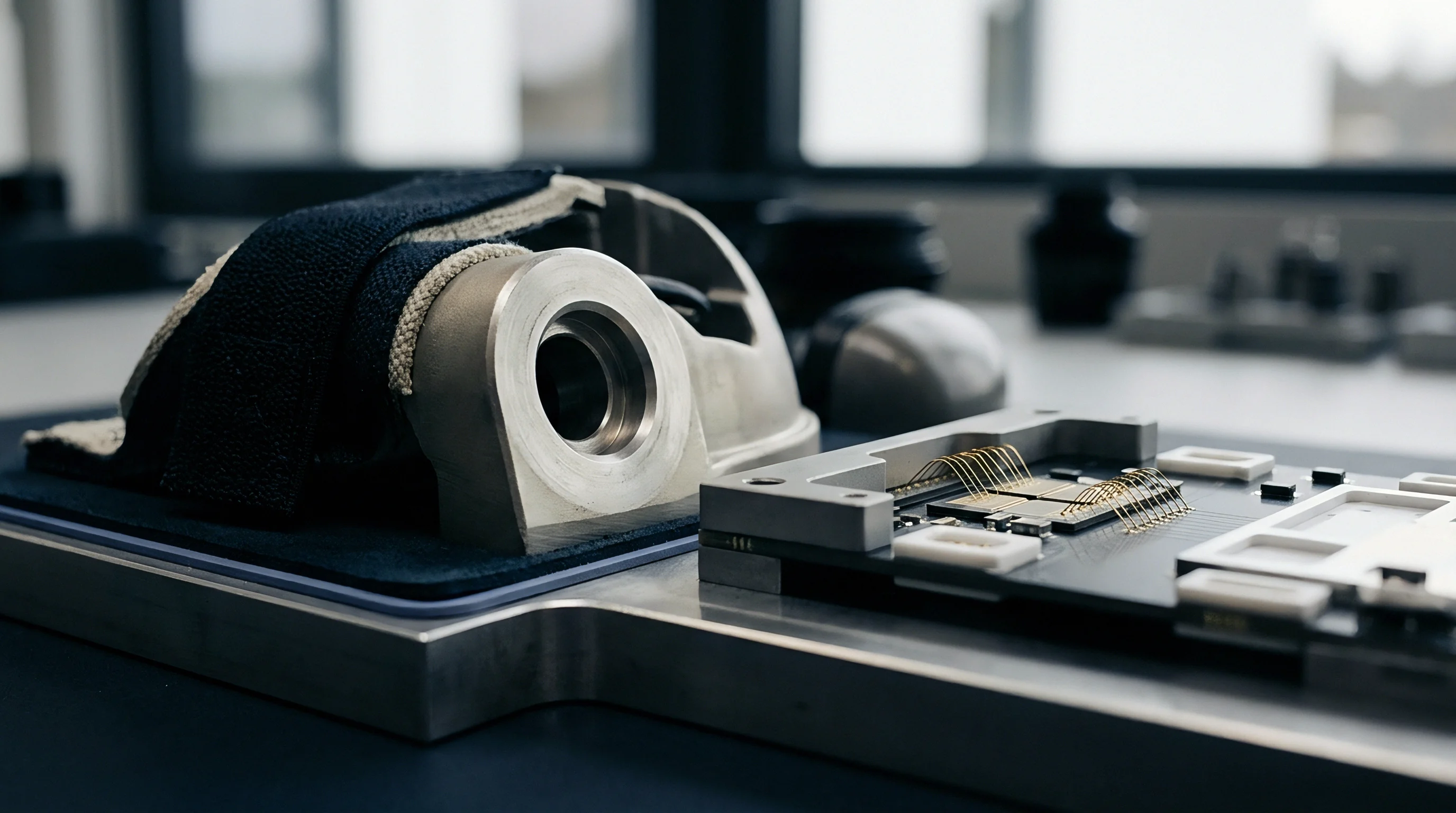
Progress payments structure this risk shift. A standard agreement releases thirty percent upon design approval, forty percent upon preliminary sample off-tool, and thirty percent following first article dimensional acceptance. Legal interest passes upon full payment execution or upon written milestone signoff, depending on contract terms.
Milestone Structure and Financial Risk Shift
Contract terms dictate whether custom tooling remains buyer-owned property held on bailment or vendor-owned equipment amortized into piece-part pricing. Capitalized tooling agreements require asset identification plates mounted directly to the mold base before the tool leaves the machine shop. These plates specify legal ownership, part drawing numbers, asset serial numbers, and any patents covering the molded features.
Without physical branding, tooling assets risk reclassification as vendor inventory during local audits.
| Milestone Phase | Payment Share | Ownership Status | Risk Assigned To |
|---|---|---|---|
| Design Signoff | 30 Percent | Vendor Retained | Tooling Fabricator |
| First Sample Off-Tool | 40 Percent | Encumbered Bailment | Shared Risk |
| First Article Acceptance | 30 Percent | Full Buyer Title | Contract Manufacturer |

Bailment Agreements and Asset Identification
Bailment creates a legal duty of care for the supplier possessing the tool. The bailment contract mandates that the custodian store, maintain, and operate the tool exclusively for the bailor’s purchase orders. The custodian bears strict liability for physical damage occurring outside normal operational wear.
Insurance policies maintained by the supplier list the buyer as an loss payee for replacement value.
Incorporating FAR 52.245-1 government property terms into supply agreements shifts loss risk to the supplier for unapproved off-site transfers.
Commercial agreements include specific provisions governing transfer timing. Standard terms state that title passes immediately upon initial milestone payment execution, regardless of where the physical asset resides.
Clamp
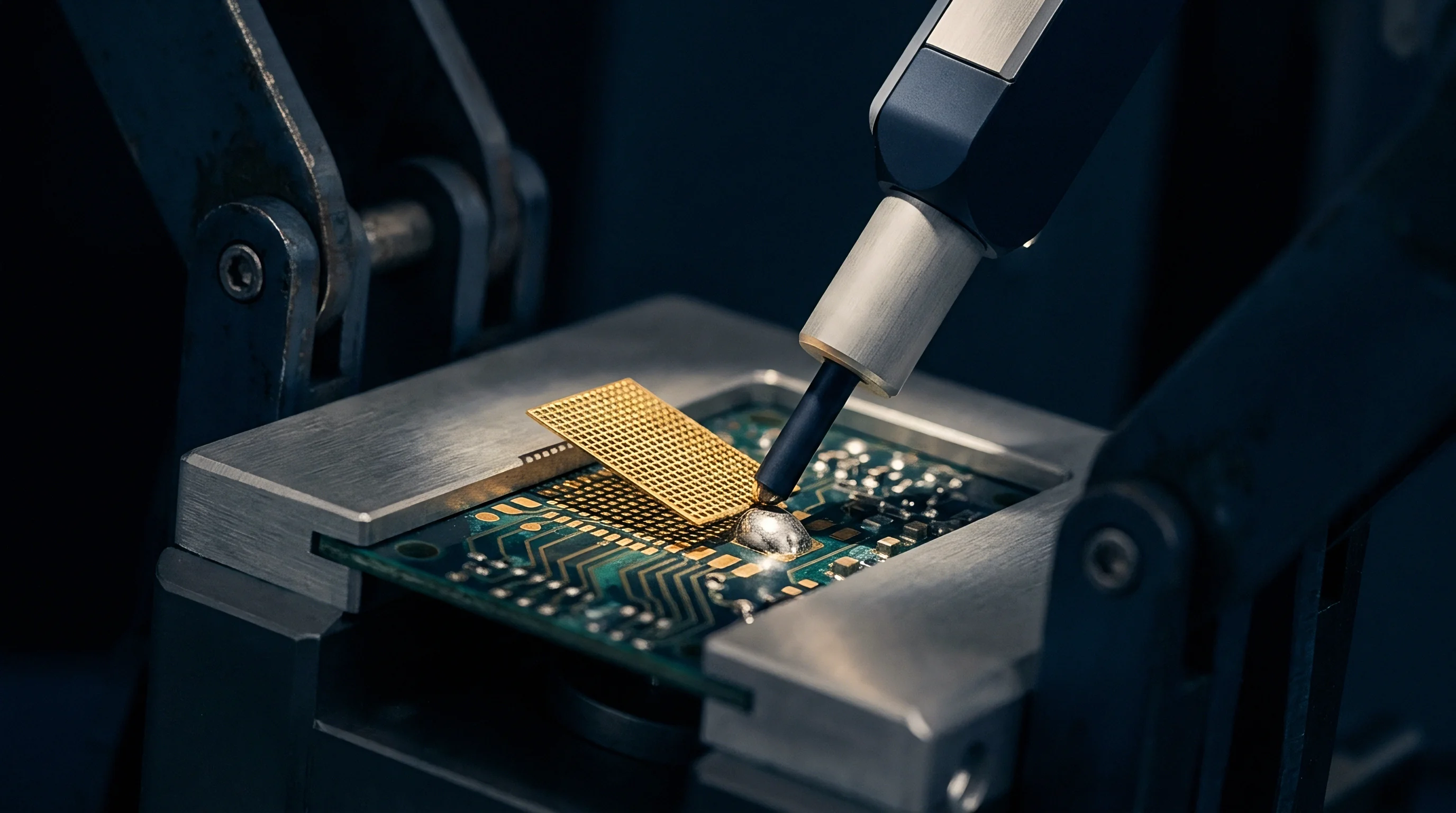
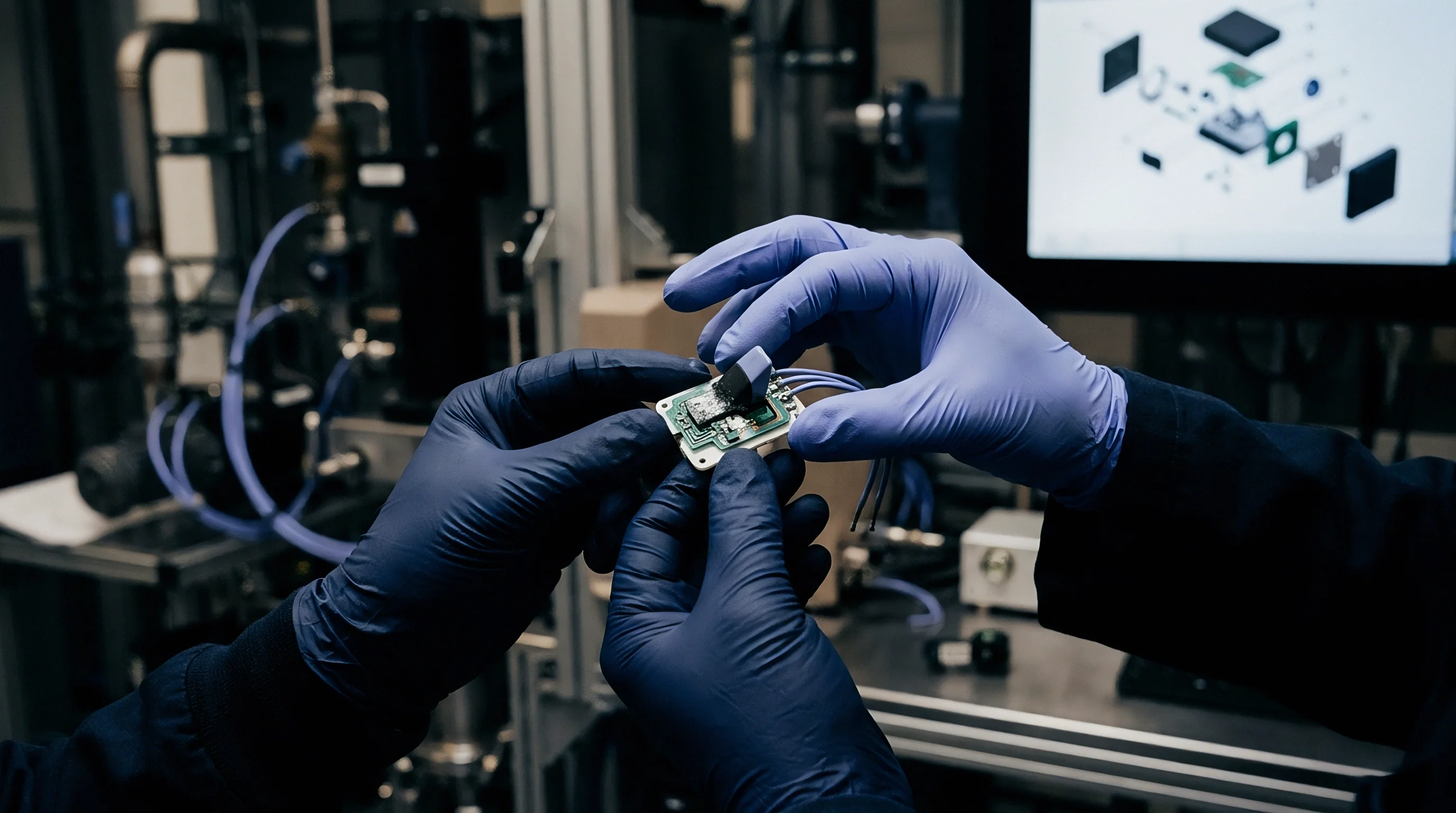
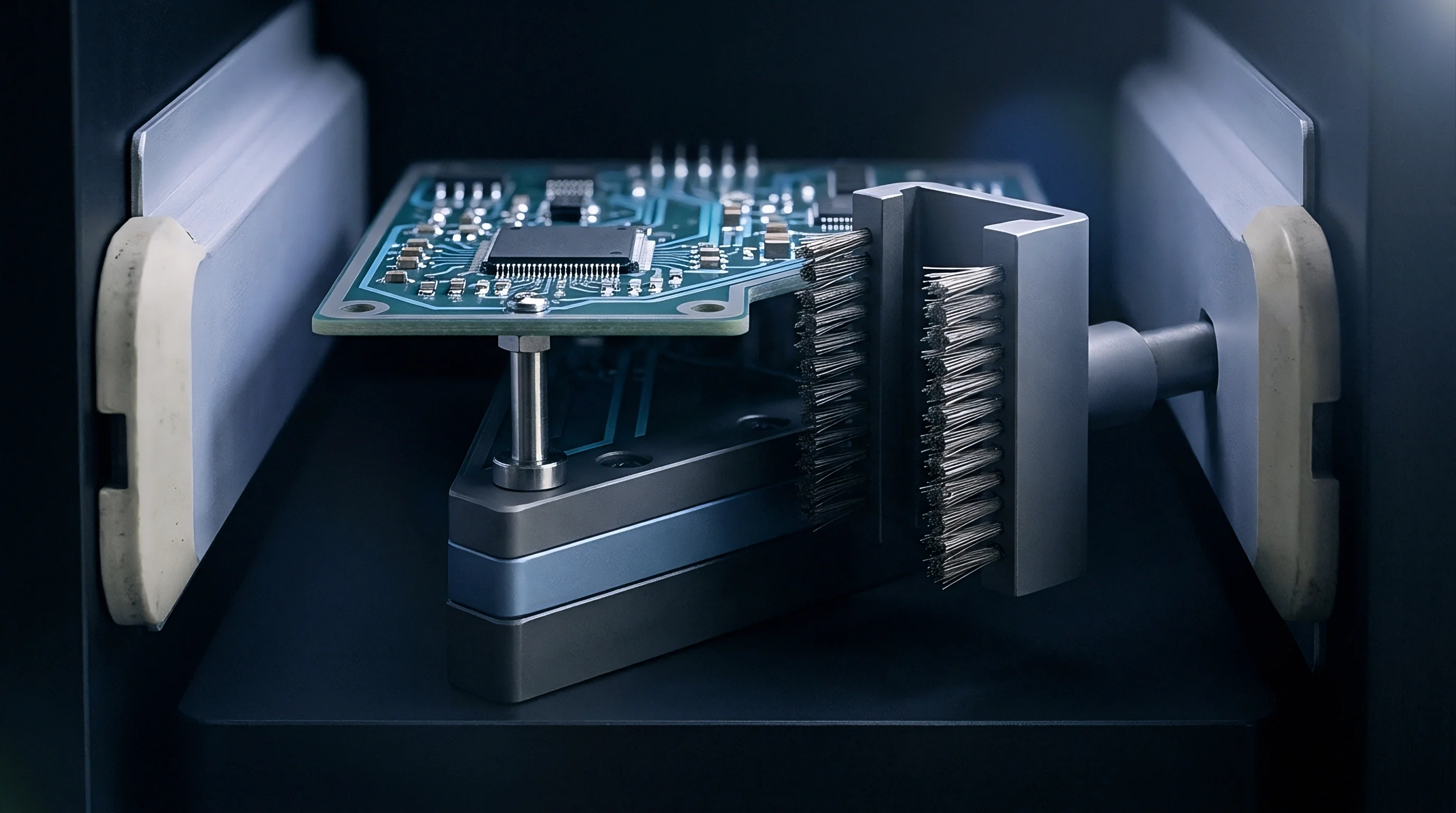
Physical fixture verification begins on the factory floor. Dimensional accuracy determines whether a tool performs to CAD parameters. Coordinate measuring machines record surface contours, pin alignments, and parting line tightness before production trials start.
Acceptance criteria rely on ISO 1101 geometric tolerancing and ASME Y14.5 specifications.
Dimensional Acceptance and CMM Profiling
Acceptance protocols demand full dimensional verification across three consecutive trial runs. CMM reports map nominal dimensions against physical part samples ~ confirming features like hole alignment ~ and calculate process capability index values for critical characteristics. A process capability index above 1.67 proves tool stability.
Tooling acceptance remains provisional until critical dimensions meet capability thresholds under mass production speed.
- Cavity Volumetric Mismatch Imbalance between multi-cavity injection molds causes uneven filling, localized flash, and dimensional variance across simultaneous shots.
- Runner System Imbalance Pressure drops across unbalanced runner manifolds force thermal degradation in distal cavity gates.
- Core Pin Deflection High side-wall injection pressure warps thin core pins, causing non-concentric wall thickness in tubular moldings.
- Ejector Pin Binding Thermal expansion during rapid cycle times expands ejector pins beyond sleeve tolerances, causing mechanical lockup.

First Article Inspection and Mechanical Signoff
First article signoff fixes liability. The buyer assumes physical asset risk once formal acceptance documents receive approval signatures. Signing off on preliminary samples with known dimensional non-conformities shifts rework costs onto the buyer.
Written concession agreements isolate specific non-conforming dimensions while keeping the fabricator liable for general tool performance.
Shop practices govern physical tool conditioning prior to production release. Lubrication schedules, cooling channel pressure testing, and hydraulic core-pull timing checks form the baseline operational qualification record.

Wear
Repetitive thermal and mechanical cycles degrade mold cavity integrity over time. Steel hardness, cavity pressure, and abrasive resin filler content dictate tool degradation rates. Shot counts track physical usage across production runs.
Preventive maintenance schedules require scheduled cleaning, lubrication, and seal replacement to avoid catastrophic tool failure.

Where Does Legal Title Rest during Tool Modifications?
Engineering change orders introduce legal ambiguity regarding asset ownership during active production runs. Modifying existing mold cavities to accommodate revised part drawings adds material value to the original tool. The original bailment agreement remains binding if the contract defines modifications as maintenance actions paid by the buyer, with physical tooling tags continuing to specify legal title.
| SPI Class | Design Shot Life | Cavity Material | Maintenance Responsibility |
|---|---|---|---|
| Class 101 | 1,000,000 Cycles | H13 Hardened Steel | Contract Manufacturer |
| Class 102 | 500,000 Cycles | P20 Pre-hardened Steel | Shared Allocation |
| Class 103 | 100,000 Cycles | 7075 Aluminum | Buyer Reimbursed |
Shot Life Amortization and Refurbishment Limits
Preventive maintenance costs fall on the contract manufacturer, while major refurbishments remain the buyer’s financial duty. Differentiating routine maintenance from capital refurbishment requires clear shot-count thresholds recorded in cycle logs; incomplete records can void warranty claims.
Hardened H13 steel cavity inserts operating at 320 degrees Celsius maintain dimensional tolerances across 500,000 injection cycles before micro-cracking occurs.
Assume a four-cavity aluminum 7075 injection mold costing 45,000 USD, rated for 100,000 shots. Amortization allocates 0.45 USD per shot. Upgrading the tool with beryllium copper cavity inserts adds 12,000 USD to the capital value while extending shot life to 250,000 units.
The modified per-shot tool asset cost drops to 0.228 USD. Maintenance costs shift to the supplier once shot counts pass agreed baseline thresholds without buyer change orders.
Failure to track shot counts allows subtle cavity erosion to degrade component dimensions, causing downstream assembly rejections that inflate warranty reserves.


Transit
Moving heavy manufacturing dies between plants exposes assets to environmental and structural hazards. Moisture destroys unsealed mold steel. Tooling preservation requires active rust preventative coatings, volatile corrosion inhibitor vacuum packaging, and wooden crates compliant with ISPM 15 heat treatment standards.
Freight liability adheres to ICC Incoterms specifications agreed upon in the master supply contract.
Relocation Mechanics and Freight Risk Allocation
Relocating tooling from an incumbent supplier to an alternative facility carries operational risks. Incumbent suppliers often surrender physical assets in degraded conditions when contracts end. Pre-shipment inspections document cavity condition, electrical wiring integrity, and surface finish before crating occurs to guard against salt water damage.
- Preservation and Greasing Application of heavy-duty rust preventive compounds across active cavity surfaces and bare metal guide pins.
- Environmental Shock Crating Encapsulation inside moisture-vapor barrier bags with desiccants, mounted on shock-absorbing wooden pallets.
- Transit Insurance Bound Execution of marine cargo insurance covering full replacement value plus business interruption protection during transit.
- Customs Tariff Classification Accurate HS code declaration identifying custom dies as bailment property to prevent import tax assessments.
Relocating active molds between facilities requires fresh dimensional qualification before production parts receive release.
Damaged tooling on arrival is frequently attributed to transit vibration causing internal pin misalignment during ocean freight shipping.
Default
Unforeseen commercial failure of a contract manufacturer threatens physical retrieval of buyer-owned molds. Unregistered bailments face legal seizure. Mechanics’ liens asserted by sub-contractors or local landlords can freeze physical tooling assets indefinitely.
Securing legal title against third-party creditors demands proactive regulatory filings. Stamping a UCC-1 financing statement into the public record establishes priority interest over general inventory lenders.
Replevin Rights and Insolvency Procedures
Replevin legal actions allow buyers to repossess property held wrongfully by defaulted suppliers. Executing an ex parte replevin writ requires proof of ownership, complete payment records, and unambiguous physical identification tags on the tool base. Without public asset filings, bankruptcy courts treat custom tooling as general assets of the insolvent supplier estate.
- File stamped UCC-1 financing statements listing specific mold serial numbers prior to tool release.
- Conduct quarterly physical audits to verify permanent metal tags displaying buyer ownership details.
- Issue an immediate written demand for physical surrender upon receipt of notice of default.
- Coordinate local counsel and law enforcement to execute ex parte replevin writs at the vendor facility.
Unmarked custom tooling sitting on a supplier floor routinely becomes entangled in bankruptcy proceedings during liquidations.
How do buyers secure immediate physical extraction of multi-ton dies when a foreign supplier locks factory doors overnight during an ownership dispute?
Salvage
End-of-life protocols govern the disposition of obsolete tooling assets, relying on scrap certificates to confirm physical destruction. Decommissioning custom dies protects underlying intellectual property from unauthorized secondary market production. When product lifecycles end, buyers issue written instructions for tool destruction or physical return.
Buyers pay scrap handling fees or receive salvage metal credit based on net tool weight and material composition. Hardened steel cores undergo mechanical crushing or torch cutting across critical parting surfaces. Photolithography masks used in semiconductor manufacturing undergo chemical etching or physical demagnetization.
Metallurgical recycling yields raw steel value while eliminating unauthorized part fabrication risk.