Test Method
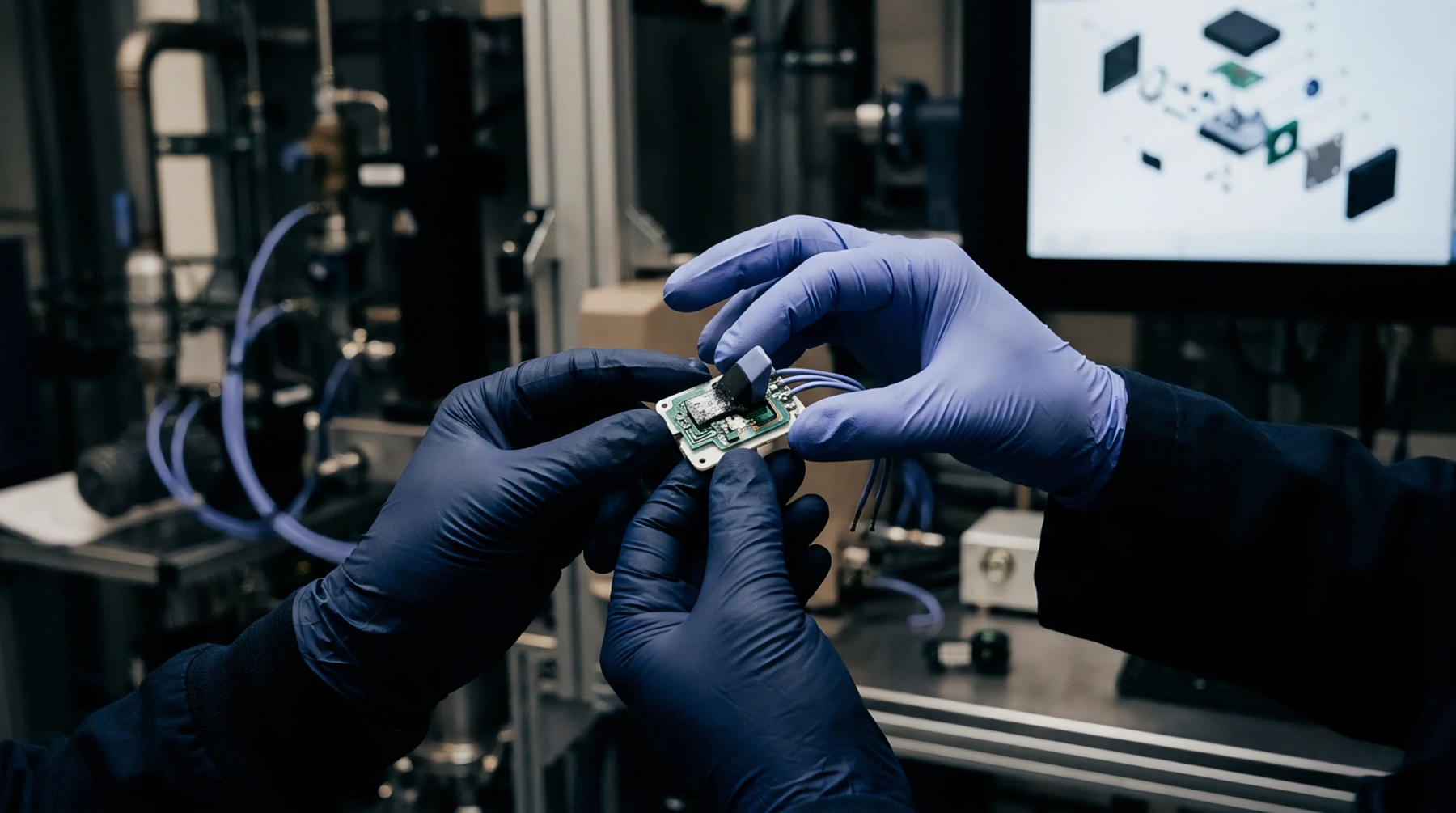
Environmental testing standards establish uniform laboratory procedures to assess electronic assembly performance under controlled climatic and mechanical conditions. Standard published under iec 60068 provides standardized test profiles that simulate storage and operational environments across industrial electronics. Compliance requires exposing test specimens to specified environmental stress levels without structural degradation or functional failure.
Stress Regime
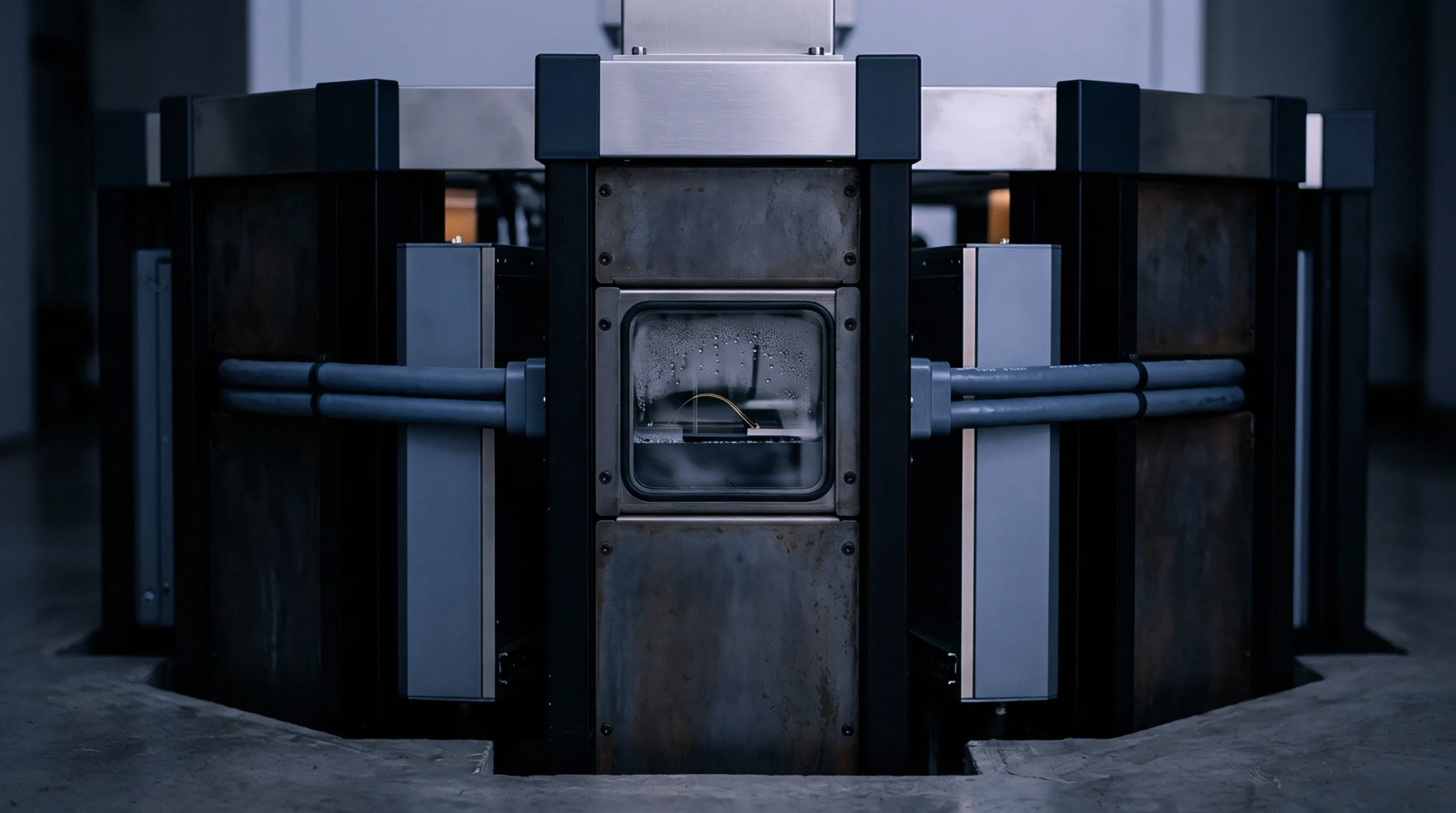
Sinusoidal vibration and damp heat exposure represent primary testing categories detailed within the multi-part standard framework. Part 2-14 defines thermal shock parameters where printed circuit board assemblies transition between hot and cold liquid baths or air chambers to induce thermal mismatch stresses between solder joints and substrates. Accelerated environmental exposure forces latent manufacturing flaws to appear as open circuits or intermittent electrical contacts.
Test equipment monitors electrical continuity continuously during vibration and thermal cycling tests to detect micro-cracking in lead-free solder interconnects. Environmental chambers control temperature ramp rates and relative humidity levels within tight tolerances to ensure reproducible stress conditions across different testing laboratories. Exposure duration and temperature extremes depend on the designated severity class of the end-product operational environment.
Compliance Baseline
Failure criteria during environmental testing focus on solder joint cracking, substrate delamination and functional drift beyond electrical specification limits. Passing iec 60068 qualification confirms structural integrity under harsh operational environments.