Flexible Material
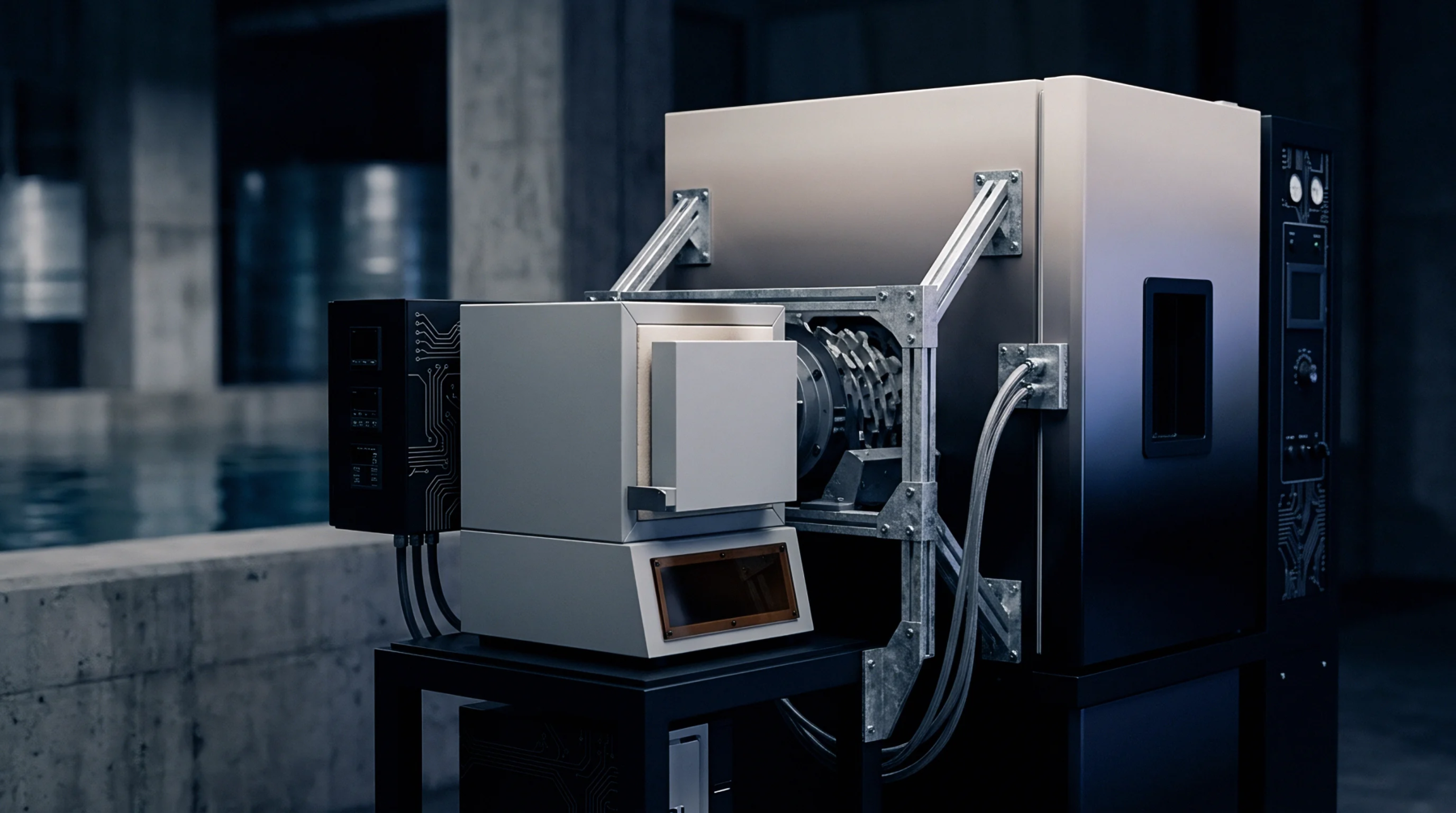
High performance circuit boards that must bend during installation or continuously flex during operation rely on polymers with exceptional thermal stability. Using a polyimide substrate allows manufacturers to produce thin, highly flexible printed circuits that can withstand continuous temperatures above two hundred degrees Celsius. This film material is chosen for its chemical inertness, high dielectric strength, and mechanical flexibility under extreme conditions.
It replaces traditional rigid epoxy glass matrices in applications where space is limited and boards must conform to irregular shapes.
Physical Durability
Dynamic flexing puts extreme mechanical stress on the copper traces bonded to the polymer base. The high tensile strength of the polyimide substrate prevents the copper traces from tearing during repeated bending cycles. It also offers low moisture absorption and excellent dimensional stability under high temperature processing.
These qualities ensure that the flexible circuits do not warp or degrade during subsequent assembly stages.
Assembly Advantage
Thermal resistance allows these flexible circuits to undergo multiple solder reflow runs without experiencing dimensional shrinkage. This thermal endurance is critical for multi-layer rigid-flex boards where the flexible sections must pass through the high-temperature press cycles used to bond the rigid FR-4 sections together. The material keeps its integrity during these processes.