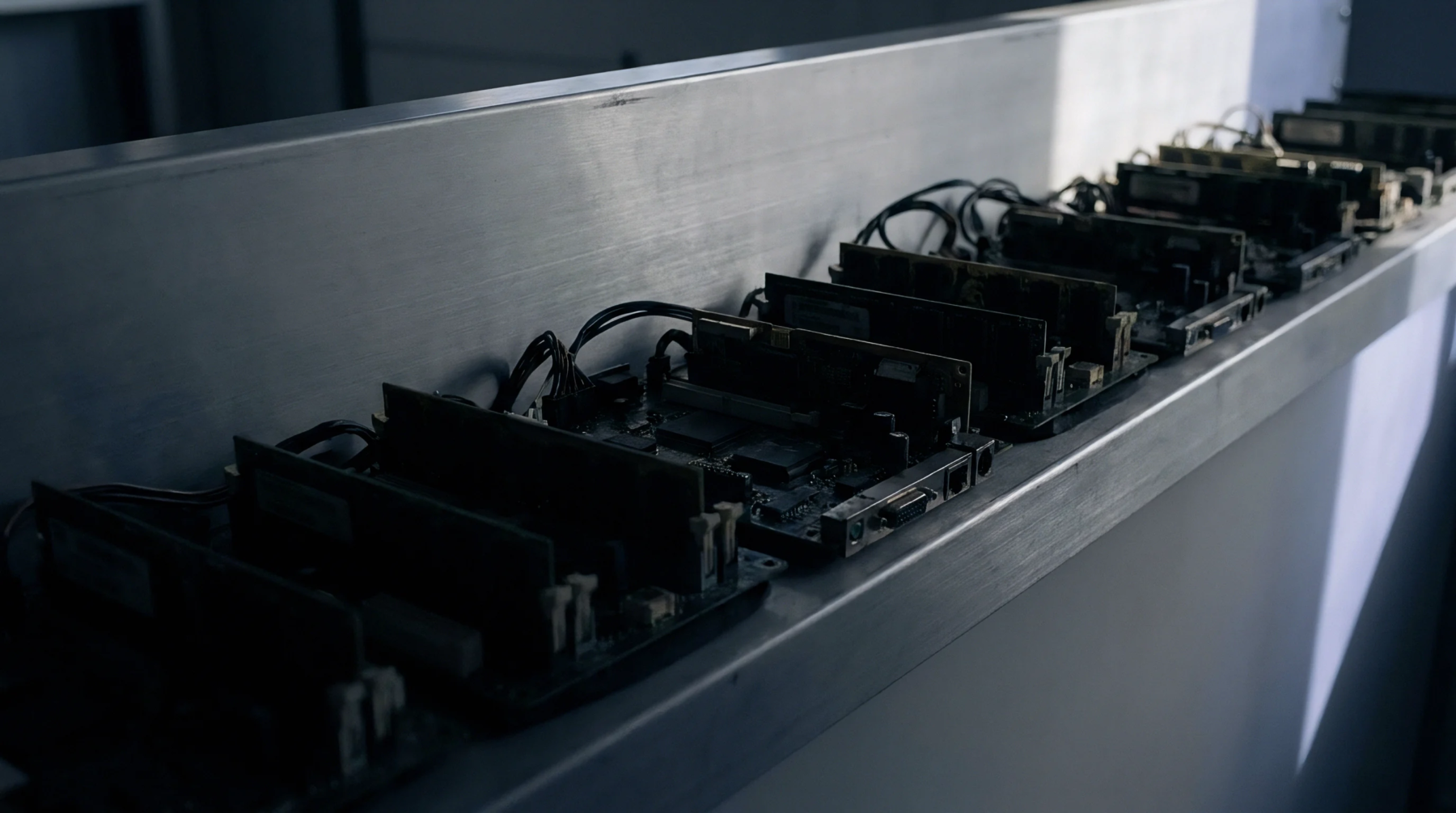
Resin Matrix Permittivity Temperature Drift Basics in High Frequency Substrates
Matrix thermal permittivity drift alters RF phase velocity and impedance, demanding ceramic-filled low-TcDk laminates for thermally stable millimeter-wave designs.
Matrix thermal permittivity drift alters RF phase velocity and impedance, demanding ceramic-filled low-TcDk laminates for thermally stable millimeter-wave designs.
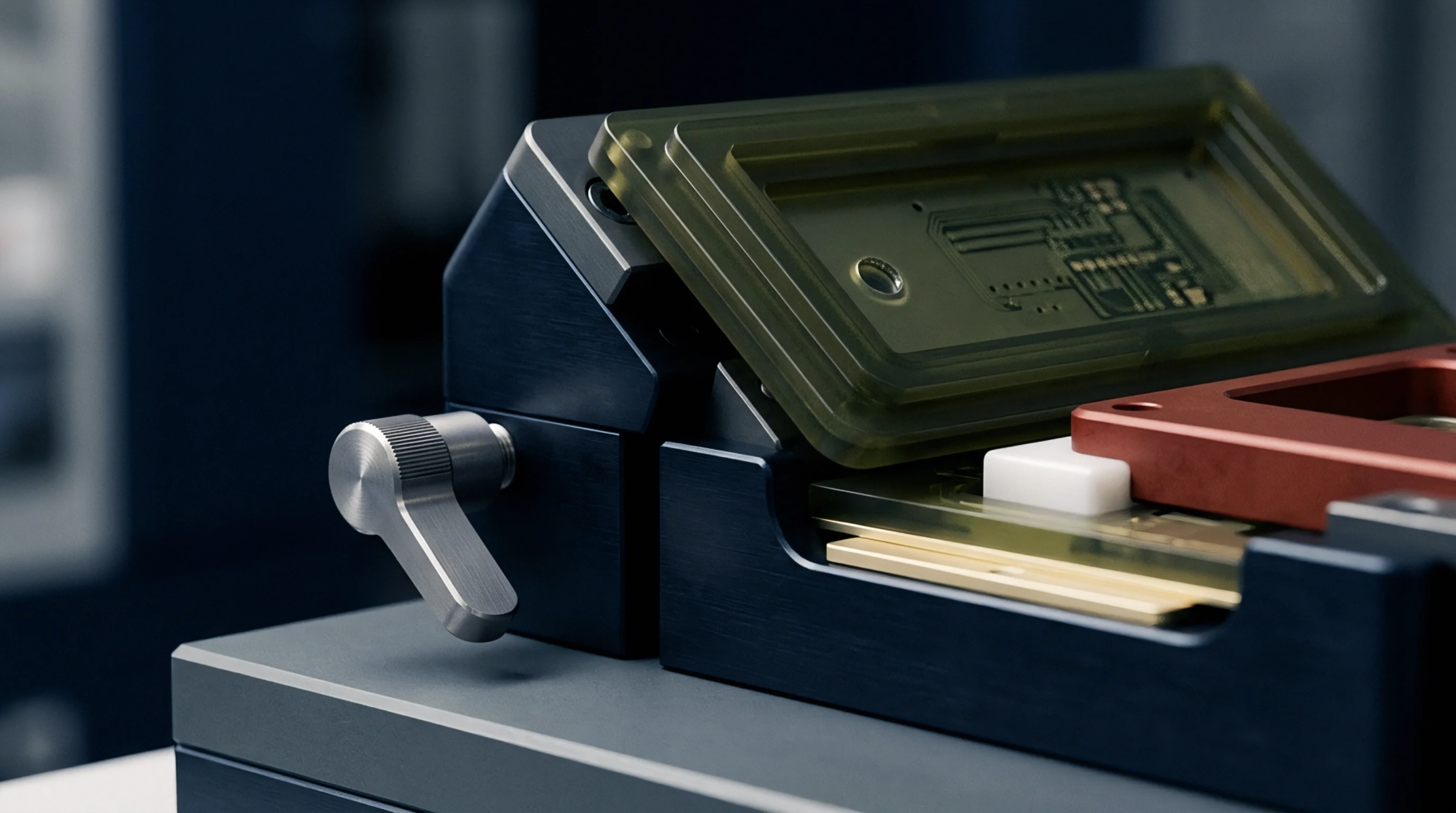
Quantify anisotropic permittivity drift by extracting tensor components across environmental chambers to preserve differential impedance and phase margins.
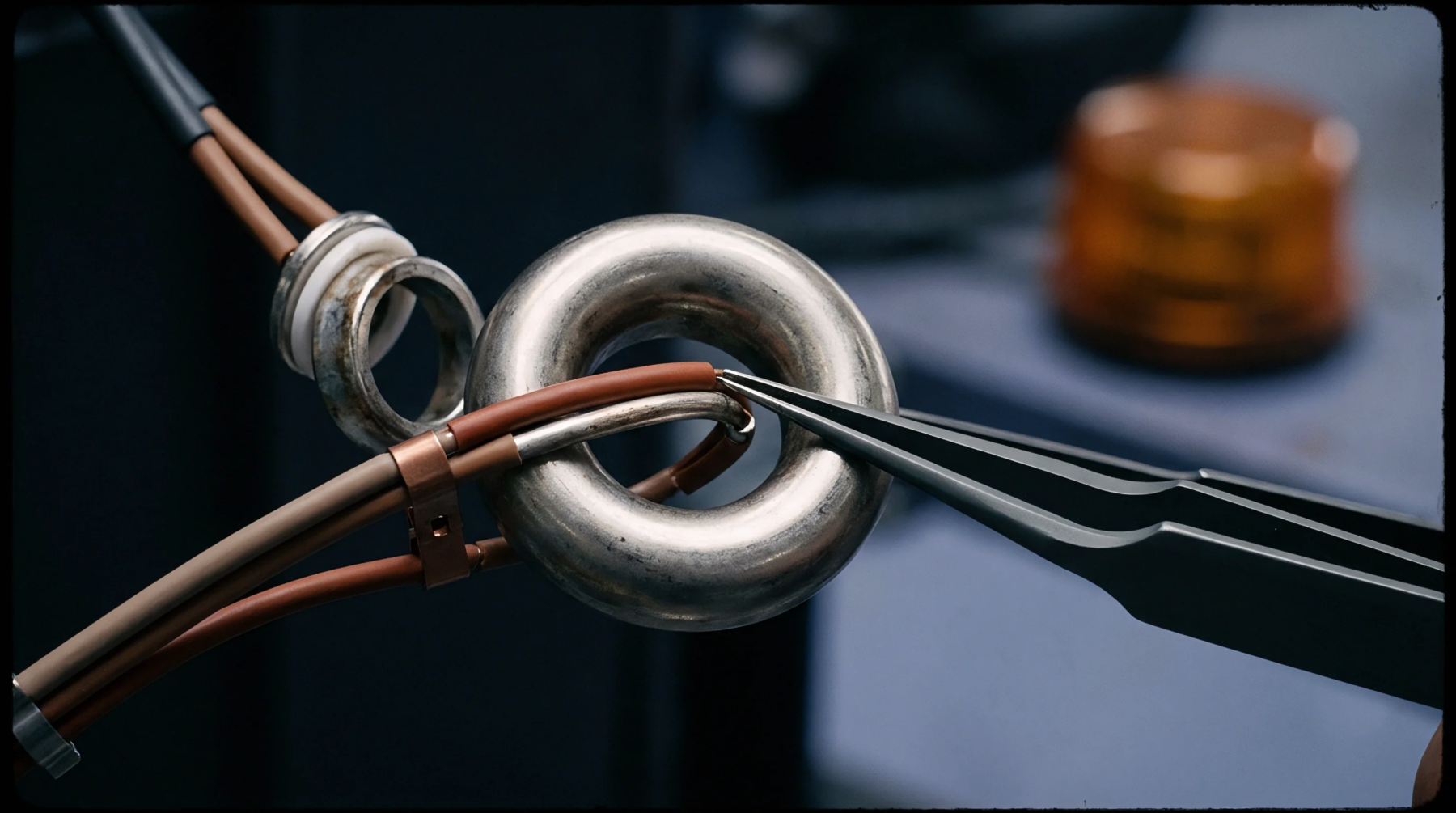
Heterogeneous core lamination requires synchronized thermal ramps to align flow windows and prevent resin phase extraction along substrate interfaces.
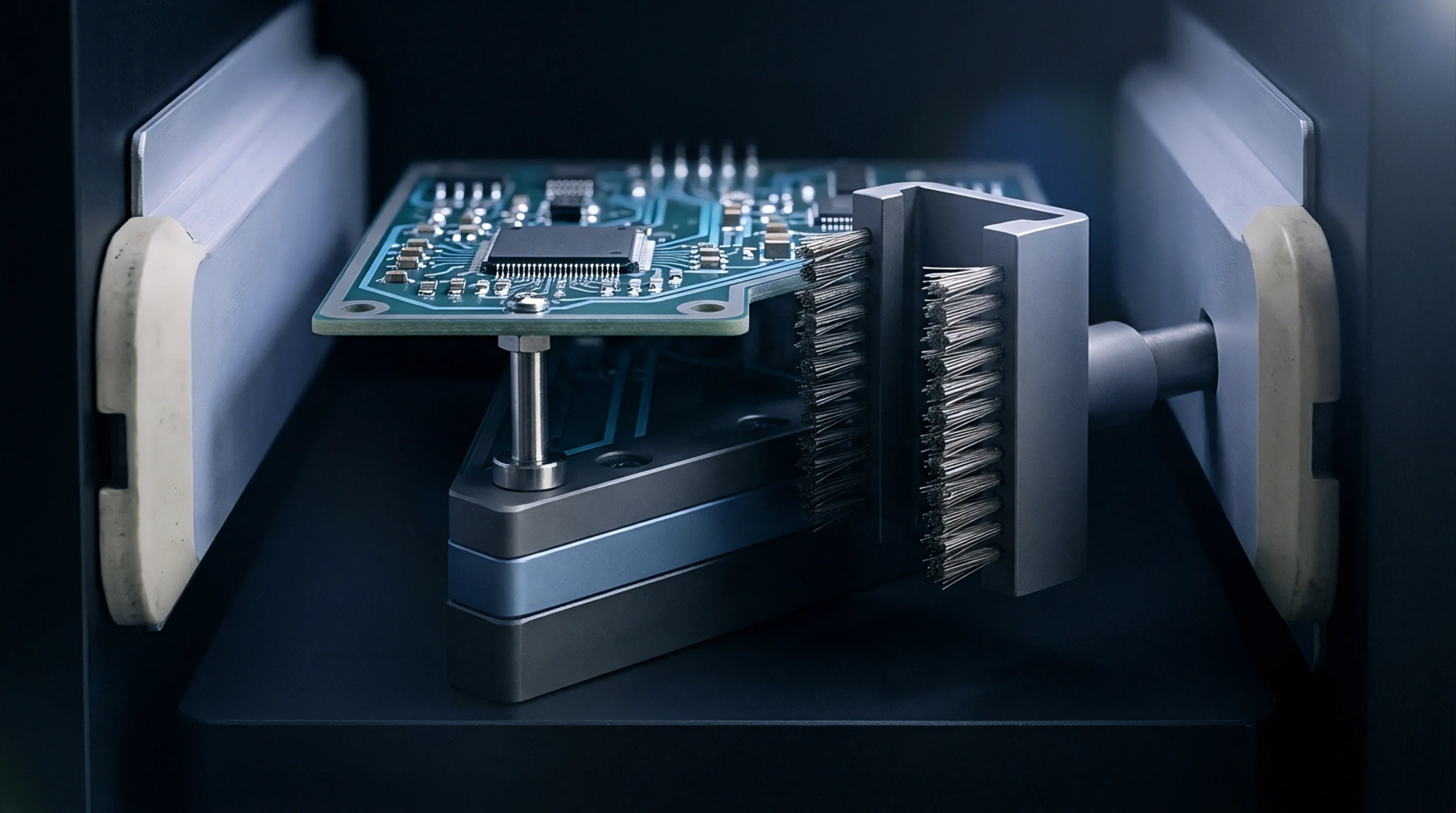
Surveillance compliance demands continuous cross-tier test record alignment, analytical material validation, and strict engineering change authorization.
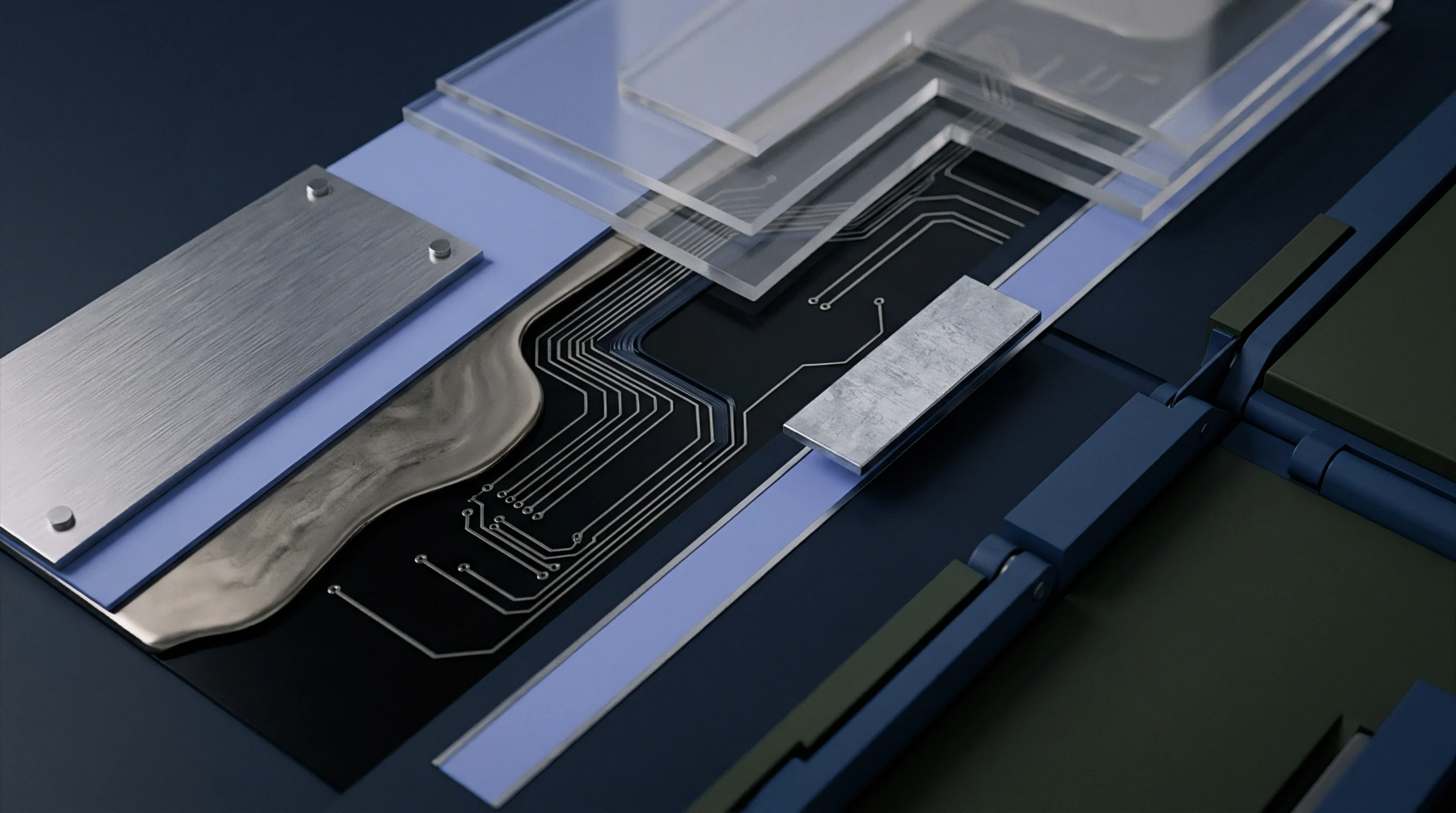
Controlling lamination thermal ramps between 1.5 and 2.0 °C per minute minimizes resin stress and phase skew in sequential multilayer stackups.
Spread glass weaves minimize micro-spatial permittivity variations, stabilizing high-frequency phase delay when press thermal cycles are tightly controlled.
Multilayer power distribution field escape risk requires bench near-field scanning and transfer impedance limits to prevent far-field compliance chamber failures.
Expertise is a utility, not a secret. sentiention™ publishes its working knowledge as open reference: intelligence layer covering the materials it sources, the markets it enters, and the reference that serves both.