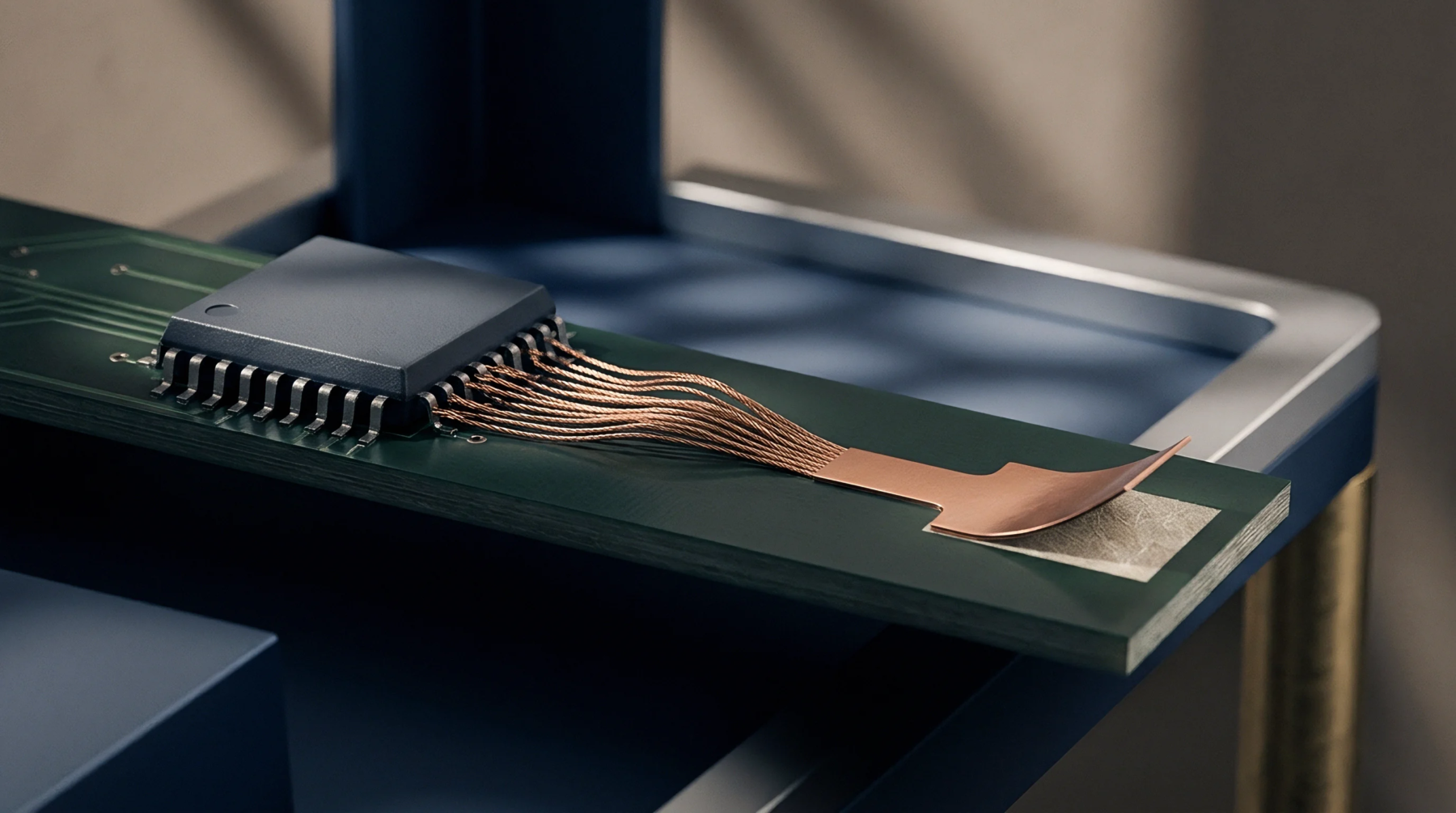
High Shear Squeeze Flow Analysis in Microvia Substrate Lamination
High shear squeeze flow during substrate lamination forces shear thinning in prepreg resin, enabling complete microvia cavity fill before gelation locks the network.
High shear squeeze flow during substrate lamination forces shear thinning in prepreg resin, enabling complete microvia cavity fill before gelation locks the network.
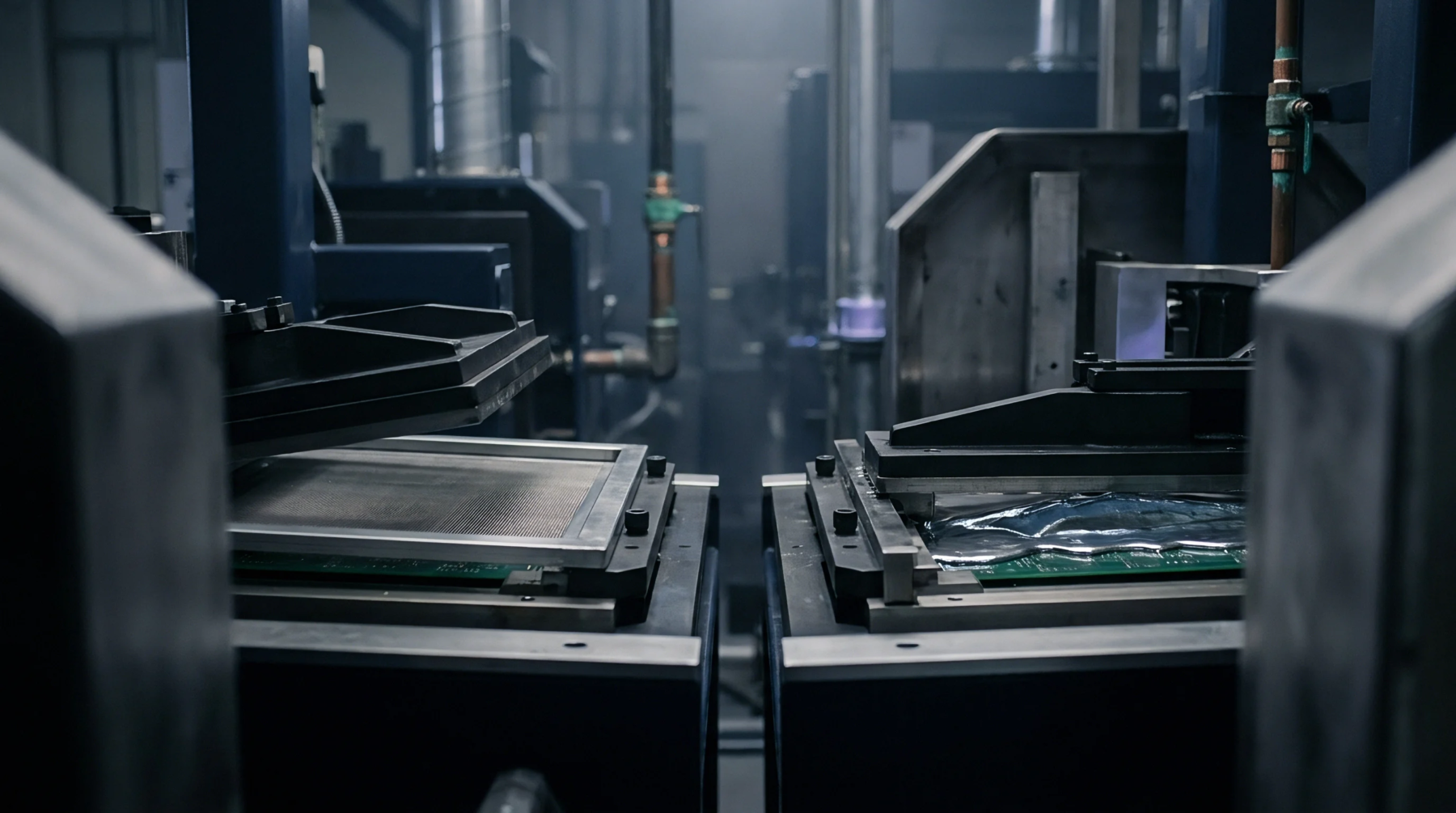
Standard IPC coupons placed along panel waste borders verify plating, registration, and impedance without consuming functional board surface area.
Anisotropic polynomial shrinkage modeling reclaims fifteen microns of microvia capture margin, preventing costly multi-pass HDI panel breakout scrap.
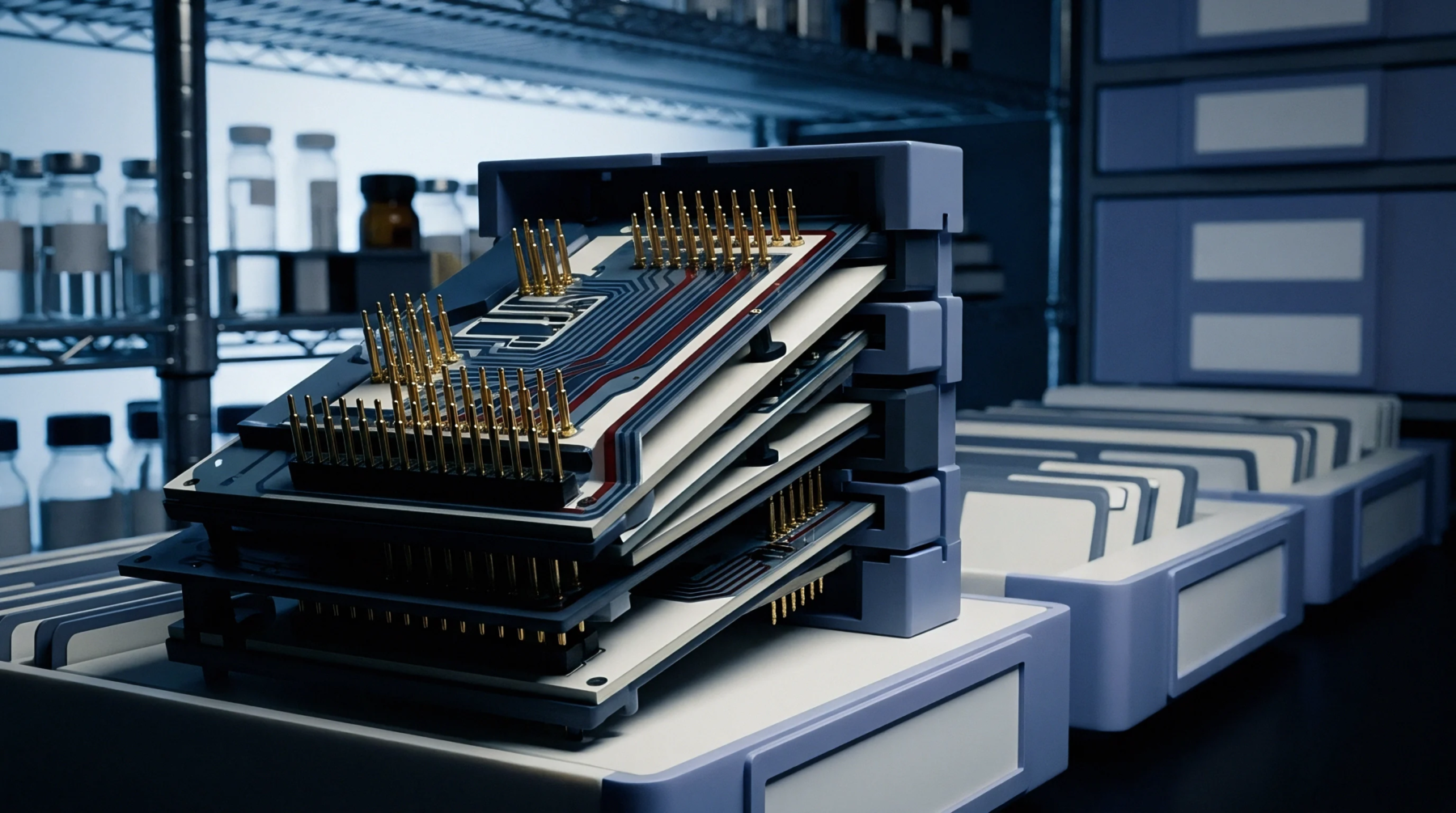
Thin dielectric power plane pairs suppress high frequency cavity modes and radiated emissions by lowering target impedance and shifting resonant frequencies.
Standard test coupon layouts place structural patterns in panel frame gutters to verify microsection plating and trace impedance without sacrificing yield.
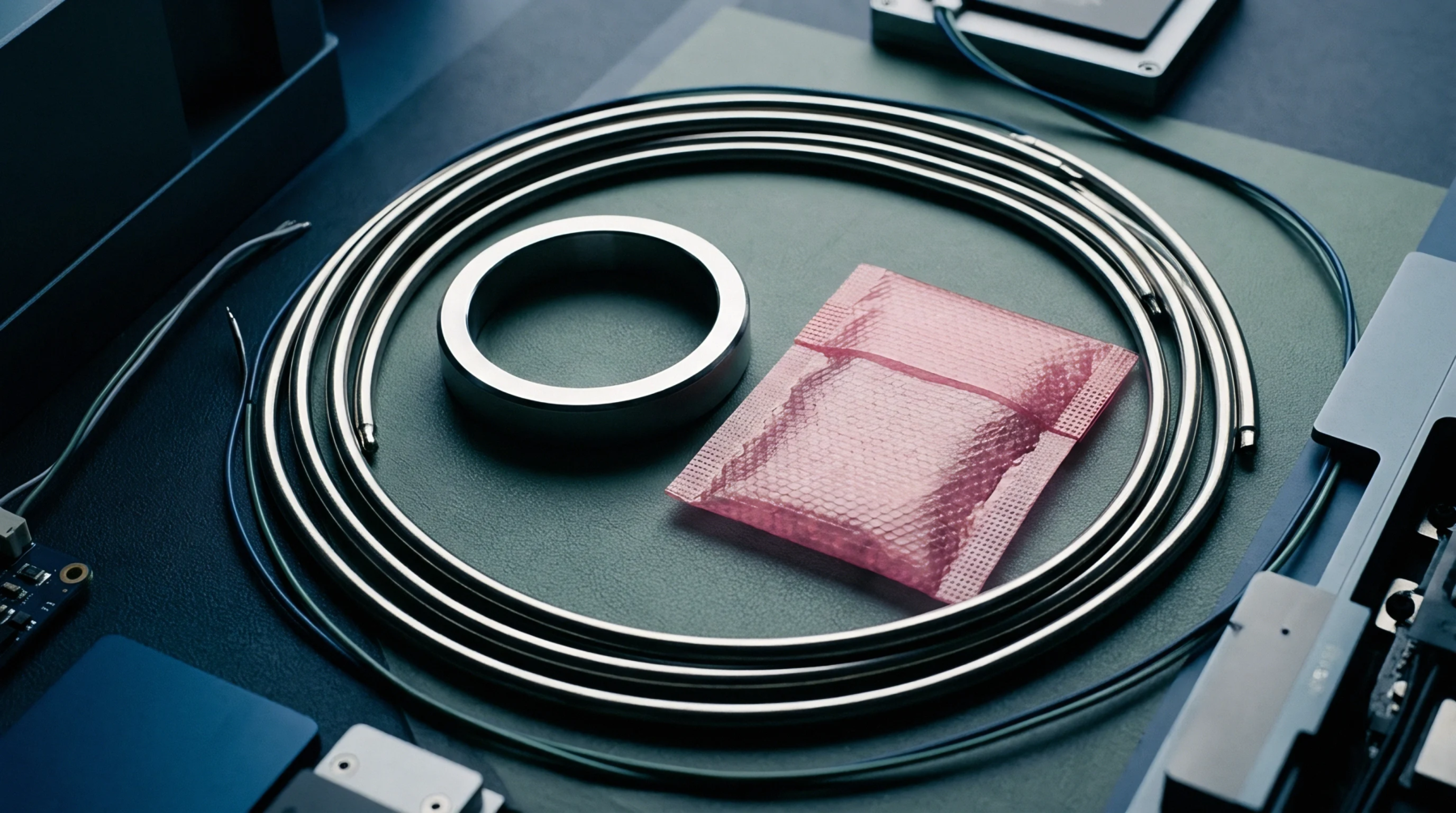
Optimizing inner layer registration requires balancing thermal expansion tolerances through four-slot pinning while managing prepreg viscosity windows under staged pressure.
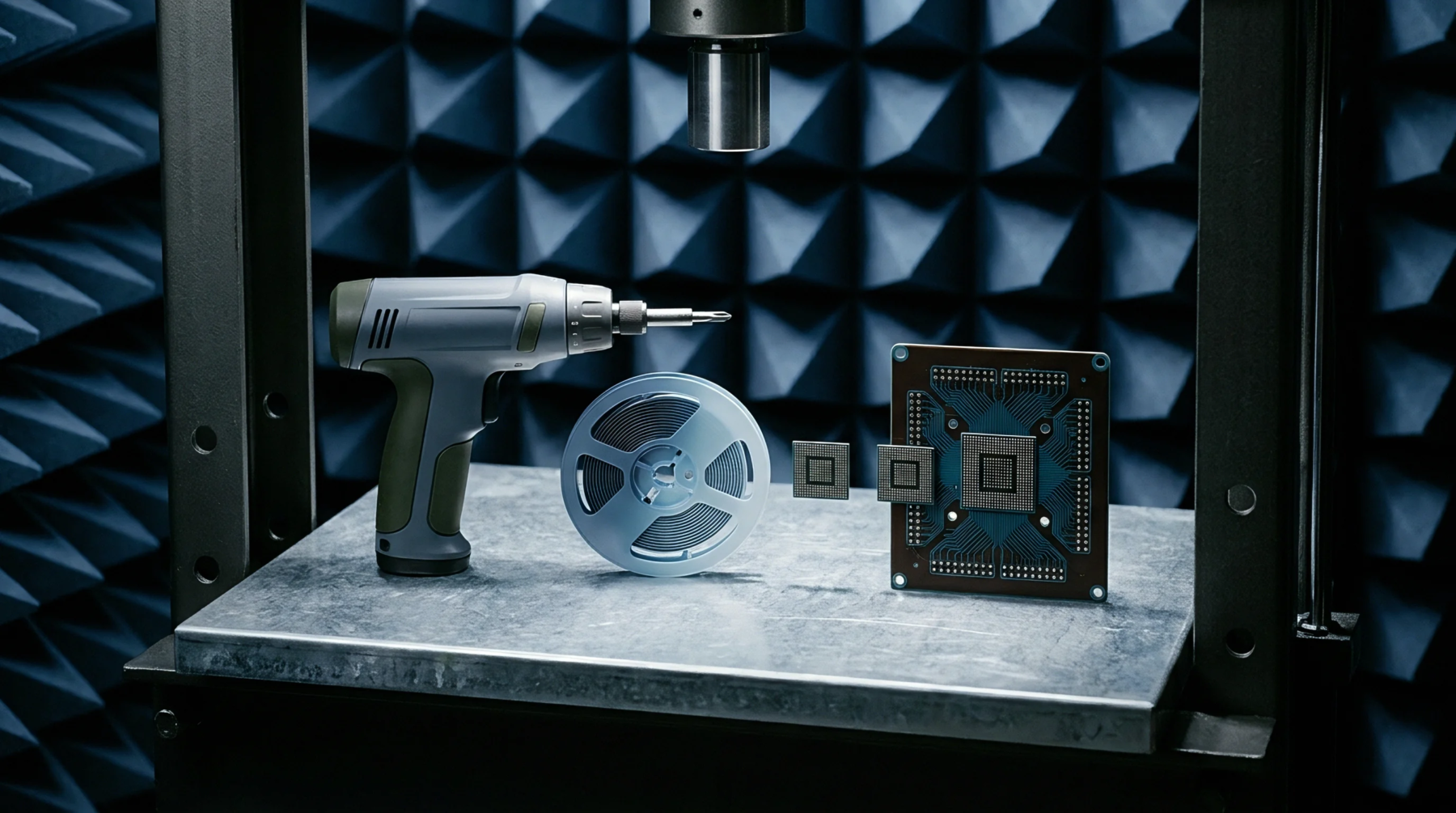
Precise thermal ramp and platen pressure sequencing optimize resin viscosity windows to eliminate voids, core wash, and dielectric drift in ultrathin multilayers.
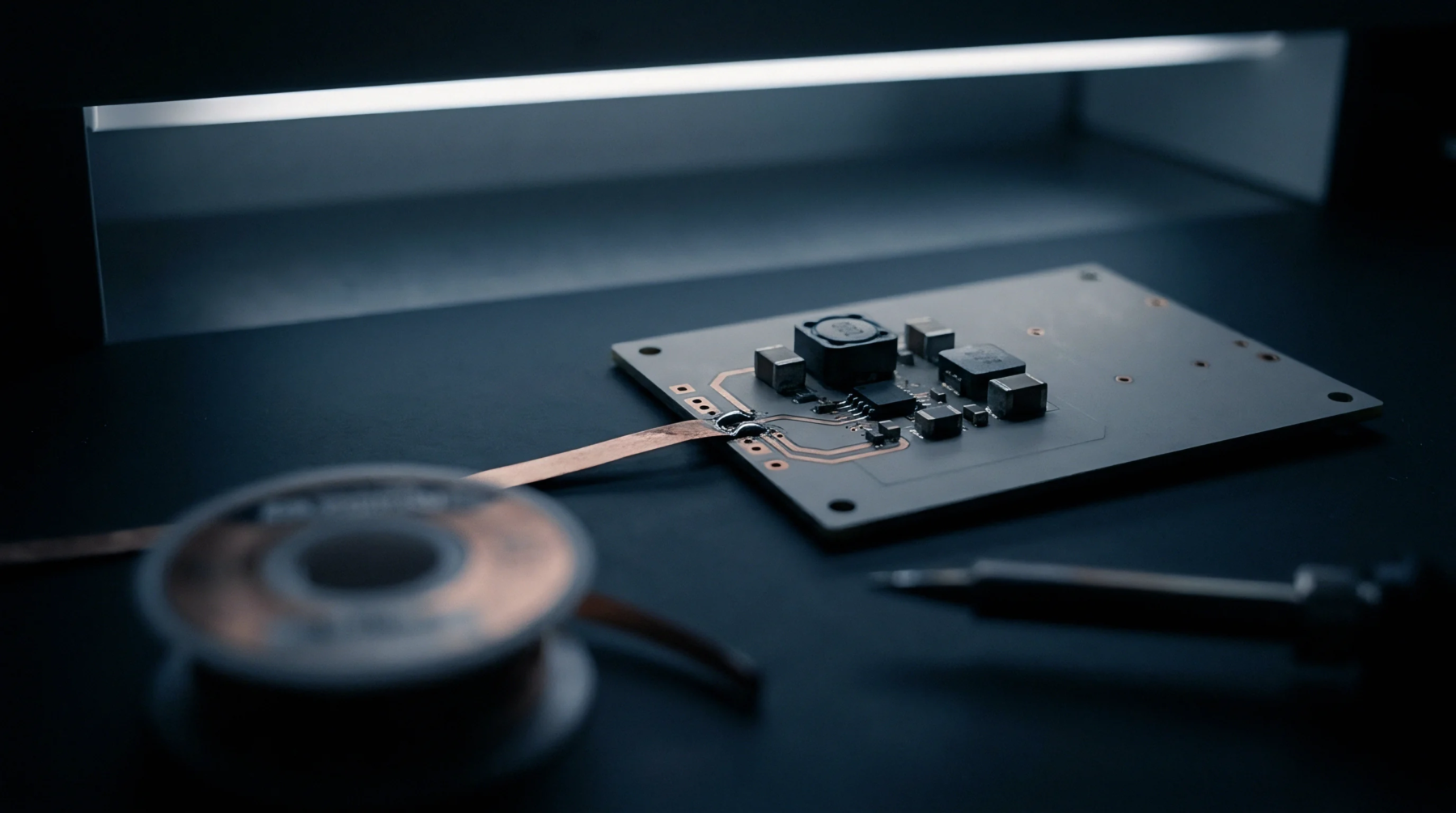
Microvia aspect ratios capped at 0.75:1 with optimized acid copper throwing power deliver maximum plating yield and thermomechanical reliability in HDI stackups.

High-frequency laminate rheology dictates prepreg flow kinetics, fixing pressed dielectric thickness, local impedance stability, and panel registration yield.
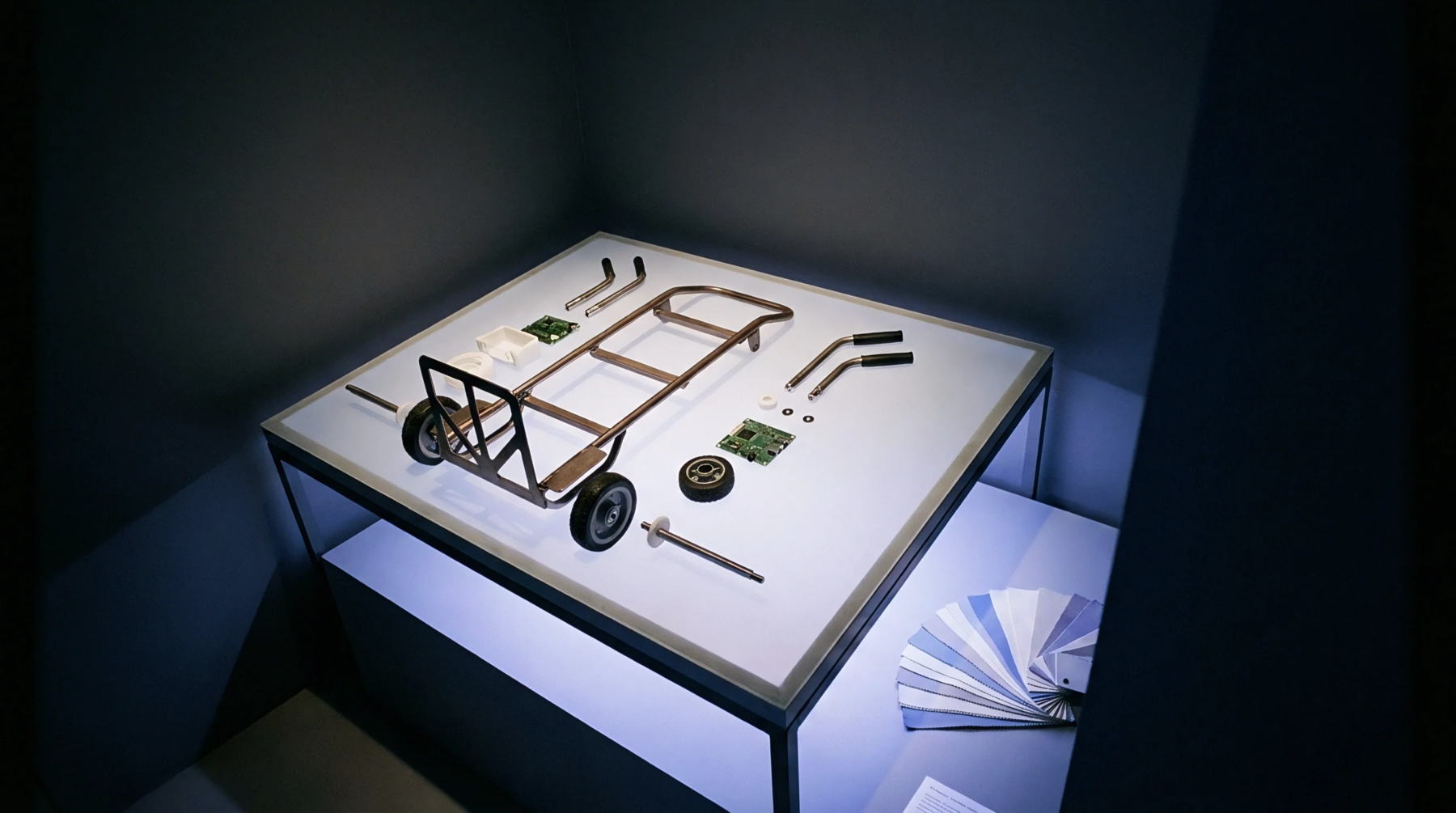
Continuous power planes suppress sub-gigahertz magnetic fields via eddy currents, requiring thin dielectrics and dense stitching vias to prevent costly EMC escapes.
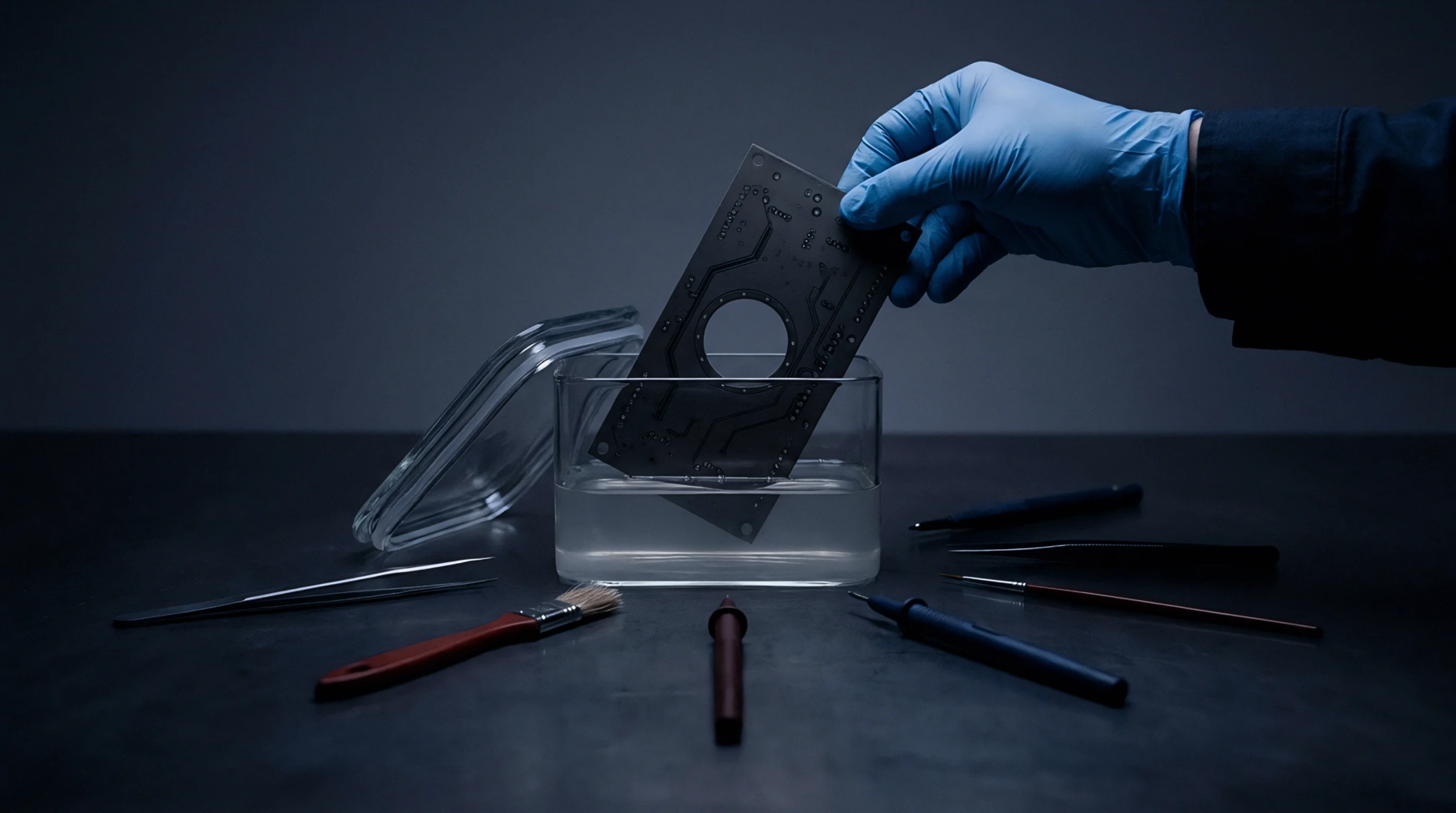
Viscoelastic boundary slip and capillary pressure dictate microvia filling and trace stability during high-density circuit board lamination.
Non-Newtonian resin flow inside thin prepreg micro-channels governs void formation, trace displacement, and dielectric thickness stability during high-pressure lamination.
Expertise is a utility, not a secret. sentiention™ publishes its working knowledge as open reference: intelligence layer covering the materials it sources, the markets it enters, and the reference that serves both.