Resin Matrix
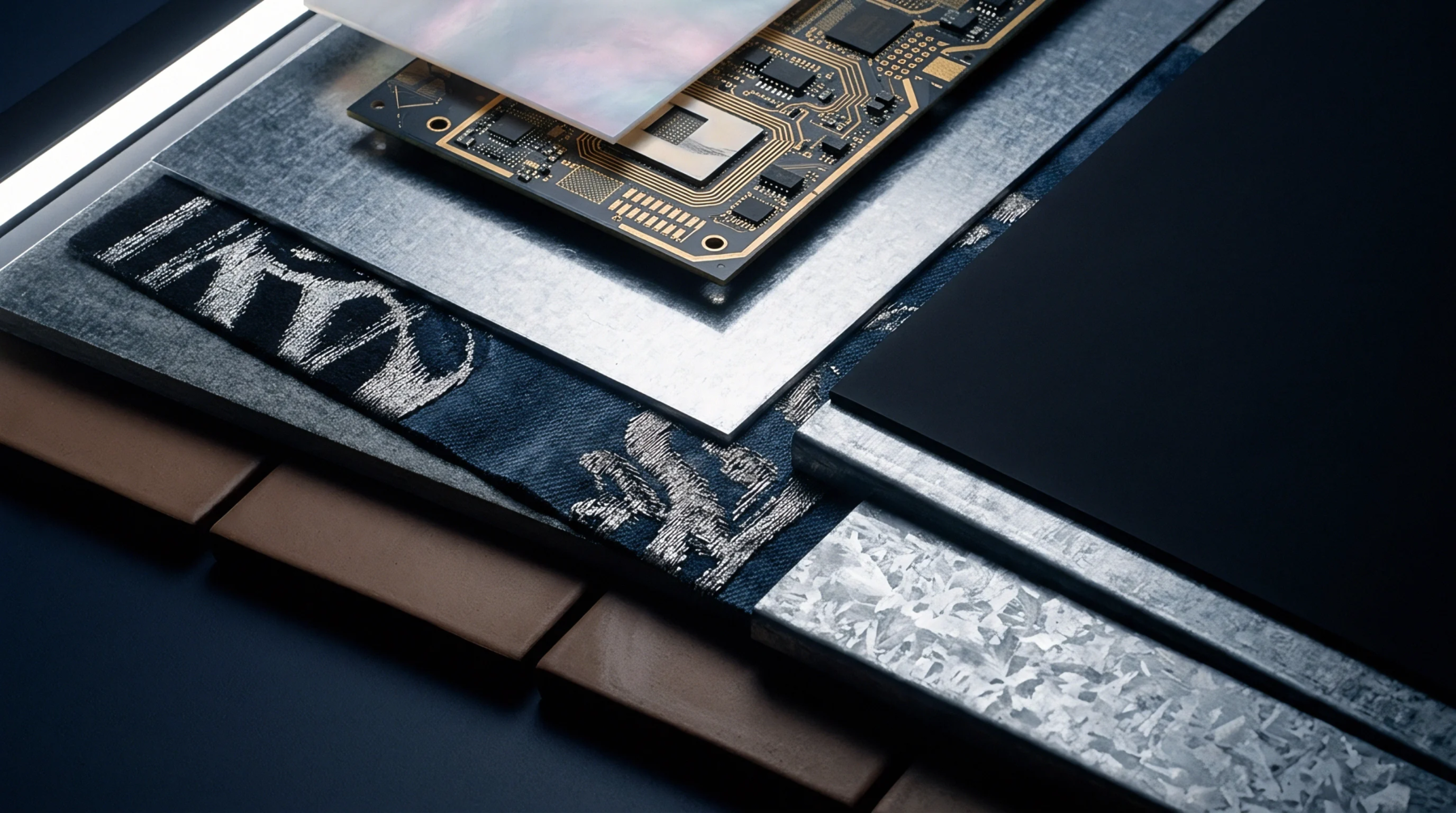
B-stage reinforcement material provides the structural foundation for multilayer circuit boards by controlling dielectric thickness and resin volume during hydraulic press consolidation. Prepreg glass weave requires precise handling inside cleanrooms because moisture absorption degrades subsequent copper adhesion during thermal bonding. Hydraulic presses apply heat and pressure to liquefy the partially cured epoxy and force excess resin out of the margins while individual plies consolidate into a rigid dielectric core.
Operators measure resin flow percentages and volatile content during incoming receiving inspection to prevent voids and delamination during subsequent drilling and routing steps.
Dielectric Performance
High frequency signal integrity depends on the uniform distribution of glass bundles and resin pockets throughout the pressed laminate. Dielectric constants fluctuate when yarn counts vary within the fabric architecture, altering impedance values across high speed transmission lines. Automatic optical inspection systems scan incoming material rolls for broken filaments and foreign debris embedded between warp and fill strands before lamination begins.
Structural Compliance
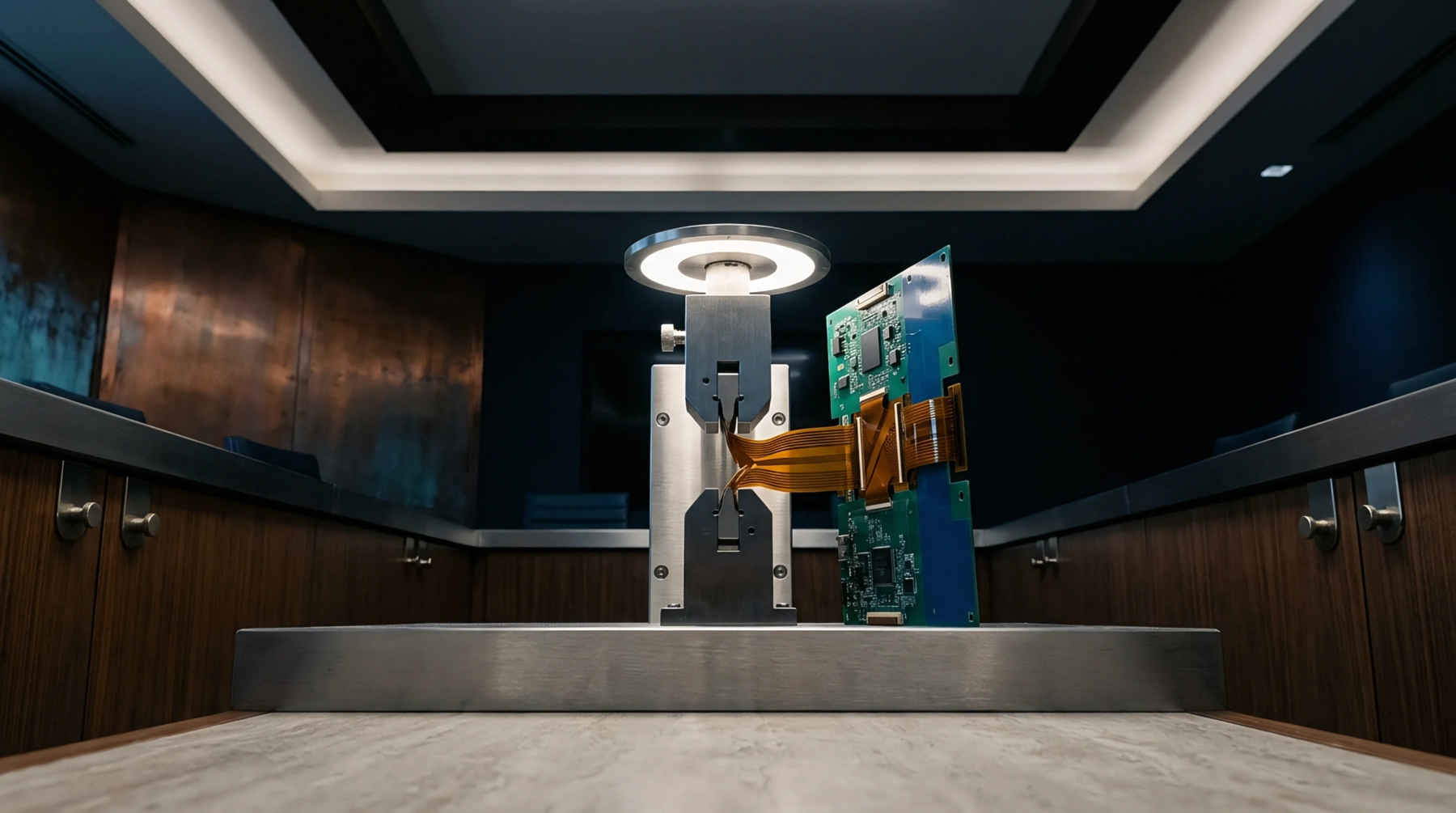
Mechanical stability during thermal assembly relies on matching the thermal expansion rates of the glass reinforcement with surrounding copper layers. Prepreg glass weave restricts dimensional movement in the X and Y axes during surface mount reflow soldering, protecting internal circuits from shear stress. Automated X-ray inspection detects resin starvation zones and internal layer misregistration after pressing, verifying that finished boards meet mechanical and electrical acceptance criteria.