Glass Weave Skew Mitigation Techniques in Differential Stripline Channels
Mitigate differential stripline glass weave skew by combining low-Dk spread glass, multi-ply prepregs, and minimum two-degree routing offsets on drawings.
Mitigate differential stripline glass weave skew by combining low-Dk spread glass, multi-ply prepregs, and minimum two-degree routing offsets on drawings.
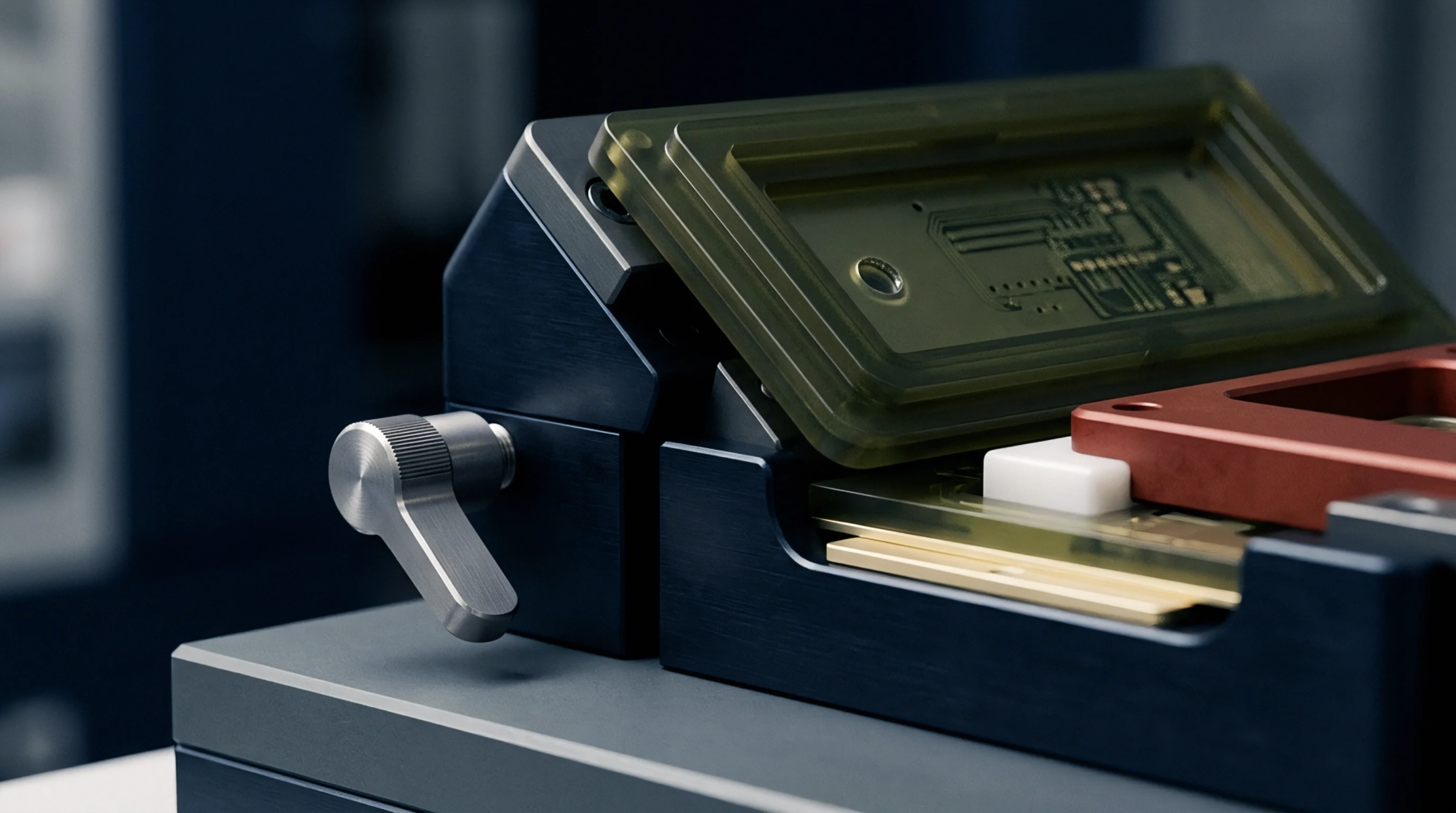
Clamped stripline resonators extract out-of-plane permittivity and loss tangent up to 10 GHz by measuring resonant modes of unclad dielectric sheets under pressure.
Glass reinforcement drives in-plane permittivity up to fifteen percent above out-of-plane values, demanding dual-axis coupon extraction for RF designs.
Quantify anisotropic permittivity drift by extracting tensor components across environmental chambers to preserve differential impedance and phase margins.
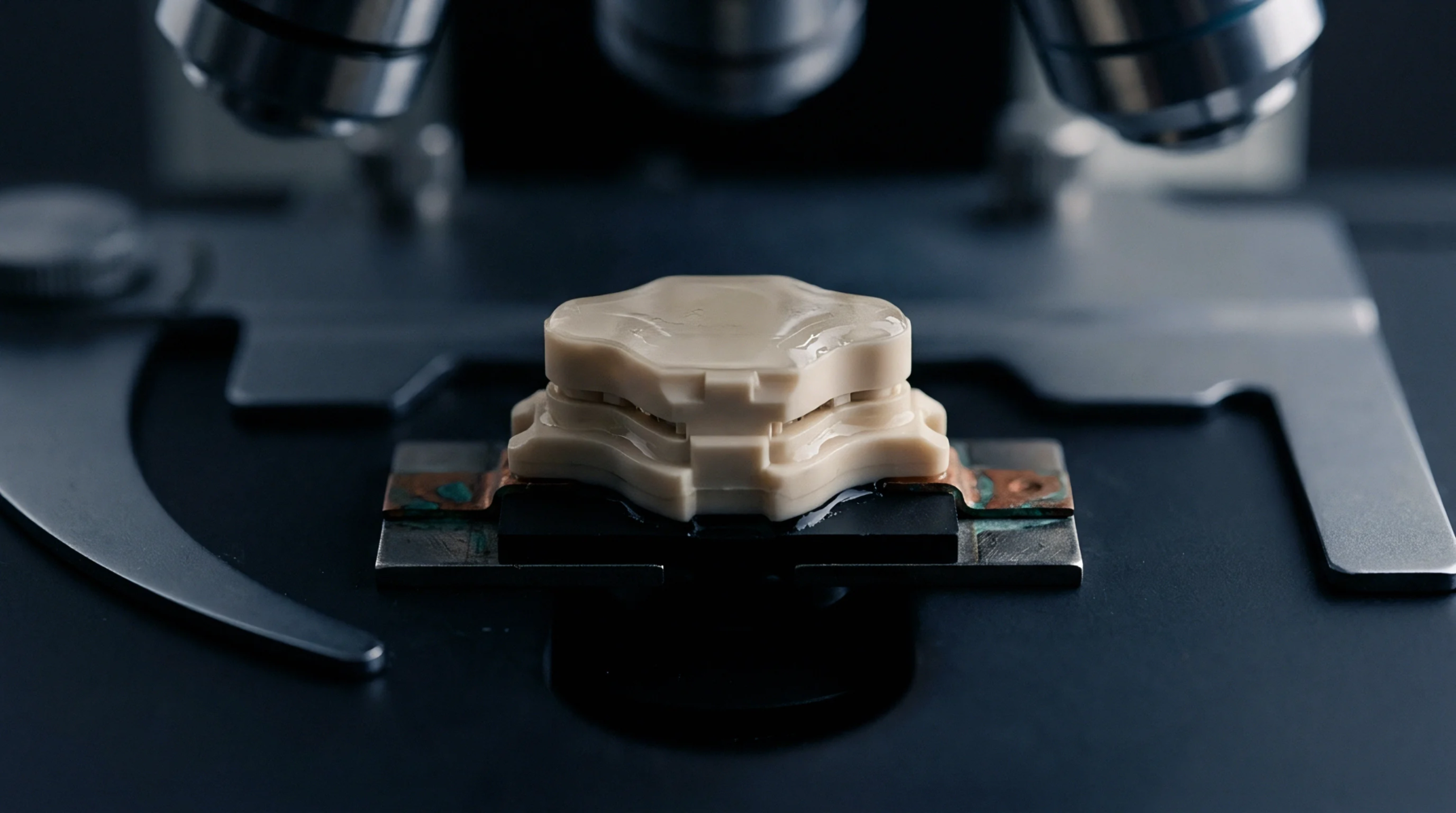
Spatial dielectric variation across organic package cores causes differential phase skew and impedance ripple, requiring spread glass and strict panel-level metrology.
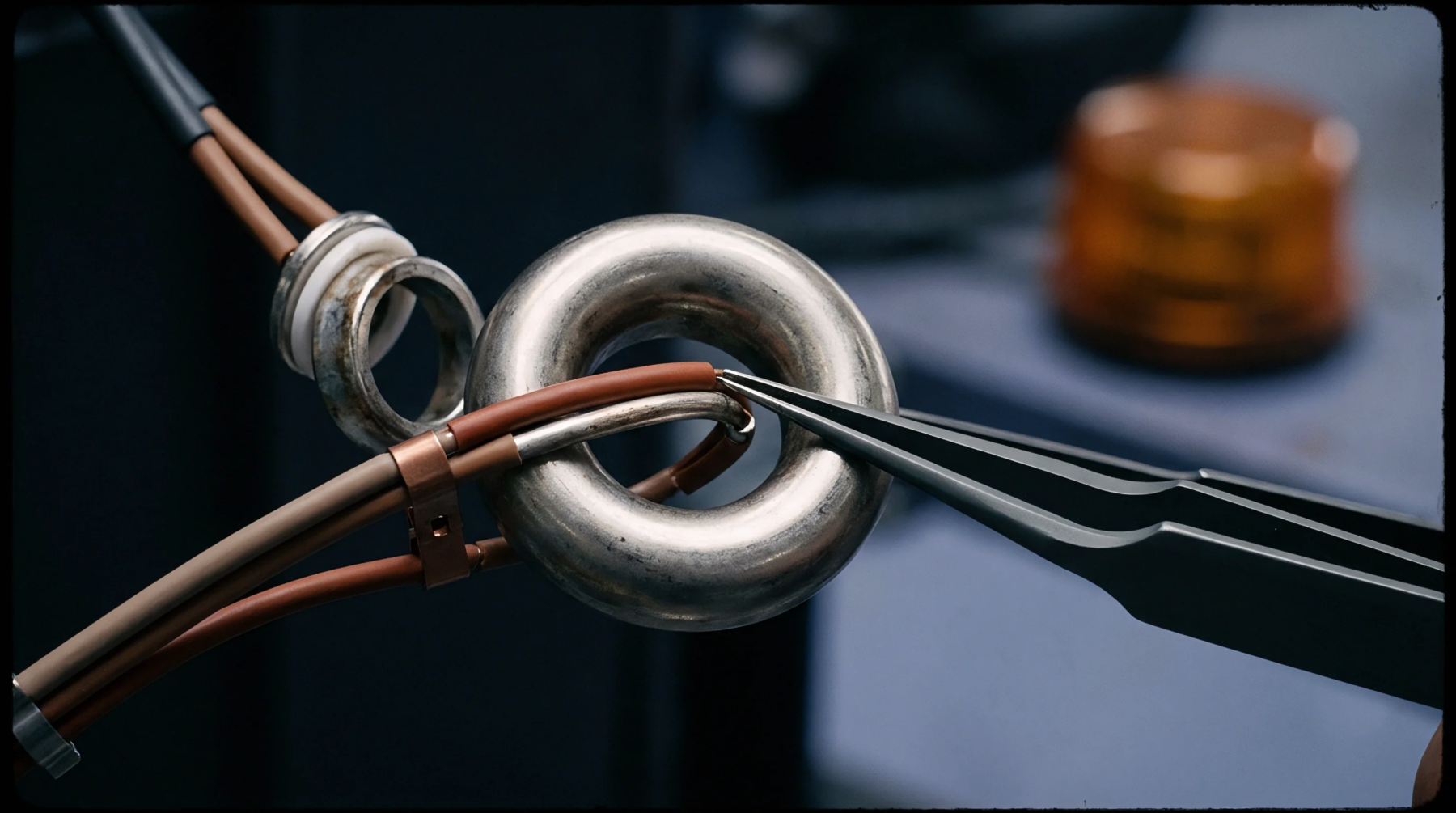
Evaluating in-plane permittivity accounts for horizontal field concentration in edge-coupled pairs, preventing 2 to 5 ohm impedance drops in high-density boards.
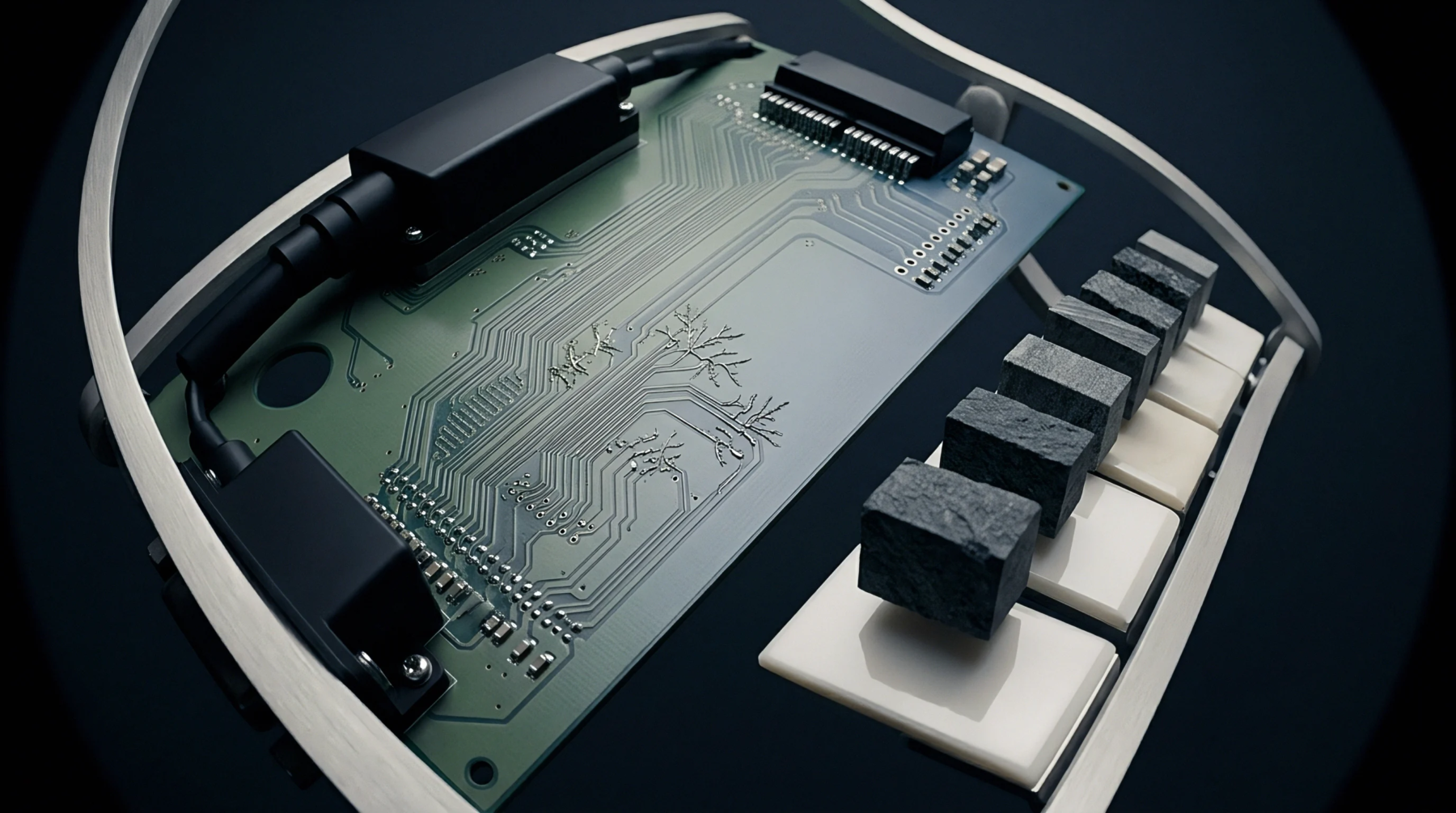
Dynamic phase calibration models calculate coupled thermal permittivity and physical expansion shifts to eliminate skew across heterogeneous interconnect stackups.

Reinforcement fiber bundle periodicity causes localized dielectric constant variation, driving phase skew that requires spread glass or rotated routing to control.
Quasi-optical extraction isolates intrinsic substrate loss from copper roughness, requiring explicit z-axis anisotropy conversion for accurate mmWave stackup design.
Selecting mechanically flattened spread glass styles like 1067 or 1078 eliminates dielectric pitch gaps and keeps high-speed differential skew below 2 ps/inch.
Glass weave skew causes intra-pair phase delay in high-speed differential pairs, requiring spread glass, dual-ply prepreg, or off-axis panel rotation.
Dielectric characterization methods determine in-circuit signal velocity by accounting for test fixture field structure, glass anisotropy, and copper surface roughness.
Anisotropic dielectric tensor modeling eliminates up to 8 ohm trace impedance errors and timing skew in high speed package substrates compared to isotropic models.
Lead-free reflow shifts substrate permittivity by altering free volume and desorbing moisture, changing line impedance by up to 2.5 ohms on high-speed traces.
IPC-4101 slash sheets establish mandatory baseline physical, thermal, and electrical limits that override generic trade names to enforce material reliability.
Thermal expansion alters resin density, driving dynamic anisotropy shifts that detune millimeter-wave phase stability and coupling tolerances across temperature.
Air gap corrections eliminate systematic two to six percent dielectric underestimation in clamped stripline tests, preventing finished board impedance failures.
Controlling master panel resin flow gradients stabilizes dielectric tensor anisotropy and prevents high-frequency parametric yield collapse.
Mid-loss laminates optimize high-speed signal reach between 5 and 28 Gbps by controlling dielectric loss without imposing low-loss fluoropolymer costs.
Expertise is a utility, not a secret. sentiention™ publishes its working knowledge as open reference: intelligence layer covering the materials it sources, the markets it enters, and the reference that serves both.