
Registration Vector Analysis in Sequential High Density Core Lamination
Sequential core lamination registration requires X-ray target vector mapping and dynamic affine drill scaling to maintain zero breakout microvia alignment.
Sequential core lamination registration requires X-ray target vector mapping and dynamic affine drill scaling to maintain zero breakout microvia alignment.

Copper density gradients across sequential lamination stackups drive severe shear stress during reflow, requiring thieving and balance rules to protect yield.

Dynamic prepreg viscosity and cure kinetics dictate resin flow windows, microvia filling completeness, and layer encapsulation during HDI board lamination.
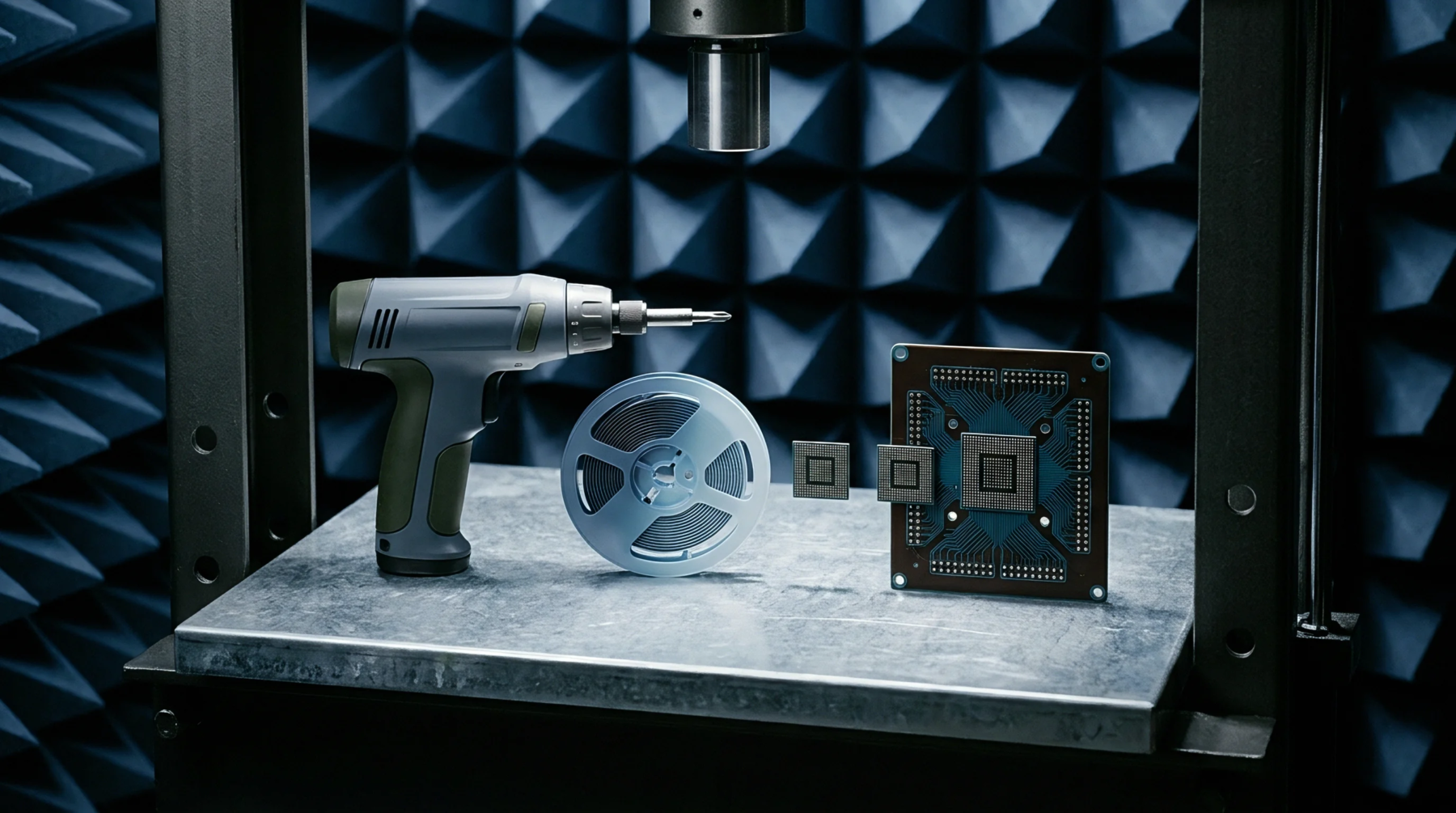
Precise thermal ramp and platen pressure sequencing optimize resin viscosity windows to eliminate voids, core wash, and dielectric drift in ultrathin multilayers.
Stackup thickness control requires calculating pressed prepreg heights over local copper patterns to hold impedance and microvia drilling tolerances.
Expertise is a utility, not a secret. sentiention™ publishes its working knowledge as open reference: intelligence layer covering the materials it sources, the markets it enters, and the reference that serves both.