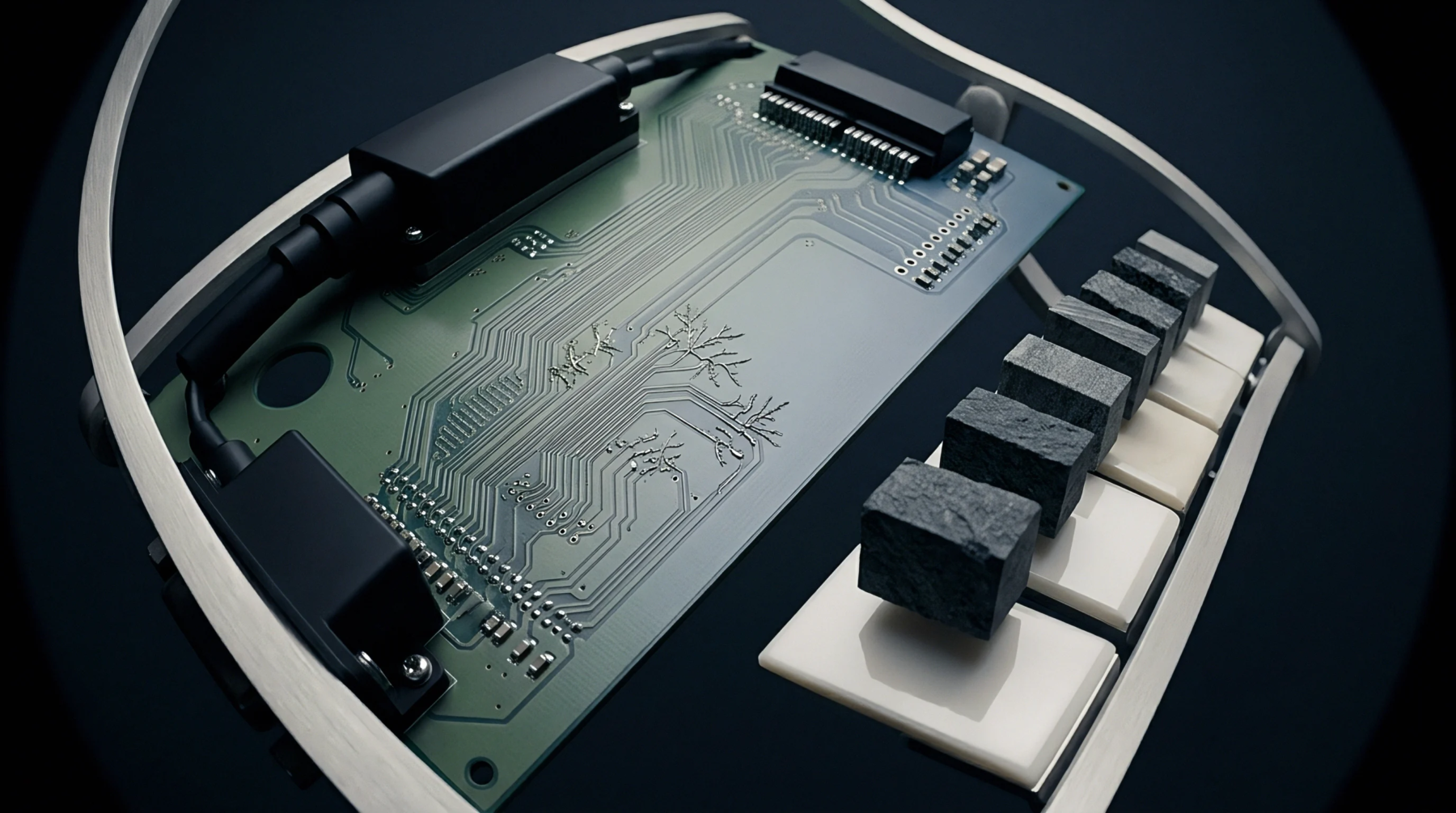
Managing Inner Layer Dimensional Movement in Multilayer Circuit Boards
Managing inner layer dimensional movement relies on compensating for anisotropic glass weave shrinkage, copper pattern stress relief, and lamination thermal expansion.
Managing inner layer dimensional movement relies on compensating for anisotropic glass weave shrinkage, copper pattern stress relief, and lamination thermal expansion.
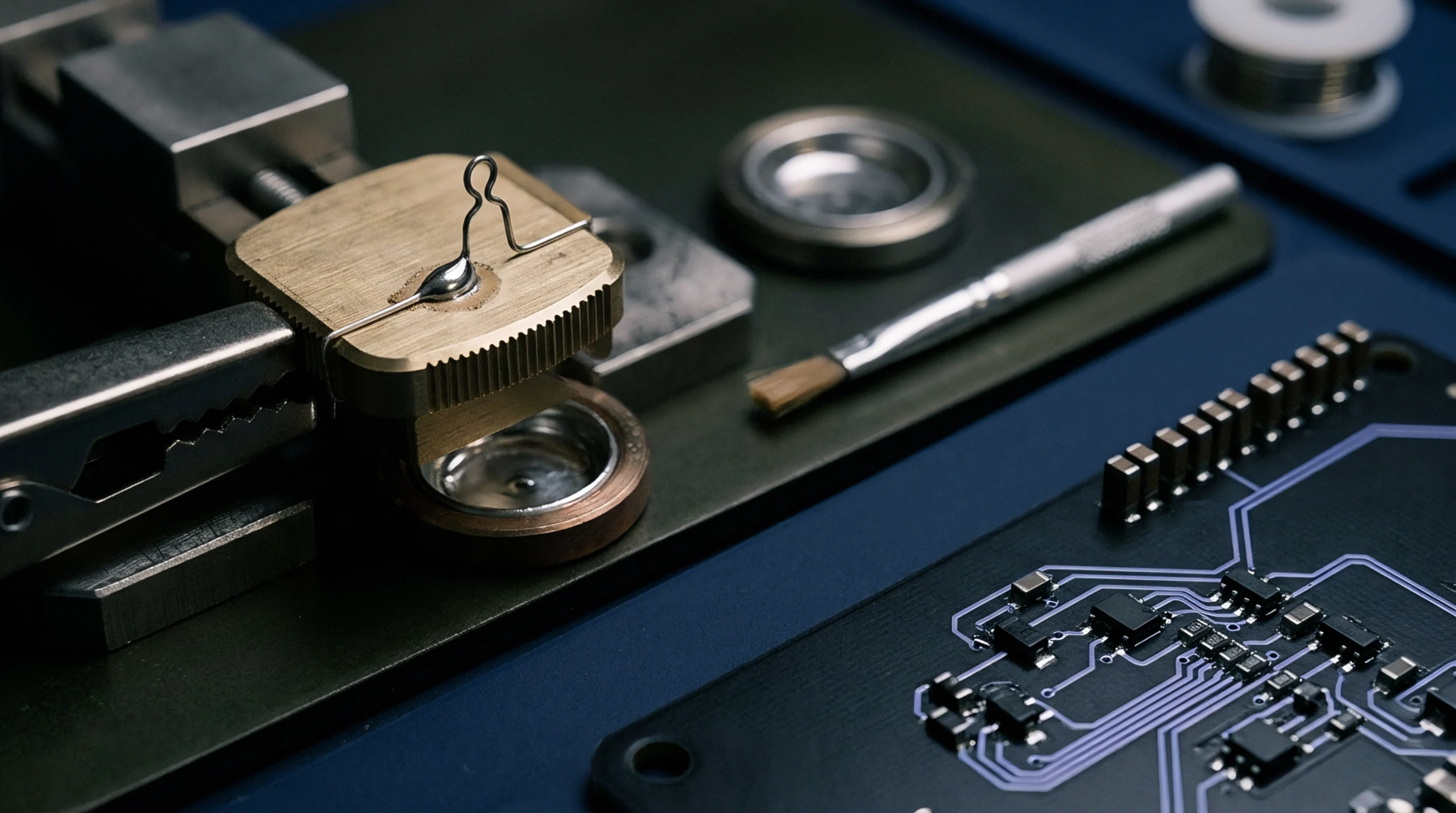
Secondary lamination dynamics dictate microvia fill, dielectric thinning, and registration shift, where multi-pass yield decay drives final panel cost.

Sequential core lamination registration requires X-ray target vector mapping and dynamic affine drill scaling to maintain zero breakout microvia alignment.
Dynamic inner layer scaling in heterogeneous stackups requires empirical strain modeling per material axis to maintain registration.
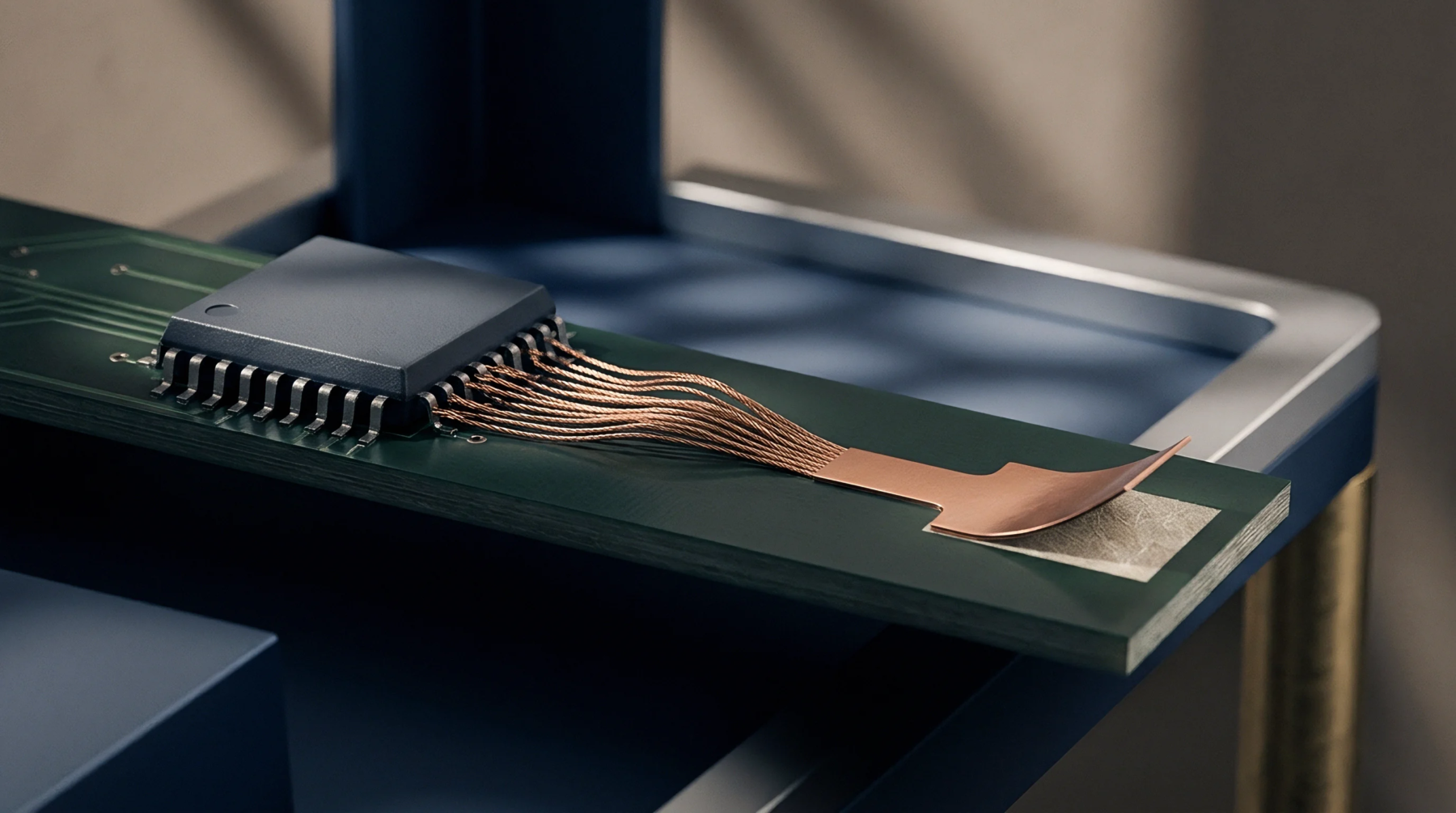
Balanced inner layer copper thieving mitigates thermal lamination shift by equalizing dynamic resin flow pressures and mechanical strains during press cycles.
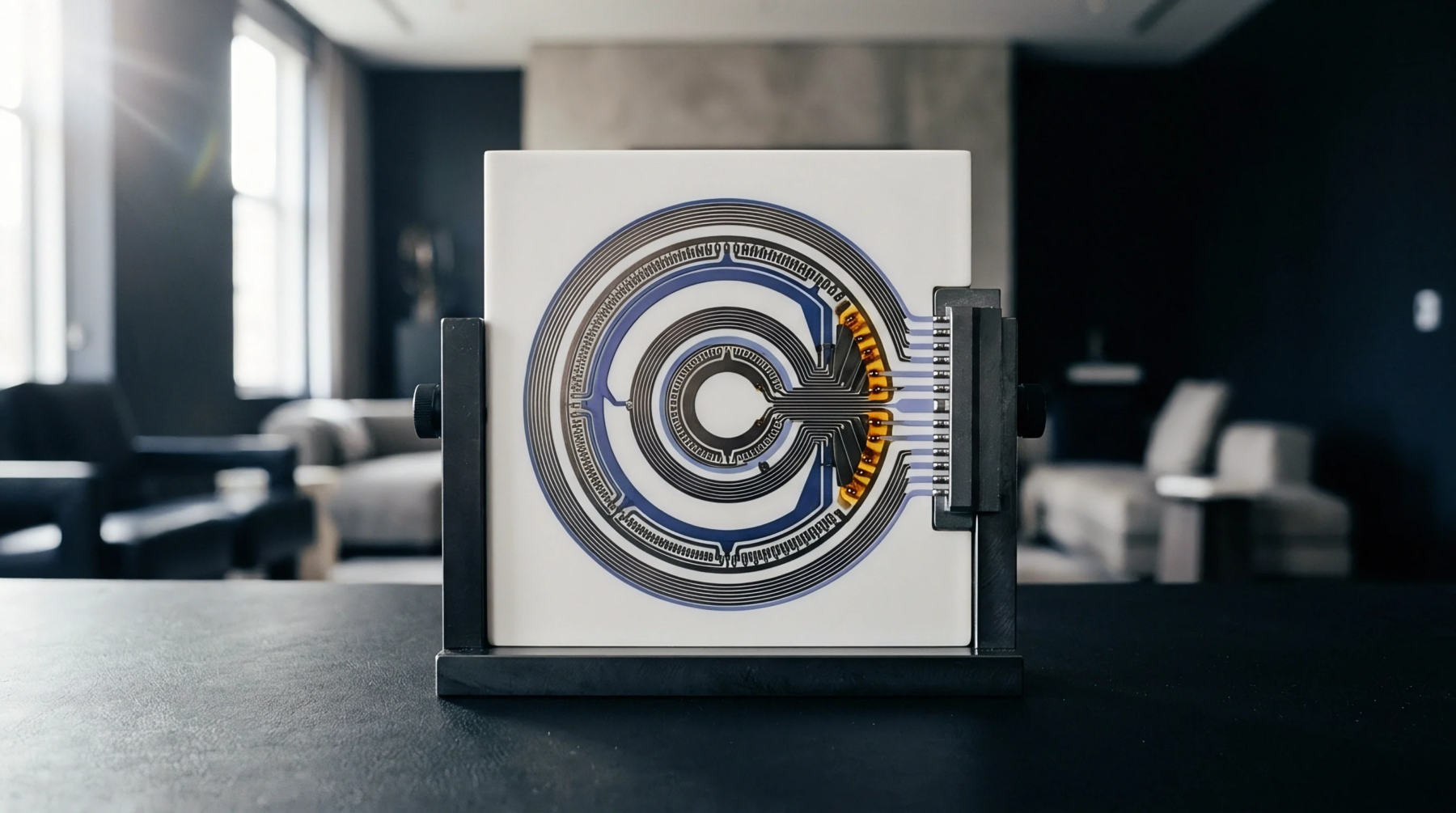
Optimizing hybrid board fabrication requires balancing thermal ramp rates, dual-gas plasma desmear, and pinless registration to eliminate delamination.
Expertise is a utility, not a secret. sentiention™ publishes its working knowledge as open reference: intelligence layer covering the materials it sources, the markets it enters, and the reference that serves both.