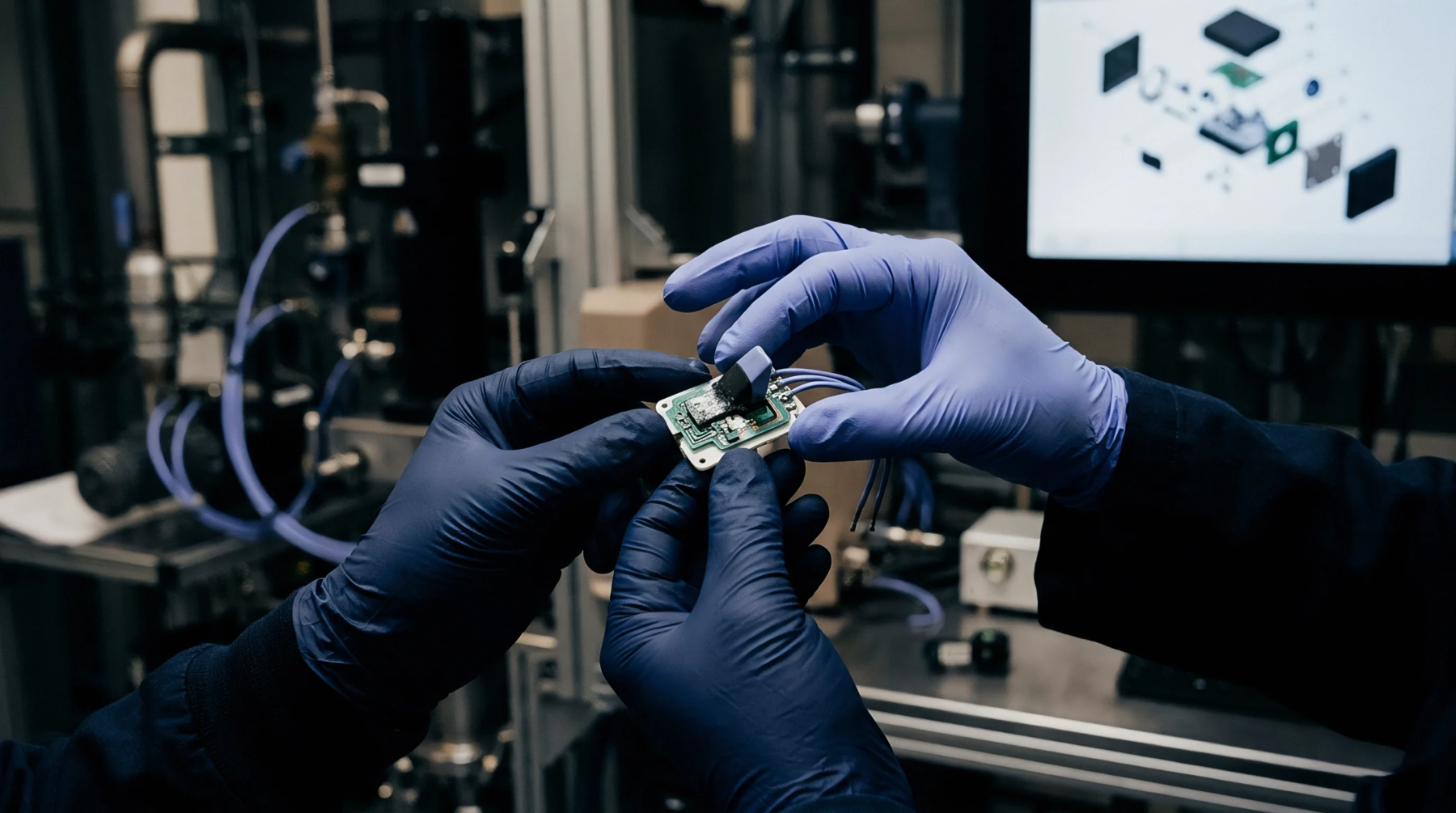
Glass Weave Skew Mitigation Techniques in Differential Stripline Channels
Mitigate differential stripline glass weave skew by combining low-Dk spread glass, multi-ply prepregs, and minimum two-degree routing offsets on drawings.
Mitigate differential stripline glass weave skew by combining low-Dk spread glass, multi-ply prepregs, and minimum two-degree routing offsets on drawings.
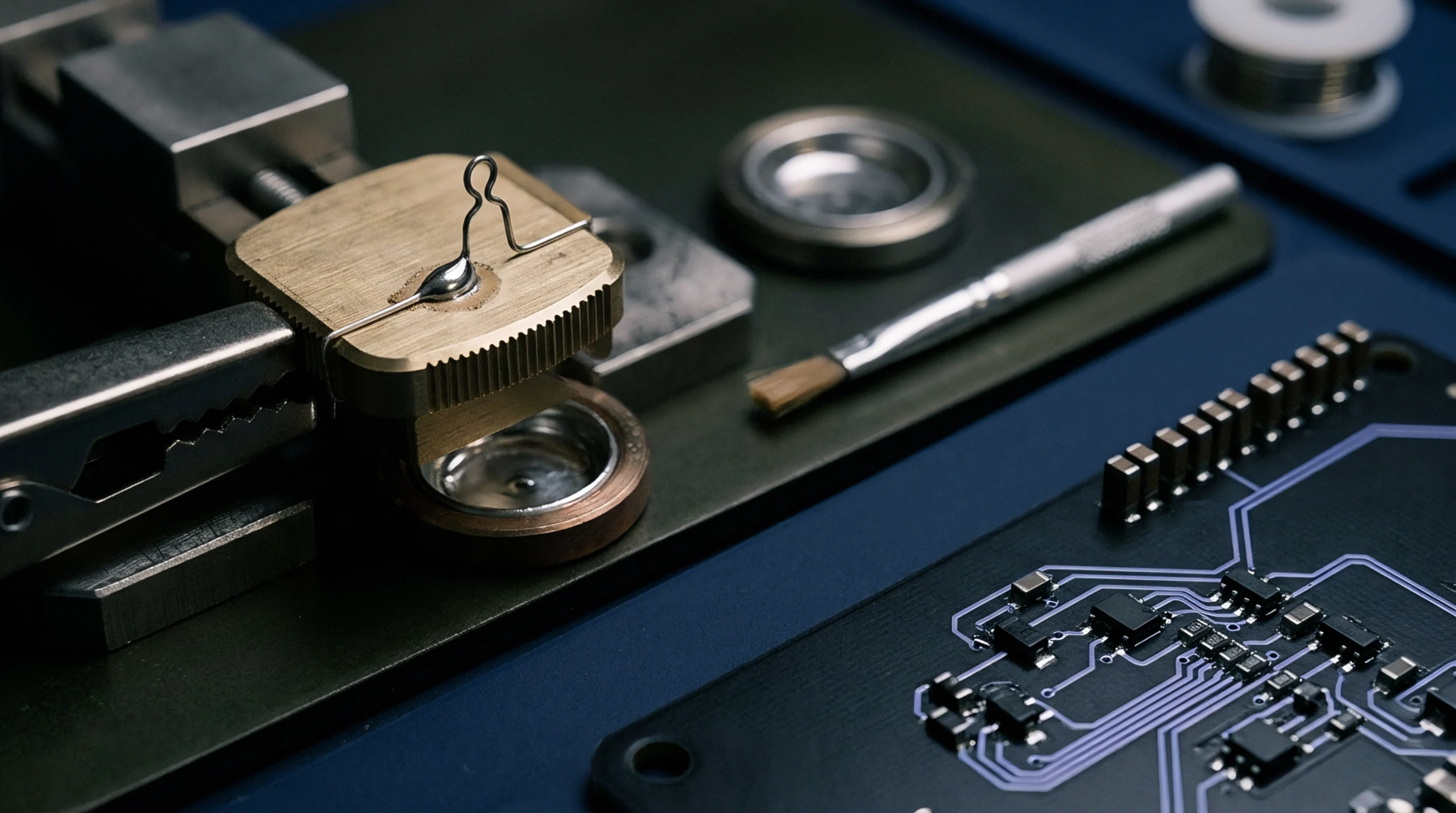
Integrating z-axis dielectric dispersion with resin distribution data prevents impedance mismatches and vertical eye closure in 112G PAM4 channels.
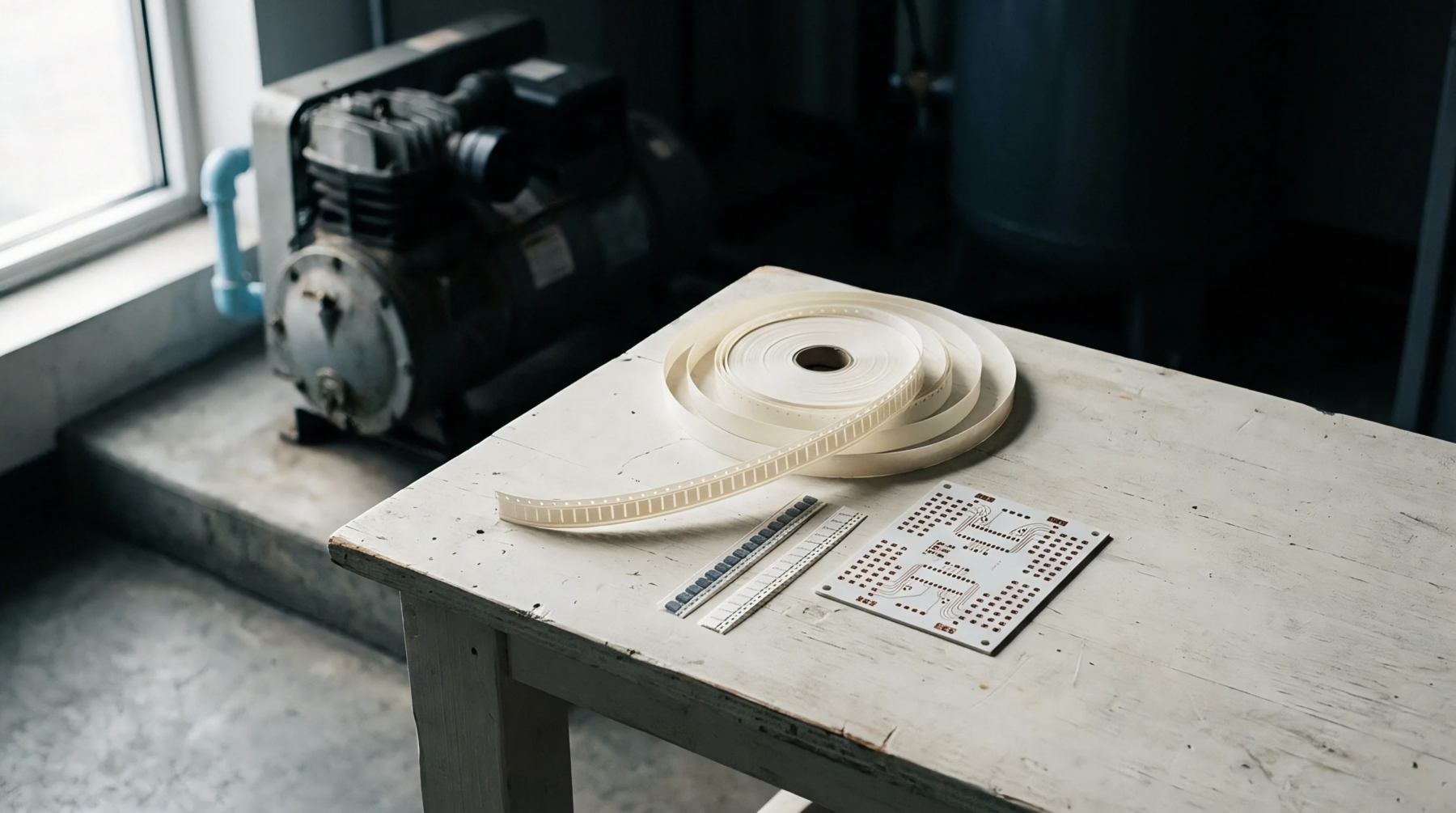
Calculate stripline impedance by applying the geometric mean of in-plane and z-axis permittivity to sidewall fringing fields to eliminate 2-ohm routing offsets.
Non-linear silane interphase hydrolysis inside substrate micro-cracks degrades high-frequency signal integrity by driving localized dielectric permittivity shifts.
Sequential lamination densifies HDI glass fabric, increasing out-of-plane dielectric constant and driving trace impedance below calculated line targets.
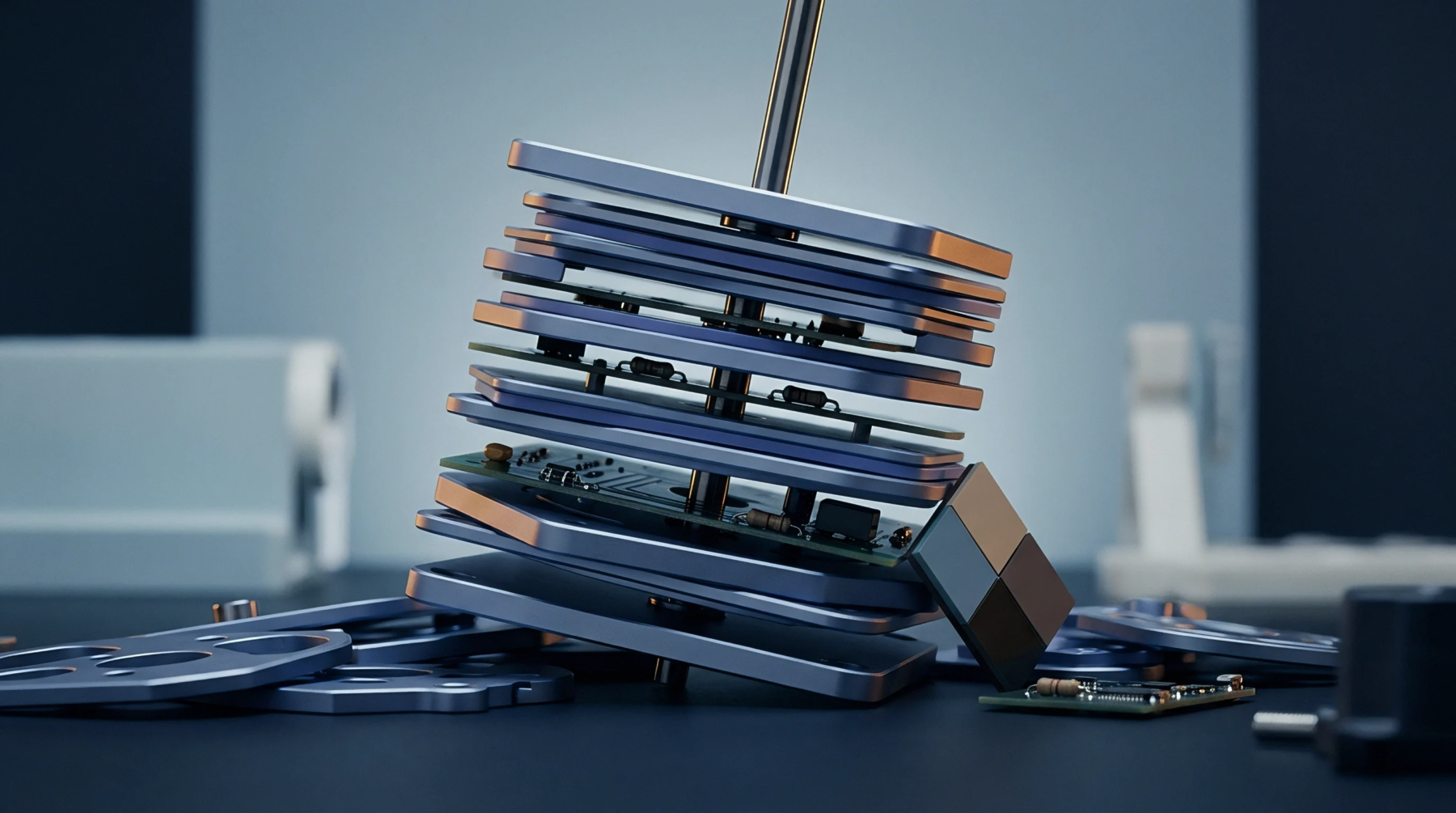
Predict anisotropic deformation in sequential lamination by coupling layer-specific thermal expansion tensors with non-linear viscoelastic resin cure shrinkage.
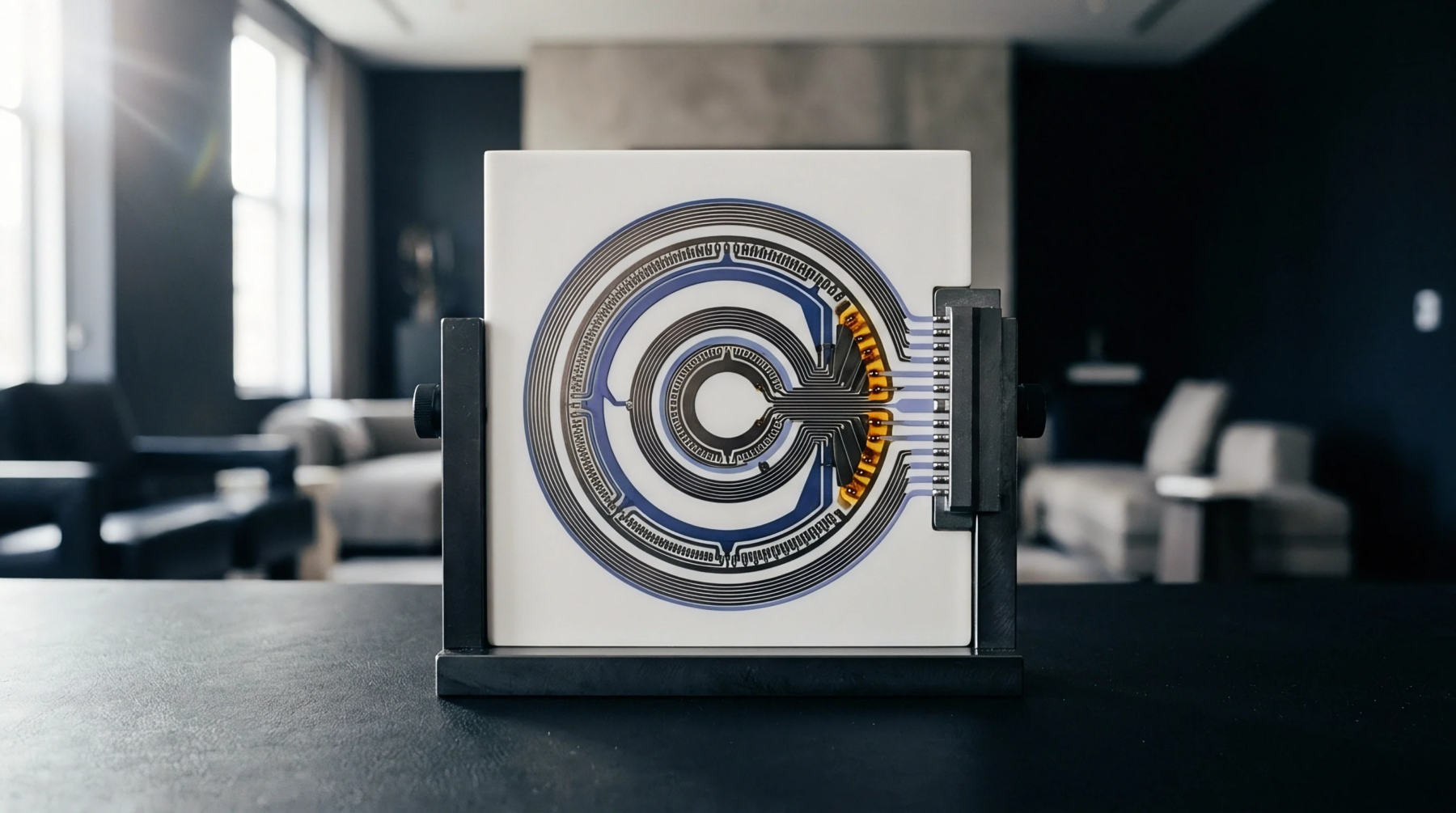
Optimizing hybrid board fabrication requires balancing thermal ramp rates, dual-gas plasma desmear, and pinless registration to eliminate delamination.
Resin squeeze-out shear distorts dielectric tensor components and drives microvia misregistration in multi-pass buildup substrates.
Expertise is a utility, not a secret. sentiention™ publishes its working knowledge as open reference: intelligence layer covering the materials it sources, the markets it enters, and the reference that serves both.