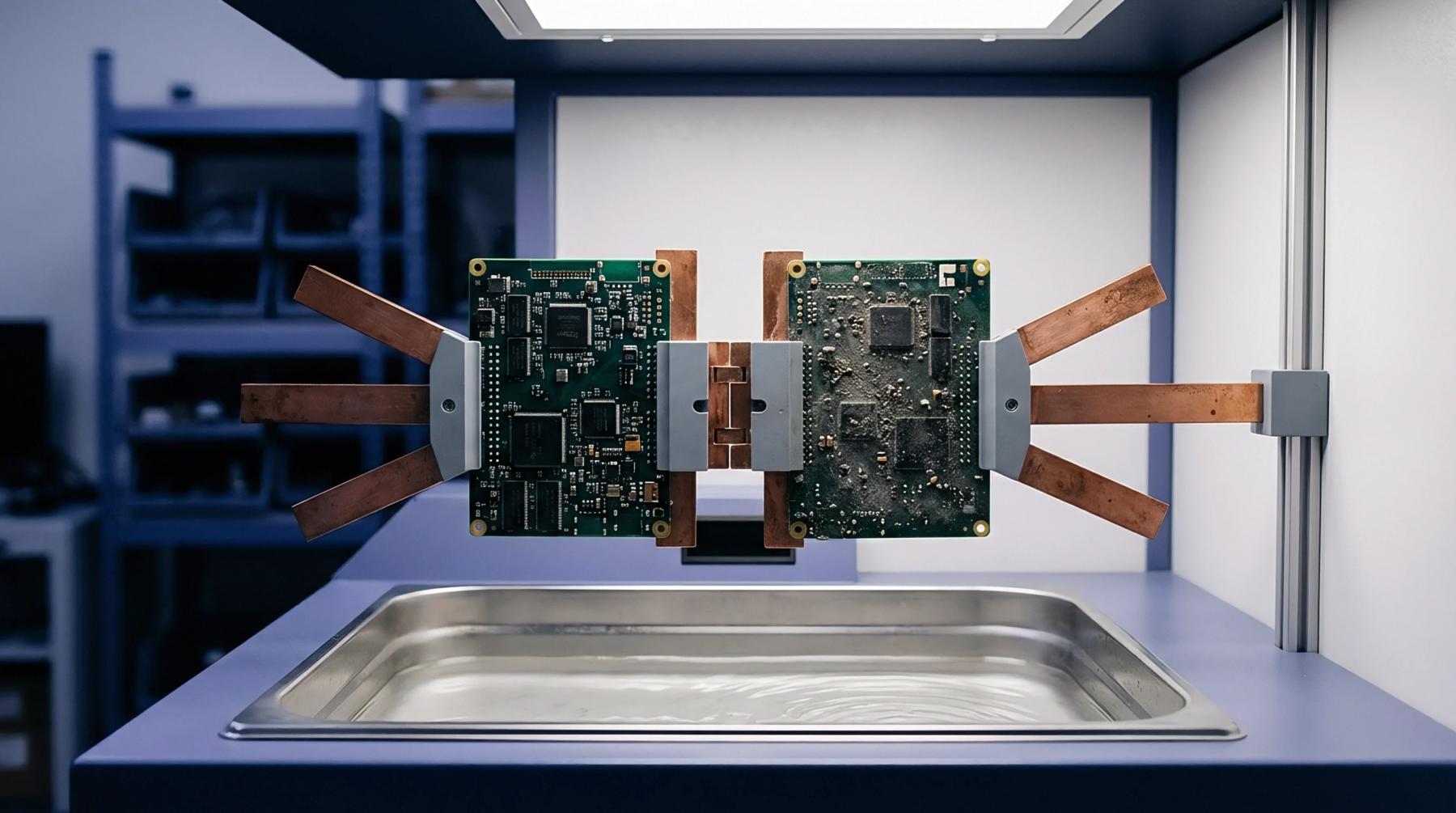
Standard Glass Fabric Style Selection for Controlled Differential Impedance Routing
Spread glass styles eliminate dielectric spatial variation, stabilizing differential impedance and phase skew across high-frequency printed circuit routing.
Spread glass styles eliminate dielectric spatial variation, stabilizing differential impedance and phase skew across high-frequency printed circuit routing.
Controlled impedance tolerance analysis maps resin content, foil roughness, and etch factors through RSS models to set yield-optimized fab drawing notes.
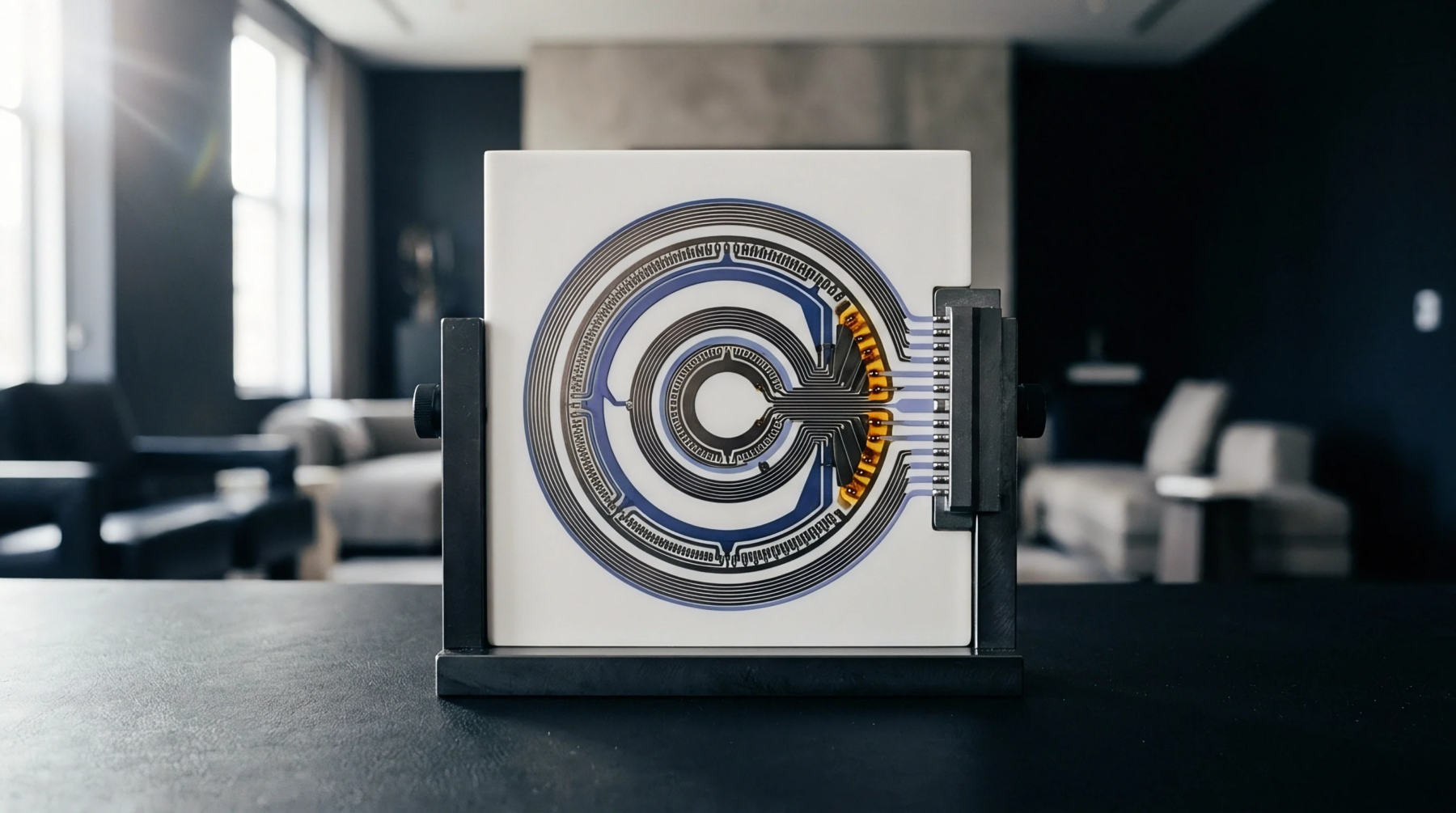
Standardizing low-Dk spread glass requires matching glass chemistry with mechanical yarn flattening to eliminate differential skew and fix impedance tolerances.
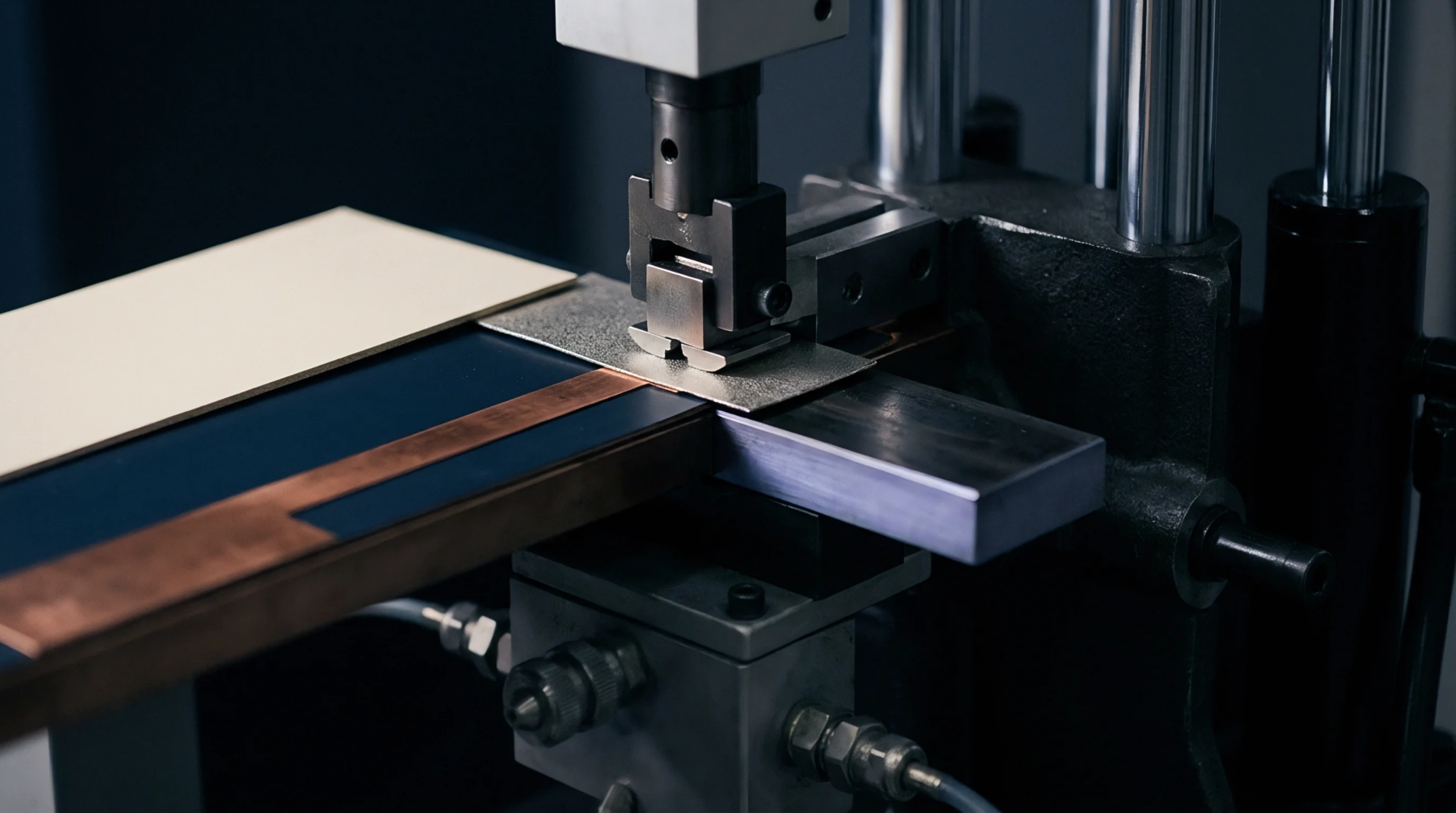
Standardizing spread Low-Dk glass fabrics eliminates phase skew and stabilizes trace impedance across high-speed printed circuit board panels.

Differential phase skew control requires spread-glass fabrics or off-axis routing to eliminate local micro-scale dielectric variations across high-speed traces.
Mid-loss laminates paired with low-roughness copper foil match high-cost ultra-low-loss performance at a fraction of the raw panel price.
Expertise is a utility, not a secret. sentiention™ publishes its working knowledge as open reference: intelligence layer covering the materials it sources, the markets it enters, and the reference that serves both.