High Shear Squeeze Flow Analysis in Microvia Substrate Lamination
High shear squeeze flow during substrate lamination forces shear thinning in prepreg resin, enabling complete microvia cavity fill before gelation locks the network.
High shear squeeze flow during substrate lamination forces shear thinning in prepreg resin, enabling complete microvia cavity fill before gelation locks the network.
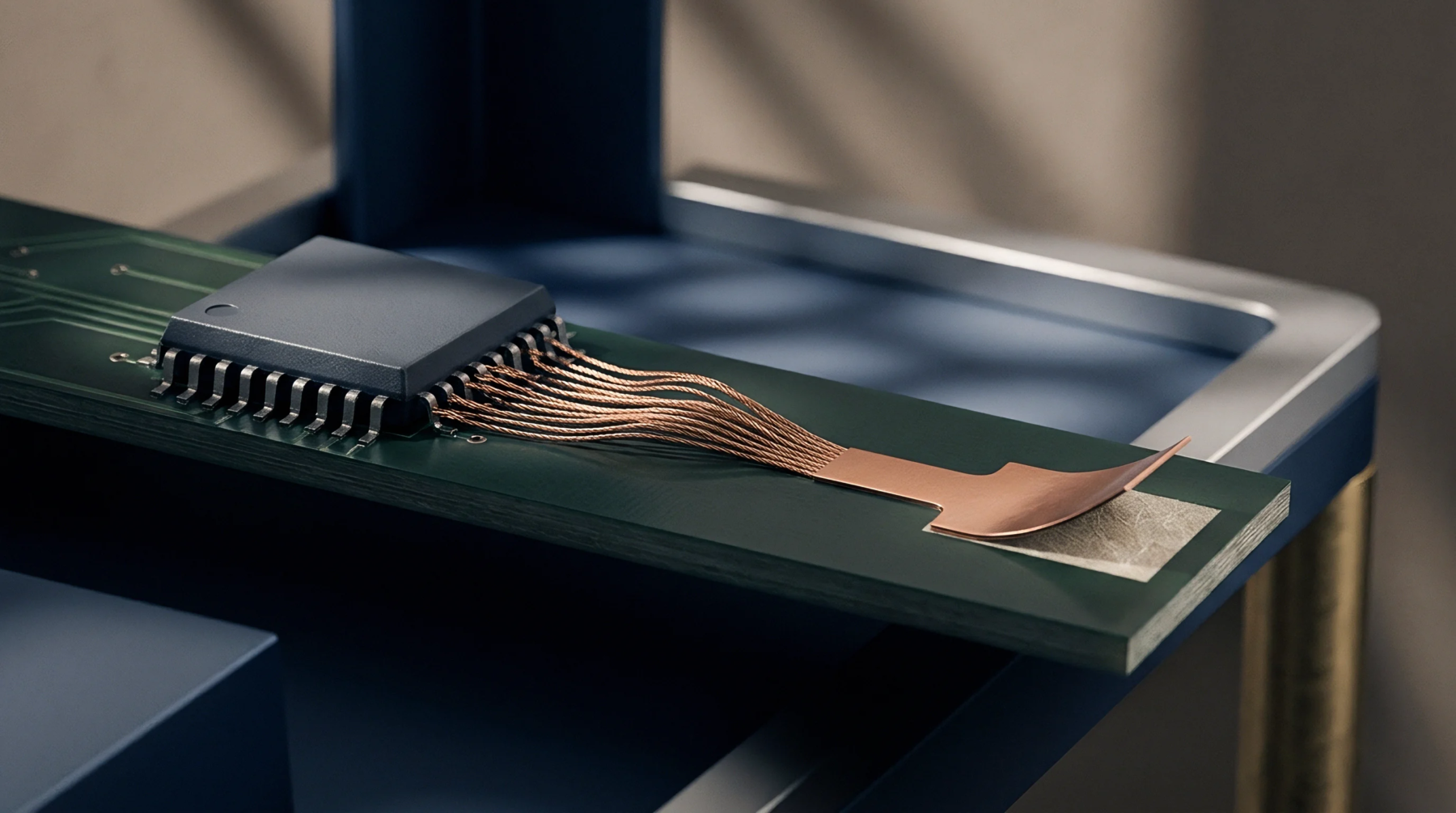
Z-axis laminate expansion exceeding copper ductility during lead-free reflow drives microvia failure, requiring high-Tg filled dielectrics and coupon screening.

Resin content mismatch shifts dielectric constants, alters transmission line impedance, and drives thermal warpage unless glass styles and resin volumes balance.

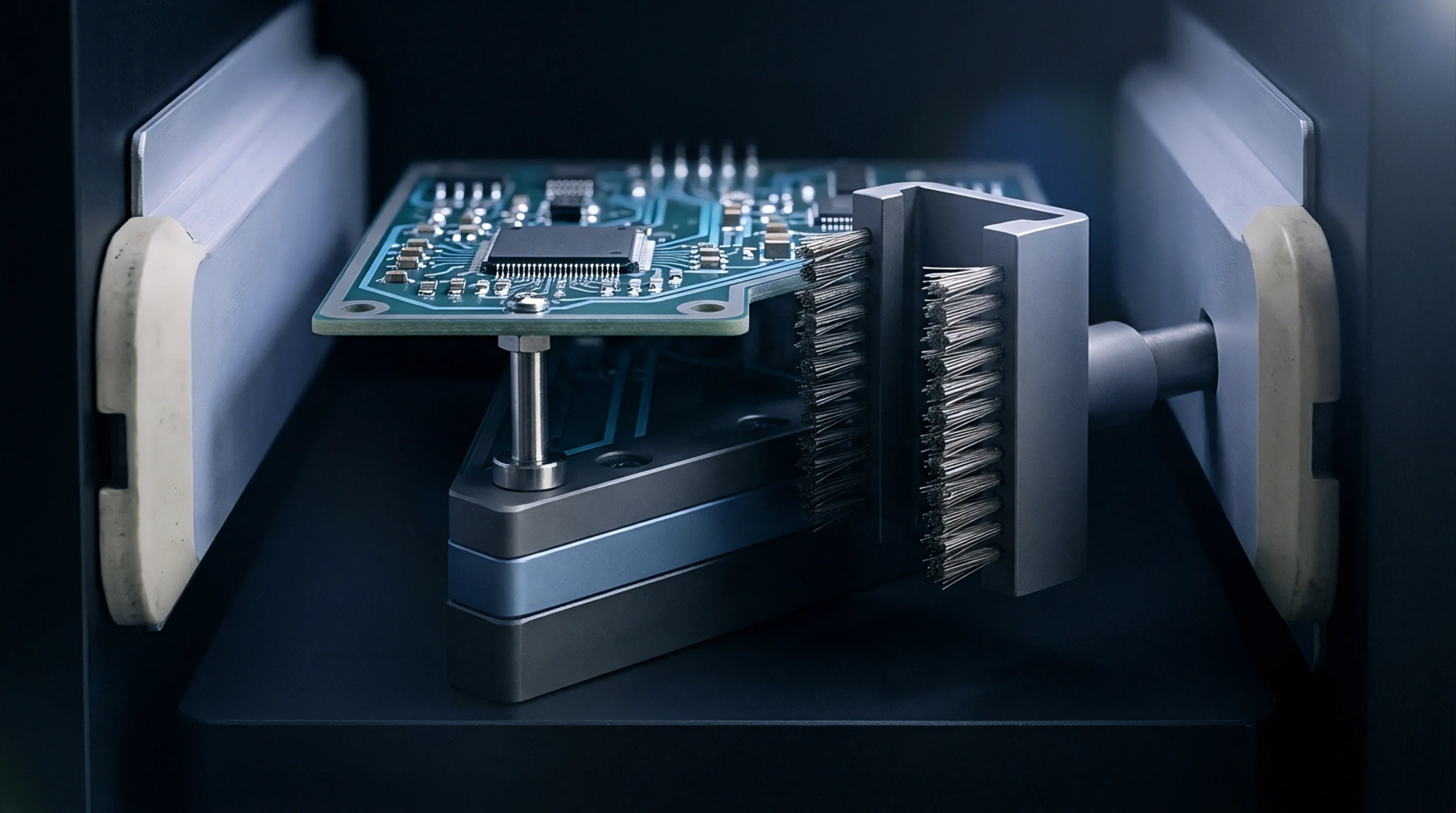
High-frequency phase delay anisotropy stems from woven reinforcement and foil grain directions; locking panel alignment ensures repeatable channel timing.
Prepreg glass bundle spacing causes local permittivity shifts that introduce picosecond phase delay variance in high-speed microstrip traces.

Dielectric characterization methods determine in-circuit signal velocity by accounting for test fixture field structure, glass anisotropy, and copper surface roughness.
Precise thermal ramp and platen pressure sequencing optimize resin viscosity windows to eliminate voids, core wash, and dielectric drift in ultrathin multilayers.
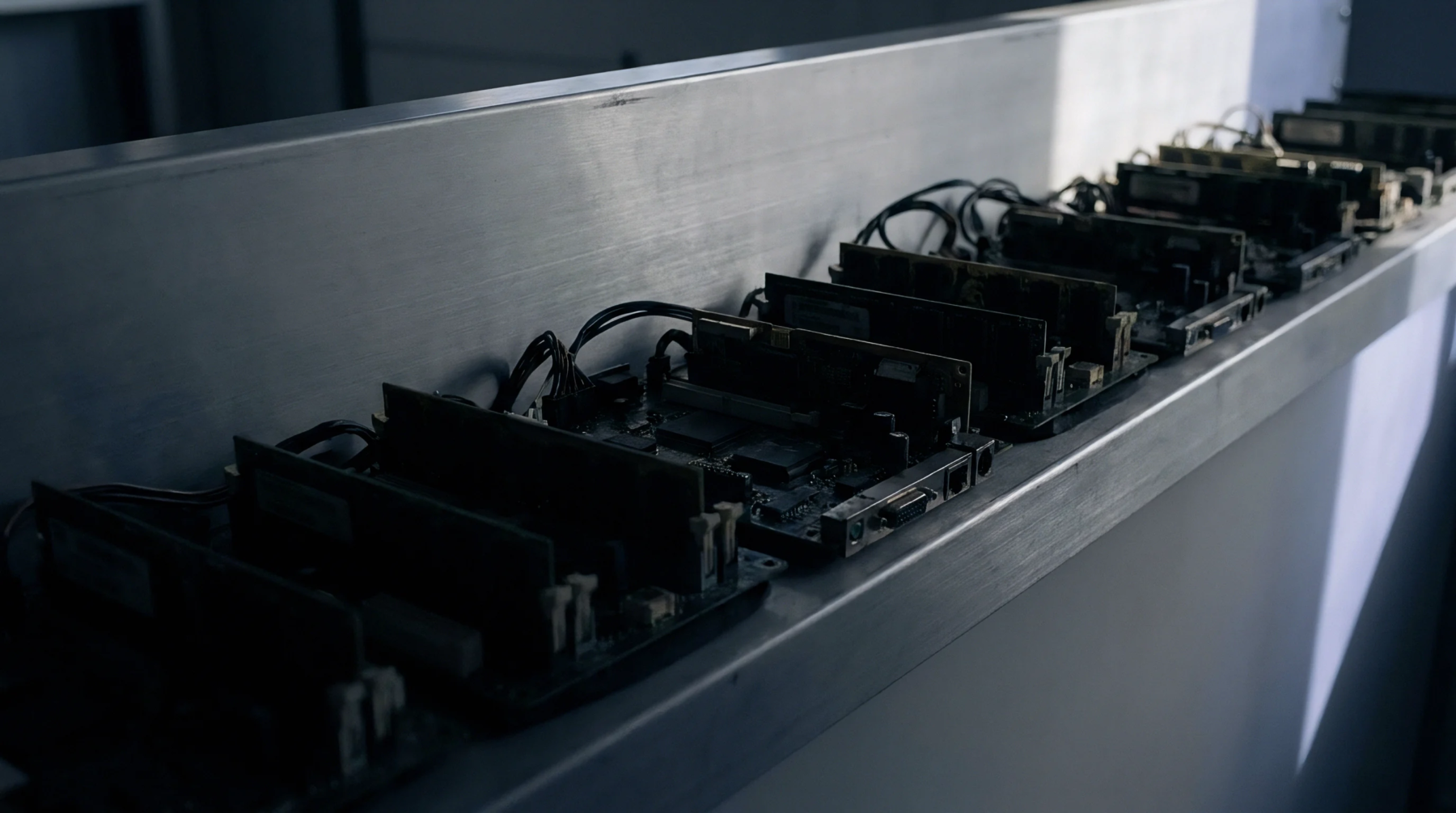
Controlled impedance tolerance analysis maps resin content, foil roughness, and etch factors through RSS models to set yield-optimized fab drawing notes.
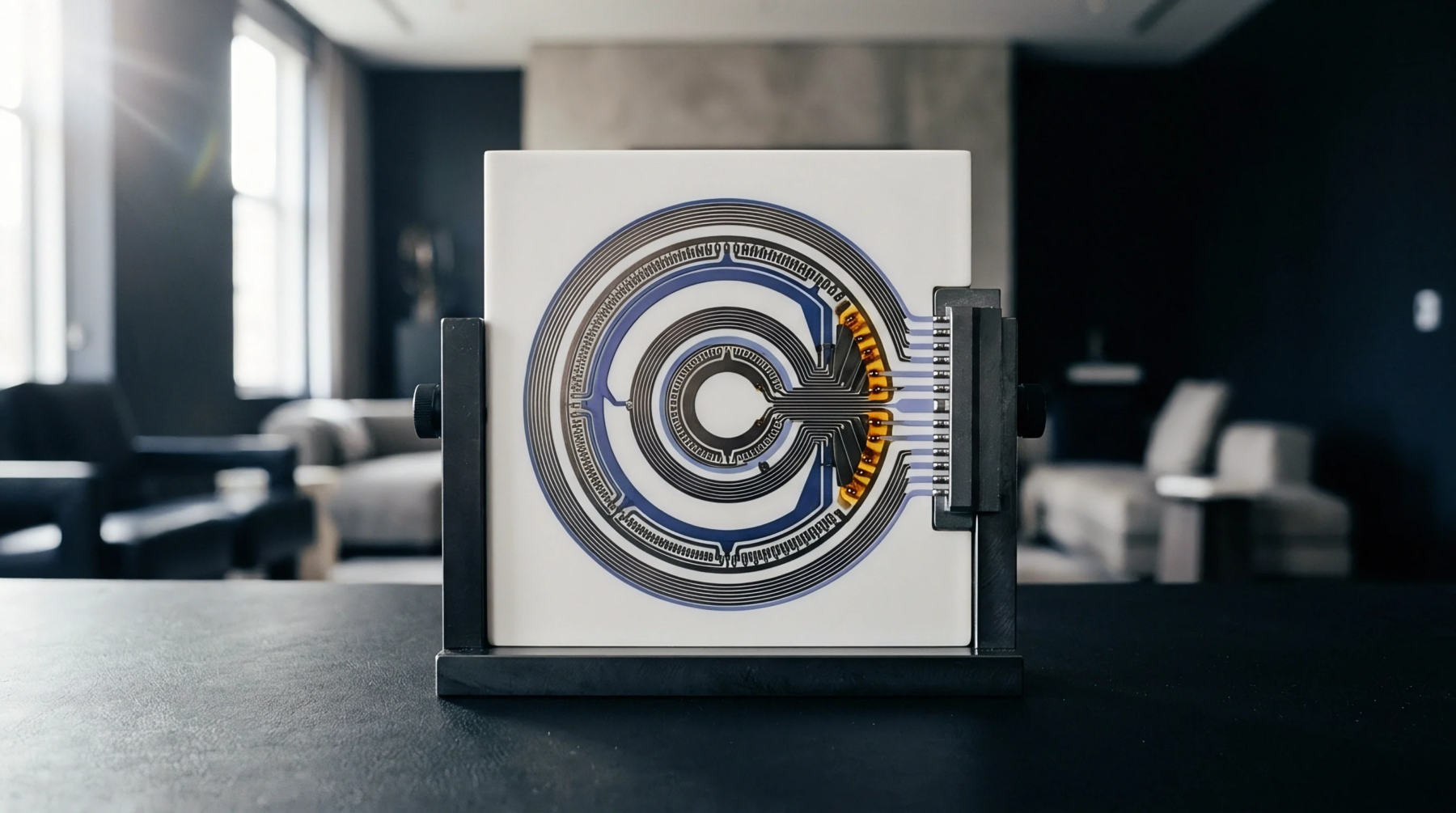
Standardizing low-Dk spread glass requires matching glass chemistry with mechanical yarn flattening to eliminate differential skew and fix impedance tolerances.
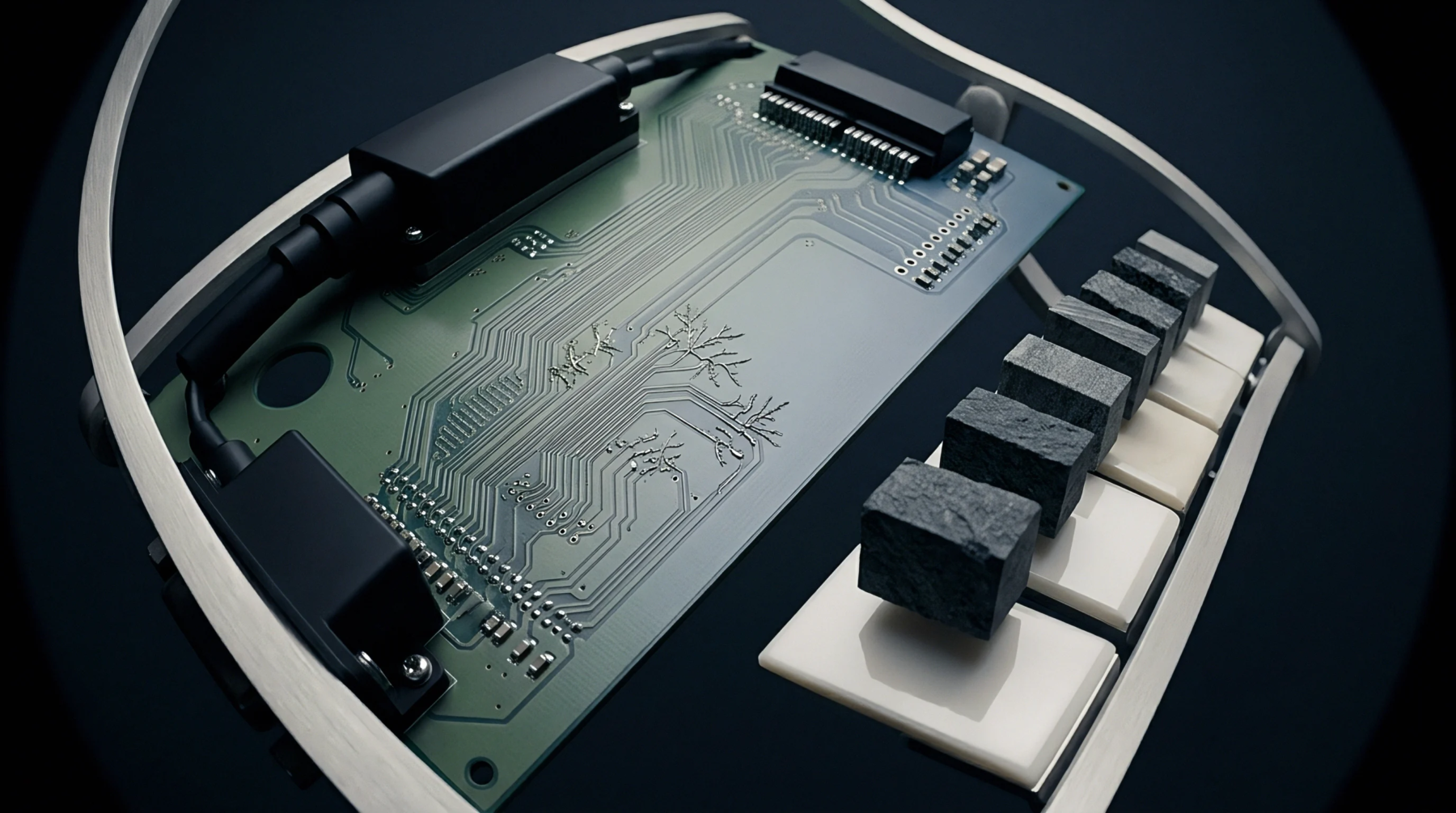
Out-of-plane permittivity in glass-reinforced multilayer stackups runs lower than datasheet figures, requiring Z-axis test methods to hold impedance.
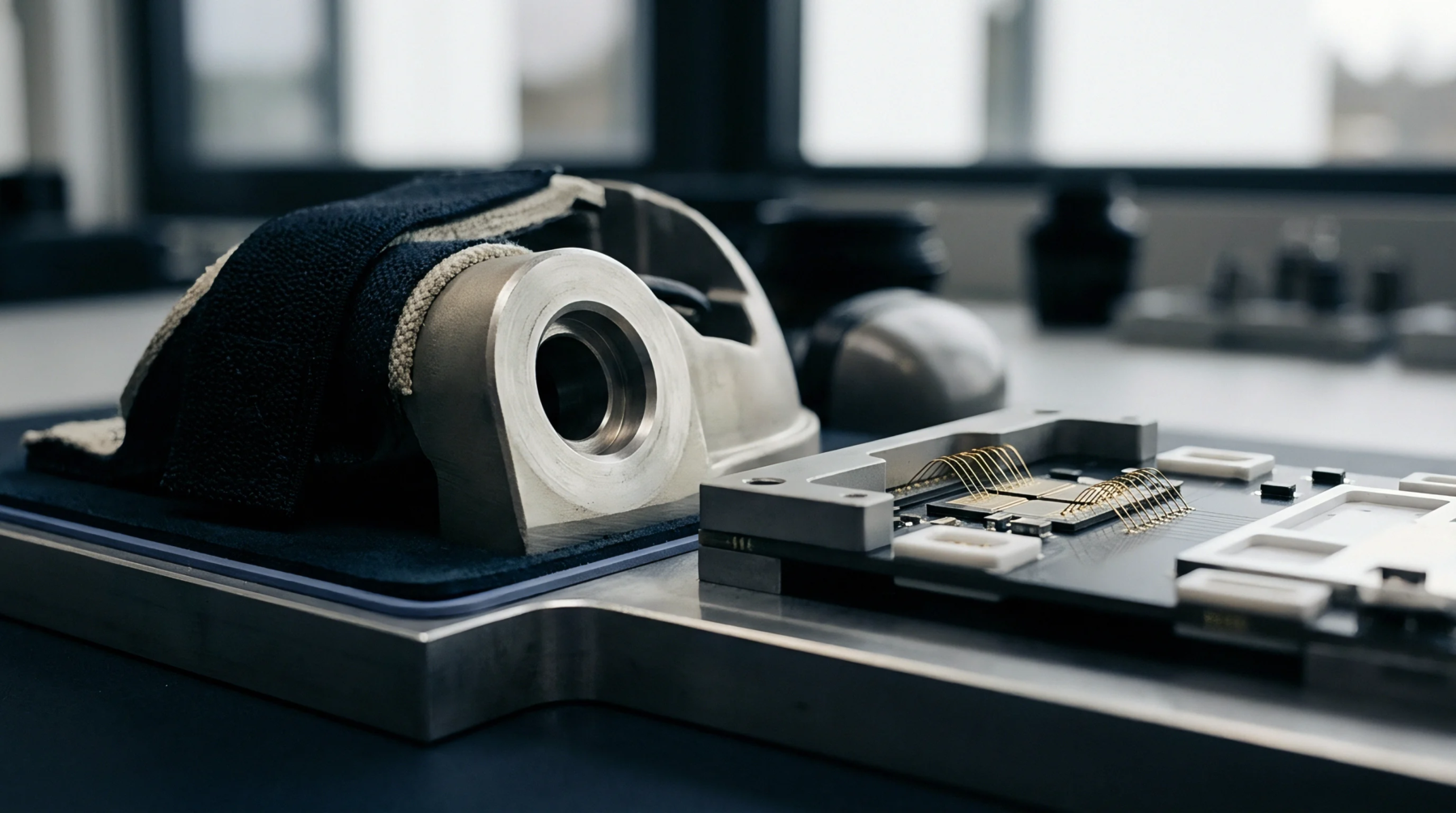
Selecting spread glass fabrics and controlling resin distribution tightens microstrip relative permittivity tolerances, eliminating differential phase skew.
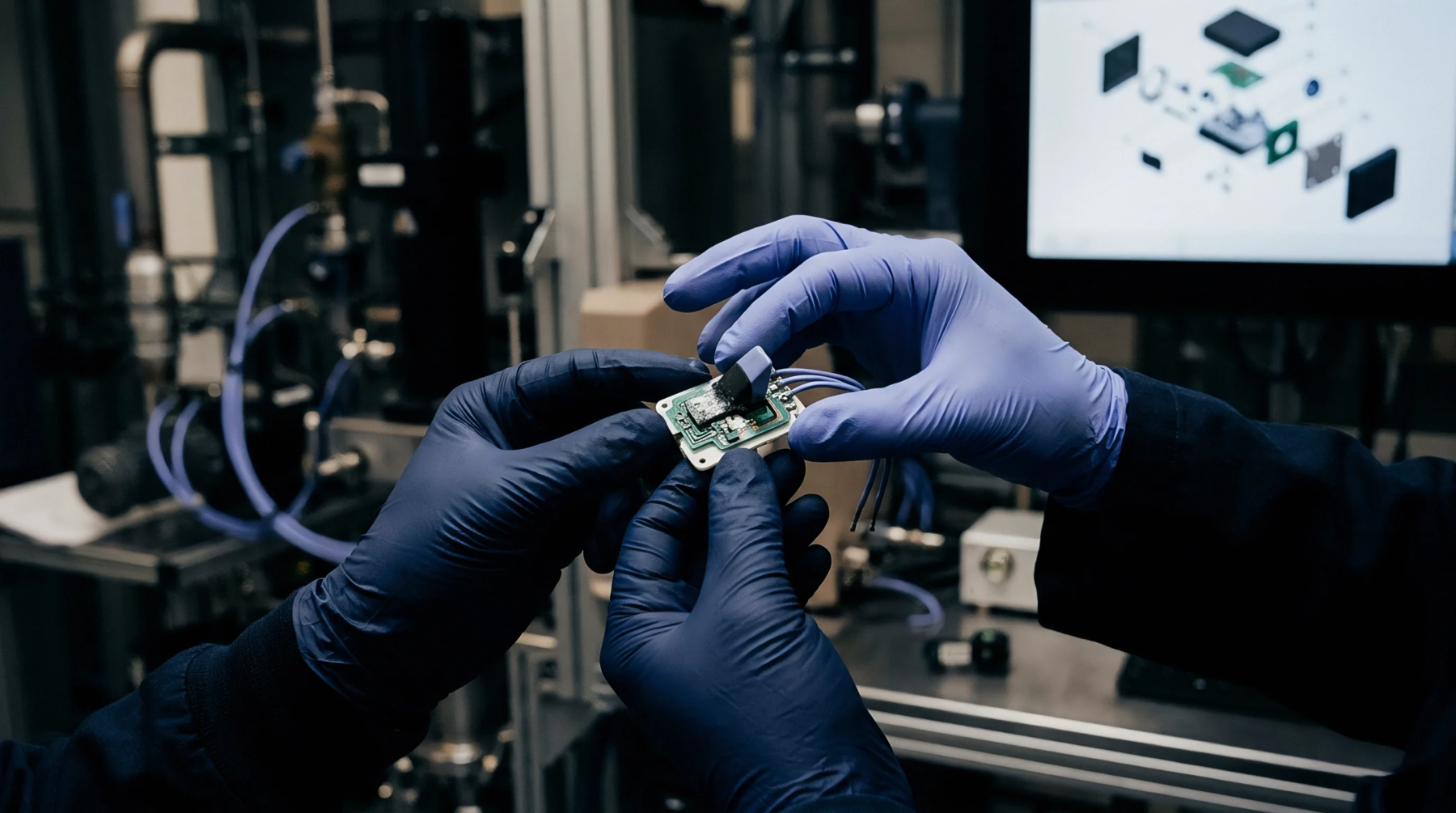
Mid-loss laminates paired with low-roughness copper foil match high-cost ultra-low-loss performance at a fraction of the raw panel price.

Extracting out-of-plane permittivity requires guarded parallel-plate or re-entrant cavity tests to isolate vertical flux fields from in-plane glass weave effects.
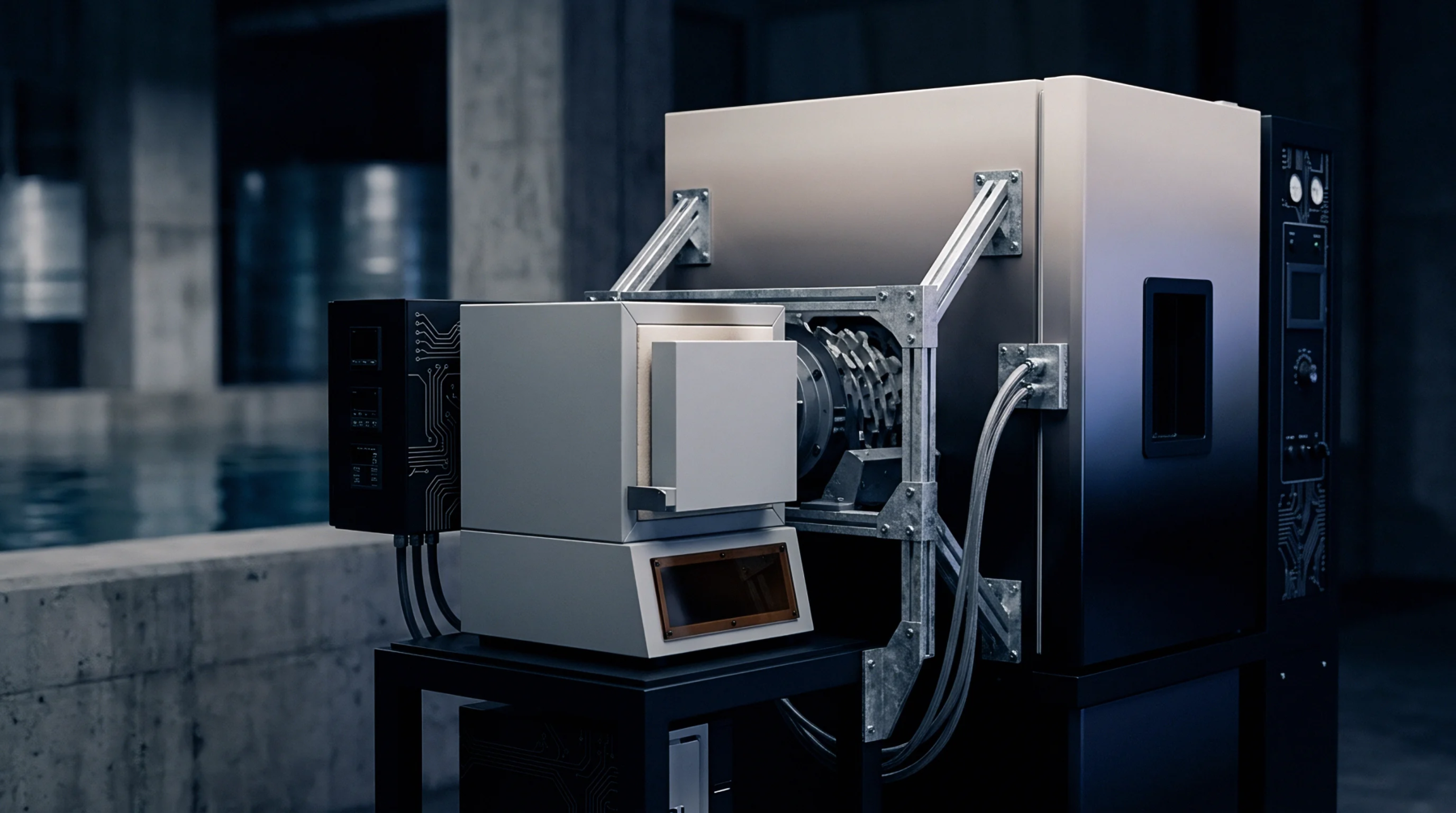
Mechanically spread glass fabrics flatten yarn bundles to eliminate resin-rich windows, stabilizing relative permittivity and preventing high-speed differential skew.
Expertise is a utility, not a secret. sentiention™ publishes its working knowledge as open reference: intelligence layer covering the materials it sources, the markets it enters, and the reference that serves both.