Glass Weave Skew Mechanics in High Speed Printed Circuit Boards
Specifying mechanically spread low-Dk glass styles and angled trace routing eliminates intra-pair skew failures across high-speed differential channels.
Specifying mechanically spread low-Dk glass styles and angled trace routing eliminates intra-pair skew failures across high-speed differential channels.
Calculate glass weave skew by integrating spatial permittivity deltas across weave pitch to establish phase delay bounds for high-speed differential pairs.
Spread glass prepreg flattens yarn bundles to eliminate local resin windows, cutting differential skew without the severe panel waste of rotated artwork.
Mitigate differential stripline glass weave skew by combining low-Dk spread glass, multi-ply prepregs, and minimum two-degree routing offsets on drawings.
Selecting mechanically flattened spread glass styles like 1067 or 1078 eliminates dielectric pitch gaps and keeps high-speed differential skew below 2 ps/inch.
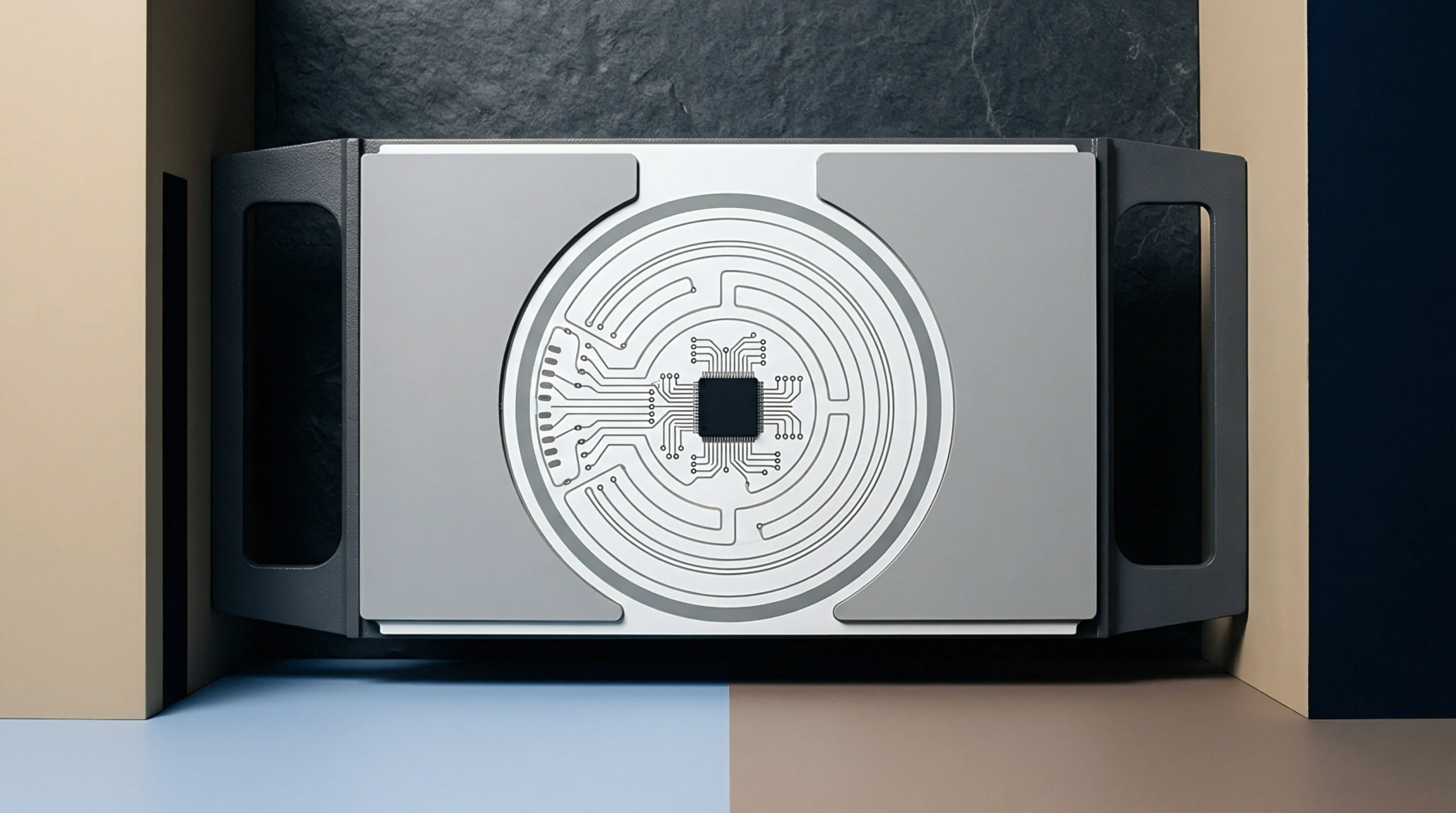
Glass weave skew causes intra-pair phase delay in high-speed differential pairs, requiring spread glass, dual-ply prepreg, or off-axis panel rotation.
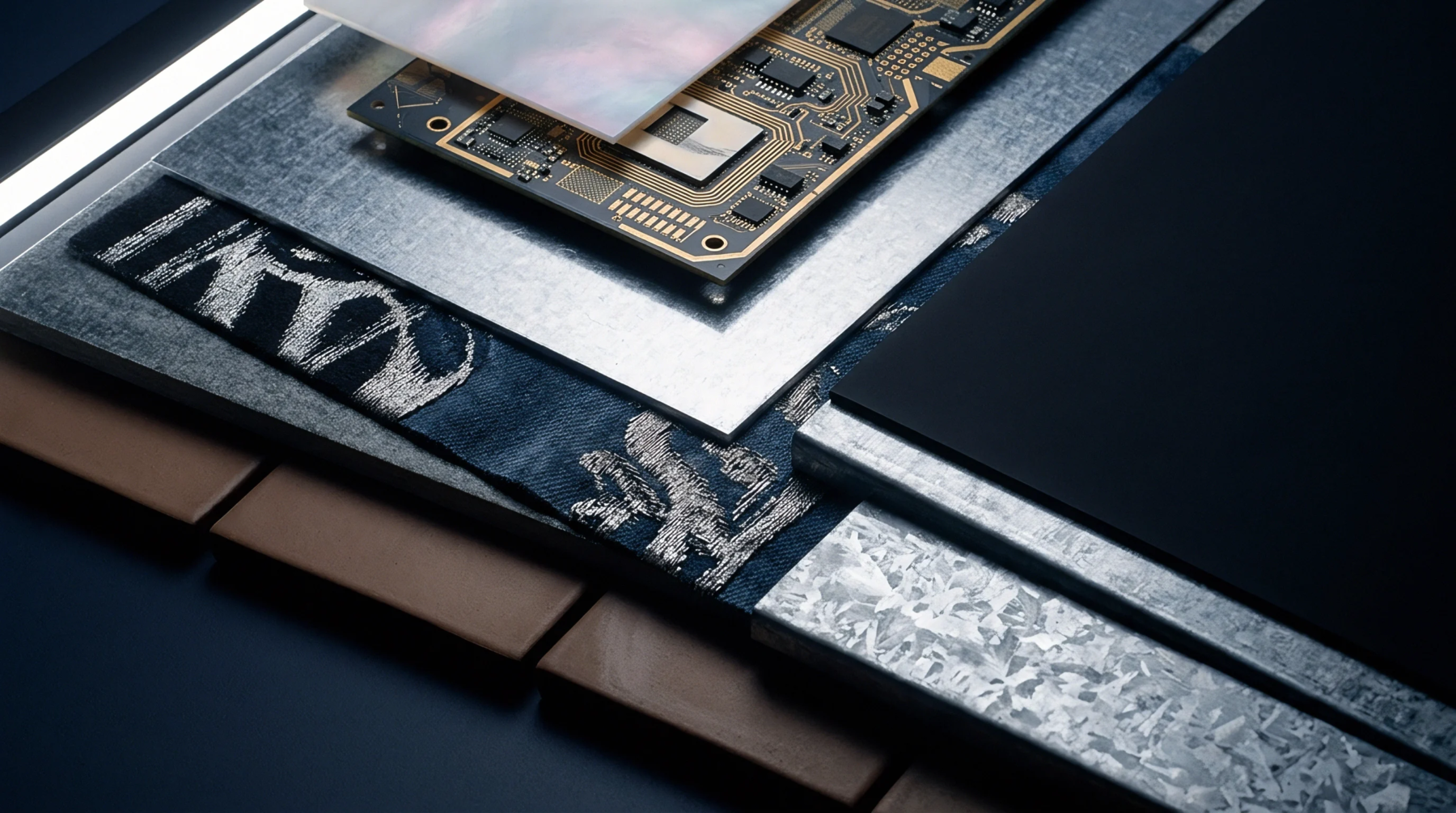
Selecting mechanically spread glass fabric and enforcing multi-ply laminate construction mitigates intra-pair differential skew without panel rotation costs.
Differential phase skew control requires spread-glass fabrics or off-axis routing to eliminate local micro-scale dielectric variations across high-speed traces.
Expertise is a utility, not a secret. sentiention™ publishes its working knowledge as open reference: intelligence layer covering the materials it sources, the markets it enters, and the reference that serves both.