Microstrip Phase Velocity Fundamentals across Multi Layer Glass Stackups
Microstrip phase velocity depends on outer layer inhomogeneous dielectric fields, glass reinforcement architecture, copper roughness, and lamination compression.
Microstrip phase velocity depends on outer layer inhomogeneous dielectric fields, glass reinforcement architecture, copper roughness, and lamination compression.

Reinforcement fiber bundle periodicity causes localized dielectric constant variation, driving phase skew that requires spread glass or rotated routing to control.
Spread glass prepreg flattens yarn bundles to eliminate open resin windows, preventing high-speed intra-pair differential skew and mode conversion.
Selecting mechanically spread glass fabric and enforcing multi-ply laminate construction mitigates intra-pair differential skew without panel rotation costs.
Selecting spread glass fabric styles with tight yarn pitch eliminates differential skew and preserves PAM4 channel margins without complex trace routing.
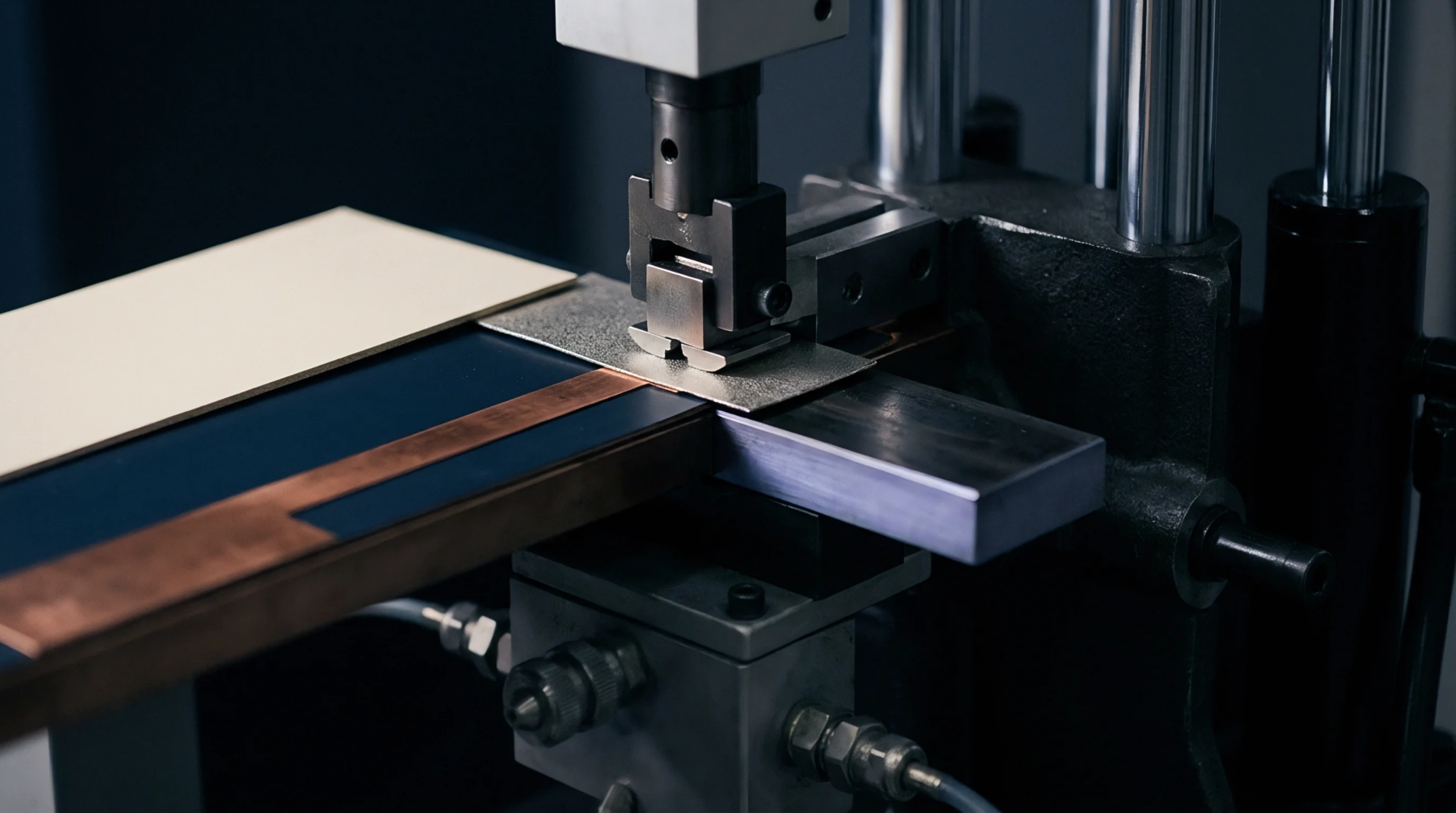
Controlling master panel resin flow gradients stabilizes dielectric tensor anisotropy and prevents high-frequency parametric yield collapse.
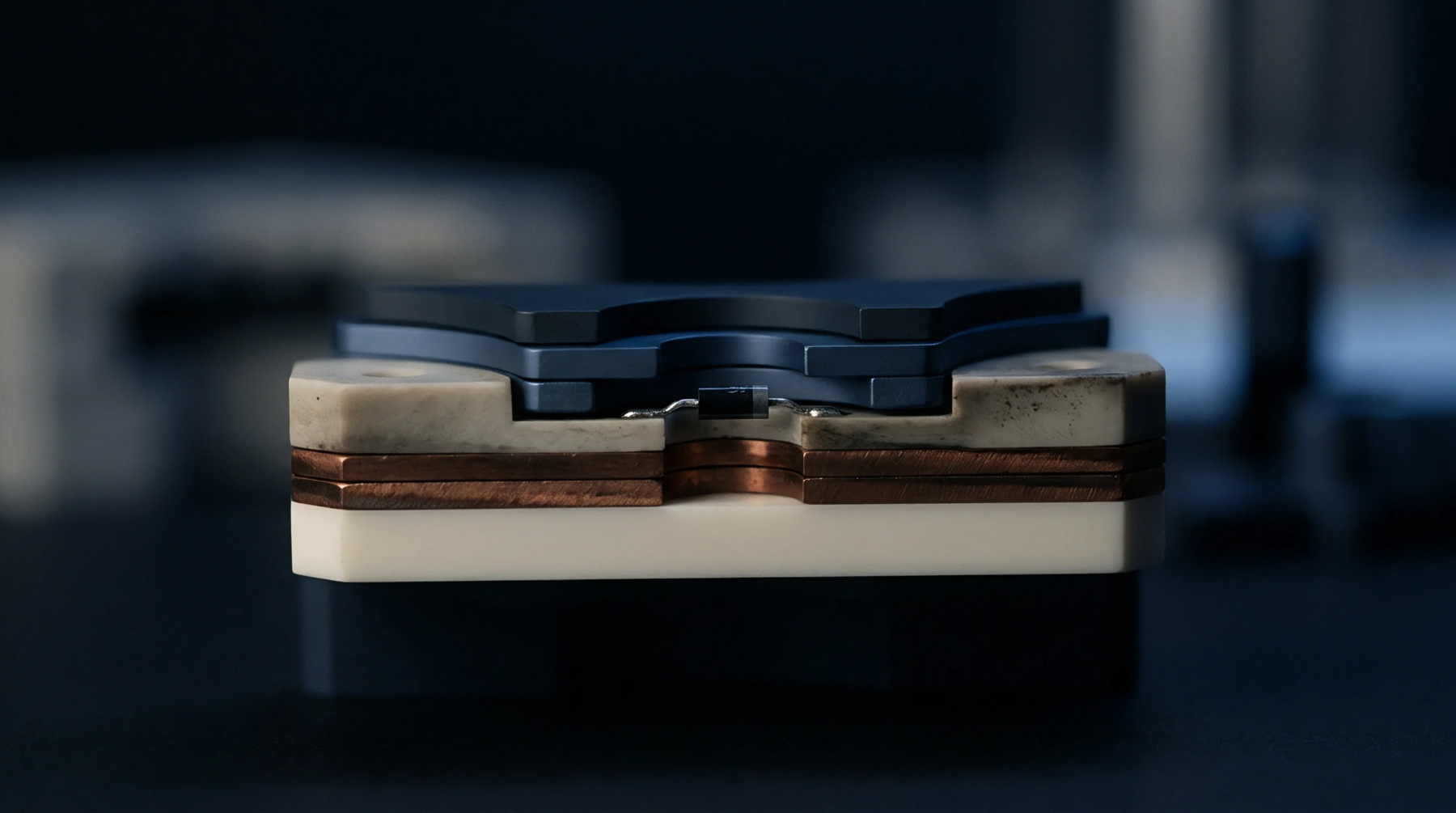
Substrate dielectric drift alters high-frequency signal phase velocity and impedance under thermal stress, requiring flat TCDk resin selection to hold timing margins.
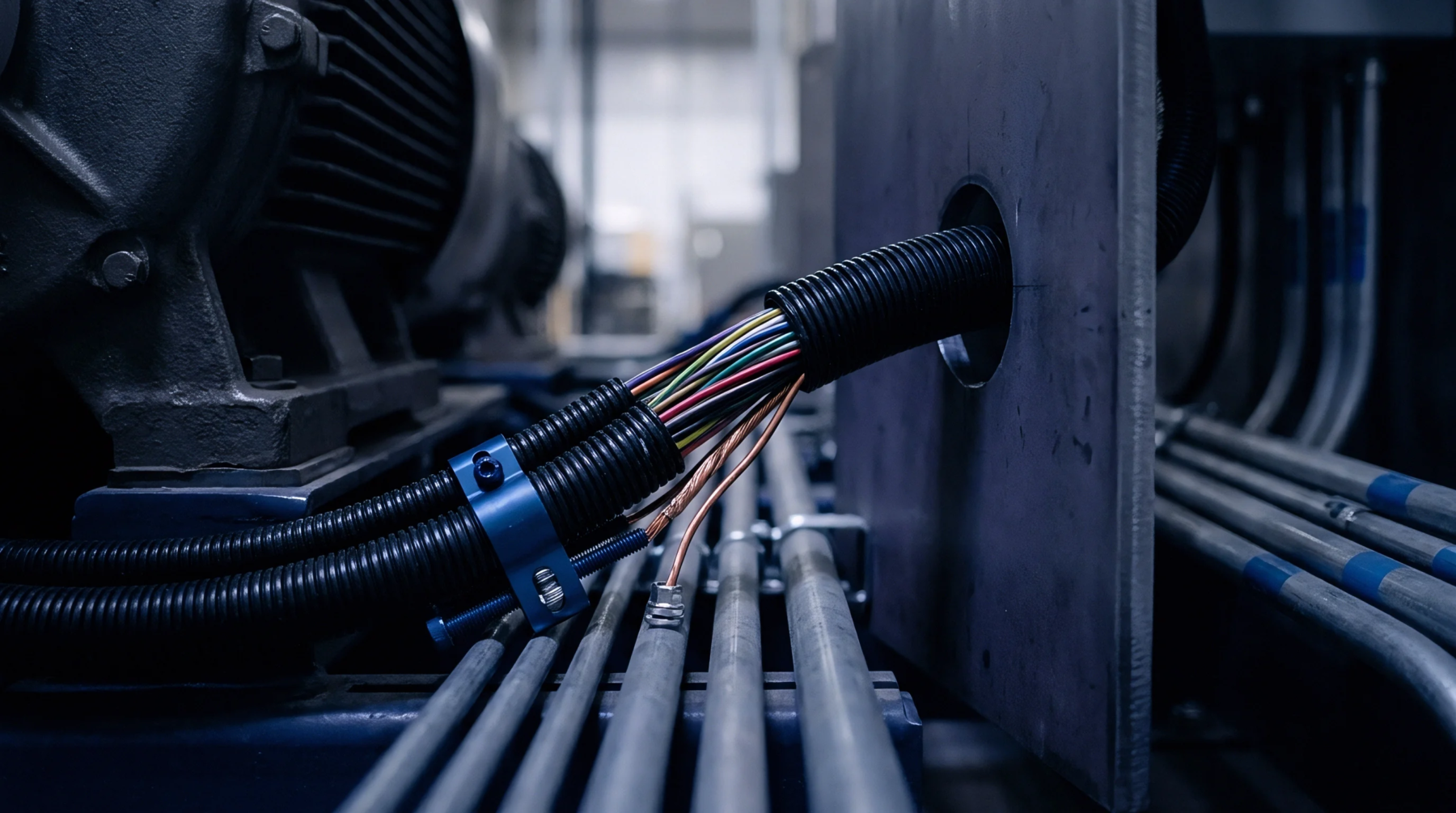
Anisotropic permittivity variations in glass filament bundles under thermal cycling and moisture exposure are driven by silane interphase degradation, requiring spread-glass weaves and dynamic tensor modeling to prevent high-speed differential skew.
Standardizing spread Low-Dk glass fabrics eliminates phase skew and stabilizes trace impedance across high-speed printed circuit board panels.

Matching differential signal trace routing to glass bundle pitch and specifying spread-glass laminates eliminates microvia phase distortion in high-density interconnect stackups.
Differential phase skew control requires spread-glass fabrics or off-axis routing to eliminate local micro-scale dielectric variations across high-speed traces.
Expertise is a utility, not a secret. sentiention™ publishes its working knowledge as open reference: intelligence layer covering the materials it sources, the markets it enters, and the reference that serves both.