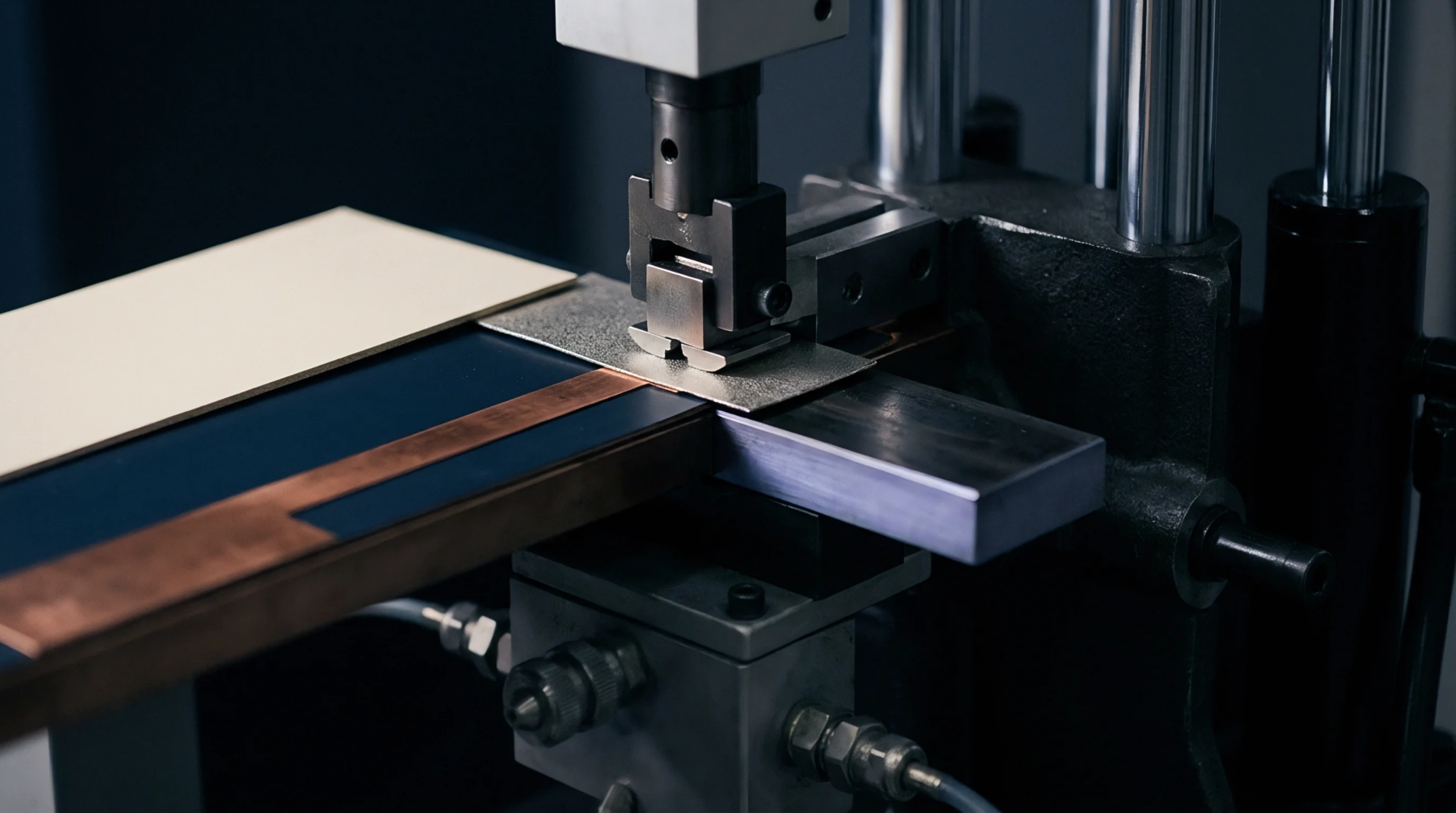
Optimizing Inner Layer Copper Thickness and Prepreg Fill Properties
Optimizing inner layer copper thickness and prepreg fill demands matching matrix resin volume to clearance void area while controlling pressed dielectric height.
Optimizing inner layer copper thickness and prepreg fill demands matching matrix resin volume to clearance void area while controlling pressed dielectric height.
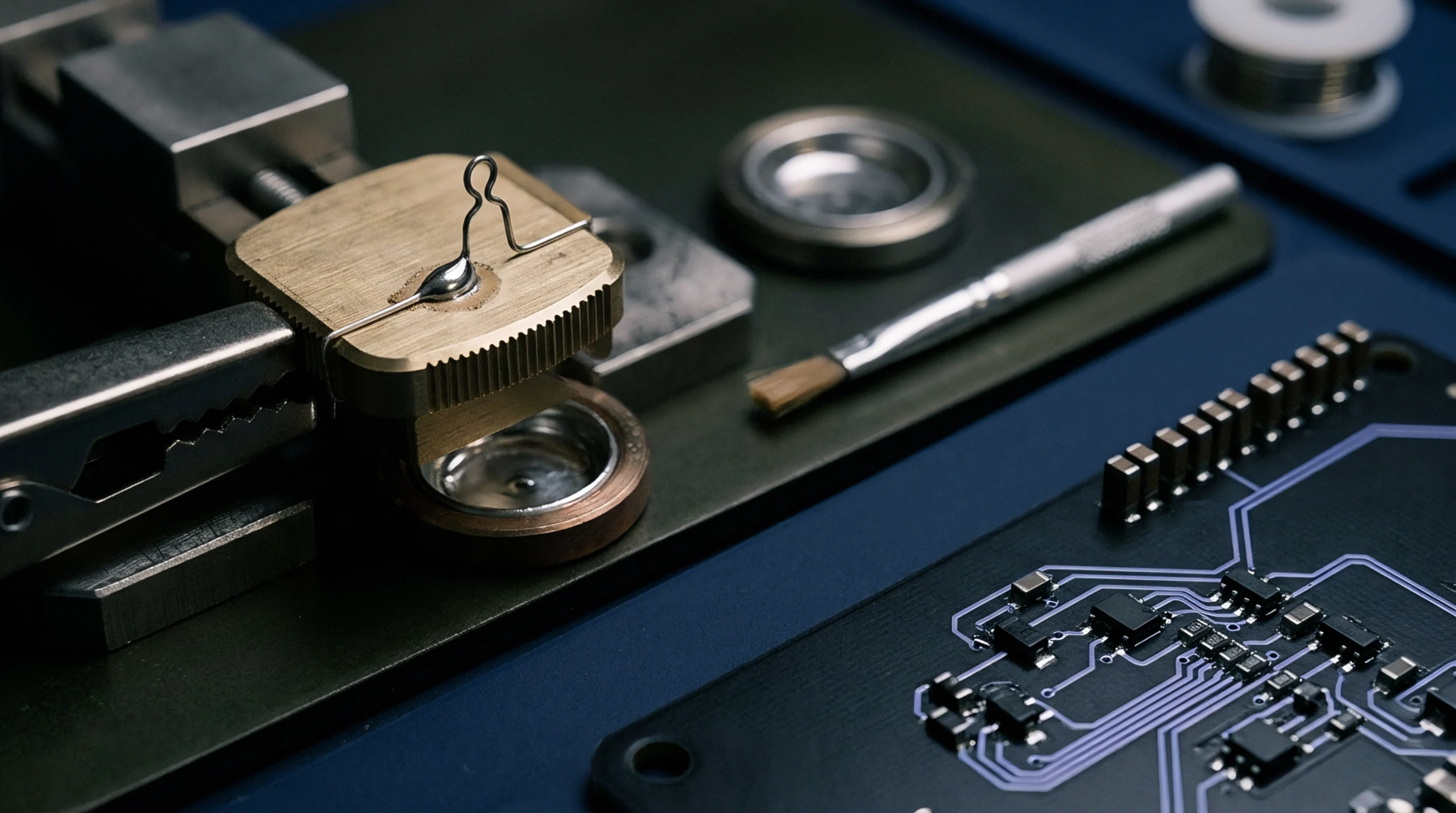
Secondary lamination dynamics dictate microvia fill, dielectric thinning, and registration shift, where multi-pass yield decay drives final panel cost.
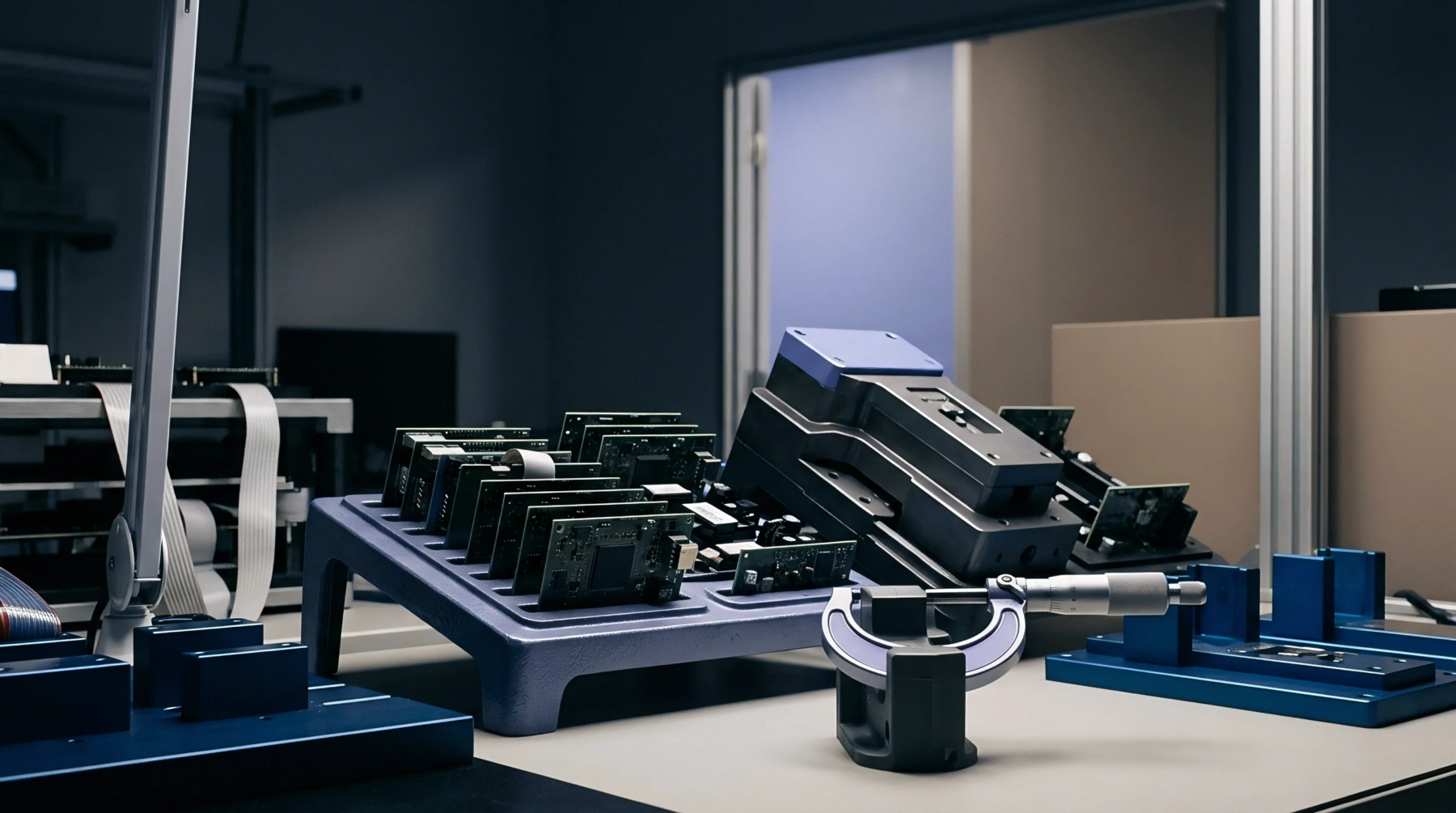
Prepreg resin flow during vacuum lamination requires balancing platen ramp rates against copper fill volume to eliminate internal clearance microvoids.
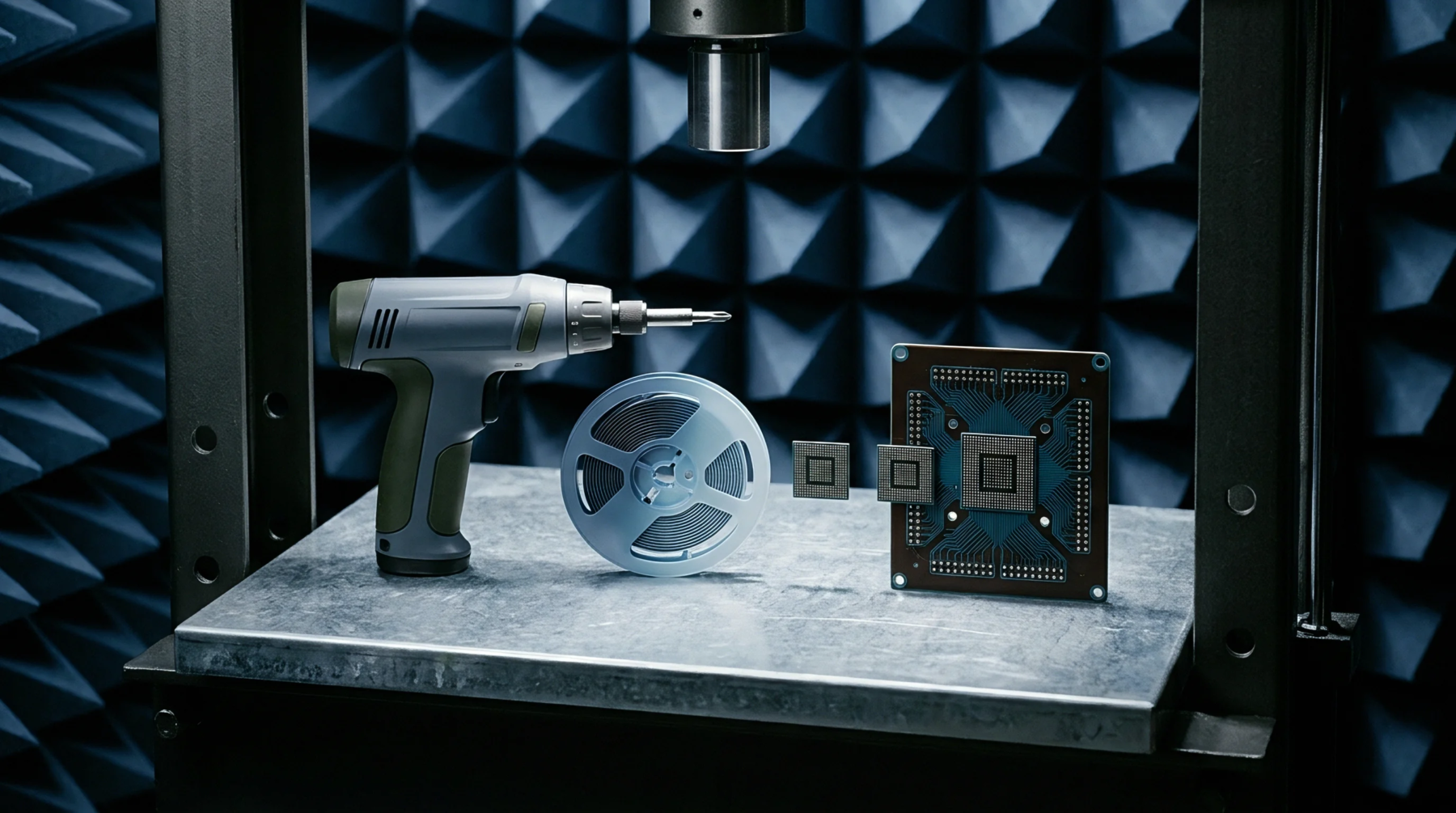
Spread glass prepreg flattens yarn bundles to eliminate open resin windows, preventing high-speed intra-pair differential skew and mode conversion.
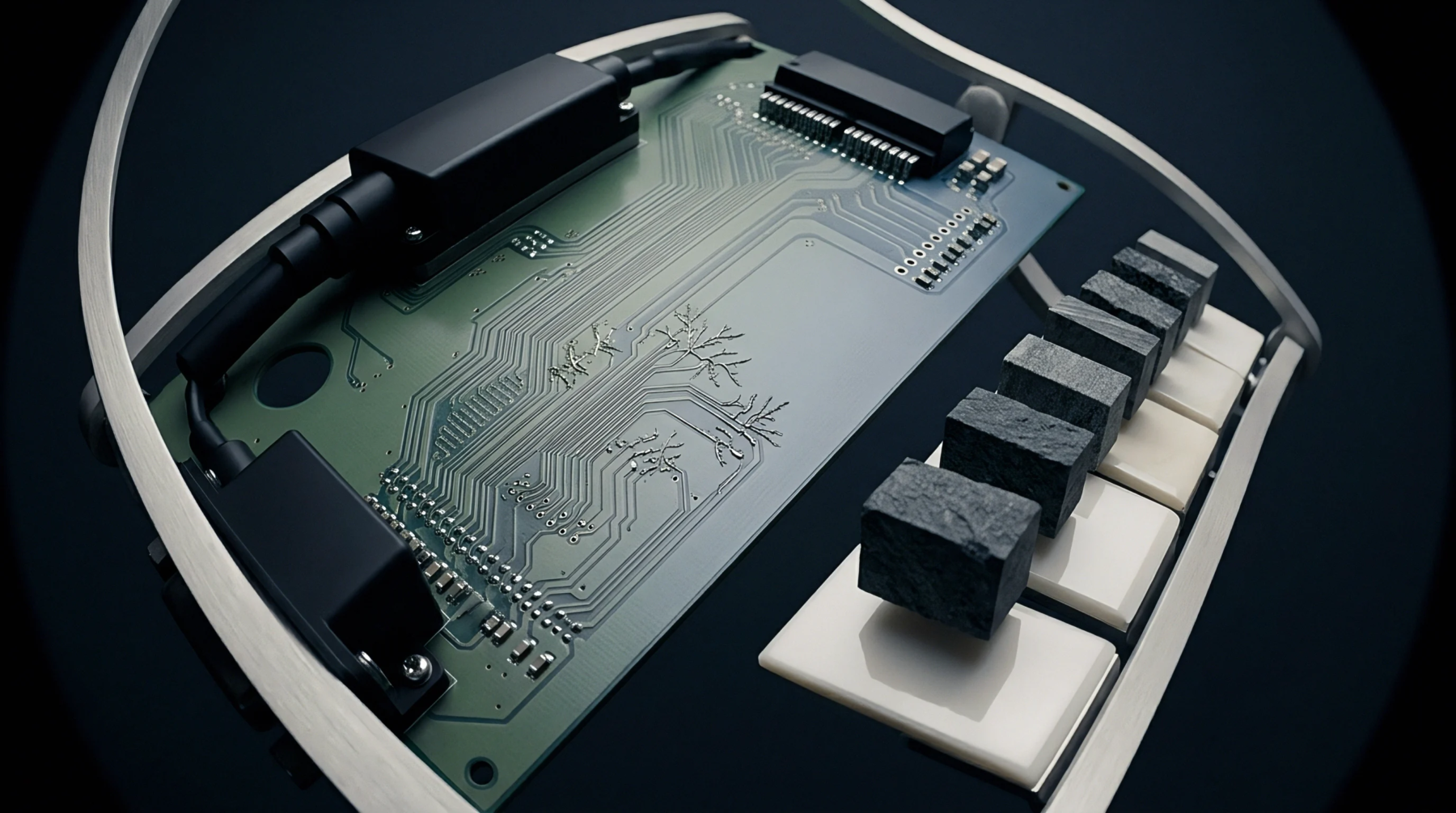
Out-of-plane permittivity in glass-reinforced multilayer stackups runs lower than datasheet figures, requiring Z-axis test methods to hold impedance.
Expertise is a utility, not a secret. sentiention™ publishes its working knowledge as open reference: intelligence layer covering the materials it sources, the markets it enters, and the reference that serves both.