Thermal Profile
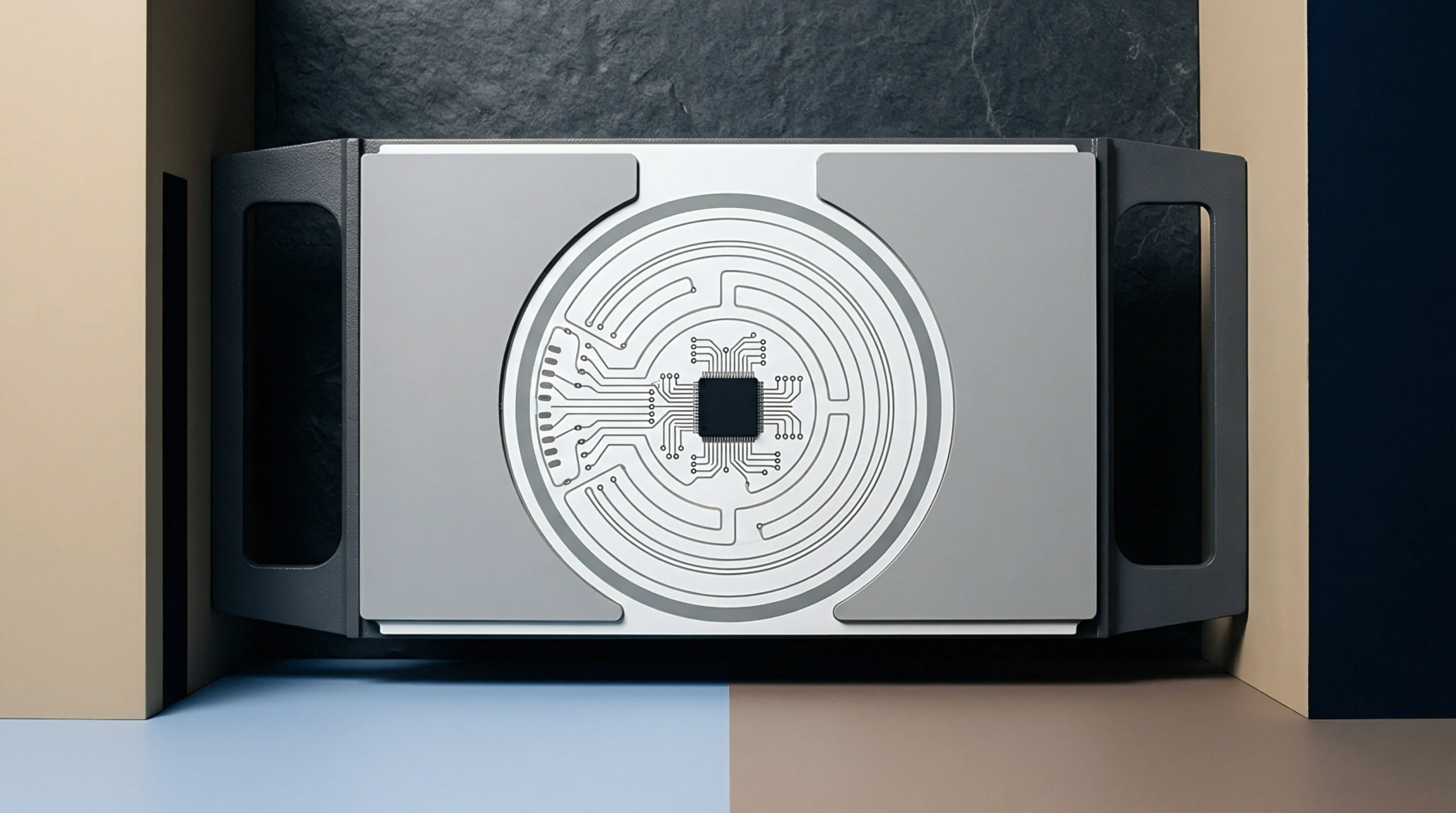
Heating and cooling ramps govern the mechanical closure during a thermal press cycle used in multilayer printed circuit board lamination. Hydraulic platens apply vertical force while internal cartesian heaters execute a programmed time and temperature curve to polymerize resin systems. Multilayer assembly relies on this precise energy delivery to cure prepreg layers without shifting internal copper circuitry.
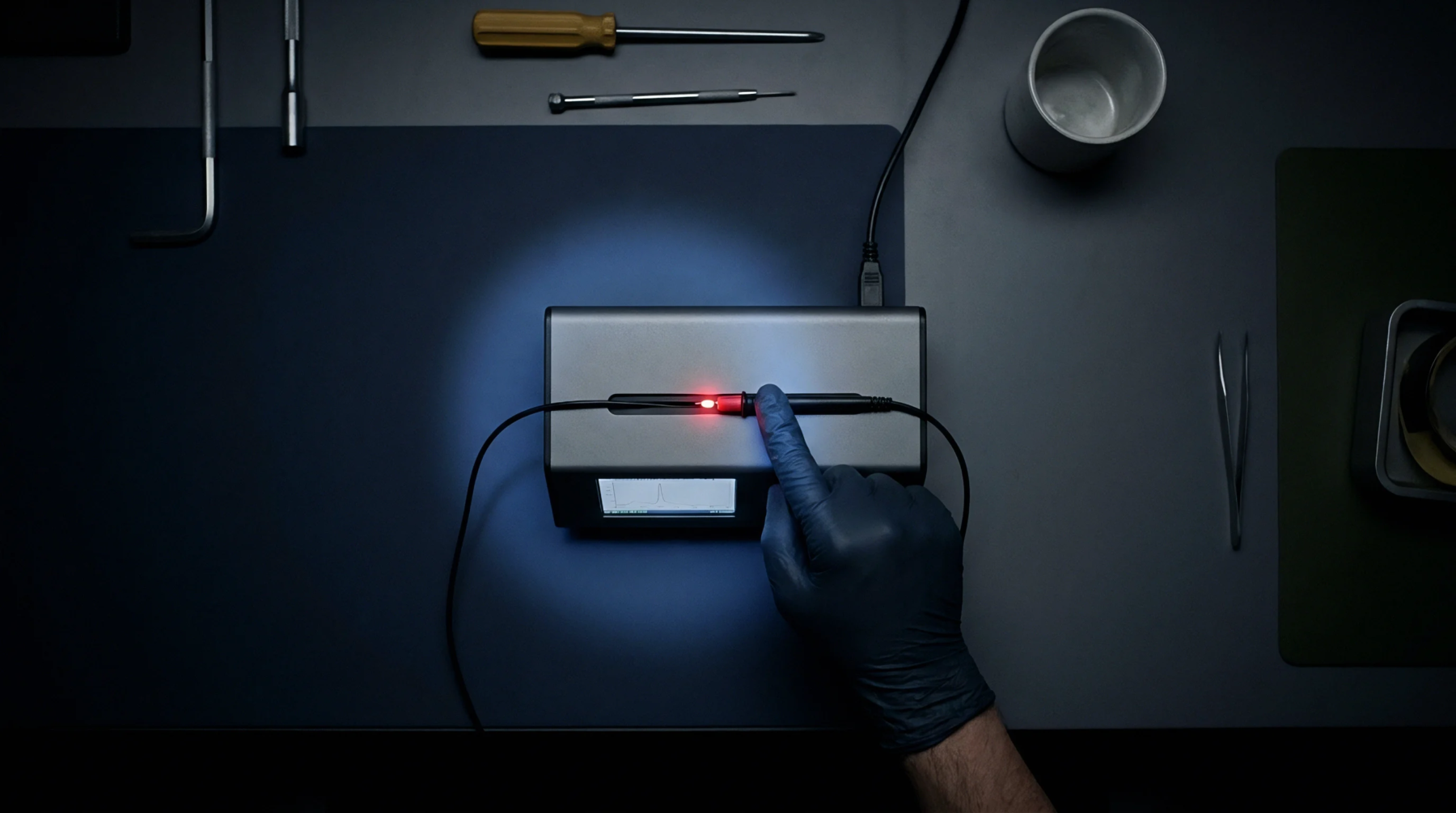
Thermocouples embedded inside the tooling monitor plate temperatures continuously. Deviations from the target ramp rate trigger alarms that halt the hydraulic descent.
Resin Flow
Viscosity drops as temperature rises during the initial segment of a thermal press cycle. Fluid matrix material migrates into the interstitial gaps between glass reinforcement bundles under sustained vertical pressure. Excess resin escapes the board edges into designated bleed zones while core materials consolidate toward a target thickness.
Polymer chains begin cross-linking once the resin reaches its gelation point. Flow characteristics dictate whether voids form around heavy internal copper planes.
Void Reduction
Pressure holds steady through the exothermic reaction phase of a thermal press cycle to eliminate trapped volatiles. Trapped solvents or moisture vaporize and escape outward through the peripheral trim during the low viscosity window. Post cure cooling rates prevent thermal shock from warping the finished laminate panel.
Automated optical inspection verifies that internal layer registration meets dimensional tolerance limits after cooling. Ultrasonic scanning detects internal delamination or voids that compromise structural integrity.