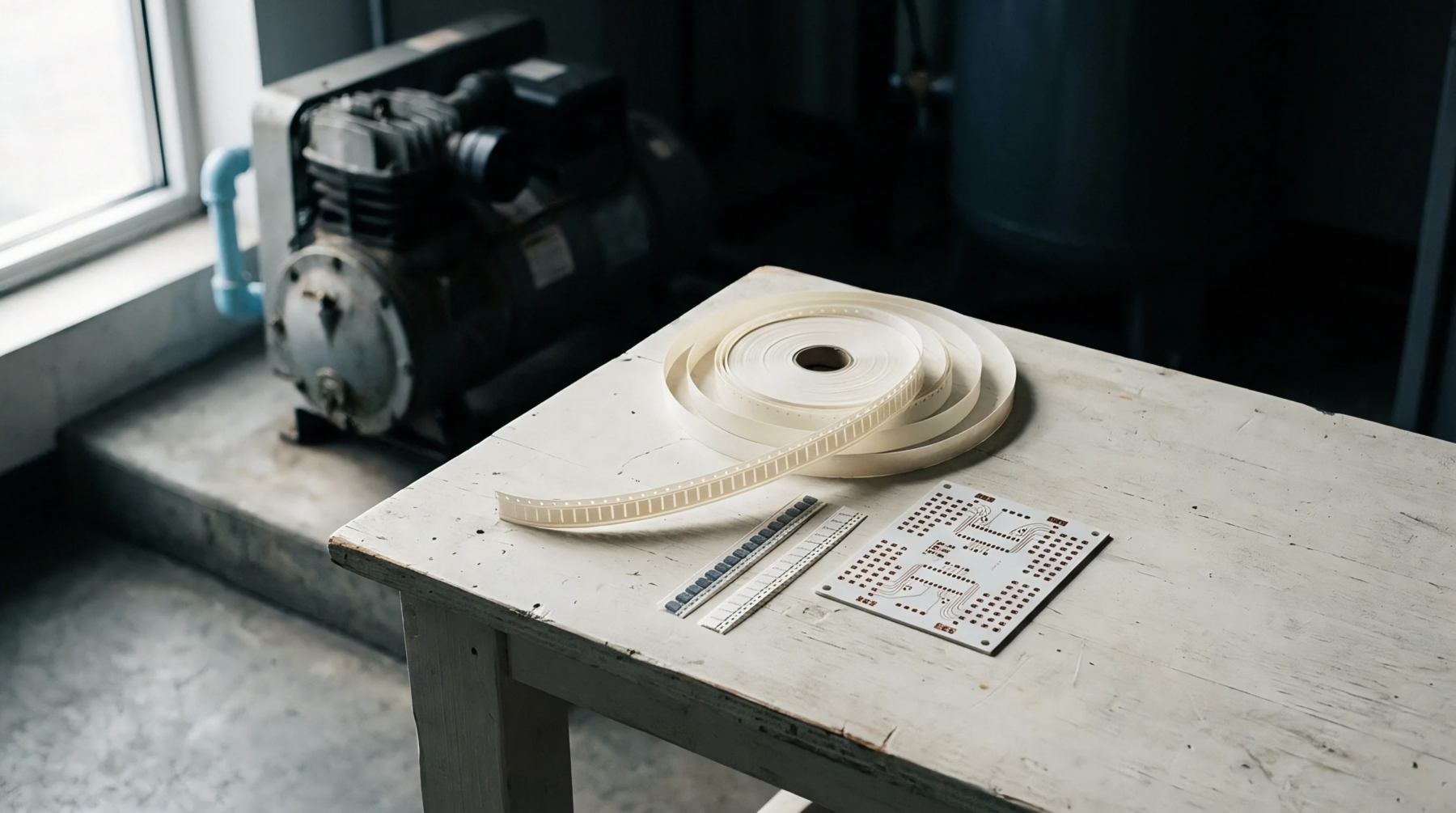
Calculating Z Axis Permittivity Anisotropy for Stripline Controlled Impedance Routing
Calculate stripline impedance by applying the geometric mean of in-plane and z-axis permittivity to sidewall fringing fields to eliminate 2-ohm routing offsets.
Calculate stripline impedance by applying the geometric mean of in-plane and z-axis permittivity to sidewall fringing fields to eliminate 2-ohm routing offsets.

Split post resonators extract substrate temperature dielectric coefficients by separating thermal expansion dimensional changes from intrinsic permittivity drift.
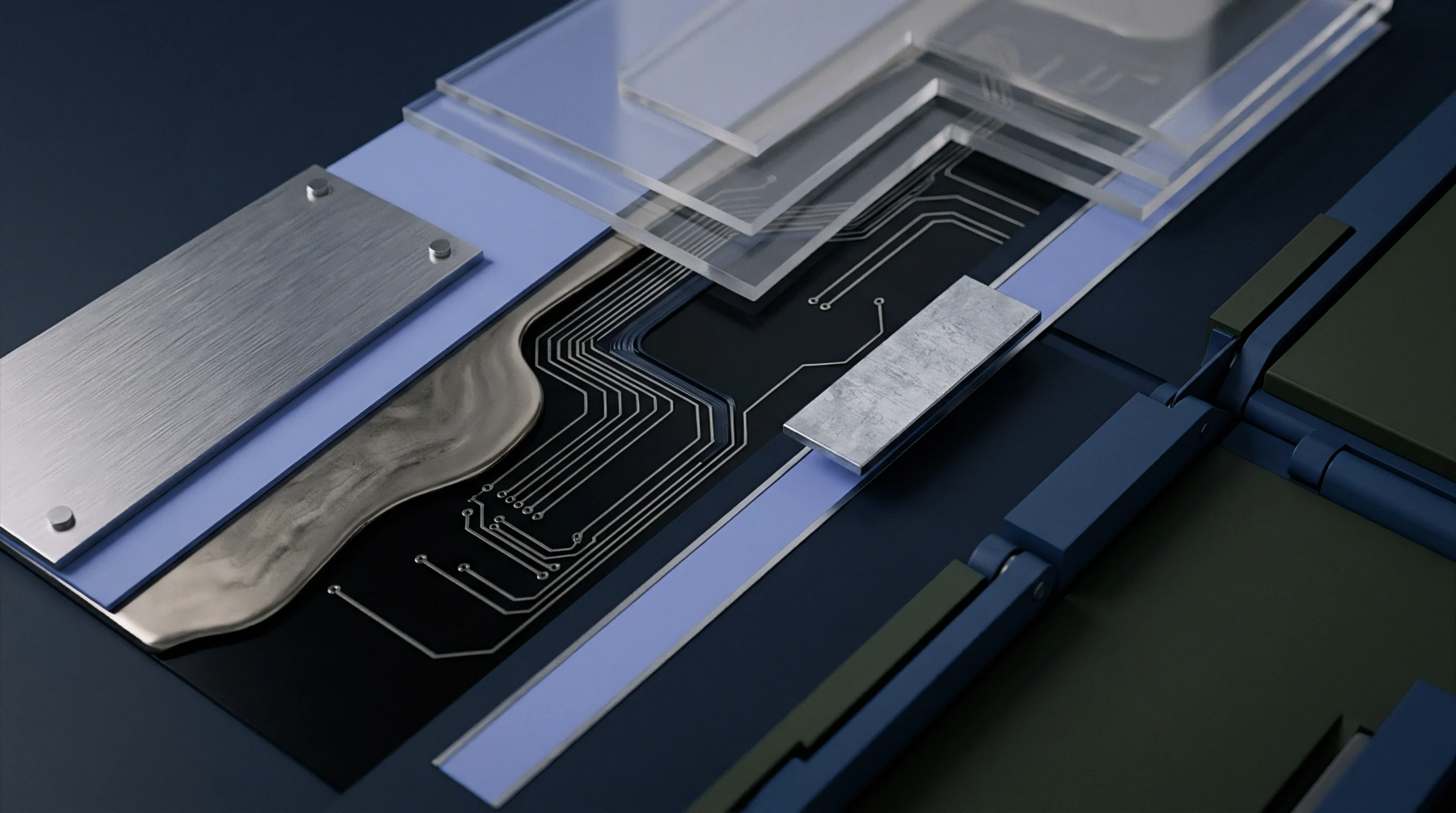
Spread prepreg styles flatten glass yarns to eliminate dielectric window voids, reducing differential phase skew below 1.5 ps per inch in PAM4 signal lines.

Sequential lamination densifies HDI glass fabric, increasing out-of-plane dielectric constant and driving trace impedance below calculated line targets.
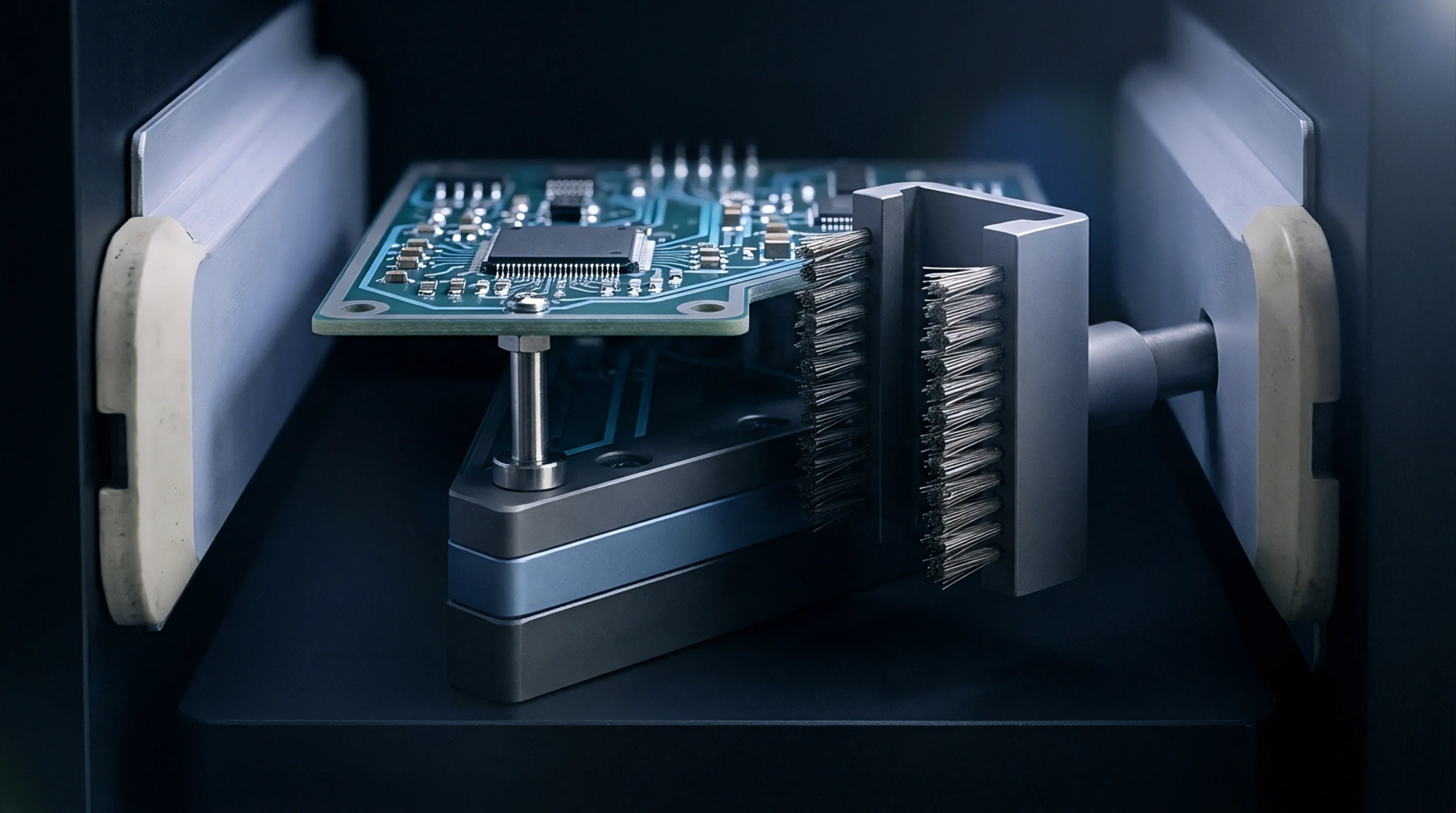
Split post cavity resonance measures in-plane substrate permittivity; z-axis core corrections prevent multi-ohm stripline impedance errors on woven glass panels.
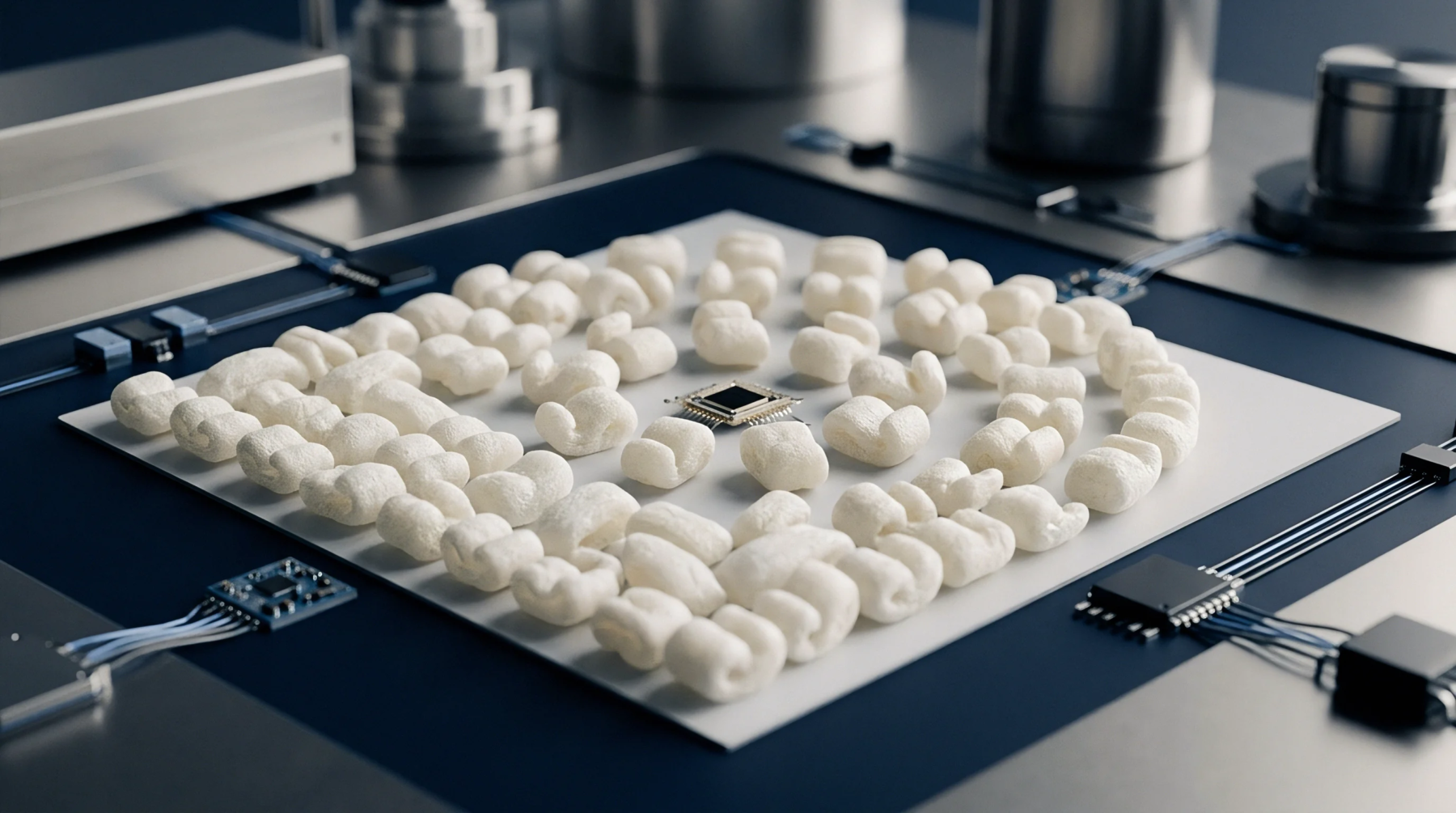
Parallel plate capacitance testing extracts packaging core permittivity from 100 Hz to 1 GHz by applying guarded electrodes to etched, preconditioned coupons.
Sub-stack resin squeeze-out during sequential lamination elevates z-axis Dk and reduces dielectric thickness, shifting differential impedance off target.
Expertise is a utility, not a secret. sentiention™ publishes its working knowledge as open reference: intelligence layer covering the materials it sources, the markets it enters, and the reference that serves both.