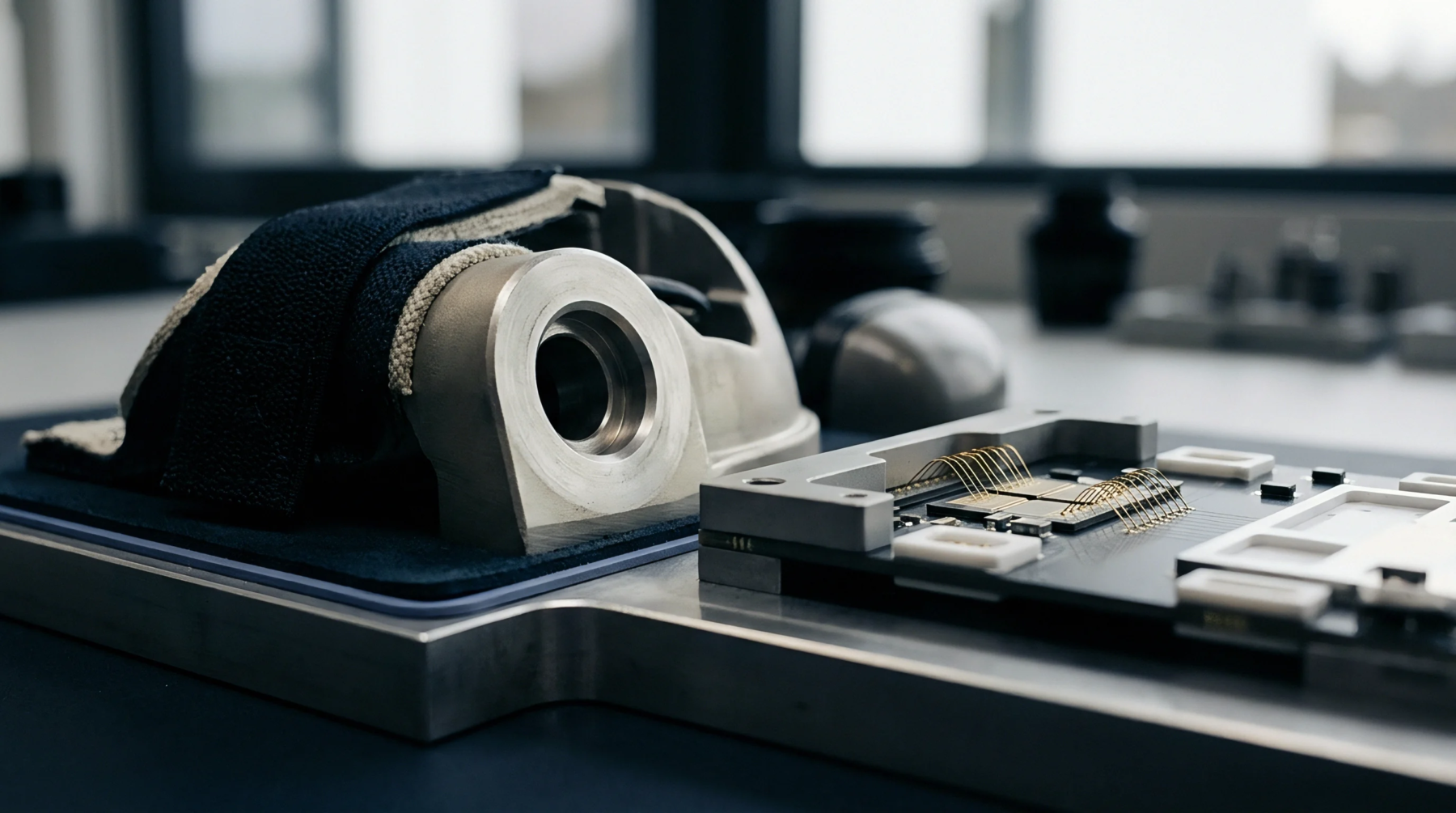
Glass Style Selection Criteria for Differential PCB Signal Lines
Spread glass prepreg selection eliminates fiber weave skew in high-speed differential lines by homogenizing substrate dielectric constants across trace paths.
Spread glass prepreg selection eliminates fiber weave skew in high-speed differential lines by homogenizing substrate dielectric constants across trace paths.
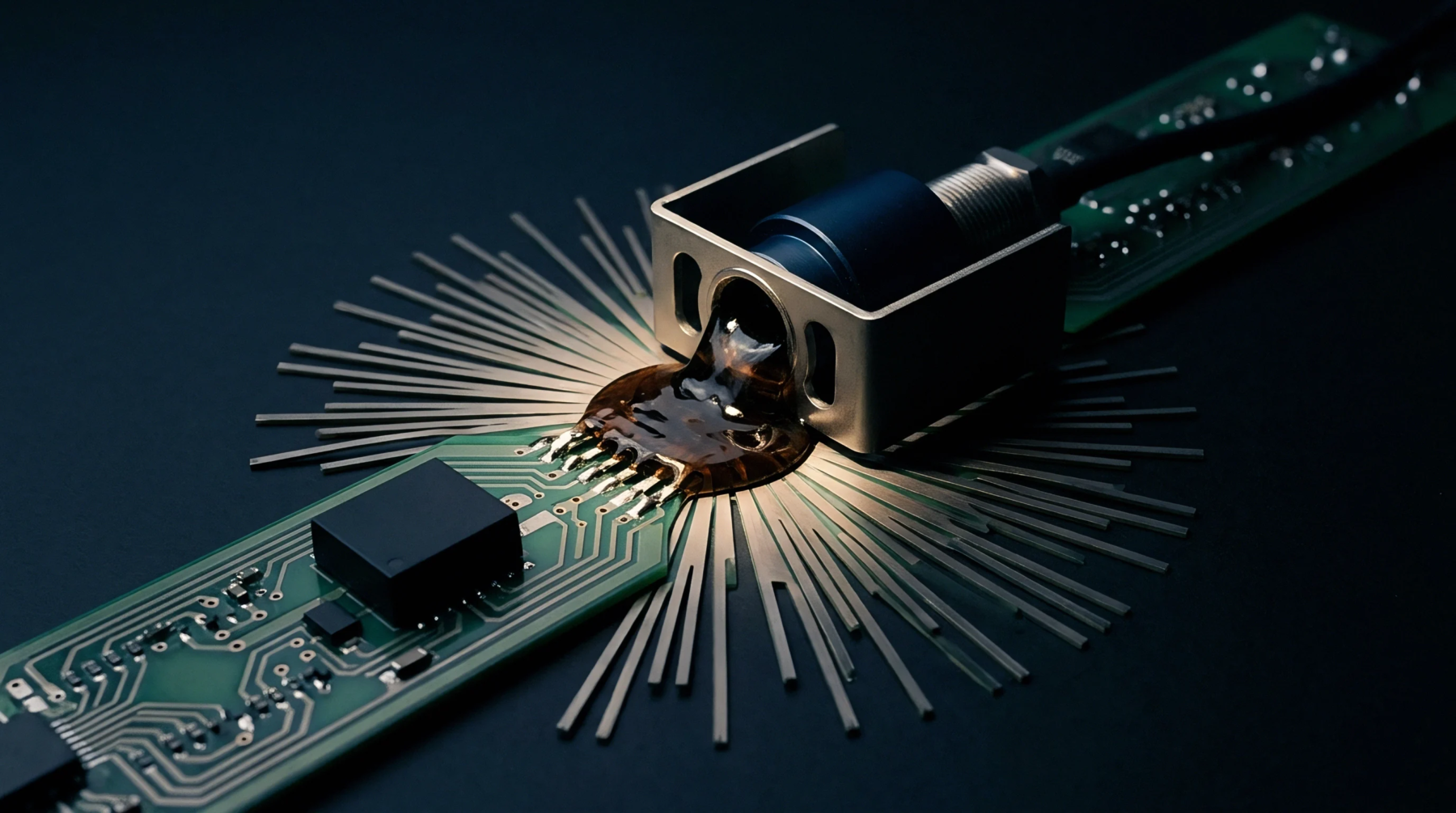
Microvia target pad interfacial shear displacement stems from CTE mismatch during thermal shock, demanding tight lamination control to prevent failure.
Reconciling static field solvers with TDR curves requires transforming 2D RLGC parameters into causal, broadband S-parameters with instrument rise-time filtering.

Spread glass prepregs eliminate dielectric permittivity gaps across differential traces, suppressing signal skew below 1 ps/inch in 112G PAM4 stackups.
Selecting spread glass fabric styles with tight yarn pitch eliminates differential skew and preserves PAM4 channel margins without complex trace routing.
Managing anisotropic permittivity in sequential substrates requires spread glass prepregs, optimized press kinetics, and directional fixture qualification.

Off-axis artwork rotation increases gross panel utilization on paper but degrades true net commercial yield through anisotropic lamination twist and registration scrap.
Expertise is a utility, not a secret. sentiention™ publishes its working knowledge as open reference: intelligence layer covering the materials it sources, the markets it enters, and the reference that serves both.