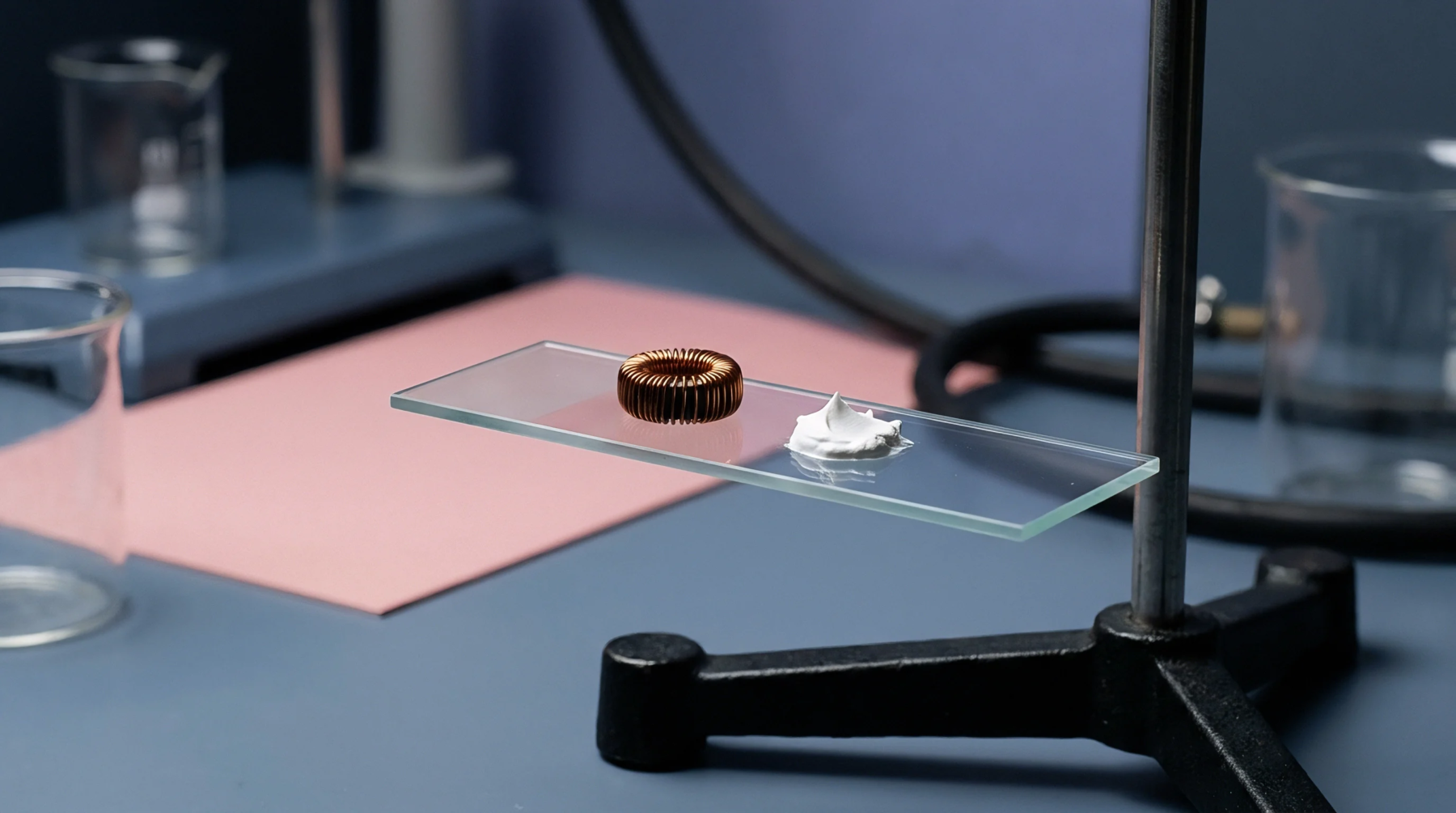
Resin Migration Defect
Liquid encapsulant seepage beyond the intended dam boundary constitutes a resin window failure during printed circuit board assembly. Dispensing parameters dictate the initial fluid footprint before thermal curing locks the material geometry. Excess pressure forces liquid epoxy past the solder mask barrier, bridging adjacent component pads and causing electrical shorts.
Automated optical inspection flags this anomaly by measuring the displaced perimeter against established CAD limits. Assembly lines manage this risk by adjusting dispense head height and fluid viscosity before running high density boards.
Thermal Stress Threshold
Mechanical loading during subsequent reflow soldering tests the structural integrity of cured polymer boundaries. Differential thermal expansion between the copper traces and the encapsulation compound creates localized shear forces at the material interface. Uncontrolled fluid spread reduces local material thickness, leading to microcracking under cyclic heating conditions.
Environmental stress screening verifies whether the polymer retains adhesion without fracturing the underlying passivation layers.
Process Capability Index
Statistical tracking of dispensed volumes establishes the manufacturing stability required for high reliability electronics production. Variation in fluid viscosity shifts the boundary placement during mass manufacturing runs. Corrective interventions involve recalibrating positive displacement pumps when volumetric output drifts outside nominal tolerances.
Production engineering teams use capability metrics to determine maintenance intervals for dispensing nozzles. Careful control of fluid delivery parameters prevents yield loss across commercial surface mount lines.